Orif Medical Abbreviation: A Complete Medical Overview
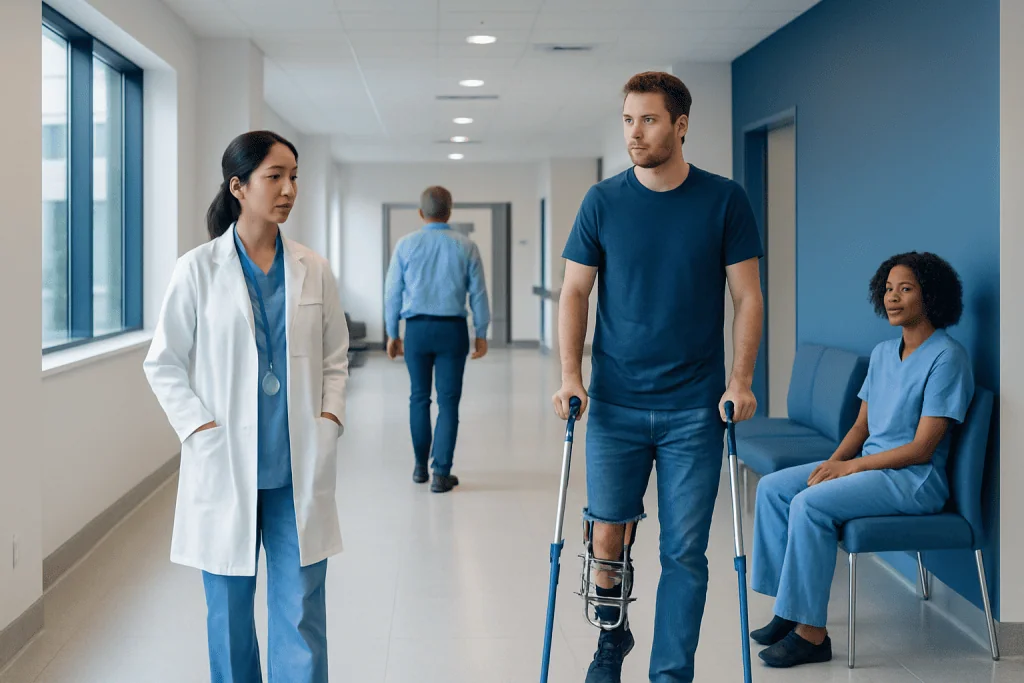
ORIF means open reduction and internal fixation. It is used to treat certain fractures that need surgical alignment and stabilization.
Key Takeaways
- ORIF means open reduction and internal fixation.
- It is used to treat certain fractures that need surgical alignment and stabilization.
- The procedure combines repositioning the bone with hardware that holds it steady during healing.
- Recovery depends on the bone involved, overall health, and rehabilitation plan.
- Prompt medical assessment is important after a suspected fracture, especially if there is severe pain, deformity, or inability to bear weight.
ORIF medical abbreviation stands for open reduction and internal fixation. It refers to a type of orthopedic surgery used to realign a broken bone and hold it in place with devices such as plates, screws, rods, or pins while it heals.
Overview: What ORIF Means
The term ORIF medical abbreviation stands for open reduction and internal fixation. In simple terms, this is a surgical method used to repair a broken bone. “Open reduction” means the surgeon makes an incision to directly access and reposition the bone fragments. “Internal fixation” means the bone is then held in the correct position with hardware such as plates, screws, rods, wires, or pins.
ORIF is not a diagnosis by itself. It is the name of a procedure that may appear in medical records, discharge papers, surgical notes, or conversations with an orthopedic specialist. People often come across the term after a fall, sports injury, traffic accident, or another event that causes a fracture.
This procedure is usually recommended when a fracture cannot be treated well with a cast, splint, or brace alone. It may be needed if the bone is out of alignment, unstable, broken into several pieces, involves a joint, or has caused changes in the normal shape of the limb. The goal is to restore bone position, protect surrounding tissues, and support proper healing.
Why ORIF Is Done and Which Fractures May Need It
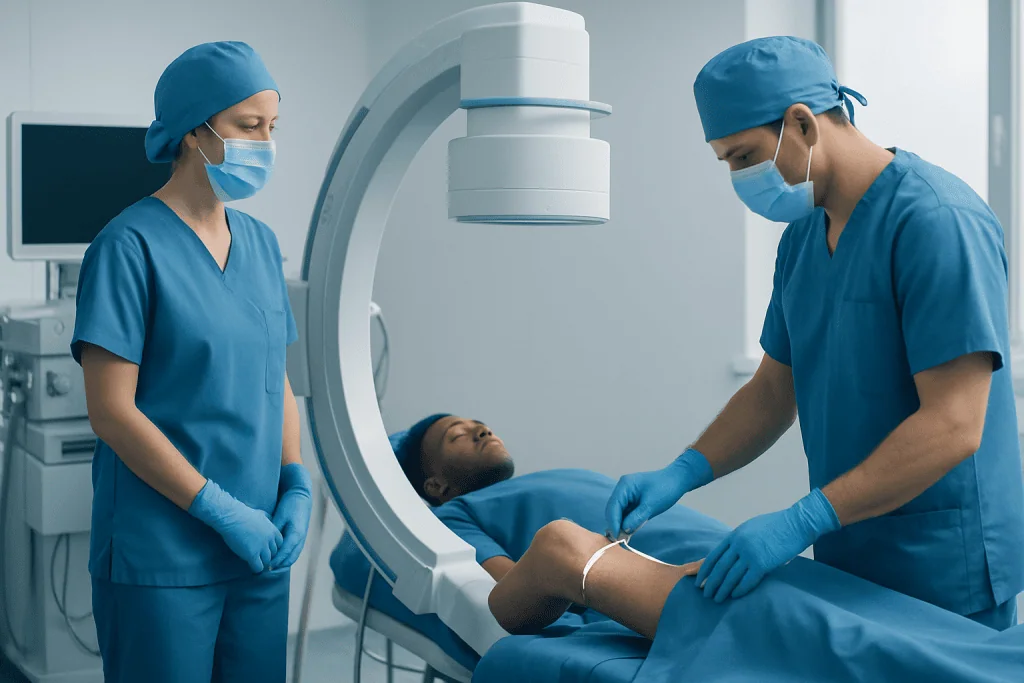
Not every broken bone requires surgery. Many fractures heal successfully with non-surgical care. However, ORIF may be advised when the fracture is displaced, meaning the bone ends are no longer in their normal position, or when the break is too unstable to stay aligned in a cast. It may also be used when early movement is important for function, particularly around joints.
Common bones that may be treated with ORIF include the wrist, ankle, hip, leg, arm, collarbone, and certain foot fractures. Some injuries around the elbow, shoulder, pelvis, or kneecap may also require this approach. In complex cases, ORIF can help restore the shape of the bone and lower the risk of healing in the wrong position.
Doctors consider several factors before recommending surgery, including the location and pattern of the fracture, the patient’s age, bone quality, activity level, and any associated soft-tissue injury. Fractures related to high-energy trauma may need additional imaging and careful planning. Patients with conditions such as osteoporosis may also have different healing considerations because bone strength can affect fracture stability and recovery.
What Happens During ORIF Surgery
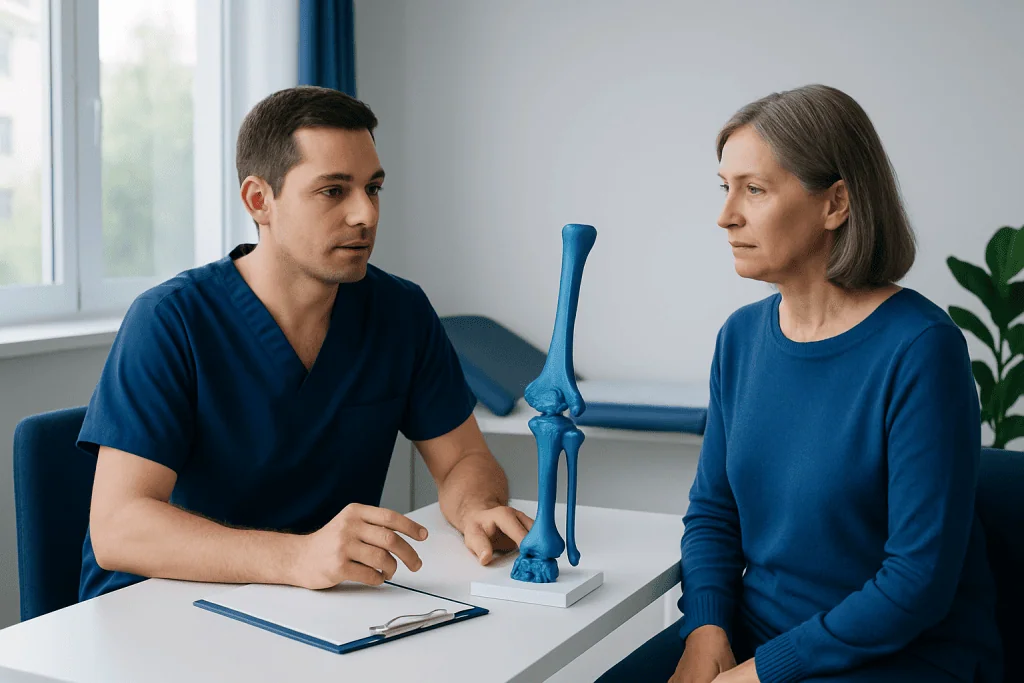
Before surgery, the care team typically reviews imaging studies such as X-rays and sometimes CT scans. These images help define the exact fracture pattern and guide treatment. The patient may also have blood tests and an anesthesia evaluation to make sure the procedure can be done as safely as possible.
During ORIF, the surgeon makes an incision over the injured area to reach the broken bone. The bone fragments are carefully repositioned to restore normal alignment. Once the pieces are in the best possible position, the surgeon secures them with internal fixation devices. Depending on the bone and the type of break, this may include plates and screws, an intramedullary rod, pins, or other fixation tools. This is a form of orthopedic surgery designed to stabilize the fracture while the bone heals.
After the hardware is placed, the incision is closed and the area may be protected with a splint, dressing, or brace. Some patients go home the same day, while others stay in the hospital for monitoring, pain control, or rehabilitation support. The exact plan depends on the fracture site, the complexity of the procedure, and the person’s general health.
Benefits, Risks, and Recovery Expectations
The main benefit of ORIF is that it allows more precise alignment of the broken bone and stabilizes it internally. This can be especially helpful when the fracture affects a joint surface or when the bone would otherwise heal in a poor position. Proper alignment may improve long-term function, reduce deformity, and support more predictable healing.
As with any operation, there are risks. These can include infection, bleeding, blood clots, nerve or blood vessel injury, stiffness, hardware irritation, delayed healing, or a bone that does not heal as expected. In some cases, a second procedure may be needed if hardware causes symptoms or if the fracture healing process is complicated. The surgeon weighs these risks against the risks of leaving the fracture untreated or treating it without surgery.
Recovery varies widely. Some people can begin gentle movement soon after surgery, while others need a period of limited weight bearing or immobilization. Pain and swelling usually improve gradually over days to weeks, but full healing can take longer. The timeline depends on the bone involved, the severity of the injury, smoking status, nutrition, circulation, and medical conditions such as diabetes.
Follow-up visits are important after ORIF. The surgeon checks wound healing, reviews X-rays, and adjusts activity recommendations over time. Many patients also benefit from physical therapy and rehabilitation to rebuild strength, improve movement, and regain confidence using the injured limb.
Aftercare, Rehabilitation, and Self-Care at Home
After ORIF, patients are usually given instructions on wound care, bathing, movement, pain control, and activity restrictions. It is important to follow these directions closely. Keeping the surgical area clean and dry, taking medicines as prescribed, and avoiding weight bearing if instructed can help protect the repair while the bone begins to heal.
Rehabilitation is often a major part of recovery. Exercises may start with gentle range-of-motion movements and progress slowly to strengthening and balance work. Recovery is not only about the bone healing on an X-ray; it is also about restoring daily function, such as walking, gripping, climbing stairs, or returning to work and sports safely.
Self-care can support healing. Helpful steps may include elevating the limb to reduce swelling, using cold therapy if the care team recommends it, eating a balanced diet with enough protein and calcium, and avoiding tobacco. Smoking can slow bone healing and increase the risk of complications. If a doctor suspects poor bone strength, further assessment or other advanced treatments would only be considered in very specific situations unrelated to routine fracture care; most ORIF recovery focuses on orthopedic follow-up and rehabilitation.
When to Seek Medical Care
Medical care should be sought promptly after a suspected fracture, especially if there is severe pain, visible deformity, inability to move the limb normally, numbness, swelling that is rapidly worsening, or inability to bear weight. Emergency care is especially important if bone is visible through the skin, there is significant bleeding, or the injured area looks pale, cold, or blue.
After ORIF, a patient should contact a doctor if there is fever, increasing redness, drainage from the incision, worsening pain that does not improve with the prescribed plan, chest pain, shortness of breath, or sudden calf swelling. These symptoms do not always mean a serious problem, but they should be checked quickly.
If there are repeated fractures, slow healing, or concern about weak bones, a clinician may evaluate for underlying conditions. In some cases, a broader orthopedic assessment may include review for bone loss or fragility disorders and planning to reduce future injury risk. Acibadem International’s multidisciplinary specialists in JCI-accredited hospitals diagnose and treat fractures and related orthopedic conditions for international patients.
Questions Patients Often Ask About ORIF
Many people worry when they first see ORIF in a report because the term sounds technical. In most cases, it simply names the surgical technique used to fix a fracture. It does not automatically mean the injury is unusually severe, although it does indicate that the bone needed direct surgical repair rather than casting alone.
Another common concern is whether the hardware stays in the body forever. Often it does remain in place if it is not causing problems. If plates, screws, or other devices become painful, irritating, or interfere with function, the surgeon may discuss whether hardware removal is appropriate after the bone has fully healed.
People also ask how long they will be off work or sports. There is no single timeline for everyone. Recovery depends on the bone involved, the type of job or activity, and the progress seen during follow-up. A clinician can provide the safest advice based on imaging, examination, and rehabilitation goals.
Frequently asked questions
What does ORIF stand for in medical terms?
ORIF stands for open reduction and internal fixation. It describes a surgical procedure used to realign a broken bone and hold it in place with hardware while it heals.
Is ORIF the same as a fracture diagnosis?
No. ORIF is not a diagnosis; it is the name of a treatment procedure. The diagnosis is the fracture itself, while ORIF is one possible way to repair it.
Does every broken bone need ORIF surgery?
No, many fractures heal well with casting, splinting, or bracing. ORIF is usually considered when the bone is displaced, unstable, involves a joint, or is unlikely to heal well without surgical fixation.
How long does it take to recover after ORIF?
Recovery time varies depending on the bone, the severity of the fracture, and the person’s overall health. Some daily activities may resume within weeks, but complete bone healing and rehabilitation can take several months.
Will the plates or screws be removed later?
In many cases, hardware can remain in place permanently if it is not causing symptoms. Removal may be considered if it causes irritation, pain, or other problems after the bone has healed.
Is ORIF considered major surgery?
It can be a significant operation, but the extent depends on the fracture and the body part involved. The orthopedic team explains the expected risks, anesthesia plan, and recovery steps before the procedure.
References
- American Academy of Orthopaedic Surgeons
- National Institute of Arthritis and Musculoskeletal and Skin Diseases
- MedlinePlus
- Mayo Clinic
- National Health Service
This article is for general information only and is not a substitute for professional medical advice. Please consult a qualified doctor about your individual situation.
Joint and spine care in Turkey — expert assessment & treatment
JCI-accredited · board-certified surgeons · reply within 24h
Add us as a Preferred Source to see more of our trusted health content across Google Search, AI Overviews and Discover.

More from the Health Library



Related Specialists
Assoc. Prof. Dr. Tansel Türkoğlu
Cardiovascular Surgery
Dyt. Begüm Bengi
Nutrition & Diet
Assoc. Prof. Dr. Mustafa Kaplangöray
Cardiology
Assoc. Prof. Dr. Özlem Karabudak Abuaf
Dermatology