Nausea Before Period Explained: Common Triggers and Red Flags

Nausea before period is usually related to hormonal shifts, prostaglandins, and premenstrual symptoms. It may occur along with bloating, cramps, headache, fatigue, or changes in bowel habits.
Key Takeaways
- Nausea before period is usually related to hormonal shifts, prostaglandins, and premenstrual symptoms.
- It may occur along with bloating, cramps, headache, fatigue, or changes in bowel habits.
- Severe, persistent, or worsening nausea is not something a person should ignore.
- Conditions such as endometriosis, migraines, pregnancy, or digestive disorders can sometimes mimic or worsen period-related nausea.
- Tracking symptoms across several cycles can help a doctor identify patterns and the most likely cause.
Nausea before period is commonly caused by normal hormonal changes around the menstrual cycle, especially when prostaglandins and fluctuating estrogen and progesterone affect the stomach and intestines. It is often manageable, but severe pain, vomiting, fainting, or symptoms that disrupt daily life can point to a condition that needs medical evaluation.
Overview: Why nausea can happen before a period
Nausea before period is a common symptom, and in many cases it happens because the body is responding to normal menstrual-cycle hormone changes. In the days leading up to bleeding, levels of estrogen and progesterone rise and fall, and the body also produces chemicals called prostaglandins. These changes can affect not only the uterus but also the digestive system and the brain pathways involved in nausea.
Some people notice only mild queasiness, while others feel a stronger unsettled stomach, loss of appetite, bloating, or the urge to vomit. The symptom may appear a few days before menstruation and improve once the period starts, though timing can vary from person to person. When it follows a familiar monthly pattern and remains mild, it is often part of premenstrual syndrome.
Still, nausea before period is not always caused by PMS alone. Painful cramps, migraine, anxiety, pregnancy, and gynecologic conditions can all contribute. Looking at the full symptom pattern rather than nausea by itself is often the best way to understand what is happening.
How hormones and the gut are connected
The menstrual cycle does not affect only reproductive organs. Hormones interact closely with the stomach and intestines, which is why some people have digestive symptoms around their period. Estrogen and progesterone can influence how quickly the stomach empties, how the bowel moves, and how sensitive the body feels to pain or discomfort.
Prostaglandins play an especially important role. These natural chemicals help the uterus contract so menstrual bleeding can occur, but they can also circulate more widely in the body. When levels are higher, they may contribute to cramping, diarrhea, headache, and nausea. This is one reason premenstrual or early-period nausea often appears together with abdominal pain.
The brain-gut connection also matters. Stress, poor sleep, and anxiety can heighten nausea and make normal cycle-related changes feel more intense. For some people, nausea before period reflects a combination of hormonal sensitivity, pain, and nervous-system responses rather than one single cause.
Common triggers and associated symptoms

Nausea before period often occurs alongside other familiar premenstrual symptoms. A person may notice lower abdominal cramps, bloating, breast tenderness, fatigue, mood changes, food cravings, constipation, or looser stools. Headache and dizziness can also make nausea feel worse, especially if hydration or appetite is reduced.
Several common triggers can intensify the symptom in the days before menstruation. These include stronger uterine cramping, migraine, poor sleep, emotional stress, skipping meals, dehydration, and sensitivity to certain foods or smells. For some, caffeine, very fatty meals, or alcohol may increase stomach upset during this phase of the cycle.
Sometimes the pattern suggests an underlying condition rather than routine PMS. If nausea is severe and comes with intense pelvic pain, heavy bleeding, pain during sex, or bowel symptoms, a doctor may consider endometriosis. If nausea is linked to missed periods or unusual breast tenderness, pregnancy also needs to be considered. Symptoms that occur every month but are progressively worsening deserve a closer medical review.
Possible causes beyond typical PMS
Premenstrual syndrome is one of the most common explanations for nausea before period, but it is not the only one. Painful periods, also called dysmenorrhea, can trigger nausea through strong uterine contractions and elevated prostaglandins. In some people, the pain itself activates the body’s stress response and leads to lightheadedness or stomach upset.
Other menstrual-related conditions may also be involved. Ovarian cysts can sometimes cause pelvic discomfort, bloating, or nausea, particularly if they are large, rupture, or twist. Hormone-sensitive migraine may appear before menstruation and bring nausea, vomiting, or sensitivity to light. Digestive conditions such as irritable bowel syndrome or acid reflux may also flare before a period because the gut becomes more sensitive during that time.
It is also important to remember that nausea before a predicted period may occasionally be unrelated to the cycle. Early pregnancy, viral illness, medication side effects, food intolerance, and anxiety can all overlap with premenstrual timing. A doctor may look at cycle regularity, sexual activity, associated pain, bleeding changes, and digestive symptoms to sort out the likely cause.
How doctors evaluate nausea before period
Evaluation usually begins with a detailed history. A doctor may ask when nausea starts, how long it lasts, whether vomiting occurs, how severe the cramps are, and whether there are other symptoms such as heavy bleeding, pelvic pain, headache, bowel changes, or missed periods. Keeping a symptom diary for two or three cycles can be very helpful because timing often provides important clues.
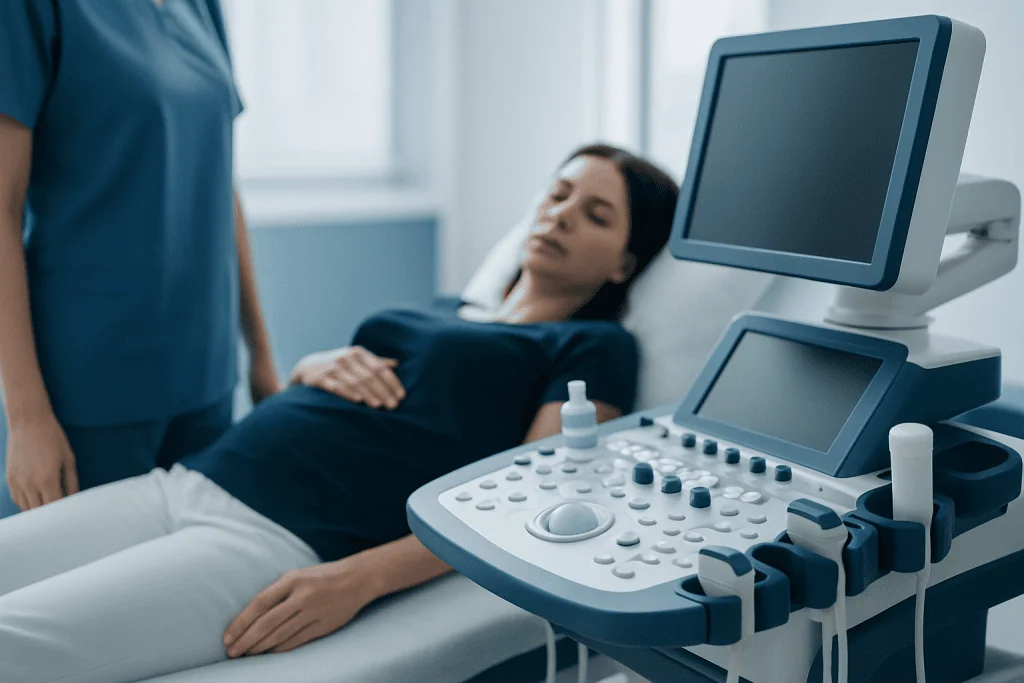
A physical and pelvic examination may be recommended depending on the person’s age, symptoms, and medical history. If pregnancy is possible, testing may be advised. Blood tests are sometimes used to look for anemia or other issues if periods are heavy or symptoms are persistent. When pelvic pain, unusual bleeding, or a structural problem is suspected, imaging such as pelvic ultrasound may help identify fibroids, ovarian cysts, or other gynecologic causes.
Not everyone with premenstrual nausea needs extensive testing. Mild, predictable symptoms that improve with self-care may not require more than routine medical guidance. However, when symptoms are severe, new, or changing, an individualized assessment is the safest way to rule out conditions that need treatment.
Treatment options and practical relief strategies
Treatment depends on the cause and on how much the symptom affects daily life. If nausea is linked to cramps or typical PMS, doctors often focus on symptom control. Relief may include heat for cramping, rest, hydration, small frequent meals, and avoiding foods that clearly trigger stomach upset. Some people find that bland foods such as toast, rice, bananas, or soup are easier to tolerate when nausea is present.
When pain is a major trigger, a doctor may recommend medicines that reduce prostaglandin-related cramping. If symptoms are cyclical and more disruptive, hormonal treatment may sometimes be considered to help regulate the menstrual cycle and reduce premenstrual symptoms. When digestive symptoms dominate, the plan may also address acid reflux, bowel sensitivity, or hydration. Care should be guided by a qualified clinician, especially if symptoms are frequent or strong.
If an underlying gynecologic condition is found, treatment is directed at that condition. Depending on the problem, this may involve medical therapy, follow-up imaging, or a gynecologic procedure. In select cases, further evaluation with laparoscopy may be used to investigate pelvic pain or suspected endometriosis. For international patients who need coordinated care, Acibadem International’s multidisciplinary specialists in JCI-accredited hospitals diagnose and treat menstrual and pelvic conditions with individualized planning.
Self-care, cycle tracking, and prevention
Not every episode of nausea before period can be prevented, but tracking patterns often makes symptoms easier to manage. Recording the day nausea begins, what it feels like, whether cramps or headache are present, and what seems to help can clarify whether the symptom is truly cycle-related. This information can also support a more accurate conversation with a doctor.
Simple lifestyle measures may reduce the intensity of premenstrual symptoms for some people. These include regular meals, steady fluid intake, good sleep, moderate physical activity, and stress management. Limiting alcohol, avoiding smoking, and reducing individual trigger foods around the premenstrual phase may also be useful. If migraine contributes, keeping routines consistent and staying hydrated can be especially important.
People with recurrent severe symptoms should avoid self-diagnosing for too long, especially if the pattern changes. Menstrual symptoms that suddenly become more painful, more frequent, or associated with heavy bleeding or vomiting may need specialist assessment. In some cases, further imaging or a gynecology check-up is the most appropriate next step.
When to seek medical care
A doctor should be consulted if nausea before period is severe, causes repeated vomiting, leads to dehydration, or interferes with school, work, or daily activities. Medical review is also important if symptoms are new, steadily worsening, or no longer follow the usual monthly pattern. A person should not assume every cycle-related symptom is normal simply because it happens near menstruation.
Urgent medical attention may be needed if nausea comes with fainting, severe one-sided pelvic pain, fever, a rigid abdomen, chest pain, or signs of heavy blood loss such as marked weakness or shortness of breath. Pregnancy should be considered if a period is late or unusual, especially if nausea is unexpected. Red flags can also include very heavy bleeding, pain during sex, pain with bowel movements, or migraine symptoms that are more intense than usual.
Early evaluation can make treatment more straightforward and reassuring. Even when the cause turns out to be common PMS, a clinician can suggest practical ways to reduce symptoms and improve quality of life.
Frequently asked questions
Is nausea before period normal?
Yes, mild nausea before period can be a normal premenstrual symptom. Hormone shifts and prostaglandins may affect the stomach and intestines, especially when cramps, bloating, or headache are also present. If the symptom is severe or unusual for that person, it should be checked by a doctor.
How many days before a period can nausea start?
Nausea may begin a few days before bleeding starts, often during the late luteal or premenstrual phase of the cycle. Some people notice it only on the day before their period, while others feel it for several days. A symptom diary can help identify the usual timing.
Can nausea before period be a sign of pregnancy instead?
It can be, especially if the expected period is late, lighter than usual, or does not arrive. Early pregnancy symptoms can overlap with premenstrual symptoms, including nausea, breast tenderness, fatigue, and bloating. If pregnancy is possible, testing is a sensible next step.
Why do cramps and nausea often happen together?
Cramps and nausea often occur together because prostaglandins can affect both the uterus and the digestive system. Strong uterine contractions may also trigger a stress response that increases queasiness or dizziness. This is common in painful periods, though severe symptoms should be assessed.
What helps relieve nausea before period at home?
Helpful steps may include resting, sipping fluids, eating small bland meals, and avoiding foods or smells that worsen nausea. Managing cramps with heat and following a doctor’s advice for pain relief may also help if pain is the trigger. If vomiting, dehydration, or severe pain develops, medical care is important.
When is nausea before period a red flag?
It is a red flag if it is severe, persistent, associated with repeated vomiting, or accompanied by fainting, very heavy bleeding, fever, or severe pelvic pain. Symptoms that are new, rapidly worsening, or different from the usual cycle pattern also deserve medical attention. These features can point to a condition beyond routine PMS.
References
- American College of Obstetricians and Gynecologists
- National Institute for Health and Care Excellence
- Office on Women's Health
- Merck Manual Consumer Version
- Mayo Clinic
This article is for general information only and is not a substitute for professional medical advice. Please consult a qualified doctor about your individual situation.
Persistent digestive symptoms? Get evaluated in Turkey
JCI-accredited · board-certified surgeons · reply within 24h
Add us as a Preferred Source to see more of our trusted health content across Google Search, AI Overviews and Discover.

More from the Health Library



Related Specialists

Assoc. Prof. Dr. Elif Ganime Aygün
Gynecology & Obstetrics
Dr. Süreyya Fethi Paksoy
Pediatrics
Psk. Deniz Erden
Psychology
Assoc. Prof. Dr. İlker Özgür Koska
Radiology