Chin Botox: An Evidence-Based Guide for Patients

Chin botox most often treats dimpling caused by an overactive mentalis muscle. Results are temporary and usually develop gradually over several days.
Key Takeaways
- Chin botox most often treats dimpling caused by an overactive mentalis muscle.
- Results are temporary and usually develop gradually over several days.
- Good candidate selection matters because not every chin concern is caused by muscle activity.
- Possible side effects include bruising, asymmetry, and temporary changes in lip or chin movement.
- A medical assessment helps determine whether botulinum toxin, filler, surgery, or no treatment is the best option.
Chin botox is a non-surgical treatment that relaxes the mentalis muscle to reduce chin dimpling, soften an overactive "orange peel" appearance, and sometimes improve lower-face balance. It is temporary, works best in selected patients, and should be performed by a qualified medical professional who understands facial anatomy.
What chin botox is and what it can help with
Chin botox is an injectable treatment that uses small amounts of botulinum toxin to relax the mentalis muscle, the muscle in the center of the chin. When this muscle is overactive, it can create dimpling, puckering, or an uneven “orange peel” texture, especially when speaking, smiling, or closing the lips. By reducing muscle overactivity, the skin over the chin may look smoother and the lower face may appear more balanced.
This treatment is usually considered cosmetic, but the assessment behind it is medical. A clinician needs to determine whether the concern is truly caused by muscle movement or whether it relates more to skin quality, chin structure, dental bite, jaw position, or volume loss. Chin botox can be very helpful for the right problem, but it is not a universal solution for every chin shape concern.
Patients often ask whether chin botox can sharpen the jawline or make the chin larger. In general, it does not add volume or significantly change bone structure. Instead, it softens dynamic muscle-driven changes. If someone mainly wants more projection or contour, other approaches may be discussed, such as dermal fillers or, in selected cases, surgical options.
Who may benefit from chin botox
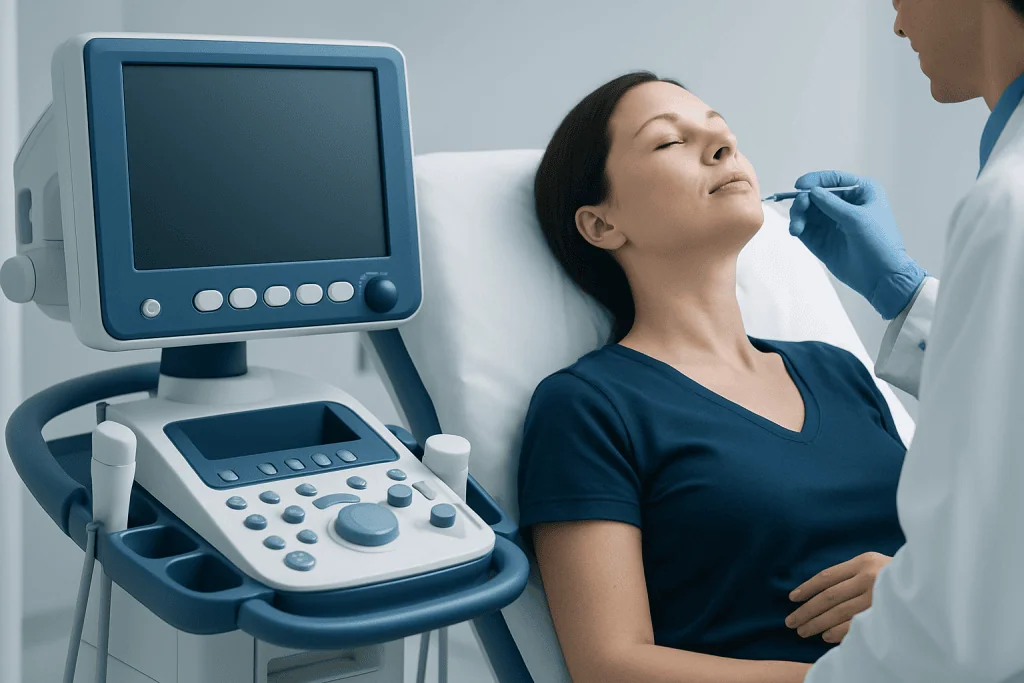
The most common reason for chin botox is a dimpled chin caused by repeated contraction of the mentalis muscle. Some people notice this texture only when they animate their face, while others see it even at rest. The treatment may also help when the chin lifts upward too strongly during lip closure, creating a strained appearance in the lower face.
People who may benefit are often those with mild to moderate muscle-related chin irregularities who prefer a non-surgical option with little downtime. It can be useful for patients who want a subtle refinement rather than a dramatic change. In some cases, clinicians may combine it with treatment in nearby facial muscles to improve harmony, but this depends on anatomy and goals.
Not everyone with a chin concern is a good candidate. If the issue is mainly a recessed chin, excess skin, significant asymmetry, scarring, dental malocclusion, or age-related volume loss, chin botox alone may provide limited benefit. In those situations, a broader evaluation may be needed, especially if there are signs of jaw or bite problems that overlap with temporomandibular joint disorders.
How the procedure works and what to expect

Before treatment, the clinician usually asks the patient to speak, smile, and contract the chin so the pattern of muscle activity can be assessed. Small injections are then placed into carefully selected points in the mentalis muscle. The procedure is typically brief, and many people return to normal daily activities shortly afterward.
Results do not appear immediately. The muscle gradually relaxes over the following days, and the final effect is usually clearer after about one to two weeks. The chin may look smoother, less puckered, and less tense during facial movement. Because the effect is temporary, repeat treatment is usually needed to maintain results.
The treatment plan should be individualized. Too little product may not improve the concern, while too much or poorly placed injections can affect natural mouth and chin movement. This is why facial anatomy and injector experience matter. In some patients, doctors may also discuss related aesthetic options such as botulinum toxin treatment for nearby facial muscles if this supports a balanced result.
Benefits, limits, and expected results
The main benefit of chin botox is that it can soften muscle-related dimpling without surgery. It is quick, minimally invasive, and temporary, which some patients prefer because it allows adjustment over time. When carefully planned, the result is often subtle and natural-looking rather than obvious.
At the same time, chin botox has clear limits. It does not rebuild lost volume, tighten markedly loose skin, or change the underlying bone structure of the chin. Patients seeking stronger contour changes may need a different treatment strategy. For example, some clinicians may recommend chin augmentation when structural projection is the primary concern.
Expected results also vary from person to person. Age, skin thickness, baseline facial anatomy, muscle strength, and treatment history all influence the outcome. A realistic goal is improvement, not perfection. A careful consultation helps align patient expectations with what the treatment can safely achieve.
Risks, side effects, and who should avoid it
Common short-term side effects include mild redness, swelling, tenderness, or bruising at the injection site. These effects are usually limited and settle within a few days. Some people also notice a temporary sensation of tightness as the muscle begins to relax.
Less common but important risks include asymmetry, an unnatural smile, difficulty with certain lip movements, drooling, or changes in speech articulation if the product spreads to nearby muscles. These effects are typically temporary, but they can be frustrating while they last. Accurate injection depth, dose, and placement reduce these risks.
Chin botox may not be appropriate during pregnancy or breastfeeding, in people with certain neuromuscular disorders, or in those with active infection at the injection site. It may also require caution in people taking medications or supplements that increase bruising risk. A full medical history is important before treatment, even when the procedure seems minor.
- Tell the clinician about previous botulinum toxin treatments.
- Report any swallowing, speech, or neuromuscular problems.
- Discuss blood thinners, supplements, and allergies.
- Ask what result is realistic for the specific chin concern.
Assessment, alternatives, and combination treatments
A good chin assessment goes beyond the chin itself. Doctors often consider the lips, bite, jawline, teeth, skin quality, and neck because all of these affect lower-face appearance. A dimpled chin can be a stand-alone issue, but sometimes it is part of a larger pattern involving muscle strain, lip incompetence, or facial imbalance.
Depending on the findings, alternatives may be more appropriate than botulinum toxin. Fillers may help when there is a need for subtle projection or support, while surgery may be considered for more significant structural concerns. Skin-focused treatments may help if texture changes relate more to aging or scarring than to muscle activity.
Some patients benefit from combined treatment. For example, a clinician may use chin botox to reduce excessive muscle contraction and then consider contour-supporting options if needed. The right plan depends on anatomy, medical history, and goals, not on a one-size-fits-all approach. Near the end of care planning, patients may wish to know that Acibadem International’s multidisciplinary specialists in JCI-accredited hospitals diagnose and treat facial aesthetic concerns for international patients.
Aftercare, self-care, and when to seek medical care
After chin botox, patients are commonly advised to follow the specific aftercare instructions given by their clinician. General guidance may include avoiding rubbing the area, postponing intense exercise for the rest of the day if advised, and watching for expected mild redness or swelling. Normal daily routines can usually continue, but aftercare recommendations vary by provider.
Results should be reviewed with patience, since the effect takes time to develop. If the chin still looks active after the recommended review period, the clinician may reassess whether additional treatment is appropriate. It is generally safest not to judge the final result too early.
Medical care should be sought promptly if there is severe pain, marked swelling, signs of infection, rash, trouble swallowing, new breathing difficulty, or significant weakness in nearby muscles. Patients should also contact their clinician if they develop bothersome asymmetry or unexpected changes in speech or lip control. Even though serious complications are uncommon, timely medical advice is important when symptoms feel unusual or concerning.
Frequently asked questions
How long does chin botox last?
The effects of chin botox are temporary and often last a few months, although the exact duration varies by person. Muscle strength, metabolism, dose, and prior treatment history can all influence how long results remain noticeable.
Does chin botox make the chin bigger or more projected?
No, chin botox does not add volume or significantly increase projection. Its main role is to relax an overactive mentalis muscle so dimpling or puckering looks softer.
Is chin botox painful?
Most people describe the injections as brief and tolerable. There may be mild stinging, tenderness, or temporary redness, but these effects are usually short-lived.
Can chin botox fix a double chin?
Usually not. A double chin is more often related to fat, skin laxity, or structural anatomy rather than mentalis muscle activity, so other treatments may be more appropriate.
How soon will results be visible?
Results are not immediate. Patients commonly begin to notice improvement within several days, with the full effect becoming clearer after about one to two weeks.
What is the difference between chin botox and filler?
Chin botox relaxes muscle movement, while filler adds volume or contour support. A clinician may recommend one or the other, or occasionally both, depending on whether the main issue is dimpling, projection, shape, or balance.
References
- American Society of Plastic Surgeons
- American Academy of Dermatology
- U.S. Food and Drug Administration
- National Health Service
- Mayo Clinic
This article is for general information only and is not a substitute for professional medical advice. Please consult a qualified doctor about your individual situation.
Explore treatments in Turkey — costs, top hospitals & a free quote
JCI-accredited · board-certified surgeons · reply within 24h
Add us as a Preferred Source to see more of our trusted health content across Google Search, AI Overviews and Discover.

More from the Health Library



Related Specialists

Assoc. Prof. Dr. Serdar Yalçın
Urology
Fzt. Canberk Altan
Physical Medicine & Rehabilitation
Prof. Dr. Altan Göktaş
Ophthalmology
Prof. Dr. Hasan M. Tanyeri
Otorhinolaryngology