Heart Explosion: A Complete Medical Overview

Heart explosion is a descriptive phrase, not an official diagnosis. Sudden severe chest pain, pressure, tearing pain, fainting, or shortness of breath can signal a medical emergency.
Key Takeaways
- Heart explosion is a descriptive phrase, not an official diagnosis.
- Sudden severe chest pain, pressure, tearing pain, fainting, or shortness of breath can signal a medical emergency.
- Possible causes include heart attack, dangerous heart rhythm problems, panic symptoms, and major blood vessel conditions such as aortic dissection.
- Doctors use symptoms, examination, ECG, blood tests, and imaging to find the cause quickly.
- Treatment depends on the underlying problem and may range from reassurance to urgent cardiac or vascular care.
- People should not try to self-diagnose severe new chest symptoms at home.
Heart explosion is not a formal medical term. People usually use it to describe a sudden bursting, pounding, or crushing feeling in the chest, and because this can reflect a serious heart or blood vessel problem, prompt medical assessment is important.
What does “heart explosion” mean medically?
Heart explosion is not a recognized medical diagnosis. In everyday language, people may use this phrase to describe a sudden intense sensation in the chest, such as crushing pressure, a violent pounding heartbeat, a sharp tearing pain, or a feeling that the chest might burst. The term is vivid, but it does not identify a single disease.
What matters medically is the pattern of symptoms behind the phrase. Some causes are relatively benign, such as a temporary panic response or muscle strain. Others are serious and time-sensitive, including a heart attack, a dangerous abnormal heart rhythm, or an aortic dissection affecting the major artery that carries blood from the heart.
Because chest symptoms can overlap, it is safest to focus on warning signs rather than the wording itself. A person who feels sudden severe chest pain, pressure, shortness of breath, fainting, or pain spreading to the arm, back, neck, or jaw should seek urgent medical care rather than assume the sensation is harmless.
How it may feel: common symptoms people describe
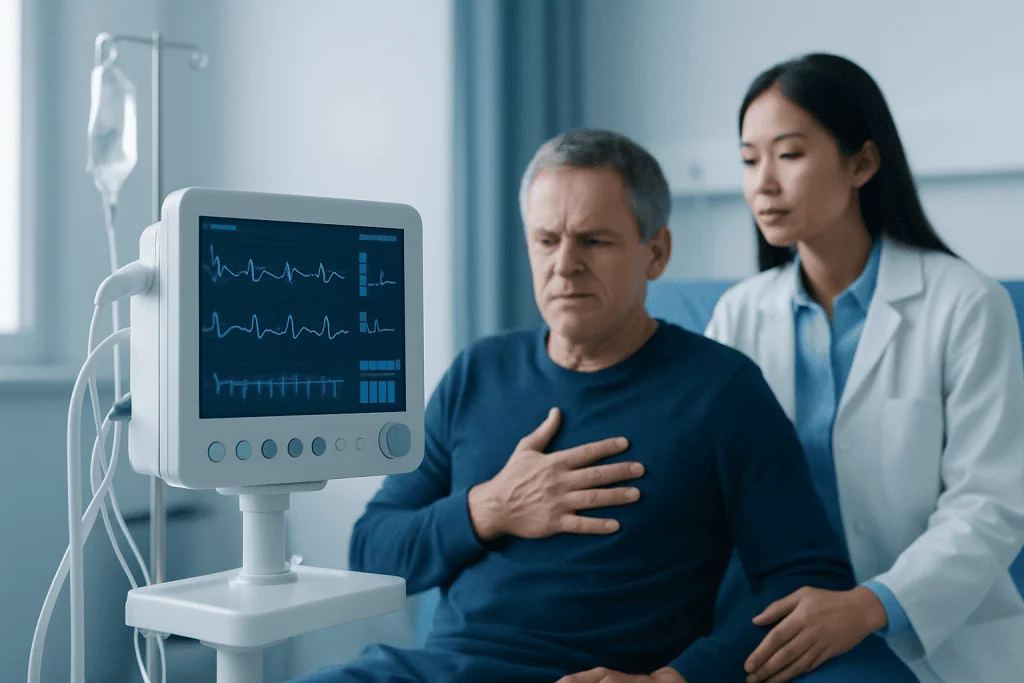
People who say their heart felt like it was exploding may mean very different sensations. Some describe a heavy pressure in the center of the chest. Others mean a forceful racing heartbeat, a sudden stabbing pain, or a tearing feeling that moves to the back. The exact description can help doctors narrow down the cause, but no single description is enough to diagnose it.
Symptoms that may occur with this sensation include sweating, nausea, dizziness, shortness of breath, weakness, anxiety, palpitations, or a sense of impending doom. Some people also notice pain in the jaw, shoulder, arm, or upper back. In serious conditions, symptoms may begin suddenly and become intense within minutes.
It is also important to note what chest symptoms are not always from the heart. Problems involving the lungs, esophagus, chest wall muscles, or panic response can create similar discomfort. Still, a new, severe, or unexplained chest symptom should be evaluated promptly because serious heart and blood vessel conditions can present in many ways.
- Crushing or squeezing chest pressure
- Rapid, pounding, or irregular heartbeat
- Sharp or tearing chest pain
- Shortness of breath
- Fainting or near-fainting
- Sweating, nausea, or unusual weakness
Possible causes behind the sensation

The causes of a “heart explosion” feeling range from mild to life-threatening. A heart attack happens when blood flow to part of the heart muscle is blocked, often causing pressure, heaviness, or pain in the chest. Another possibility is an arrhythmia, which is an abnormal heart rhythm that may create a sudden pounding, fluttering, or racing sensation and can sometimes cause dizziness or collapse.
Aortic dissection is a less common but critical emergency in which a tear develops in the inner layer of the aorta. People may describe sudden severe pain in the chest or upper back as ripping or tearing. Other urgent causes of abrupt chest symptoms can include pulmonary embolism, severe high blood pressure, or inflammation around the heart.
Not every cause is a structural heart emergency. Panic attacks can produce intense chest tightness, palpitations, sweating, trembling, and fear that something catastrophic is happening. Acid reflux, esophageal spasm, and chest wall strain can also be painful and alarming. Because these conditions can resemble one another, medical assessment is the safest way to tell the difference.
When a heart condition is suspected, doctors may investigate for problems such as arrhythmia or damage to the heart muscle and blood vessels. The goal is to identify dangerous causes quickly while also recognizing when symptoms stem from a non-cardiac source.
Risk factors that raise concern
Certain risk factors make a serious cardiac or vascular cause more likely, especially in adults with new chest symptoms. These include older age, smoking, high blood pressure, diabetes, high cholesterol, obesity, chronic kidney disease, and a personal or family history of heart disease. Cocaine and other stimulant use can also trigger dangerous heart and blood vessel events.
For aortic emergencies, uncontrolled high blood pressure, connective tissue disorders, known aortic aneurysm, and some inherited conditions may increase risk. For arrhythmias, contributing factors can include underlying heart disease, thyroid problems, electrolyte imbalance, dehydration, or certain medications. Even so, people without obvious risk factors can still develop urgent chest conditions.
Doctors also consider the context of the episode. Symptoms that start during physical activity, intense emotional stress, or stimulant use may provide clues. A history of recent surgery, prolonged immobility, cancer, or blood clotting disorders may point to a lung-related clot rather than a primary heart problem. This is one reason a detailed medical history is so valuable.
How doctors evaluate chest symptoms quickly
When someone presents with a “heart explosion” sensation, doctors first assess whether an emergency is likely. They ask about the timing, quality, and location of symptoms; what the person was doing when they began; whether pain spreads elsewhere; and whether there is shortness of breath, fainting, sweating, or nausea. Vital signs and a physical examination help reveal how urgent the situation may be.
Initial testing often includes an electrocardiogram to look at the heart’s electrical activity and blood tests that can show whether heart muscle injury has occurred. Depending on the situation, a chest X-ray, echocardiogram, CT scan, or other imaging may be used to look for aortic problems, lung causes, or other structural issues.
In some patients, additional rhythm monitoring is needed if symptoms suggest intermittent palpitations or brief episodes of rapid heartbeat. If blood flow problems are suspected, doctors may arrange further cardiac testing and, when necessary, coronary angiography to examine the heart’s arteries. The exact workup depends on symptoms, age, medical history, and examination findings.
Treatment depends on the true cause
There is no single treatment for “heart explosion” because it is not one disease. Management is directed at the underlying cause. A heart attack may require urgent medications, monitoring, and procedures to restore blood flow, including angioplasty and stent treatment when a blocked coronary artery is found. Dangerous arrhythmias may need medication, electrical treatment, or other rhythm-focused therapies.
Aortic dissection is a medical emergency that may require intensive blood pressure control, close monitoring, and sometimes surgery or catheter-based repair. Pulmonary embolism, severe hypertension, and inflammation around the heart each have different treatment approaches. Early diagnosis is central because outcomes improve when the right treatment is started promptly.
If evaluation shows a non-cardiac cause such as panic symptoms, reflux, or musculoskeletal pain, treatment may be much less invasive. That may include reassurance, follow-up, lifestyle changes, medication for the specific condition, or referral to another specialist. For some rhythm disorders or advanced heart disease, specialists may consider options such as cardiac ablation or other individualized care after a full evaluation.
Near the end of the care pathway, patients and families often benefit from clear explanations of what was found and what warning signs should prompt urgent return. At Acibadem International, multidisciplinary specialists in JCI-accredited hospitals evaluate and treat complex heart and vascular conditions for international patients when advanced assessment is needed.
Prevention and practical self-care
Because the phrase can reflect several different conditions, prevention focuses on reducing the risk of cardiovascular disease and seeking care promptly for new symptoms. Heart-healthy habits include not smoking, managing blood pressure, controlling diabetes and cholesterol, staying physically active, maintaining a healthy weight, and following a balanced eating pattern. Regular medical follow-up is especially important for people with known heart disease or aortic problems.
People who experience palpitations should try to notice what triggers them, such as caffeine, alcohol, dehydration, stimulant medications, or poor sleep. Reducing these triggers may help in some cases, but it should not replace medical advice when episodes are new, prolonged, or associated with fainting or chest pain. Stress management, breathing techniques, and mental health support may also help when anxiety contributes to symptoms.
Self-care has limits. A person should not try to diagnose severe chest pressure, a ripping chest or back pain, or collapse as indigestion, anxiety, or muscle strain without medical assessment. If symptoms are sudden, intense, or accompanied by breathing difficulty or fainting, emergency evaluation is the safest response.
When to seek medical care
Urgent medical care is needed for chest pain or pressure that is sudden, severe, or lasts more than a few minutes, especially if it occurs with shortness of breath, sweating, nausea, fainting, or pain spreading to the arm, neck, jaw, or back. Immediate evaluation is also important for a racing or irregular heartbeat with dizziness, weakness, or collapse. These symptoms can signal conditions that should not be assessed at home.
Prompt medical attention is also important for a sudden tearing pain in the chest or upper back, particularly in someone with high blood pressure or known aortic disease. Even if symptoms improve, a recent unexplained severe episode still deserves medical review. It is better to be assessed and find a non-dangerous cause than to miss a serious one.
Non-urgent follow-up is appropriate for milder recurring symptoms, occasional palpitations, or chest discomfort already evaluated as non-emergency, but only with guidance from a clinician. If the pattern changes, becomes more frequent, or starts happening with exercise, the person should be re-evaluated sooner.
Frequently asked questions
Is heart explosion a real medical condition?
No. Heart explosion is not a formal medical diagnosis. It is a descriptive phrase people may use for sudden severe chest pain, pressure, pounding, or palpitations, and the cause needs to be identified by a clinician.
Can anxiety make someone feel like their heart is exploding?
Yes, panic and anxiety can cause intense chest tightness, rapid heartbeat, trembling, and fear. However, anxiety can mimic serious heart problems, so new or severe symptoms should be assessed by a doctor rather than assumed to be stress alone.
Does a heart attack feel like an explosion?
Some people describe a heart attack as crushing pressure, heaviness, squeezing, burning, or a bursting sensation. Others have milder or less typical symptoms, especially older adults, women, and people with diabetes. Because symptoms vary, any concerning chest symptom should be taken seriously.
What is the difference between heart explosion and palpitations?
Palpitations are the sensation of feeling the heartbeat, often as racing, fluttering, pounding, or skipped beats. Heart explosion is not a medical term and may refer to palpitations, chest pain, or another intense chest sensation. The difference matters because pain and rhythm symptoms can suggest different causes.
When should someone go to the emergency department for this feeling?
Emergency care is appropriate for sudden severe chest pain or pressure, fainting, shortness of breath, sweating, weakness, or pain spreading to the arm, jaw, or back. A very fast or irregular heartbeat with dizziness or collapse also needs urgent evaluation.
Can aortic dissection feel like the heart is exploding?
Yes, some people with aortic dissection describe a sudden tearing, ripping, or bursting pain in the chest or back. This is a medical emergency and needs immediate hospital care because delayed treatment can be dangerous.
References
- American Heart Association
- National Heart, Lung, and Blood Institute
- Centers for Disease Control and Prevention
- Mayo Clinic
- European Society of Cardiology
This article is for general information only and is not a substitute for professional medical advice. Please consult a qualified doctor about your individual situation.
Explore treatments in Turkey — costs, top hospitals & a free quote
JCI-accredited · board-certified surgeons · reply within 24h
Add us as a Preferred Source to see more of our trusted health content across Google Search, AI Overviews and Discover.
Check your numbers in seconds
BMI, calories, due date, blood pressure and 30+ more clinical calculators — free, instant, doctor-reviewed ranges.

More from the Health Library



Related Specialists

Prof. Dr. Salih Serdar Erturan
Pulmonary Medicine
Prof. Dr. Handan Onur Topuzlu
Medical Oncology
Dr. Nesibe Sönmez Demiryoğuran
Emergency Service
Fzt. Fatmanur Yıldırım
Physical Medicine & Rehabilitation