

Types of Nail Diseases with Pictures: Diagnosis, Outlook, and Modern Treatment Approaches

Nail changes can result from infection, skin disease, injury, circulation problems, or systemic illness. Pictures are useful for comparison, but many nail disorders look similar and may require testing.
Key Takeaways
- Nail changes can result from infection, skin disease, injury, circulation problems, or systemic illness.
- Pictures are useful for comparison, but many nail disorders look similar and may require testing.
- Warning signs include a painful swollen nail fold, a new dark streak, rapid nail destruction, or changes affecting only one nail.
- Treatment depends on the cause and may include antifungal medicines, anti-inflammatory care, nail procedures, or treatment of an underlying condition.
- Good nail hygiene, moisture protection, and early assessment of persistent changes can help prevent complications.
Types of nail diseases with pictures commonly show recognizable patterns, such as thick yellow nails from fungal infection, pitting from psoriasis, spoon-shaped nails, or dark streaks that may need urgent evaluation. While images can help narrow possibilities, an accurate diagnosis usually depends on the nail’s appearance, symptoms, medical history, and sometimes lab testing.
Overview: what nail changes can mean
When people search for types of nail diseases with pictures, they are usually trying to match a visible nail change with a likely cause. Common examples include yellow, thick, crumbly nails from fungal infection; tiny dents or pitting from psoriasis; spoon-shaped nails linked with nutritional or medical issues; and dark streaks or patches that may range from harmless pigment to a condition that needs urgent assessment.
Nails are made by the nail matrix and rest on the nail bed, so disease can affect their color, shape, thickness, texture, and attachment. A single change does not always point to one diagnosis. Several disorders can look alike, especially when the nail has been injured, exposed to moisture, or affected by chronic skin disease.
This is why a picture-based guide is most helpful when it explains patterns rather than making assumptions. Doctors assess whether one nail or many nails are involved, whether the surrounding skin is inflamed, whether there is pain or drainage, and whether there are signs of broader skin or medical conditions such as eczema, psoriasis, anemia, or circulation problems.
Common types of nail diseases and how they look
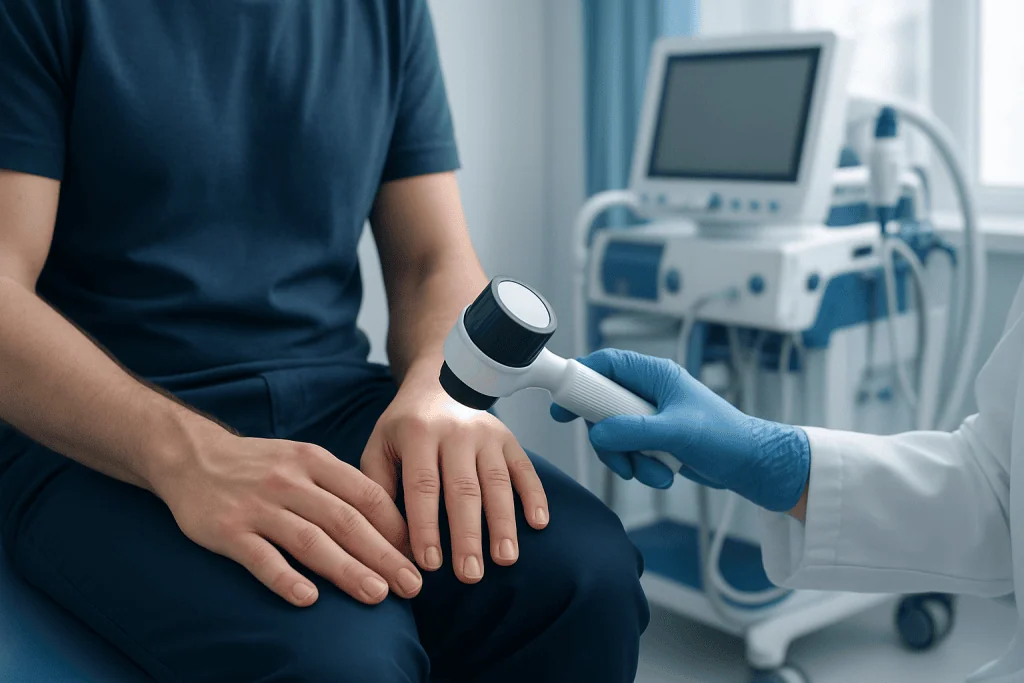
Some nail disorders have fairly typical appearances. Fungal nail infection, also called onychomycosis, often causes yellow, white, or brown discoloration, thickening, brittleness, and debris under the nail. The nail may lift away from the nail bed over time. This is one of the most common reasons for persistent nail changes in adults.
Nail psoriasis can produce pitting, roughness, separation of the nail from the nail bed, discoloration that looks like an oil drop under the nail, and thickening. It may appear with skin plaques elsewhere, but some people have nail involvement with little or no visible rash. Chronic eczema and lichen planus can also distort the nail surface and make nails fragile.
Bacterial infection around the nail fold may lead to redness, tenderness, swelling, and sometimes pus. This is often called paronychia. Greenish discoloration can suggest colonization by certain bacteria, especially when nails stay moist for long periods. Repeated minor trauma, nail biting, manicures, and wet work can all contribute.
Other recognizable patterns include spoon nails that curve upward, clubbing with rounded enlarged fingertips, Beau’s lines that form horizontal grooves after significant illness or stress, and ingrown nails that cause pain and inflammation at the nail edge. A new dark band, especially on one nail, deserves careful evaluation because pigment changes can occasionally signal a serious condition, including skin cancer.
What pictures can and cannot show

Pictures are helpful because nail diseases often follow visual patterns. They can show whether a nail is thickened, separated, ridged, spotted, pitted, curved, or discolored. They also help identify whether the problem mainly affects the nail plate, the surrounding skin, or the fingertip. This visual approach can make medical information easier to understand.
However, images have limits. A yellow nail may be caused by fungus, psoriasis, trauma, or staining from cosmetics or smoking. White spots are often harmless results of minor trauma, but widespread whitening can sometimes point to a systemic issue. Dark lines may reflect normal pigmentation, medication effects, or bleeding under the nail, and not all causes can be distinguished by appearance alone.
Lighting, skin tone, nail polish, and image quality can also change how a nail looks. For this reason, doctors use pictures as one part of assessment rather than a final diagnosis. If the appearance is unusual, painful, rapidly changing, or isolated to one nail, an in-person examination is especially important.
Causes and risk factors
Nail disease can start from infection, inflammation, trauma, or a medical condition elsewhere in the body. Fungal infections are more likely in warm, moist environments and are more common with age, diabetes, poor circulation, repeated nail injury, or tightly fitting shoes. They often affect toenails more than fingernails because footwear creates a damp enclosed environment.
Inflammatory skin conditions such as psoriasis, eczema, and lichen planus can change how the nail matrix forms the nail. Trauma from sports, running, repeated tapping, manicures, artificial nails, or habitual picking can create ridges, bleeding under the nail, splitting, or lifting. Frequent exposure to water, detergents, and chemicals weakens the nail barrier and increases the risk of chronic paronychia.
Some nail findings reflect internal health. Spoon-shaped nails may be linked to iron deficiency or other systemic conditions. Clubbing may be associated with lung, heart, digestive, or other long-term illnesses. Certain medicines can also alter pigmentation or slow nail growth. Because of this broad range of causes, nail changes should be interpreted in the context of the person’s overall health, symptoms, and exposures.
How doctors diagnose nail disorders
Diagnosis begins with a close look at the nails, fingers or toes, and surrounding skin. A doctor usually asks when the change began, whether it is painful or itchy, whether one nail or many are involved, and whether there is a history of trauma, new cosmetics, underlying skin disease, or medical problems such as diabetes. This history helps separate common causes from those that need more urgent attention.
If fungal infection is suspected, the doctor may take nail clippings or scrapings for microscopy, culture, or other laboratory testing before treatment. This matters because not every thick or discolored nail is fungal, and different causes need different care. In some cases, dermoscopy or magnified examination can help assess pigment changes, blood spots, or the nail surface in more detail.
When diagnosis remains uncertain, further evaluation may include blood tests for nutritional or systemic problems, patch testing for contact allergy, or referral to dermatology or another specialist. A nail biopsy is not routine, but it may be recommended for persistent unexplained nail distortion, suspicious dark bands, or possible tumors involving the nail unit. If advanced imaging or procedural assessment is needed, MRI or biopsy may be part of the wider workup in selected cases.
Modern treatment approaches and outlook
Treatment depends on the specific diagnosis, how many nails are affected, and whether the surrounding skin is involved. Fungal nail infection may be managed with medicated nail lacquers, oral antifungal medicines, thinning or trimming of thick nails, and measures to reduce reinfection. Improvement is often gradual because healthy nails grow slowly, so the visible nail may take months to fully clear.
Inflammatory nail disease is treated by addressing the underlying skin condition. For nail psoriasis or eczema, treatment may include topical anti-inflammatory medicines, protective skin care, and sometimes injections or systemic therapies for more severe disease. When an ingrown or deformed nail causes repeated pain or infection, procedural care such as partial nail removal can sometimes help. In selected situations, doctors may discuss options such as laser treatment or dermatology-based management as part of a personalized plan.
Bacterial paronychia may improve with warm soaks, drainage if an abscess is present, and medicines when indicated. Trauma-related changes are managed by reducing the source of friction or pressure and allowing time for regrowth. Outlook is usually good when the cause is identified early, but nails heal slowly, and chronic disorders may need long-term follow-up. New pigment changes, recurrent single-nail problems, or severe nail destruction require specialist assessment because the outlook depends on the underlying cause rather than the nail appearance alone.
Near the end of the diagnostic pathway, some patients benefit from multidisciplinary care, especially if nail changes are linked to skin disease, infection, circulation problems, or a suspicious lesion. Acibadem International’s multidisciplinary specialists in JCI-accredited hospitals diagnose and treat nail-related conditions for international patients when specialist evaluation is needed.
Self-care, prevention, and when to seek medical care
Simple daily habits can protect nail health. Nails should be kept clean and dry, trimmed straight across, and protected from repeated trauma. Breathable footwear, changing damp socks, and not sharing nail tools can reduce the risk of fungal spread. Moisturizing the nail folds and using gloves for wet work may help prevent irritation and chronic inflammation around the nails.
It is also wise to avoid aggressive scraping under the nail, picking at cuticles, and repeated harsh manicures. Artificial nails and long wear of polish can hide early changes, so regular breaks may make problems easier to spot. People with diabetes or circulation problems should inspect their feet regularly and seek help early if a toenail becomes thick, painful, or infected.
Medical care should be sought if a nail becomes painful, swollen, draining, or rapidly distorted; if there is a new dark streak or patch, especially on one nail; if the nail separates extensively from the nail bed; or if home care has not helped after several weeks. Prompt assessment is also important when nail changes occur with rash, joint symptoms, shortness of breath, unexplained fatigue, or other signs of a broader health problem.
Frequently asked questions
What are the most common types of nail diseases with pictures people look for?
The most commonly searched nail conditions include fungal nail infection, nail psoriasis, paronychia, ingrown nails, traumatic nail changes, spoon nails, and dark streaks under the nail. Pictures help people recognize broad patterns, but several disorders can look similar, so a visual match is not always enough for diagnosis.
Can a doctor diagnose a nail disease just by looking at it?
Sometimes the appearance is strongly suggestive, but many nail disorders overlap in color and texture. Doctors often confirm suspected fungal infection with nail samples, and they may recommend further testing if the change is unusual, persistent, or affects only one nail.
Are all thick yellow nails caused by fungus?
No. Thick yellow nails are often caused by fungal infection, but psoriasis, repeated trauma, aging, and other nail disorders can produce a similar appearance. This is why treatment should ideally follow a proper diagnosis rather than self-treatment alone.
How long does it take for a damaged or diseased nail to recover?
Nails grow slowly, so improvement usually takes time even when treatment is effective. Fingernails often recover faster than toenails, while thick or severely damaged nails may need many months to grow out.
When is a dark line or spot under the nail a concern?
A new dark streak, widening band, irregular patch, or pigment change affecting one nail should be assessed promptly, especially if there is no clear history of injury. Many causes are benign, but some need urgent evaluation to rule out serious disease.
Can nail diseases be prevented?
Some can be reduced with practical steps such as keeping nails dry, wearing properly fitting shoes, avoiding repeated trauma, and not sharing nail tools. Prevention is not always possible when nail changes are linked to skin disease or internal medical conditions, but early care can limit complications.
References
- American Academy of Dermatology
- National Health Service
- Mayo Clinic
- Merck Manual
- British Association of Dermatologists
This article is for general information only and is not a substitute for professional medical advice. Please consult a qualified doctor about your individual situation.
Explore treatments in Turkey — costs, top hospitals & a free quote
JCI-accredited · board-certified surgeons · reply within 24h
Add us as a Preferred Source to see more of our trusted health content across Google Search, AI Overviews and Discover.

More from the Health Library



Related Specialists

Fzt. Nergis Demiröz
Physical Medicine & Rehabilitation
Dr. Melih Ömür
Otorhinolaryngology
Assoc. Prof. Dr. Tonguç Utku Yilmaz
General Surgery
Dr. Özgür Canoler
Anesthesiology