

Bump on Anus: An Evidence-Based Guide for Patients

A bump on anus is a symptom, not a diagnosis, and the cause can range from minor irritation to conditions that need treatment. Common causes include hemorrhoids, anal skin tags, fissures, abscesses, and warts.
Key Takeaways
- A bump on anus is a symptom, not a diagnosis, and the cause can range from minor irritation to conditions that need treatment.
- Common causes include hemorrhoids, anal skin tags, fissures, abscesses, and warts.
- Pain, fever, pus, heavy bleeding, or a rapidly enlarging lump should prompt timely medical care.
- Diagnosis usually starts with a medical history and physical exam, sometimes with anoscopy or other tests.
- Treatment depends on the cause and may include home care, medicines, office procedures, or surgery.
A bump on anus can come from several conditions, including hemorrhoids, skin tags, irritation, infections, or less commonly growths that need closer evaluation. Many causes are treatable and not dangerous, but persistent pain, bleeding, drainage, or a new lump should be checked by a qualified doctor.
Overview: what a bump on anus may mean
A bump on anus is often due to a benign problem such as a swollen hemorrhoid, a skin tag, or temporary irritation from bowel movements. In other cases, it may be linked to an infection, an anal fissure, a blocked gland, or a growth that needs medical assessment. The appearance alone does not always show the exact cause, so symptoms such as pain, bleeding, itching, discharge, and how long the lump has been present are important clues.
The skin and tissues around the anus are delicate and exposed to friction, moisture, and pressure. For that reason, small lumps can develop for several different reasons. Some bumps are soft and painless, while others are tender, red, or firm. A person may notice the lump after constipation, straining, diarrhea, prolonged sitting, shaving, or a recent infection.
Many people feel embarrassed discussing anal symptoms, but evaluation is routine for doctors and can be very helpful. Because several conditions overlap, a professional exam is the safest way to confirm the diagnosis and choose the right treatment. Persistent anal symptoms may also be assessed alongside related digestive conditions such as hemorrhoids.
Common causes of an anal bump
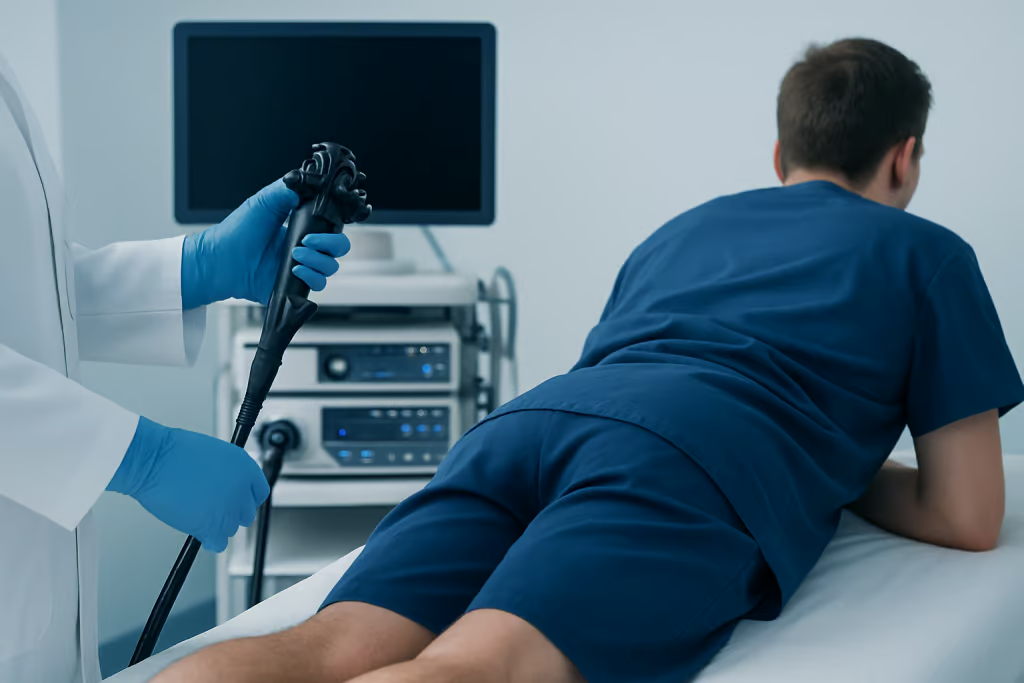
One of the most common causes is a hemorrhoid. Hemorrhoids are swollen veins in or around the anus and lower rectum. External hemorrhoids may feel like soft or tender lumps near the anal opening, especially after straining. If a hemorrhoid forms a clot, called a thrombosed hemorrhoid, it may become suddenly painful, firm, and bluish or purple in color.
Anal skin tags are another frequent cause. These are small, soft flaps of excess skin that may remain after a healed hemorrhoid or fissure, or develop with friction and irritation. Skin tags are usually harmless and painless, though they may cause hygiene difficulties, rubbing, or itching.
Other possible causes include an anal fissure with a small sentinel skin tag, a blocked or infected gland, and a perianal abscess. An abscess usually causes increasing pain, swelling, redness, and sometimes fever or drainage. Viral warts caused by human papillomavirus can also appear as multiple small bumps. Less commonly, inflammatory bowel disease, cysts, fistulas, or tumors may present as an anal lump, which is why ongoing or unusual symptoms should not be self-diagnosed.
Symptoms that help distinguish the cause
The way the bump feels can offer clues. A soft, painless flap is more suggestive of a skin tag. A tender swollen lump after straining may point to an external hemorrhoid. A firm, suddenly painful lump may indicate a thrombosed hemorrhoid. If there is throbbing pain, warmth, redness, or pus, an abscess becomes more likely and often needs prompt care.
Associated symptoms are just as important as the lump itself. Bright red blood on toilet paper or in the bowl can occur with hemorrhoids or fissures. Sharp pain during bowel movements followed by lingering discomfort may suggest an anal fissure. Itching, moisture, or irritation can happen with skin tags, hemorrhoids, or dermatitis. Multiple rough or cauliflower-like bumps may suggest anal warts.
It is also helpful to note how long symptoms have lasted and whether they change. A lump that comes and goes with bowel strain may behave differently from one that steadily enlarges. Doctors may ask about bowel habits, constipation, diarrhea, pregnancy, heavy lifting, past anorectal problems, sexual history when relevant, and any family history of colorectal disease.
- Painful and sudden: consider thrombosed hemorrhoid or abscess
- Soft and stable: consider skin tag
- Bleeding with bowel movements: consider hemorrhoids or fissure
- Drainage or fever: consider infection or abscess
- Persistent or changing lump: needs medical evaluation
Risk factors and triggers
Anything that increases pressure in the rectal and anal area can contribute to a bump on anus, especially when hemorrhoids are involved. Common triggers include constipation, repeated straining, sitting on the toilet for long periods, chronic diarrhea, pregnancy, obesity, and heavy lifting. A low-fiber diet and inadequate fluid intake may also make bowel movements harder and more irritating.
Skin irritation can also play a role. Excess moisture, harsh wiping, fragranced wipes, tight clothing, shaving, and friction may contribute to local inflammation or skin tag discomfort. Infections and abscesses may develop when small glands become blocked or bacteria enter tiny breaks in the skin. People with diabetes, weakened immunity, or inflammatory bowel disease may be more prone to certain anorectal problems.
Some less common causes have their own risk patterns. Anal warts are related to HPV exposure. Fistulas may follow an abscess. Persistent symptoms in an older adult, unexplained weight loss, or a lump associated with ongoing bleeding may lead a doctor to investigate more serious conditions. The goal is not to assume the worst, but to identify the cause accurately and treat it appropriately.
How doctors diagnose a bump on anus
Diagnosis usually begins with a careful history and physical examination. A doctor will ask when the bump started, whether it hurts, whether there is bleeding or discharge, and how bowel habits have changed. The examination often includes looking at the skin around the anus and gently feeling the area. This alone may identify common causes such as hemorrhoids, fissures, skin tags, or an abscess.
If needed, the doctor may perform a digital rectal exam or use a short lighted instrument called an anoscope to inspect the anal canal. These tests help check for internal hemorrhoids, fissures, inflammation, or other lesions. Further evaluation may be recommended if bleeding is unexplained, if symptoms recur, or if there are concerns about conditions higher in the rectum or colon.
Additional tests are not required for every patient. However, they may be useful when the diagnosis is uncertain or when warning signs are present. Depending on the situation, a doctor may suggest tests related to anal fissure, inflammatory bowel disease, infection, or colorectal disorders. Early assessment often prevents prolonged discomfort and helps avoid using the wrong self-treatment.
Treatment options based on the cause
Treatment for a bump on anus depends on what is causing it. Hemorrhoids often improve with gentle self-care: increasing fiber, drinking enough fluids, avoiding straining, taking warm sitz baths, and using doctor-recommended topical products when appropriate. If symptoms persist, office-based or surgical care may be considered. In selected patients, treatment may include hemorrhoid surgery when symptoms are severe or recurrent.
Skin tags usually do not need treatment unless they cause repeated irritation, hygiene problems, or discomfort. Removal may be considered after a doctor confirms the diagnosis. Anal fissures may be treated with stool-softening strategies, sitz baths, and medicines that help the sphincter muscle relax. Certain long-lasting fissures may require procedures, including anal fissure surgery in appropriate cases.
An abscess often needs urgent drainage rather than home care alone, because antibiotics by themselves may not fully treat a pocket of infection. If a tunnel forms between the anal canal and skin, this is called a fistula, and treatment may involve anal fistula surgery. Anal warts, cysts, and other growths are managed according to their specific cause. Near the end of the care pathway, some patients may seek evaluation at centers such as Acibadem International, where multidisciplinary specialists in JCI-accredited hospitals diagnose and treat anorectal conditions for international patients.
Self-care, prevention, and habits that support healing
For many mild anorectal problems, bowel habits are the most important part of prevention. A balanced, fiber-rich diet can help stools stay soft and easier to pass. Adequate fluids, regular physical activity, and responding to the urge to have a bowel movement without long delays may also reduce strain. Many doctors advise avoiding prolonged sitting on the toilet and trying not to push excessively.
Gentle hygiene is equally helpful. Washing with water, patting dry rather than rubbing, and avoiding perfumed soaps or wipes may reduce irritation. Loose, breathable clothing can improve comfort if the area is moist or chafed. Sitz baths may ease discomfort from hemorrhoids or fissures, but they are supportive care rather than a replacement for diagnosis when symptoms are significant.
Self-treatment should be used carefully. Not every lump is a hemorrhoid, and strong over-the-counter products can sometimes irritate the skin. A person should avoid trying to cut, squeeze, or pop an anal bump. If symptoms are recurrent, painful, or uncertain, medical advice is the best next step.
When to seek medical care
A prompt medical review is important if a bump on anus is very painful, gets larger quickly, bleeds heavily, or is associated with fever, chills, pus, or difficulty sitting. These features may suggest a thrombosed hemorrhoid, abscess, or another condition that needs timely treatment. Care is also important if there is black stool, ongoing rectal bleeding, unexplained weight loss, or a family history that increases concern for colorectal disease.
Even without emergency signs, a new anal lump that lasts more than a short time should be assessed if the diagnosis is unclear. This is especially true when the bump is firm, recurrent, changing in shape, or accompanied by bowel habit changes. A doctor can confirm whether the cause is benign and advise on the safest treatment rather than relying on guesswork.
People should seek urgent care for severe pain, spreading redness, or drainage that suggests infection. In children, pregnant people, older adults, and those with immune problems, early assessment may be especially helpful. Most causes of an anal bump are manageable, and a timely exam often brings reassurance as well as relief.
Frequently asked questions
Is a bump on anus always a hemorrhoid?
No. Hemorrhoids are common, but a bump on anus can also be a skin tag, fissure-related tag, abscess, wart, cyst, or another condition. Because several causes look similar, a doctor may need to examine the area to confirm the diagnosis.
Can a bump on anus go away on its own?
Some can. Mild hemorrhoid swelling or irritation may improve with time and simple self-care, while a skin tag may stay present but cause no harm. However, painful, infected, or persistent lumps usually need medical evaluation.
What does a thrombosed hemorrhoid feel like?
A thrombosed hemorrhoid often causes sudden pain and a firm lump near the anus. The area may look swollen and darker than the surrounding skin. Although it is not usually dangerous, it can be very uncomfortable and may need treatment.
Should a painful anal bump be treated at home first?
Mild discomfort can sometimes be managed briefly with warm baths, hydration, and avoiding straining. But severe pain, fever, drainage, or fast-growing swelling should not be managed at home alone. Those symptoms can suggest an abscess or another problem that needs prompt care.
Are anal skin tags dangerous?
Anal skin tags are usually harmless and noncancerous. They are small folds of skin that may remain after inflammation or swelling has healed. Treatment is not always needed unless they cause discomfort, hygiene difficulties, or repeated irritation.
When should bleeding with a bump on anus be checked by a doctor?
Any unexplained rectal bleeding should be discussed with a doctor, especially if it recurs. Urgent assessment is more important if bleeding is heavy, associated with dizziness, black stools, weight loss, or changes in bowel habits. A professional exam helps determine whether the cause is hemorrhoids or something else.
References
- National Institute of Diabetes and Digestive and Kidney Diseases
- American Society of Colon and Rectal Surgeons
- Mayo Clinic
- National Health Service
- MedlinePlus
This article is for general information only and is not a substitute for professional medical advice. Please consult a qualified doctor about your individual situation.
Persistent digestive symptoms? Get evaluated in Turkey
JCI-accredited · board-certified surgeons · reply within 24h
Add us as a Preferred Source to see more of our trusted health content across Google Search, AI Overviews and Discover.

More from the Health Library



Related Specialists

Assoc. Prof. Dr. Şafak Yıldırım Dişli
Medical Oncology
Prof. Dr. Dilaver Erşanlı
Ophthalmology
Dr. Mehmet Meriç
Gastroenterology
Assoc. Prof. Dr. Lütfiye Uygur
Gynecology & Obstetrics