

Bump on Side of Foot: An Evidence-Based Guide for Patients

A bump on side of foot is a symptom, not a diagnosis, and the exact cause depends on its location and features. Common causes include bunionette, ganglion cyst, callus, bursitis, injury-related swelling, and arthritis-related changes.
Key Takeaways
- A bump on side of foot is a symptom, not a diagnosis, and the exact cause depends on its location and features.
- Common causes include bunionette, ganglion cyst, callus, bursitis, injury-related swelling, and arthritis-related changes.
- Supportive shoes, activity changes, and pressure relief may help some bumps, but persistent or painful lumps should be assessed by a doctor.
- Imaging such as X-ray or ultrasound may be used when the diagnosis is unclear or an injury is suspected.
- Urgent medical review is important if the bump is rapidly growing, very red, hot, severely painful, or associated with fever or inability to bear weight.
A bump on side of foot can have several causes, including a bunionette, ganglion cyst, callus, soft-tissue swelling, or less commonly an injury-related or inflammatory problem. The most helpful next step is to look at where the bump sits, whether it is painful, and whether it changes with shoes, activity, or time.
Overview: What a Bump on Side of Foot May Mean
A bump on side of foot is usually caused by a structural change, soft-tissue swelling, skin thickening, or a small fluid-filled sac rather than a serious disease. In many people, the cause is mechanical pressure from footwear, foot shape, overuse, or irritation around a joint or tendon.
The outside edge of the foot near the little toe is a common place for a bunionette, also called a tailor’s bunion. Other bumps can form higher along the side of the foot and may reflect a ganglion cyst, a callus, bursitis, a prominence of bone, or swelling after a sprain. The inside edge of the foot can also develop a visible bump, especially with conditions such as bunions.
Because several conditions can look similar, self-diagnosis is not always reliable. Paying attention to the exact location, whether the bump is hard or soft, whether it moves, and whether it is linked to footwear or activity can help guide evaluation.
Common Symptoms and Clues to the Cause
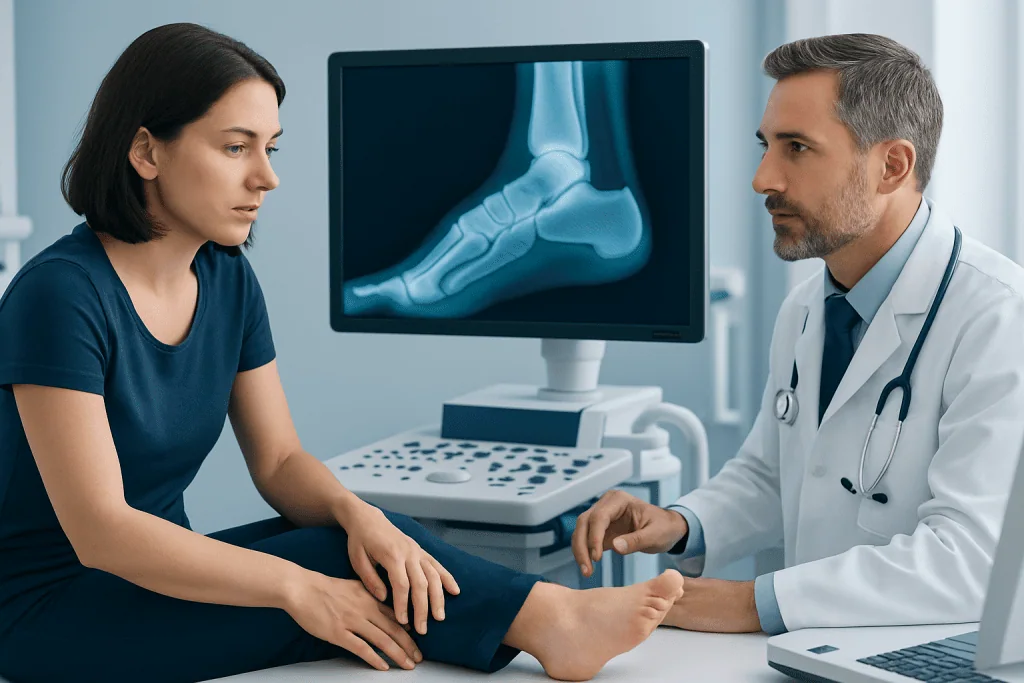
Some side-of-foot bumps are painless and noticed only when shoes begin to rub. Others cause aching, burning, tenderness, or a sense of pressure when walking. A hard bump near a joint may suggest a bony prominence, while a softer or more mobile bump may point toward a cyst or localized swelling.
Skin changes also matter. Thickened yellowish skin may indicate a callus caused by friction, especially if the bump seems more superficial. Redness and warmth can occur with inflammation such as bursitis, but they can also raise concern for infection or a gout flare if there is sudden pain.
Helpful questions include:
- Is the bump on the outer side near the little toe, midfoot, or heel?
- Did it appear gradually or after an injury?
- Does it hurt more in tight shoes or after long periods of standing?
- Is it getting larger, changing shape, or limiting walking?
These details can help a clinician narrow the possibilities and decide whether simple treatment or further testing is needed.
Possible Causes of a Bump on the Side of the Foot

A bunionette is one of the best-known causes of a bump on the outer side of the foot. It forms at the base of the little toe and can be linked to foot shape, pressure from narrow footwear, and altered walking mechanics. It may become inflamed and sore if shoes repeatedly rub the area.
Ganglion cysts are another common cause. These benign, fluid-filled lumps can arise near joints or tendon sheaths and may feel smooth and rounded. They sometimes vary in size over time and can be uncomfortable if they press on nearby tissues.
Other causes include calluses, bursitis, arthritis-related bone changes, bone spurs, and swelling from a previous sprain or overuse injury. People with inflammatory joint disease may notice tenderness and multiple affected joints. In some cases, a side-of-foot lump may be associated with a structural foot issue or a less common bone condition, which is why persistent symptoms deserve assessment.
Less often, a lump may reflect a fracture callus after injury, a tendon problem, or another localized growth. Most bumps are not dangerous, but any mass that grows quickly, feels fixed, or causes night pain should be examined promptly.
Risk Factors and Everyday Triggers
Footwear is one of the most important contributors. Shoes with a narrow toe box or a stiff sidewall can increase pressure over the little toe joint or other bony areas. Repetitive friction may worsen swelling, bursitis, or callus formation over time.
Foot structure also plays a role. Some people naturally place more weight along the outer edge of the foot, while others have toe alignment changes or arch differences that alter pressure distribution. These patterns can make bony prominences more noticeable and symptoms more likely.
Activity level matters as well. Running, long walks, standing-based jobs, and sports involving side-to-side movement may aggravate an existing bump. Previous ankle or foot injuries can also change mechanics and lead to persistent irritation in one area.
Medical conditions such as osteoarthritis, inflammatory arthritis, diabetes, or poor circulation may complicate healing and increase the need for professional foot evaluation. For people with diabetes, even a seemingly minor bump or pressure area should be taken seriously because skin breakdown can develop more easily.
How Doctors Diagnose the Problem
Diagnosis starts with a history and physical examination. A doctor will ask when the bump appeared, whether it has changed in size, what makes it better or worse, and whether there has been recent trauma. The foot is then examined for tenderness, joint alignment, skin changes, warmth, and how the patient walks.
The location of the bump often provides the biggest clue. A bump at the base of the little toe is different from one along the midfoot or near the ankle. The clinician may also check whether the lump is hard or soft, whether it transilluminates, and whether it seems attached to bone, skin, or soft tissue.
X-rays are commonly used if a bony problem, deformity, arthritis, or fracture is suspected. Ultrasound can help assess soft-tissue masses such as cysts, while MRI may be recommended if symptoms persist or the diagnosis remains uncertain. When advanced imaging is needed, MRI can provide a detailed view of bones, joints, tendons, and soft tissues.
If there are signs of infection, inflammatory disease, or gout, blood tests may be considered. The goal is not only to identify the lump but also to understand why it formed and whether it is affecting foot function.
Treatment Options and What Usually Helps
Treatment depends on the cause. For many pressure-related bumps, the first steps are conservative: changing to shoes with a wider toe box, using protective padding, reducing friction, and temporarily modifying activities that worsen symptoms. Ice and short-term pain relief may be recommended by a clinician when inflammation is present.
If the problem is a bunionette or another structural deformity, custom insoles or orthotics may help redistribute pressure. Physical therapy can also be useful when foot mechanics, muscle tightness, or gait patterns contribute to ongoing irritation. If a soft-tissue lump needs further assessment or targeted care, an orthopedic specialist may consider options available through orthopedic evaluation and treatment.
Some conditions need more specific treatment. A ganglion cyst may simply be monitored if it is small and not painful, while persistent cysts can sometimes require aspiration or surgery. Significant deformity, chronic pain, or repeated shoe intolerance may lead to a discussion of surgical correction. For selected patients, bunion surgery or related forefoot procedures may be part of care planning when conservative measures do not provide enough relief.
The right treatment is the one matched to the diagnosis. Attempting to cut, puncture, or drain a foot lump at home is not safe, as this can lead to infection, skin damage, or delayed diagnosis.
Prevention and Self-Care at Home
Prevention focuses mainly on reducing pressure and repeated irritation. Choosing shoes that fit the widest part of the foot, with enough room for the toes and a soft upper material, can make a meaningful difference. Shoes should feel comfortable at the time of purchase rather than needing to be “broken in.”
People who stand or walk for long periods may benefit from cushioned insoles and regular shoe replacement. If a particular activity repeatedly causes rubbing or swelling, temporary adjustment of duration or intensity can allow the area to settle. Moisturizing dry skin and managing calluses carefully can also reduce discomfort, although deep trimming at home is not advised.
Weight management, stretching, and strengthening exercises may support overall foot mechanics in some cases, especially when there is recurrent pressure over one side of the foot. A podiatrist or orthopedic clinician can advise whether orthotics or gait changes are likely to help.
Near the end of the care pathway, some patients may seek specialist support abroad. Acibadem International’s multidisciplinary specialists in JCI-accredited hospitals diagnose and treat foot conditions for international patients when further evaluation is needed.
When to Seek Medical Care
Medical advice is recommended if a bump on side of foot lasts more than a few weeks, becomes increasingly painful, makes shoes difficult to wear, or affects walking. A clinician should also assess bumps that return repeatedly after self-care or are associated with numbness, tingling, or visible deformity.
More urgent care is needed if the area becomes very red, hot, markedly swollen, or suddenly much more painful. Fever, drainage, inability to bear weight, or a bump that develops after a significant injury are also reasons for prompt evaluation. These features may suggest infection, fracture, or another problem that should not be managed at home.
People with diabetes, peripheral vascular disease, or reduced sensation in the feet should seek medical review sooner rather than later. Even small pressure areas can progress if they are not identified and treated early.
Frequently asked questions
What is the most common cause of a bump on side of foot?
A common cause is a bunionette, especially when the bump is on the outer side near the base of the little toe. Other frequent causes include a ganglion cyst, callus, bursitis, or irritation from footwear.
Can a bump on the side of the foot go away on its own?
Some bumps improve if they are caused by temporary swelling, friction, or mild inflammation. However, structural bumps or persistent cysts often remain unless the underlying cause is addressed.
How can someone tell if the bump is a bunionette or a cyst?
A bunionette is usually a firmer bump over the joint at the base of the little toe and often becomes irritated in tight shoes. A cyst may feel smoother or softer, may move slightly under the skin, and can change in size over time.
Should a painful foot lump be massaged or drained at home?
No. Pressing hard on the lump, puncturing it, or trying to drain it at home can cause infection or worsen the problem. A doctor should evaluate any lump that is painful, enlarging, or unclear in cause.
Do all bumps on the side of the foot need imaging?
Not always. Many bumps can be assessed through history and physical examination first. Imaging such as X-ray or ultrasound is usually considered if there is concern for a bone problem, injury, persistent symptoms, or an uncertain diagnosis.
When is a bump on side of foot an emergency?
Emergency or urgent evaluation is important if there is severe pain, rapid swelling, fever, spreading redness, drainage, or inability to walk after an injury. These signs can suggest infection, fracture, or another condition that needs prompt treatment.
References
- American Academy of Orthopaedic Surgeons
- American Podiatric Medical Association
- National Institute of Arthritis and Musculoskeletal and Skin Diseases
- NHS
- Mayo Clinic
This article is for general information only and is not a substitute for professional medical advice. Please consult a qualified doctor about your individual situation.
Joint and spine care in Turkey — expert assessment & treatment
JCI-accredited · board-certified surgeons · reply within 24h
Add us as a Preferred Source to see more of our trusted health content across Google Search, AI Overviews and Discover.

More from the Health Library



Related Specialists

Dr. Bülent Şengül
Gastroenterology
Prof. Dr. Muzaffer Metintaş
Pulmonary Medicine
Dt. Bensu Buket Yel
Oral & Dental Health
Dr. Iretıola Oluwakanyınsola Albert
Inpatient Clinic Physicians