Banana for Sleeplessness: An Evidence-Based Guide for Patients
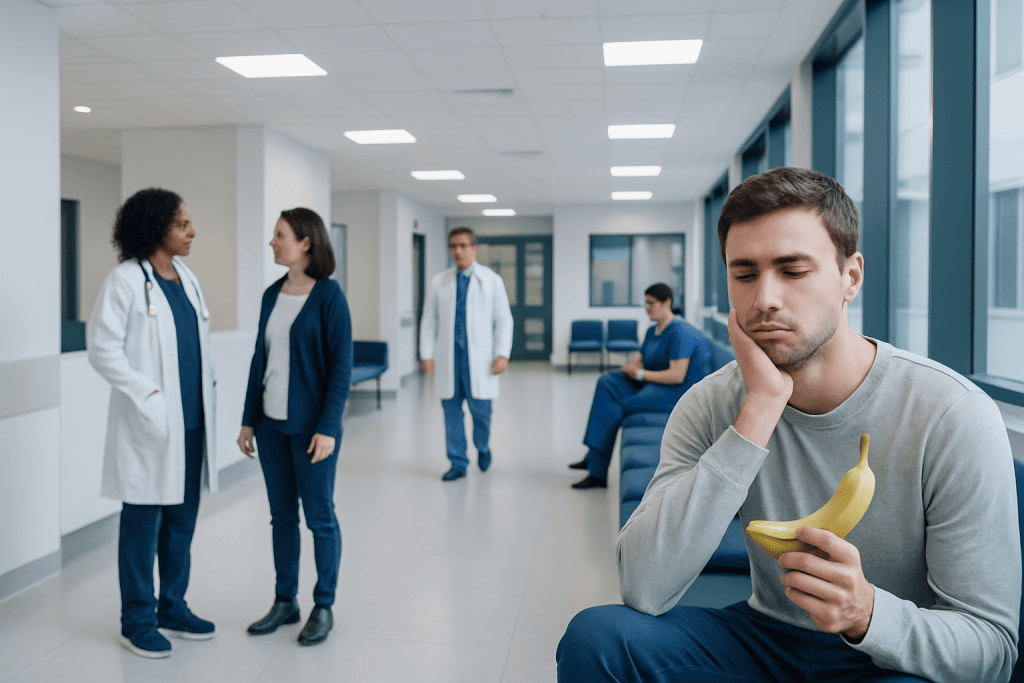
Bananas contain carbohydrates, potassium, magnesium, and small amounts of tryptophan, but research has not shown that eating a banana treats insomnia. A small banana may suit people who are hungry before bed, particularly if it replaces a heavy, spicy, or high-sugar snack.
Key Takeaways
- Bananas contain carbohydrates, potassium, magnesium, and small amounts of tryptophan, but research has not shown that eating a banana treats insomnia.
- A small banana may suit people who are hungry before bed, particularly if it replaces a heavy, spicy, or high-sugar snack.
- Persistent trouble falling asleep, staying asleep, or functioning during the day deserves medical assessment rather than reliance on a single food.
- People with diabetes, kidney disease, or medically restricted potassium intake should ask a clinician how bananas fit into their diet.
- Consistent sleep and wake times, a calming pre-bed routine, and reduced evening caffeine are more evidence-based approaches to sleep problems.
A banana for sleeplessness may be a reasonable light bedtime snack for some people, but there is no strong evidence that bananas can treat insomnia or reliably make a person sleep. Better sleep usually depends more on regular routines, daytime habits, stress management, and identifying medical or sleep-related causes.
Can a Banana Help With Sleeplessness?
A banana for sleeplessness can be a simple, nourishing snack, but it should not be viewed as a sleep treatment. Bananas provide carbohydrate, potassium, magnesium, vitamin B6, and small amounts of tryptophan. These nutrients have roles in normal nerve function, muscle function, and the body’s pathways involved in sleep regulation, yet this does not mean that one banana will reliably cause sleepiness or resolve insomnia.
Research on individual foods and sleep is limited, and there are no high-quality clinical studies showing that bananas alone improve insomnia. Some people may feel more comfortable settling to sleep after a light snack if hunger is keeping them awake. Others may notice no change. The effect is likely to depend on the person’s overall diet, usual sleep habits, stress level, health conditions, and the real reason sleep is disrupted.
For most people, a banana is safe as part of a balanced evening routine. However, ongoing sleeplessness is rarely explained by a lack of one nutrient or one food. A broader approach that considers sleep timing, caffeine, alcohol, emotional wellbeing, pain, medications, and possible sleep disorders is more useful.
Why Bananas Are Sometimes Linked to Better Sleep

Bananas are often discussed as a bedtime food because they contain several nutrients associated with normal sleep biology. Tryptophan is an amino acid the body uses to make serotonin and melatonin, chemicals involved in regulating sleep and wakefulness. However, the amount of tryptophan in a banana is modest, and dietary tryptophan does not automatically translate into a meaningful rise in melatonin or better sleep.
The carbohydrate in a banana may also matter for some people. Carbohydrate-containing foods can influence how amino acids enter the brain, and a small snack may reduce discomfort from hunger. Still, eating too much close to bedtime may cause bloating, reflux, or blood sugar fluctuations in susceptible individuals, which can interfere with sleep rather than help it.
Potassium and magnesium support normal muscle and nerve activity. Low levels of these minerals can occur for many reasons and may contribute to symptoms such as muscle cramps, but a person should not assume that sleep difficulty is caused by a deficiency. Supplements or major dietary changes are best discussed with a healthcare professional when deficiency is suspected.
Vitamin B6 helps the body process certain amino acids and supports normal nervous system function. Yet foods containing vitamin B6, including bananas, have not been proven to work as a standalone treatment for chronic sleep problems. It is more accurate to consider bananas a healthy food option, rather than a natural sedative.
How to Try a Banana Before Bed Sensibly

If a person is hungry in the evening, they may try a small banana about one to two hours before bedtime. This timing can allow digestion to begin before lying down. A banana may be especially practical when it replaces a large meal, dessert, caffeinated drink, or highly processed snack that could make sleep more difficult.
Some people prefer to combine a banana with a small source of protein or healthy fat, such as plain yogurt, a little nut butter, or a few nuts, if these foods suit their dietary needs. This can make the snack more satisfying. There is no need to eat a large portion, and there is no proven “best” banana recipe for sleep.
It can be helpful to observe patterns rather than expecting an immediate result. Keeping a brief sleep diary for one or two weeks may show whether an evening snack, caffeine, alcohol, exercise timing, screen use, or bedtime consistency is affecting sleep. The diary can include bedtime, wake time, awakenings, naps, meals, drinks, and how rested the person feels the following day.
A person with gastroesophageal reflux, frequent nighttime indigestion, or bloating may do better avoiding food shortly before lying down. Individual tolerance matters. If bananas cause digestive discomfort or do not seem helpful, there is no reason to continue using them as a sleep strategy.
Who Should Be Cautious With Evening Bananas?
Bananas are generally nutritious, but they are not suitable in the same way for everyone. People with diabetes or prediabetes can often include fruit in their eating plan, but portion size and the overall meal pattern are important. Pairing a banana with protein or fat may be helpful for some people, while others may need more individualized nutrition advice.
People with chronic kidney disease, high potassium levels, or a potassium-restricted diet should ask their kidney specialist or dietitian before regularly increasing banana intake. Bananas contain potassium, and potassium balance can be medically important when kidney function is reduced or when certain medications are used.
Anyone with a known banana allergy should avoid bananas. Although uncommon, allergy symptoms can include itching, hives, swelling, wheezing, vomiting, or dizziness. Urgent medical care is needed for breathing difficulty, swelling of the mouth or throat, or signs of a severe allergic reaction.
Some medicines can affect sleep, appetite, blood sugar, or potassium levels. Rather than changing food habits to manage troublesome insomnia, a person should review persistent symptoms and their medicines with a qualified clinician. They should not stop prescribed medication without medical advice.
Sleep Habits With Stronger Evidence
For occasional sleeplessness, the most useful measures are often behavioral. Keeping a regular wake-up time every day helps strengthen the body’s internal clock. Going to bed when genuinely sleepy, rather than spending long periods awake in bed, can also reduce the association between bed and frustration.
During the day, regular physical activity and exposure to natural daylight can support healthy sleep timing. In the evening, it is usually helpful to reduce caffeine, nicotine, and alcohol. Caffeine may affect sleep for many hours, while alcohol can make a person feel sleepy initially but often disrupts sleep later in the night.
A calming routine during the hour before bed can be beneficial. This may include dimming lights, reading something relaxing, listening to quiet music, gentle stretching, or practicing slow breathing. Reducing bright screens and emotionally demanding activities may help the brain transition toward sleep, although the best routine is one that is realistic and consistent.
For chronic insomnia, cognitive behavioral therapy for insomnia, often called CBT-I, is a well-supported first-line treatment. It addresses thoughts and habits that can maintain insomnia and is different from simply receiving general sleep tips. A clinician can help determine whether insomnia treatment, mental health support, medication review, or assessment for another sleep disorder is appropriate.
Sleeplessness May Have Other Causes
Sleep difficulty can be short-term, such as during travel, illness, grief, work pressure, or a change in routine. It can also become persistent. Common contributors include anxiety, depression, chronic pain, reflux, asthma symptoms, frequent urination, menopause-related symptoms, medication effects, and irregular work schedules.
Some sleep disorders need targeted assessment and treatment. Obstructive sleep apnea may cause loud snoring, pauses in breathing, choking or gasping during sleep, morning headaches, and daytime sleepiness. Restless legs syndrome can cause an uncomfortable urge to move the legs in the evening or at night. These concerns are unlikely to be resolved with dietary changes alone.
People who have trouble sleeping may also develop unhelpful compensatory habits, such as taking long naps, spending extra hours in bed, or using alcohol to fall asleep. These strategies can worsen the pattern over time. Identifying the underlying cause is an important part of improving sleep safely and sustainably.
When sleep concerns require specialist evaluation, Acibadem International’s multidisciplinary specialists and JCI-accredited hospitals diagnose and treat sleep-related conditions for international patients. An assessment may include a medical history, medication review, sleep diary, physical examination, and, when needed, sleep testing.
When to Seek Medical Care
A person should arrange a medical appointment if sleep problems occur at least several nights a week, last for several weeks, or affect concentration, mood, work, driving, or daily functioning. A clinician can review possible physical, emotional, and lifestyle contributors and recommend appropriate next steps.
Medical assessment is particularly important for loud snoring with breathing pauses, waking gasping for air, severe daytime sleepiness, repeated leg discomfort at night, persistent low mood, panic symptoms, or chronic pain that interferes with sleep. Children, pregnant people, older adults, and people with complex medical conditions may also benefit from individualized advice.
Urgent care is appropriate if sleeplessness is accompanied by thoughts of self-harm, severe confusion, hallucinations, chest pain, significant shortness of breath, or symptoms of a serious allergic reaction. In these situations, a person should seek emergency help in their local area rather than trying home remedies.
A banana can remain part of a healthy diet, but it should not delay evaluation of persistent or concerning symptoms. The goal is not simply to fall asleep more quickly on one night, but to understand and improve the factors supporting long-term restorative sleep.
Frequently asked questions
Does eating a banana before bed help a person sleep?
A banana may help if a person is mildly hungry and finds a light snack relaxing before bed. However, there is no strong evidence that bananas treat insomnia or reliably improve sleep quality. Sleep habits and underlying health factors usually have a greater effect.
What is the best time to eat a banana for sleeplessness?
If a person wants to try one, having a small banana about one to two hours before bed is reasonable. This may be more comfortable than eating immediately before lying down. People with reflux or bloating may prefer to avoid late-night snacks.
Do bananas contain melatonin?
Bananas contain nutrients involved in normal sleep-related pathways, including small amounts of tryptophan and vitamin B6. They are not a reliable source of melatonin in the way a prescribed or regulated melatonin product is intended to be. Their sleep effect, if any, is likely to be modest and individual.
Can people with diabetes eat bananas at night?
Many people with diabetes can include bananas in a balanced eating plan, but portions and timing should be individualized. A person may wish to pair fruit with protein or healthy fat and monitor how foods affect their glucose levels if advised by their care team. A doctor or registered dietitian can provide personalized guidance.
Can a banana worsen sleep?
For most people, a banana is unlikely to worsen sleep. However, eating any food too close to bedtime may trigger reflux, fullness, or bloating in some individuals. A large snack or a snack that does not suit a person’s medical diet may also be unhelpful.
When is sleeplessness considered insomnia?
Insomnia involves ongoing difficulty falling asleep, staying asleep, or waking earlier than desired despite having the opportunity to sleep. It becomes clinically important when it causes daytime distress or reduced functioning. A healthcare professional can assess whether symptoms represent short-term sleep disruption, chronic insomnia, or another condition.
References
- American Academy of Sleep Medicine
- National Heart, Lung, and Blood Institute
- National Institute of Diabetes and Digestive and Kidney Diseases
- National Institutes of Health Office of Dietary Supplements
- Academy of Nutrition and Dietetics
This article is for general information only and is not a substitute for professional medical advice. Please consult a qualified doctor about your individual situation.
Explore treatments in Turkey — costs, top hospitals & a free quote
JCI-accredited · board-certified surgeons · reply within 24h
Add us as a Preferred Source to see more of our trusted health content across Google Search, AI Overviews and Discover.

More from the Health Library



Related Specialists

Dr. Rafıga Gasımova
Gynecology & Obstetrics
Prof. Dr. Namık Şahin
Orthopedic Surgery & Traumatology
Asst. Prof. Dr. Hilal Kurtoğlu Gümüşel
Cardiology
Dr. Zeynep Göksu Saydam
Emergency Service