Subq Emphysema: A Complete Medical Overview

Subq emphysema is air trapped beneath the skin, not an infection or a type of emphysema caused by smoking. It most often affects the chest, neck or face and may feel crackly or bubbly under the fingers.
Key Takeaways
- Subq emphysema is air trapped beneath the skin, not an infection or a type of emphysema caused by smoking.
- It most often affects the chest, neck or face and may feel crackly or bubbly under the fingers.
- A chest injury, lung air leak, medical procedure or, less commonly, infection can allow air to enter soft tissues.
- The condition may resolve as the body reabsorbs the air, but the underlying cause may need urgent treatment.
- Breathing difficulty, chest pain, rapidly spreading swelling or symptoms after trauma require immediate medical assessment.
Subq emphysema, short for subcutaneous emphysema, occurs when air becomes trapped in the layer of tissue beneath the skin. It can cause swelling and a crackling sensation when touched; treatment focuses on finding and managing the source of the air leak.
What Is Subq Emphysema?
Subq emphysema is a commonly used abbreviation for subcutaneous emphysema, a condition in which air enters the tissue just beneath the skin. The air may be felt as soft swelling, and pressing on the area can produce a distinctive crackling feeling called crepitus. It most commonly develops around the chest, collarbone, neck, and face, although it can spread to other areas depending on the cause.
Despite the name, subq emphysema is different from pulmonary emphysema, a chronic lung disease in which air sacs are damaged. Subcutaneous emphysema describes where the air has collected rather than a long-term lung diagnosis. It is a physical sign that prompts clinicians to look for the route by which air has escaped into surrounding tissues.
Some cases are small and resolve without a specific procedure once the cause is controlled. However, subq emphysema can also occur with significant chest injury or an air leak around the lungs, so it should be assessed by a healthcare professional, particularly when it begins suddenly or is accompanied by breathing symptoms.
How It Feels and What It May Look Like
The most characteristic symptom is swelling under the skin that feels unusual to the touch. People may notice a crackling, popping, or rice-crispies-like sensation when they move the skin or press gently on the affected area. The skin itself often looks normal, although swelling can make the neck, upper chest, eyelids, or face appear puffy.
Symptoms depend largely on the amount and location of trapped air. Mild cases may cause little more than tenderness, a feeling of fullness, or visible swelling. If air reaches the neck or face, a person may notice voice changes, difficulty opening the eyes because of eyelid swelling, or discomfort when swallowing.
Subq emphysema does not always cause shortness of breath itself. Yet breathlessness, chest pain, cough, fast breathing, or low oxygen levels may signal the underlying problem, such as a collapsed lung, injury to the airways, or air in the central chest. These symptoms need prompt medical attention rather than observation at home.
- Swelling of the chest, neck, face, or around a wound
- Crackling or crunching sensation beneath the skin
- Chest discomfort, cough, or change in voice
- Breathlessness or worsening symptoms when the underlying cause is serious
Why Air Can Get Under the Skin
Air normally remains inside the lungs and airways. Subcutaneous emphysema develops when air escapes from an airway, lung, or another air-containing structure and travels through tissue planes under the skin. The body’s soft tissues can allow air to spread beyond the initial site, which is why swelling may appear to extend over hours.
Chest trauma is an important cause. Rib fractures, penetrating injuries, or strong blunt force can injure the lung or chest wall and allow air to leak. A pneumothorax, often called a collapsed lung, may occur at the same time. Severe coughing, intense vomiting, or pressure changes can rarely contribute to an air leak, particularly when there is an underlying lung condition.
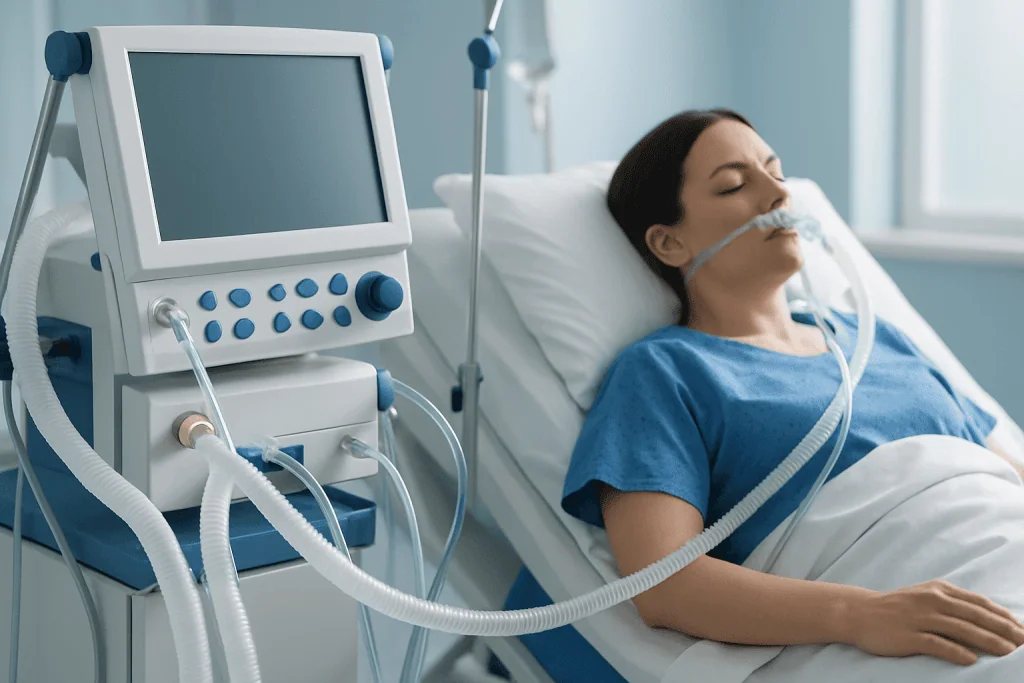
Subq emphysema can also occur after medical procedures involving the chest, lungs, neck, face, or digestive tract. Examples include chest tube placement, lung surgery, mechanical ventilation, bronchoscopy, dental procedures, and some endoscopic examinations. In these situations, clinicians monitor symptoms carefully because the finding may be expected and limited, or it may indicate a complication that needs treatment.
Less commonly, certain severe infections can produce gas in soft tissue. These infections usually cause substantial pain, skin changes, fever, or systemic illness and are medical emergencies. A clinician considers this possibility alongside the person’s symptoms, examination findings, medical history, and imaging results.
Assessment and Diagnosis
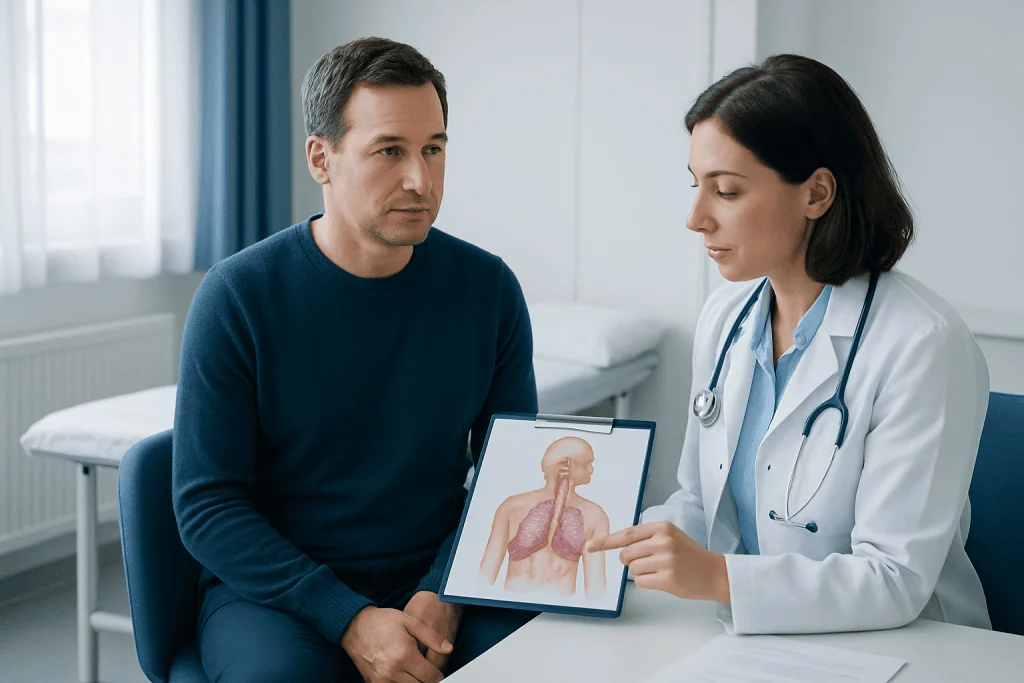
Diagnosis begins with a medical history and physical examination. The clinician asks when swelling started, whether there has been an injury or recent procedure, and whether symptoms such as chest pain, cough, fever, swallowing difficulty, or breathlessness are present. Feeling crepitus beneath the skin can strongly suggest subcutaneous emphysema, but identifying its source is equally important.
A chest X-ray is commonly used to look for air around the lungs, changes in the lungs, rib injuries, or air in the tissues. A computed tomography (CT) scan may provide a more detailed view of the chest, neck, or abdomen when the cause is uncertain, the air has spread extensively, or a more serious injury is possible. In selected circumstances, additional tests may evaluate the airways or esophagus.
Healthcare teams also monitor oxygen levels, breathing rate, heart rate, blood pressure, and the progression of swelling. Blood tests may be appropriate if infection, major injury, or another illness is suspected. The urgency of care is guided by the underlying cause and the person’s overall condition, not just by the visible amount of swelling.
It is helpful to tell the clinician about lung disease, recent surgery, use of assisted breathing equipment, chest procedures, or trauma. This information can narrow the possible causes and support timely decisions about observation, imaging, or treatment.
Treatment Options and Recovery
Treatment for subq emphysema is directed at the source of the escaping air. If the air collection is small, the person is stable, and testing does not identify a dangerous cause, clinicians may recommend observation and repeat examinations or imaging. The trapped air is gradually absorbed by the body, often over days to weeks, although recovery time varies with the cause and amount of air present.
Supplemental oxygen may be used in hospital settings for people who need it, including those with low oxygen levels or certain significant air leaks. Oxygen can also help the body absorb air in some circumstances, but it should be prescribed and monitored by clinicians. It is not a substitute for evaluating chest pain or breathing problems.
If a pneumothorax or persistent air leak is present, treatment may involve a chest tube to remove air from around the lung and help the lung re-expand. Airway, lung, or esophageal injuries may require specialist treatment, which can include surgery in selected cases. When infection is the cause, urgent antibiotics and surgical assessment may be necessary.
Rarely, extensive subcutaneous emphysema produces severe pressure around the neck, face, or chest and requires procedures to release trapped air. During recovery, clinicians follow symptoms and imaging as needed. People should follow instructions about activity, wound care, smoking cessation, and follow-up appointments, especially after trauma or a chest procedure.
Prevention and Practical Self-Care
Not all cases can be prevented, particularly those caused by accidents or necessary medical treatment. Wearing appropriate seat belts and protective equipment for work, sport, or other higher-risk activities can reduce the risk of chest trauma. For people with chronic lung disease, following an individualized treatment plan and seeking care for significant worsening of respiratory symptoms may lower the likelihood of complications from severe coughing or lung air leaks.
After chest surgery or a procedure, patients should follow discharge instructions closely. They should report new or expanding swelling, increasing pain, fever, drainage from a wound, or new breathing symptoms. If a chest tube or other device is in place, it should only be handled according to the care team’s instructions.
At home, a person should not try to massage, puncture, squeeze, or drain an area of suspected subq emphysema. These actions do not correct the source of the air and may cause injury or infection. Keeping track of whether swelling is changing and seeking professional guidance is safer.
Avoiding tobacco and vaping supports lung health and healing after lung or chest conditions. This is particularly relevant for people with chronic respiratory illness, but stopping smoking is beneficial at any stage. A doctor can discuss safe cessation support and help tailor advice to an individual’s health needs.
When to Seek Medical Care
New subq emphysema should be medically assessed, especially if it follows chest trauma, surgery, a dental procedure, endoscopy, or use of mechanical ventilation. Even when a person feels relatively well, evaluation can identify whether there is a lung air leak or another cause that needs monitoring or treatment.
Emergency care is needed for trouble breathing, blue or gray lips, severe or worsening chest pain, fainting, confusion, rapidly expanding swelling of the neck or face, difficulty swallowing, or a high-pitched sound while breathing. These symptoms can indicate pressure on the airways or a serious underlying chest condition.
People already receiving care after a procedure should contact their surgical or respiratory team promptly if swelling increases, crackling spreads, oxygen readings decline when home monitoring has been advised, or symptoms change. The care team can determine whether urgent reassessment, imaging, or treatment is necessary.
Acibadem International’s multidisciplinary specialists and JCI-accredited hospitals assess and treat chest, respiratory, and surgical conditions for international patients. Decisions about testing and treatment are based on the individual’s symptoms, examination, and likely cause of the air leak.
Frequently asked questions
Is subq emphysema dangerous?
Subq emphysema can be mild and temporary, especially after a procedure, but its importance depends on what caused the air leak. It can occur with conditions that need urgent treatment, including chest injury or a collapsed lung. New or worsening symptoms should be assessed by a healthcare professional.
Can subq emphysema go away on its own?
Yes, small amounts of air under the skin may be gradually reabsorbed after the source of the leak has stopped. This can take days or sometimes longer, depending on the amount of air and the underlying cause. A clinician should decide whether observation is appropriate.
What does subcutaneous emphysema feel like?
It often feels like soft swelling with a crackling or popping sensation beneath the skin when touched. This sensation is called crepitus and results from tiny pockets of air moving within soft tissue. The area may also feel tight or tender.
Is subq emphysema the same as a collapsed lung?
No. Subq emphysema means air is present beneath the skin, while a collapsed lung, or pneumothorax, means air has collected between the lung and chest wall. The two can happen together because both may result from an air leak from the lung or airways.
Should a person with subq emphysema avoid exercise?
Activity advice depends on the cause and severity of the condition. Until a clinician has assessed the air leak, strenuous exercise and activities that increase chest pressure are generally best avoided. A treating team can advise when normal activity can safely resume.
Can coughing cause subq emphysema?
Forceful coughing can rarely contribute to an air leak, particularly in people with underlying lung disease or fragile lung tissue. However, cough alone is not the most common cause. Anyone who develops neck or chest swelling, crackling under the skin, chest pain, or shortness of breath should seek medical assessment.
References
- Merck Manual Professional Edition
- American College of Radiology
- American Thoracic Society
- National Heart, Lung, and Blood Institute
This article is for general information only and is not a substitute for professional medical advice. Please consult a qualified doctor about your individual situation.
Emphysema in Turkey — costs, top hospitals & a free quote
JCI-accredited · board-certified surgeons · reply within 24h
Add us as a Preferred Source to see more of our trusted health content across Google Search, AI Overviews and Discover.
Check your numbers in seconds
BMI, calories, due date, blood pressure and 30+ more clinical calculators — free, instant, doctor-reviewed ranges.