Positions That Release Gas: What Patients Need to Know

Trapped gas is common and is usually related to swallowed air or normal digestion in the large intestine. Left-side lying, knees-to-chest, and a supported child's-pose position may help gas move through the digestive tract.
Key Takeaways
- Trapped gas is common and is usually related to swallowed air or normal digestion in the large intestine.
- Left-side lying, knees-to-chest, and a supported child's-pose position may help gas move through the digestive tract.
- Gentle movement, hydration, and slower eating can reduce discomfort and may help prevent recurring gas.
- Persistent or severe symptoms, particularly with vomiting, fever, bleeding, or unexplained weight loss, need medical assessment.
- People with recent surgery, pregnancy-related concerns, significant pain, or mobility limitations should seek individualized advice before trying new positions.
Positions that release gas can help some people feel more comfortable by using gentle movement and gravity to encourage trapped intestinal gas to pass. Lying on the left side, drawing the knees toward the chest, and gentle yoga-inspired stretches are commonly helpful options, especially when combined with walking and relaxed breathing.
Overview: How Positions May Help Release Gas
Positions that release gas are gentle body postures intended to ease the pressure, fullness, and cramping that can occur when gas becomes temporarily trapped in the stomach or intestines. They do not remove the underlying cause of gas, but they may make it easier for gas to move along the digestive tract and pass naturally. Many people find that a position is most useful when it is held comfortably for a few minutes, without straining or forcing the abdomen.
Gas is a normal result of digestion. It can enter the digestive system when a person swallows air while eating, drinking, chewing gum, or talking, and it can also be produced when gut bacteria break down certain carbohydrates. Passing gas is therefore normal. When it is accompanied by frequent bloating, pain, or a noticeable change in bowel habits, however, it can be helpful to consider dietary triggers, constipation, and possible digestive conditions with a clinician.
The most effective position varies from person to person. A comfortable approach is to begin with relaxed breathing, try one gentle posture at a time, and stop if there is pain, dizziness, shortness of breath, or worsening symptoms. Positions should be viewed as a supportive self-care measure rather than a substitute for medical evaluation when concerning symptoms are present.
Gentle Positions to Try for Trapped Gas
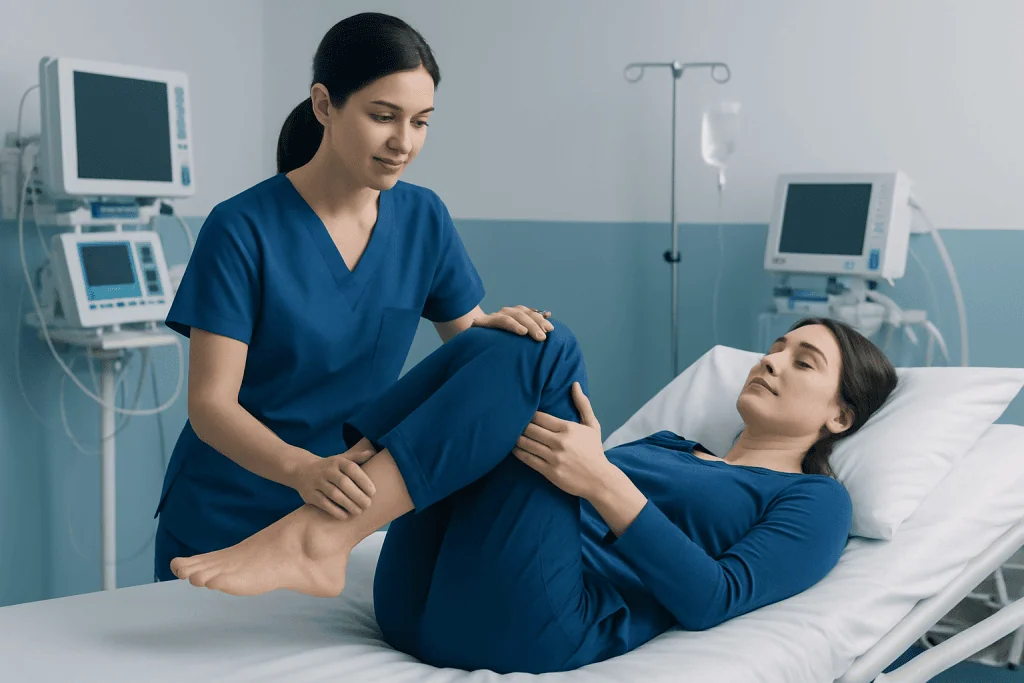
Left-side lying is often a practical first option. A person can lie on the left side with the knees slightly bent and a pillow supporting the head. Some may find it more comfortable to place a pillow between the knees or under the abdomen. This position may support movement through the large bowel because of its usual anatomical pathway, while also allowing the abdominal wall to relax.
Knees-to-chest may be useful for lower abdominal pressure. While lying on the back, a person can slowly bring one knee, then both knees, toward the chest and hold them gently with the hands or a towel behind the thighs. Rocking very slowly from side to side can feel soothing for some people. The movement should remain comfortable; the knees do not need to be pulled tightly against the body.
Child’s pose or a supported forward fold can provide a mild abdominal compression that some people find helpful. From hands and knees, the hips can move back toward the heels with the chest resting on a cushion or pillow. People who cannot kneel may instead sit in a chair and lean slightly forward over a pillow. A slow, relaxed exhalation can help reduce abdominal muscle tension.
Happy baby or a gentle seated twist are additional options for people who can move comfortably. In happy baby, the person lies on the back and holds behind the thighs, allowing the knees to open softly toward the sides. For a seated twist, the torso turns only slightly while the spine remains tall. Deep twisting or forceful stretching is unnecessary and may be unsuitable for people with back, hip, abdominal, or pelvic conditions.
How to Use Gas-Relief Positions Safely
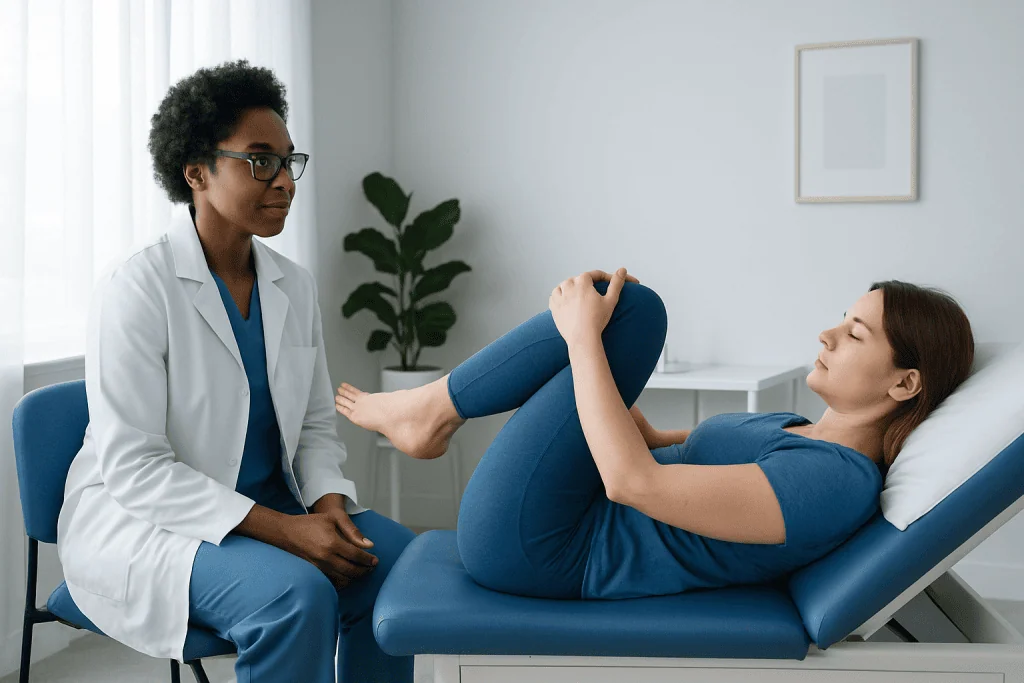
A calm approach is usually more helpful than an intense stretch. A person may try a position for several slow breaths, up to a few minutes if it remains comfortable, then return to a neutral posture and walk gently around the room. There is no required duration or sequence. The aim is to reduce discomfort and allow the body to release gas naturally, not to produce an immediate result.
Warmth can be comforting for uncomplicated bloating. For example, a warm shower, bath, or wrapped warm pack placed over the abdomen may help muscles relax. Care is needed to avoid burns, especially in people with reduced sensation, diabetes-related nerve damage, or fragile skin. Drinking water and avoiding tight waistbands may also make abdominal pressure feel less bothersome.
People should avoid positions that cause sharp pain, place pressure on a recent incision, or worsen reflux, dizziness, or breathing difficulties. Those who are pregnant, have recently had abdominal or pelvic surgery, have a hernia, or live with significant joint or spine problems should ask a healthcare professional which movements are appropriate. In these situations, a gentle walk or comfortable side-lying position may be preferable to deeper poses.
Why Gas and Bloating Happen
Common short-term causes include eating quickly, drinking carbonated beverages, using straws, chewing gum, smoking, or consuming large meals. These habits can increase swallowed air. Foods that contain certain fermentable carbohydrates, including beans, lentils, some vegetables, fruits, dairy products, and whole grains, may cause more gas in some individuals. This does not mean these foods are unhealthy; tolerance differs considerably from person to person.
Constipation can make gas harder to pass because stool moves slowly through the colon. Changes in routine, reduced activity, low fluid intake, some medicines, and dietary changes can all contribute. Temporary gas can also occur after a stomach infection, during stress, or around menstruation, when hormonal and gut-motility changes may affect digestion.
Repeated symptoms may sometimes be related to lactose intolerance, fructose malabsorption, celiac disease, irritable bowel syndrome, gastroesophageal reflux disease, or other digestive concerns. A medical professional can assess the pattern of symptoms and recommend appropriate testing when needed. Self-diagnosis and unnecessarily restrictive diets are best avoided, as they can lead to inadequate nutrition or overlook another cause.
Everyday Ways to Reduce Gas and Bloating
Eating more slowly and chewing thoroughly may reduce swallowed air and help identify when fullness occurs. Smaller, regular meals can be easier to tolerate than very large meals. It may also help to limit carbonated drinks for a period and observe whether symptoms improve. For people who wear dentures, ensuring that they fit well may reduce air swallowing during meals.
Regular physical activity supports normal bowel movement and can reduce the sensation of bloating. Even a short, easy walk after a meal may be helpful. Adequate fluid intake and a balanced fiber intake are also important for bowel regularity. Fiber should be increased gradually, because a sudden increase can temporarily increase gas and discomfort.
A food-and-symptom diary can help identify patterns without assuming that a single food is responsible. Recording meals, symptoms, bowel habits, stress, and menstrual timing over several weeks may provide useful information for a clinician or dietitian. If a food seems troublesome, it is generally safer to discuss a structured trial of reduction and reintroduction with a qualified professional rather than eliminating broad food groups indefinitely.
When to Seek Medical Care
Occasional gas that improves after passing gas, having a bowel movement, changing position, or making small lifestyle adjustments is usually not a sign of a serious problem. Medical advice is appropriate when bloating or gas is frequent, interferes with daily life, is new and persistent, or occurs with ongoing constipation, diarrhea, heartburn, or changes in stool pattern. A clinician can review diet, medicines, medical history, and any need for tests.
Urgent medical care is important for severe or steadily worsening abdominal pain, a hard or markedly swollen abdomen, repeated vomiting, fever, fainting, black or bloody stools, vomiting blood, or an inability to pass stool or gas with significant pain or swelling. These symptoms can have causes other than simple trapped gas and should not be managed with home positions alone.
Unexplained weight loss, reduced appetite, anemia, symptoms that wake a person from sleep, or a new change in bowel habits later in adulthood also deserve timely assessment. Acibadem International’s multidisciplinary specialists and JCI-accredited hospitals can evaluate digestive symptoms and provide care for international patients when further assessment is needed.
What to Expect During a Medical Assessment
A healthcare professional will usually ask about the location and timing of discomfort, relationship to meals, bowel habits, food triggers, recent travel or infection, stress, and medicines or supplements. They may also ask whether symptoms improve after passing gas or stool. A physical examination can help determine whether the abdomen is tender, distended, or affected by another condition.
Testing is not always required for uncomplicated gas. Depending on the symptoms, a clinician may recommend blood tests, stool tests, testing for food intolerances or celiac disease, breath testing in selected situations, or imaging and endoscopic examinations. The appropriate investigation depends on the person’s age, medical history, and warning signs rather than on gas alone.
Treatment focuses on the cause when one is identified. This may include addressing constipation, adjusting eating habits, treating reflux or an intolerance, reviewing medicines, or receiving individualized nutrition advice. People should speak with a doctor or pharmacist before using over-the-counter products regularly, particularly if they are pregnant, have chronic health conditions, or take prescription medicines.
Frequently asked questions
What is the best position for releasing trapped gas?
There is no single best position for everyone, but lying on the left side and gently bringing the knees toward the chest are commonly comfortable options. A supported child's-pose position or a gentle walk may also help. The best choice is one that reduces pressure without causing pain or strain.
Why does lying on the left side help with gas?
The left-side position may help support the normal route of gas and stool through parts of the large intestine. It can also relax the abdominal muscles and reduce the sensation of fullness for some people. Its benefit varies, and it is not a treatment for persistent or severe abdominal symptoms.
How long should a person stay in a gas-relief position?
A person can try a comfortable position for several slow breaths or a few minutes, then change position or walk gently. There is no need to force a stretch or remain in an uncomfortable posture. If symptoms worsen or pain develops, the position should be stopped.
Can trapped gas cause chest or back discomfort?
Gas and bloating can sometimes cause pressure that is felt in the upper abdomen, chest area, or back. However, chest pain can also have heart, lung, or other causes and should not automatically be attributed to gas. New, severe, or persistent chest pain needs urgent medical evaluation.
What foods commonly cause more gas?
Beans, lentils, certain vegetables, dairy products in people with lactose intolerance, high-fiber foods, and carbonated drinks may increase gas for some individuals. Tolerance is highly personal, and these foods can be part of a healthy diet. A gradual dietary review is usually more useful than avoiding many foods at once.
When is gas pain not normal?
Gas discomfort should be medically assessed if it is severe, recurrent, worsening, or associated with vomiting, fever, bleeding, weight loss, or a major change in bowel habits. Urgent assessment is needed for severe pain with abdominal swelling and inability to pass stool or gas. These symptoms may indicate a problem that requires more than self-care.
References
- National Institute of Diabetes and Digestive and Kidney Diseases
- American College of Gastroenterology
- National Health Service
- Mayo Clinic
This article is for general information only and is not a substitute for professional medical advice. Please consult a qualified doctor about your individual situation.
Persistent digestive symptoms? Get evaluated in Turkey
JCI-accredited · board-certified surgeons · reply within 24h
Add us as a Preferred Source to see more of our trusted health content across Google Search, AI Overviews and Discover.