Why Does My Foot Ache on Top? A Doctor-Reviewed Answer
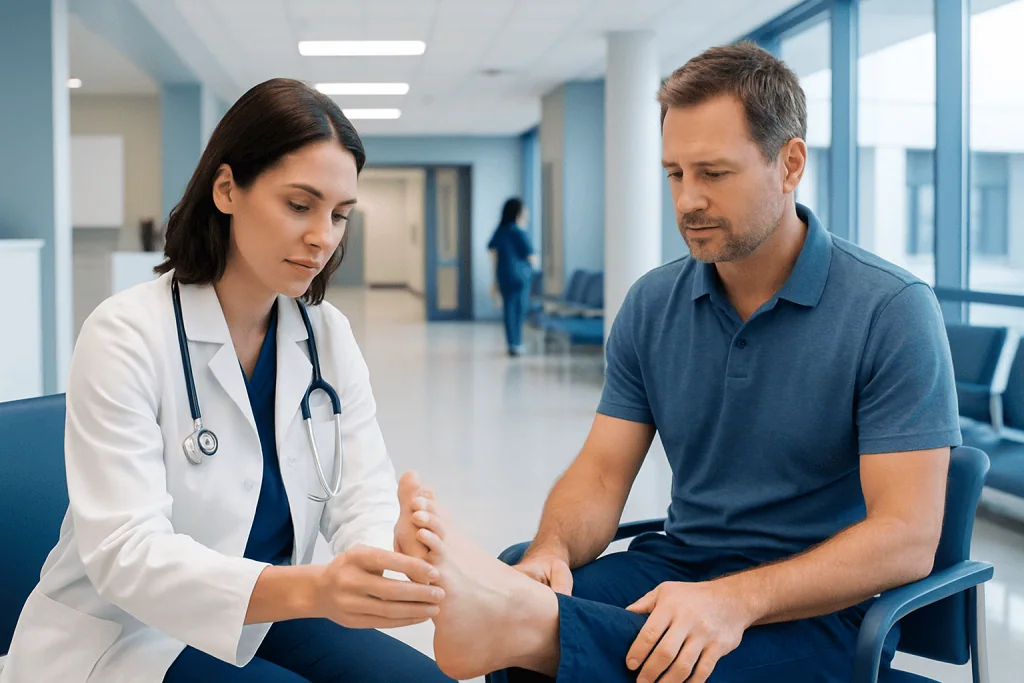
Top-of-foot pain often comes from irritated tendons, pressure from shoes, or increased activity. Stress fractures, arthritis, nerve compression, and gout are less common but important possible causes.
Key Takeaways
- Top-of-foot pain often comes from irritated tendons, pressure from shoes, or increased activity.
- Stress fractures, arthritis, nerve compression, and gout are less common but important possible causes.
- Rest, supportive footwear, and avoiding painful activity may help mild symptoms that are improving.
- A doctor may use a physical examination and, when needed, X-rays or other imaging to identify the cause.
- Urgent assessment is important after significant injury or when there is severe pain, deformity, infection signs, or circulation changes.
Pain on the top of the foot is commonly related to overuse, tight footwear, or a minor strain and often improves with rest and simple care. However, sudden severe pain, inability to bear weight, marked swelling, numbness, color changes, or pain after an injury should be assessed promptly.
Why Does the Top of the Foot Ache?
If someone is asking, “why does my foot ache on top?”, the cause is often harmless irritation from overuse, a change in exercise, or shoes that press on the upper surface of the foot. The top of the foot contains small bones, joints, tendons, nerves, and blood vessels, so discomfort can arise from several structures. Mild pain that starts gradually and improves with reduced activity is often not an emergency.
Still, an ache on top of the foot deserves attention when it is persistent, worsening, or linked with swelling or trouble walking. Pain may be felt directly beneath the shoelaces, across the middle of the foot, near the toes, or toward the ankle. Its exact location, timing, and associated symptoms can help a clinician distinguish a simple soft-tissue problem from a bone, joint, nerve, or circulation-related condition.
People should seek urgent medical advice after a significant fall, twist, crush injury, or sports impact, especially if they cannot take several steps, the foot looks misshapen, or pain is severe. Prompt assessment is also important for a hot, red, rapidly swollen foot; an open wound; fever; a pale or blue foot; new numbness; or pain in a person with diabetes, poor circulation, or reduced sensation in the feet.
Common Patterns and Symptoms
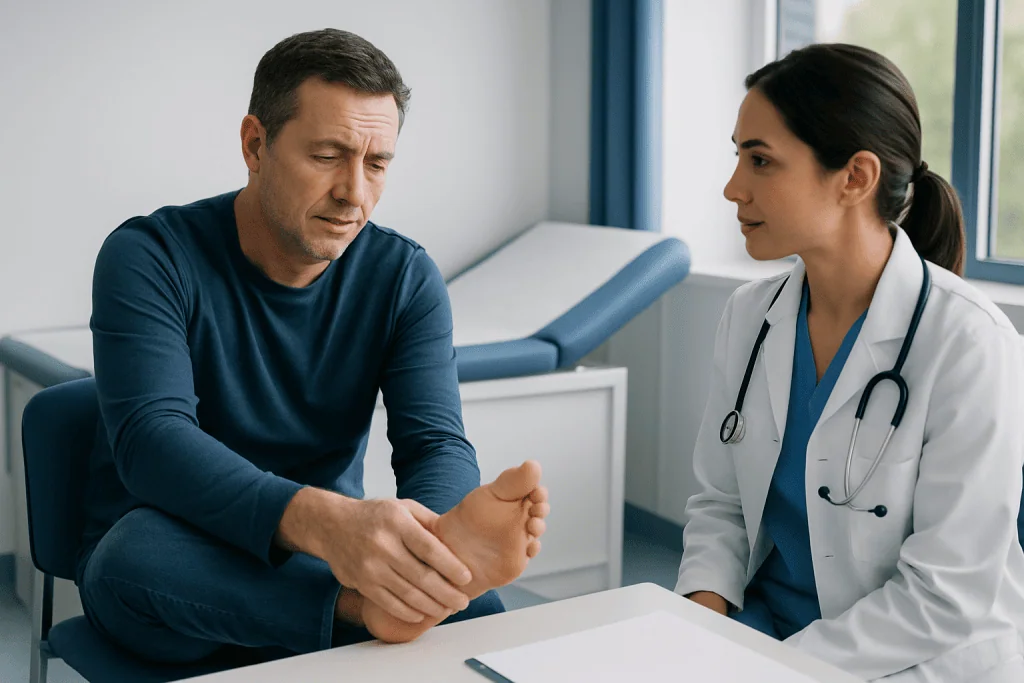
Top-of-foot pain can feel dull and aching, sharp with movement, burning, or tender when touched. Some people notice pain only when walking, running, climbing stairs, or wearing a particular pair of shoes. Others have stiffness after rest, swelling by the end of the day, or discomfort when bending the toes upward.
Tendon irritation often causes pain that becomes more noticeable with activity and may be tender along the path of the tendon. Pressure from tight shoes or tightly laced footwear may cause aching, numbness, tingling, or a burning sensation beneath the laces. A stress injury to a bone may cause a focused area of tenderness and pain that progressively worsens with weight-bearing activity.
Associated symptoms provide useful clues, but they do not confirm a diagnosis on their own. For example, warmth and swelling can occur with a sprain, arthritis, gout, or infection. Numbness can result from shoe pressure, nerve compression, or conditions affecting the nerves. A qualified healthcare professional can assess the full pattern safely.
- Gradual pain after new or increased activity may suggest overuse.
- Pain following a twist or direct blow may indicate a sprain or fracture.
- Morning stiffness or recurrent joint swelling may point toward arthritis.
- Sudden redness, warmth, and intense pain may need prompt evaluation.
Possible Causes of Pain on Top of the Foot
Overuse is a frequent reason for top-of-foot discomfort. Walking long distances, running, jumping, hiking, or returning too quickly to exercise can strain the muscles and tendons that lift the toes and foot. Extensor tendonitis, also called extensor tendinopathy, affects tendons on the upper surface of the foot and may develop from repeated loading or pressure from footwear.
Footwear can contribute substantially. Shoes that are too tight, too narrow, poorly fitted, or laced tightly over a prominent area can compress soft tissues and nerves. High-impact activity in worn-out shoes or footwear that does not support a person’s foot shape may also increase stress on the midfoot and forefoot.
Other potential causes include a sprain, a stress fracture, osteoarthritis, inflammatory arthritis, a ganglion cyst, nerve entrapment, and gout. A midfoot injury may occur after the foot twists or is forced downward, while a stress fracture may develop gradually after repetitive impact. People with osteoporosis, low vitamin D, changes in menstrual function, restricted nutrition, or a history of stress fractures may have a higher risk of bone stress injury.
Not every foot ache is caused by the foot itself. Nerve-related pain can sometimes travel from the ankle, leg, or lower back. Swelling from circulation problems, certain medicines, or medical conditions may also make shoes feel tight and increase pressure over the top of the foot.
How a Doctor Identifies the Cause
A doctor will usually begin by asking when the pain started, whether there was an injury, which activities make it worse, and whether footwear or training has changed. They may ask about previous fractures, arthritis, diabetes, nerve symptoms, medications, and conditions that affect bone health or circulation. This history helps narrow the range of possible causes.
During the examination, the clinician may look for bruising, swelling, redness, skin changes, a bony prominence, or altered foot shape. They may gently press different areas of the foot, assess movement of the toes and ankle, and check walking pattern, sensation, pulses, and circulation. Comparing both feet can be useful.
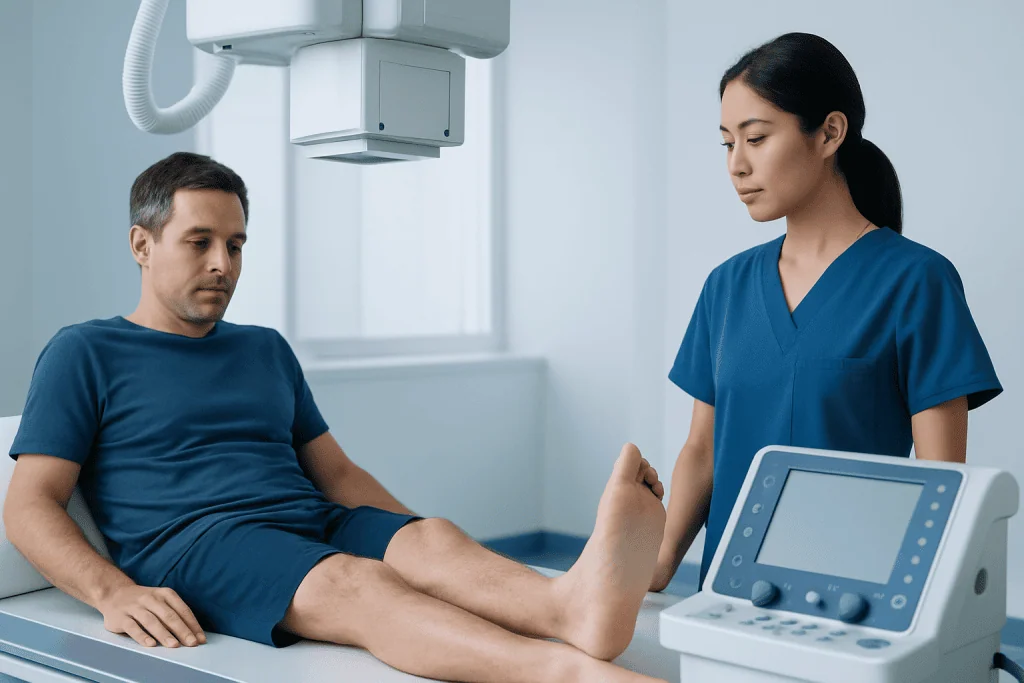
Imaging is not always necessary for mild, improving symptoms. However, an X-ray may be recommended when a fracture, joint problem, or significant injury is suspected. Early stress fractures do not always appear on an initial X-ray, so repeat imaging, magnetic resonance imaging (MRI), or another test may sometimes be needed if symptoms strongly suggest a bone stress injury. Blood tests may be appropriate when inflammatory arthritis, gout, or infection is under consideration.
Treatment and Relief Options
Treatment depends on the underlying cause. For a mild overuse injury, a clinician may recommend temporarily reducing activities that trigger pain, while maintaining comfortable low-impact movement if it does not worsen symptoms. Rest does not necessarily mean complete immobility; the appropriate activity level depends on the suspected injury and a person’s overall health.
Supportive, well-fitting footwear with enough room across the top of the foot can reduce pressure. Loosening or changing the lacing pattern may help when pain occurs directly under the laces. Elevating the foot after activity and applying a wrapped cold pack for short periods may ease minor swelling or soreness. Some people may be able to use over-the-counter pain relief, but this should be discussed with a pharmacist or clinician, particularly for people with kidney disease, stomach ulcers, heart disease, blood-thinning medicines, pregnancy, or medication allergies.
A doctor may recommend physiotherapy for tendon problems, weakness, reduced flexibility, recurrent sprains, or return-to-sport planning. If a stress fracture is suspected or confirmed, protecting the foot from impact is especially important, and a walking boot or other support may be advised. Arthritis, gout, nerve compression, and more significant injuries require cause-specific treatment rather than simply pushing through the pain.
Acibadem International’s multidisciplinary specialists and JCI-accredited hospitals can assess foot pain and coordinate diagnosis and treatment for international patients when specialist care is needed.
Prevention and Everyday Foot Care
Many cases of top-of-foot pain can be reduced by increasing exercise gradually rather than making sudden changes in distance, intensity, hills, or training frequency. Alternating impact exercise with lower-impact activities may help manage repetitive loading. Adequate recovery, sleep, and nutrition also support muscle and bone health.
Choosing shoes that fit comfortably is important. There should be enough room for the toes, while the upper part of the shoe should not press firmly on the top of the foot. Shoes used regularly for walking or sport should provide stable support and be replaced when they become worn. People with recurrent pain, flat feet, high arches, or known alignment concerns may benefit from professional footwear advice.
Gentle calf and foot mobility work, as advised by a healthcare professional, may improve comfort for some people. It is sensible to stop an activity that produces sharp pain or causes limping. Continuing impact exercise through increasingly localized pain can turn a manageable overuse problem into a more significant injury.
When to Seek Medical Care
Medical review is advisable when top-of-foot pain does not begin to improve after several days of reduced activity and supportive care, lasts longer than one to two weeks, repeatedly returns, or interferes with normal walking, work, sleep, or exercise. A clinician should also assess pain that becomes increasingly focused in one spot, as this can occur with a stress fracture.
Urgent care is appropriate if there is an obvious deformity, inability to bear weight after an injury, severe or rapidly worsening swelling, or new weakness or loss of sensation. A foot that becomes cold, pale, blue, or markedly swollen requires prompt assessment. Redness, warmth, fever, drainage, or an open wound can indicate infection and should not be managed at home alone.
People with diabetes, peripheral neuropathy, poor circulation, immune suppression, or a history of foot ulcers should seek medical advice early for new foot pain, swelling, blisters, skin breaks, or color changes. Early assessment can help protect foot health and guide safe treatment.
Frequently asked questions
Why does the top of my foot hurt when I walk?
Pain when walking can result from overuse, tendon irritation, tight shoes, a sprain, arthritis, or a bone stress injury. The location of tenderness and whether pain began after a change in activity can help identify the likely cause. If walking is difficult or symptoms are worsening, medical assessment is recommended.
Can tight shoelaces cause pain on top of the foot?
Yes. Tight laces or a shoe upper that presses on the foot can irritate tendons, soft tissues, and superficial nerves. Trying a looser or alternative lacing pattern and wearing properly fitted shoes may help, but persistent pain should be checked.
Could top-of-foot pain be a stress fracture?
It can be, especially when pain develops gradually after repeated running, jumping, walking, or a sudden rise in training. Stress fracture pain is often localized, worsens with impact, and may continue despite rest. A clinician may recommend imaging, although an early X-ray can sometimes appear normal.
How long does pain on top of the foot take to heal?
Recovery depends on the cause and how well the foot is protected from activities that aggravate it. A mild pressure-related or overuse problem may improve over days to a few weeks, while a stress fracture or significant sprain can take longer. A clinician can provide a more accurate timeframe after diagnosis.
Should I exercise with pain on top of my foot?
It is usually best to avoid activities that cause pain, limping, or worsening symptoms until the cause is clearer. Some people can continue gentle, low-impact activity if it is comfortable, but this is not appropriate for every injury. Suspected fractures, severe pain, or swelling should be assessed before returning to exercise.
What does nerve pain on top of the foot feel like?
Nerve-related pain may feel burning, electric, tingling, numb, or unusually sensitive to touch. It may be triggered by tight footwear or occur with ankle, leg, or back symptoms. New or persistent numbness, weakness, or changes in foot color need medical evaluation.
This article is for general information only and is not a substitute for professional medical advice. Please consult a qualified doctor about your individual situation.
Explore treatments in Turkey — costs, top hospitals & a free quote
JCI-accredited · board-certified surgeons · reply within 24h
Add us as a Preferred Source to see more of our trusted health content across Google Search, AI Overviews and Discover.

More from the Health Library

Can Anxiety Cause Itchiness? A Doctor-Reviewed Answer

ADHD: What It Is and Which Symptoms Doctors Look For

Why Does My Poop Smell So Bad? Causes, Explanations, and Next Steps

What Does Breast Cancer Look Like on a Mammogram? Causes, Explanations, and Next Steps

Is Shrimp Good for You? Here Is What the Evidence Says