What Causes Poor Circulation? Causes, Explanations, and Next Steps

Poor circulation is a symptom, not a diagnosis, and it can have many different causes. Common harmless triggers include cold temperatures, staying in one position too long, and tight clothing.
Key Takeaways
- Poor circulation is a symptom, not a diagnosis, and it can have many different causes.
- Common harmless triggers include cold temperatures, staying in one position too long, and tight clothing.
- Ongoing symptoms may be related to artery disease, vein problems, diabetes, nerve disorders, heart conditions, or some medicines.
- Warning signs include sudden pain, one-sided swelling, skin discoloration, numbness, non-healing wounds, chest pain, or shortness of breath.
- Doctors diagnose the cause using a physical exam, blood pressure checks, pulse assessment, blood tests, and imaging when needed.
- Treatment depends on the cause and may include lifestyle changes, medicines, and sometimes vascular procedures.
What causes poor circulation? In many people, temporary coldness, sitting still for long periods, or pressure on a limb are common and harmless reasons. When symptoms are persistent, painful, one-sided, or linked with skin color changes, wounds, chest pain, or shortness of breath, a medical assessment is important to look for blood vessel, nerve, heart, or metabolic causes.
Overview: why poor circulation happens
Poor circulation usually means blood is not moving through part of the body as well as expected, or that a person feels symptoms that suggest reduced blood flow. Many day-to-day situations can cause this feeling without signaling a serious illness. Cold weather can narrow blood vessels temporarily. Sitting with crossed legs, wearing tight clothing, or staying in one position for a long time can also cause temporary numbness, tingling, or a “pins and needles” sensation.
At the same time, poor circulation can sometimes be a clue to an underlying medical problem. Blood may have difficulty reaching the hands, feet, legs, or other tissues because arteries are narrowed, veins are not returning blood efficiently, the heart is not pumping strongly enough, or nerves are affecting how the body senses blood flow. Conditions such as diabetes, high cholesterol, smoking-related vascular disease, and some autoimmune disorders can all play a role.
Because the causes are varied, it helps to think of poor circulation as a symptom rather than a single disease. A doctor will usually focus on the pattern: where symptoms happen, how long they last, what makes them better or worse, and whether there are warning signs like pain, color change, swelling, or sores that do not heal.
Common symptoms linked with poor circulation
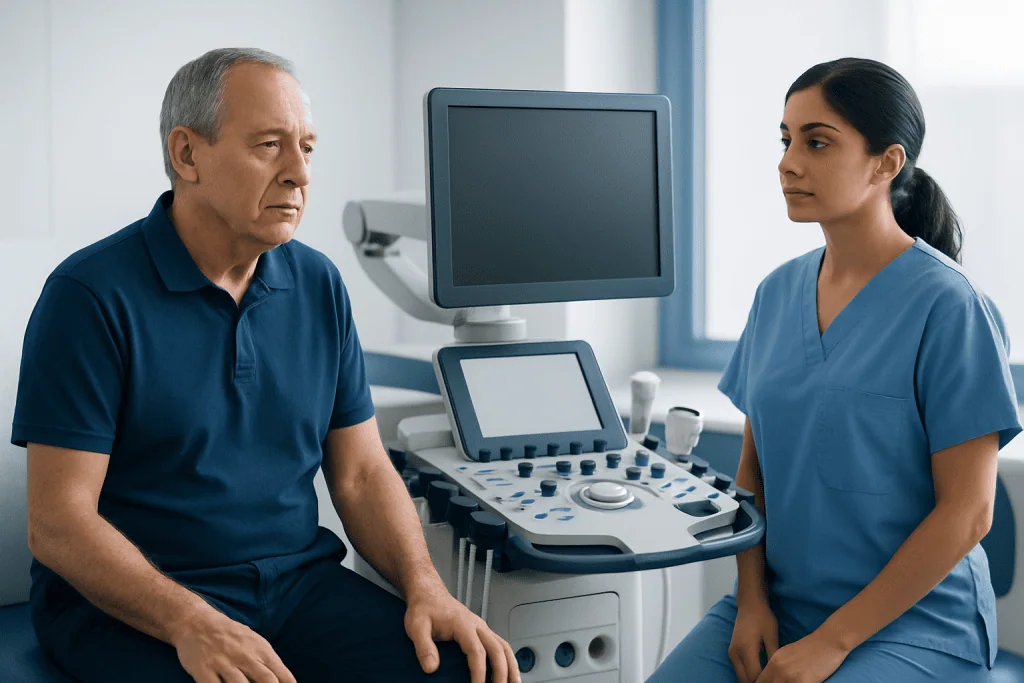
People use the term “poor circulation” in different ways. Some mean their hands and feet feel cold more often than expected. Others notice tingling, numbness, cramping with walking, swelling in the lower legs, or skin that looks pale, bluish, or shiny. Symptoms may affect only one area or both sides of the body.
When blood flow to the legs is reduced, some people develop aching, heaviness, or cramping in the calves when walking that improves with rest. This pattern can suggest peripheral artery disease, a condition related to narrowed arteries. More about this condition can be found at peripheral artery disease.
Venous circulation problems tend to cause a different set of symptoms. These may include ankle swelling, visible varicose veins, a feeling of heaviness by the end of the day, itching, or skin changes around the lower legs. Some symptoms that seem like circulation problems can actually come from nerve compression, thyroid disease, anemia, dehydration, or anxiety-related changes in temperature and sensation.
- Cold hands or feet
- Tingling or numbness
- Leg pain or cramping with activity
- Swelling, especially in the ankles or one leg
- Pale, blue, or reddish skin color changes
- Slow-healing cuts or ulcers
What causes poor circulation?

There is no single answer to what causes poor circulation, because circulation depends on the heart, arteries, veins, blood, nerves, and overall metabolic health working together. Sometimes the cause is temporary and harmless, such as cold exposure, sitting still for a long flight, dehydration, or pressure on a nerve or blood vessel. In these cases, symptoms usually improve with movement, warmth, hydration, or changing position.
More persistent symptoms may come from artery problems. Atherosclerosis, which is the buildup of fatty deposits in artery walls, can narrow the vessels and reduce blood flow, especially to the legs. Smoking, high blood pressure, high cholesterol, diabetes, older age, and kidney disease raise this risk. In the hands and feet, episodes of vessel spasm can occur in Raynaud phenomenon, where fingers or toes may turn white, blue, then red in response to cold or stress.
Vein-related causes are also common. Varicose veins and chronic venous insufficiency develop when the valves inside the veins do not move blood back toward the heart effectively. Blood can pool in the lower legs, leading to swelling, heaviness, aching, and skin changes. A more urgent cause is a blood clot in a deep vein, which usually causes one-sided swelling, pain, warmth, and tenderness and needs prompt medical attention.
Other contributors include diabetes, which can damage both blood vessels and nerves; obesity; pregnancy; low physical activity; certain medicines that constrict blood vessels; and heart conditions that reduce effective pumping. Conditions such as heart failure may lead to cool extremities, fatigue, or swelling because the circulation is not meeting the body’s needs. In some people, symptoms that feel like poor circulation are mainly neurological, such as peripheral neuropathy, or endocrine, such as hypothyroidism.
How doctors work out the cause
Diagnosis begins with the story of the symptoms. A doctor will ask when the problem started, whether it affects the hands, feet, or one limb only, and whether symptoms appear with cold, exercise, standing, or rest. They will also ask about smoking, diabetes, blood pressure, cholesterol, family history, medicines, and any previous heart or vascular problems.
The physical exam often provides important clues. The doctor may check pulses in the arms and legs, compare skin temperature and color, look for swelling or varicose veins, and examine the feet for ulcers or skin breakdown. Blood pressure is sometimes measured in both arms and compared with the ankles. A simple noninvasive test called the ankle-brachial index can help identify reduced blood flow to the legs.
Blood tests may be used to look for diabetes, cholesterol problems, anemia, thyroid disorders, kidney disease, or inflammatory conditions. If a clot is suspected, ultrasound of the veins is often the first test. If narrowed arteries are suspected, Doppler ultrasound, CT angiography, or MR angiography may be considered. When symptoms point more to the veins than the arteries, evaluation for varicose veins treatment or other vein care may be discussed.
This step-by-step approach matters because treatment depends on the actual cause. The same symptom—cold feet, for example—can come from a very different problem in one person than in another. Careful diagnosis helps avoid both over-treatment and missed warning signs.
Treatment options depend on the cause
Temporary symptoms from cold exposure or prolonged sitting usually improve with practical measures: warming the body, moving around, stretching, elevating the legs if they are swollen, and drinking enough fluids. If a medicine may be contributing, a doctor may review options, but medicines should not be stopped without professional advice.
When artery disease is present, treatment often focuses on protecting the blood vessels and improving circulation over time. This may include stopping smoking, managing blood pressure, cholesterol, and diabetes, following a structured walking program, and using prescribed medicines. In some cases, a specialist may recommend a procedure such as angioplasty and stent to open a narrowed artery.
For venous problems, treatment may include exercise, leg elevation, weight management, and compression stockings if a clinician advises them. Persistent symptoms from damaged or enlarged veins may be treated with minimally invasive procedures, and some patients are assessed for endovascular treatment when a vascular problem needs targeted intervention. If a deep vein clot is diagnosed, urgent treatment is needed to prevent complications.
When symptoms stem from diabetes, neuropathy, thyroid disease, or heart disease, the main treatment is controlling that underlying condition. For people with complex symptoms, care may involve several specialists. Near the end of the care pathway, patients may be referred for cardiovascular surgery if there is severe structural disease that cannot be managed with medicines or less invasive procedures. Acibadem International’s multidisciplinary specialists and JCI-accredited hospitals diagnose and treat circulation-related conditions for international patients.
Prevention and self-care that support healthy circulation
Many circulation concerns improve when everyday habits support blood vessel health. Regular movement is one of the most helpful measures. Walking, calf raises, stretching during travel, and avoiding long periods of sitting can all help blood move through the legs. For office work or long flights, standing up and moving at regular intervals is a simple but effective step.
Not smoking is especially important because tobacco harms the lining of blood vessels and increases the risk of artery narrowing. Managing diabetes, blood pressure, and cholesterol also lowers the risk of long-term vascular disease. Comfortable footwear, good foot care, and keeping the body warm can help people who are prone to cold hands or feet.
Self-care should be practical and safe rather than extreme. Tight socks, belts, or clothing that leave deep marks may worsen symptoms for some people. Hydration, balanced nutrition, and maintaining a healthy weight can help support circulation. People with diabetes or known vascular disease should inspect their feet regularly and seek advice early for blisters, cuts, color changes, or sores that are slow to heal.
- Move regularly, especially during travel or desk work
- Avoid smoking and secondhand smoke
- Manage blood sugar, cholesterol, and blood pressure
- Dress warmly in cold weather
- Check the feet often if there is diabetes or reduced sensation
When to seek medical care
Medical review is sensible if symptoms of poor circulation keep coming back, affect daily life, or do not improve with simple measures. A person should also make an appointment if they notice leg pain with walking, recurring coldness in one hand or foot, swelling that does not settle, visible skin changes, or wounds that heal slowly. These patterns can suggest an underlying vascular, metabolic, or neurological issue that should be assessed.
Urgent care is needed for one-sided leg swelling with pain or warmth, sudden severe limb pain, a limb that becomes pale or blue, new weakness, chest pain, fainting, or shortness of breath. These symptoms can point to a blood clot, sudden loss of arterial blood flow, heart problems, or another emergency. People with diabetes, known artery disease, or heart disease should be especially cautious about new or rapidly worsening symptoms.
In general, it is reassuring that many episodes of “poor circulation” are temporary and not dangerous. The key is not to ignore symptoms that are persistent, painful, asymmetric, or associated with skin breakdown or breathing problems. A qualified doctor can determine whether the issue is minor and manageable or whether it needs more targeted testing and treatment.
Frequently asked questions
Is poor circulation always serious?
No. Poor circulation is often used to describe temporary coldness, tingling, or numbness that happens with cold temperatures, sitting too long, or pressure on a limb. It becomes more important to check when symptoms are persistent, painful, one-sided, or linked with color changes, swelling, or slow-healing wounds.
Can anxiety cause symptoms that feel like poor circulation?
Yes, anxiety can change breathing patterns and activate the body's stress response, which may make hands feel cold, shaky, or tingly. However, repeated or severe symptoms should not automatically be blamed on anxiety, especially if there is pain, discoloration, or swelling.
What are the most common causes of poor circulation in the legs?
Common causes include sitting or standing for long periods, chronic vein problems, and narrowed leg arteries. Diabetes, smoking, high cholesterol, and low physical activity can also contribute. A doctor can help tell whether the problem is mainly arterial, venous, neurological, or related to another condition.
Can poor circulation cause numbness and tingling?
It can, but numbness and tingling are not specific to circulation problems. Nerve compression, peripheral neuropathy, vitamin deficiencies, and spine-related conditions may cause similar symptoms. That is why diagnosis focuses on the full symptom pattern, not just one sensation.
How do doctors test for poor circulation?
Doctors usually start with a history and physical examination, including checking pulses, skin color, temperature, and swelling. They may use blood tests, ultrasound, the ankle-brachial index, or imaging such as CT or MR angiography depending on the suspected cause.
What can a person do at home to improve circulation?
Regular movement, walking, stretching, staying hydrated, avoiding smoking, and keeping warm are helpful first steps. Managing diabetes, blood pressure, and cholesterol is also important for long-term vascular health. Home measures are useful, but persistent or worsening symptoms should be reviewed by a clinician.
References
- American Heart Association
- National Heart, Lung, and Blood Institute
- Centers for Disease Control and Prevention
- National Institute of Diabetes and Digestive and Kidney Diseases
- Society for Vascular Surgery
This article is for general information only and is not a substitute for professional medical advice. Please consult a qualified doctor about your individual situation.
Explore treatments in Turkey — costs, top hospitals & a free quote
JCI-accredited · board-certified surgeons · reply within 24h
Add us as a Preferred Source to see more of our trusted health content across Google Search, AI Overviews and Discover.
Check your numbers in seconds
BMI, calories, due date, blood pressure and 30+ more clinical calculators — free, instant, doctor-reviewed ranges.