Infectious Pimple: What Patients Need to Know

An infectious pimple is not a formal diagnosis; it may describe acne, folliculitis, a boil, or an early skin abscess. Acne itself is not contagious, although bacteria can contribute to inflammation within blocked follicles.
Key Takeaways
- An infectious pimple is not a formal diagnosis; it may describe acne, folliculitis, a boil, or an early skin abscess.
- Acne itself is not contagious, although bacteria can contribute to inflammation within blocked follicles.
- Squeezing or picking a painful bump can push material deeper into the skin and increase scarring or spread of infection.
- Warm compresses, gentle cleansing, and avoiding friction are often helpful for minor localized bumps.
- Urgent assessment is important for facial swelling, fever, rapidly spreading redness, severe pain, or infection in people with weakened immunity or diabetes.
An infectious pimple is a commonly used term for a pimple-like bump that becomes inflamed or infected, often around a blocked pore or hair follicle. Most small, localized bumps settle with appropriate skin care, but spreading redness, severe pain, fever, or a deep lump should be assessed by a clinician.
What Is an Infectious Pimple?
An infectious pimple is an everyday phrase rather than a precise medical diagnosis. It usually describes a red, swollen, sore, or pus-filled bump that appears to be infected. Depending on its appearance and location, it may be an inflamed acne lesion, an infected hair follicle (folliculitis), a boil, or a small skin abscess.
Many ordinary pimples contain bacteria and inflammatory material, but this does not mean they are contagious or dangerous. Acne develops when pores become blocked with oil and dead skin cells; bacteria that normally live on the skin can contribute to inflammation within the blocked follicle. A bump is more concerning when it becomes increasingly painful, warm, enlarges, drains significant pus, or is accompanied by redness that extends beyond the bump.
It is not always possible to identify the cause from appearance alone. A clinician can distinguish acne from other conditions, such as folliculitis, cysts, ingrown hairs, cold sores, or bacterial skin infections, particularly when a lesion is recurrent or not improving.
How an Infected Bump May Look and Feel
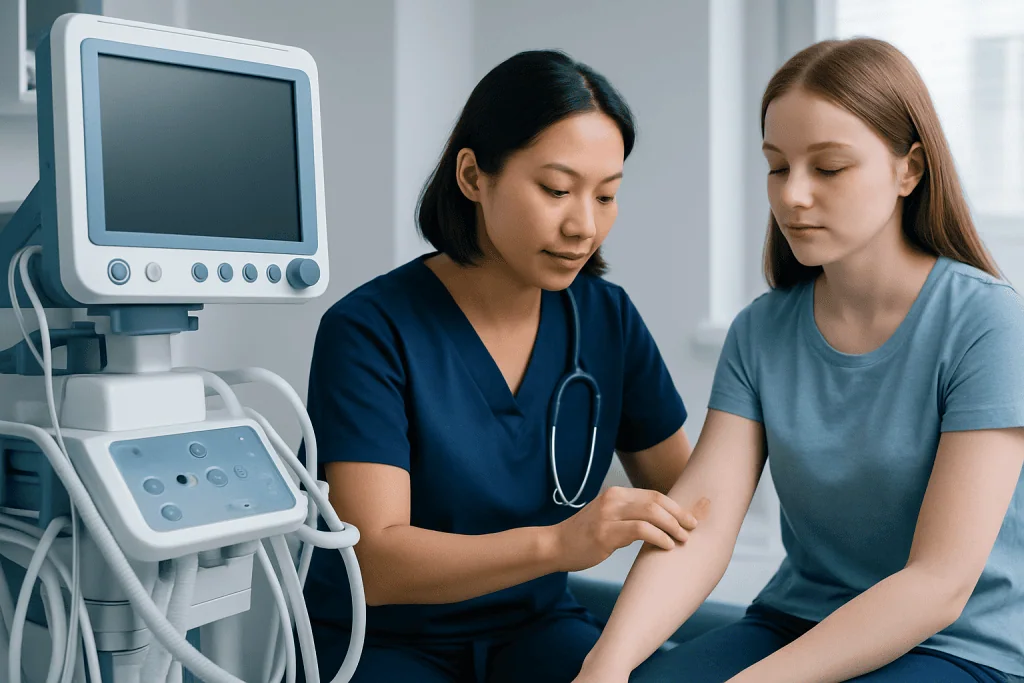
An infectious pimple can begin as a small red bump and later develop a white or yellow center. It may feel tender to touch and can be warmer than the nearby skin. Some lesions itch more than they hurt, especially when they arise around hair follicles after shaving, sweating, or friction from tight clothing.
A deeper infection may form a firm, painful nodule under the skin. A boil often becomes larger than a typical pimple and may eventually form a soft center containing pus. An abscess is a more enclosed collection of pus beneath the skin and may require drainage by a healthcare professional rather than home treatment alone.
Features that can suggest a more significant skin infection include:
- Increasing pain, swelling, warmth, or redness over hours to days
- Red streaks extending away from the area
- Drainage of thick pus or a foul-smelling fluid
- Multiple similar bumps occurring close together
- Fever, chills, fatigue, or swollen nearby lymph nodes
Location also matters. Bumps around the eyes, nose, lips, groin, or buttocks can need more careful evaluation because different conditions may resemble pimples in these areas.
Why Infectious Pimples Develop
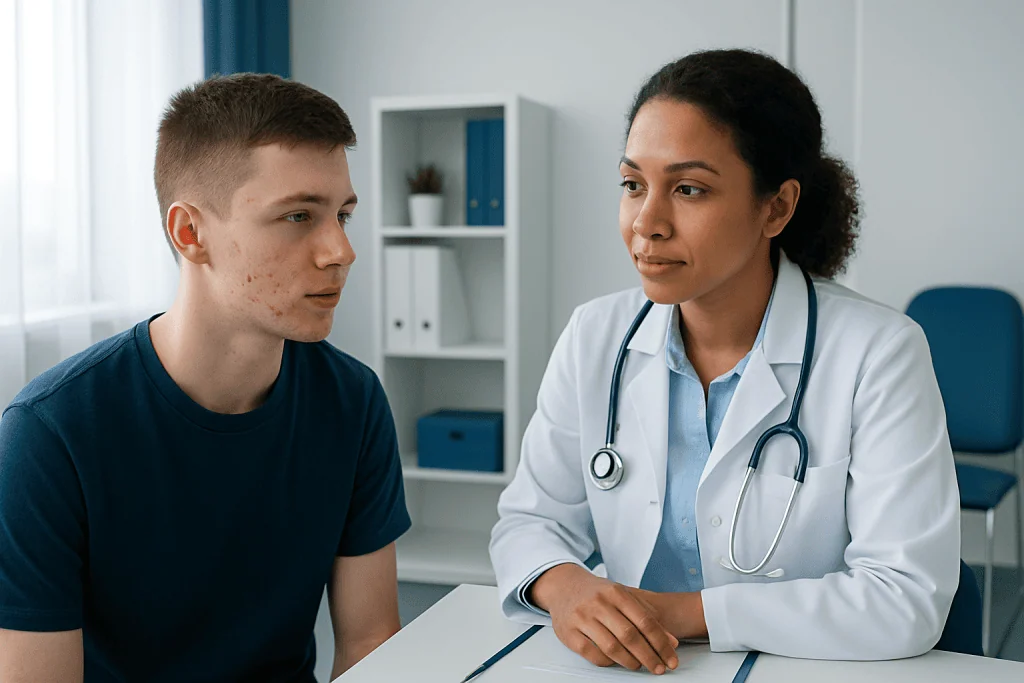
Skin contains many normal microorganisms, including bacteria. When a pore or hair follicle is blocked, irritated, or damaged, bacteria can multiply more easily and trigger inflammation. Common contributors include excess oil production, sweating, shaving, friction, tight clothing, cosmetic products that block pores, and touching the skin frequently with unwashed hands.
Folliculitis can occur when hair follicles are irritated or infected. It may follow shaving, waxing, use of poorly cleaned hot tubs, or prolonged moisture against the skin. A boil is often associated with a deeper infection of a hair follicle, commonly caused by bacteria such as Staphylococcus aureus. Some people carry these bacteria harmlessly on their skin or in their nose, but breaks in the skin can allow infection to develop.
Risk may be higher in people with eczema or other conditions that weaken the skin barrier, frequent skin-to-skin contact activities, obesity, diabetes, or a weakened immune system. Recurrent boils can occasionally be related to persistent bacterial colonization, an underlying skin condition, or another health issue. Repeated episodes deserve a medical review rather than repeated self-treatment.
How Clinicians Assess an Infectious Pimple
Healthcare professionals usually diagnose a pimple-like skin lesion by discussing symptoms and examining the area. They may ask when the bump appeared, whether it has changed quickly, whether similar lesions have occurred before, and whether there has been shaving, injury, recent travel, hot-tub exposure, or contact with someone who has a skin infection.
Most small uncomplicated lesions do not need laboratory testing. If an infection is severe, recurrent, widespread, fails to improve, or produces substantial drainage, a clinician may collect a sample of pus for testing. This can help identify the germ involved and guide antibiotic selection when antibiotics are needed.
If a deep abscess is suspected, imaging such as ultrasound may occasionally be used to determine whether there is a pocket of fluid beneath the skin. Clinicians may also consider blood glucose testing or other evaluation when recurrent infections suggest a possible underlying condition. The aim is to select the simplest effective treatment while avoiding unnecessary antibiotics.
Treatment and Safe Home Care
For a small, superficial pimple-like bump without fever or spreading redness, gentle care is often appropriate. The area can be washed once or twice daily with mild soap and water, then patted dry. Applying a clean warm, moist compress for about 10 to 15 minutes several times a day may ease discomfort and encourage natural drainage. Hands should be washed before and after touching the area.
It is best not to squeeze, lance, puncture, or aggressively scrub an infectious pimple. These actions can worsen inflammation, force infection deeper into the skin, spread bacteria to nearby areas, and increase the chance of scarring. If the bump drains on its own, it can be covered with a clean non-stick dressing, and towels, razors, clothing, and washcloths should not be shared.
Medical treatment depends on the cause. Acne-focused products may help typical acne but are not always suitable for a painful boil or open skin lesion. A clinician may recommend a topical medicine for some cases of folliculitis or acne. Larger abscesses may need a minor drainage procedure, and oral antibiotics may be considered when infection is spreading, severe, associated with fever, or likely to involve certain bacteria. Antibiotics should only be used as prescribed and should not be saved or shared.
People with recurring acne-like infections may benefit from assessment by a dermatologist or primary care clinician. Treatment may address acne, recurrent folliculitis, shaving practices, skin products, or other contributing factors rather than relying on repeated courses of antibiotics.
Reducing Recurrence and Protecting the Skin
Daily habits can reduce irritation and lower the likelihood of infected follicles. Gentle cleansing after sweating, showering after sports, changing out of damp clothes, and wearing breathable fabrics may be useful. Skin should be dried carefully, especially in folds where moisture can remain trapped.
For people who shave, using a clean sharp razor, shaving in the direction of hair growth, avoiding very close shaving, and not sharing razors can reduce follicle irritation. Those who develop recurrent bumps after hair removal may wish to discuss alternative hair-removal methods with a healthcare professional. Cosmetics, sunscreen, and moisturizers labelled non-comedogenic may be preferable for acne-prone skin.
It is also sensible to avoid picking at acne and to clean frequently touched items, such as mobile phones, makeup brushes, sports equipment, and pillowcases, as part of regular hygiene. However, overly harsh cleansers, frequent exfoliation, or strong antiseptics can damage the skin barrier and may make irritation worse. A consistent, gentle routine is usually more helpful than intensive scrubbing.
Acibadem International’s multidisciplinary specialists and JCI-accredited hospitals can assess persistent or complex skin infections and provide coordinated care for international patients when needed.
When to Seek Medical Care
A person should arrange medical assessment if a presumed infectious pimple is getting larger, more painful, or more swollen; has not begun improving after a few days of careful home care; keeps returning; or leaves repeated painful deep lumps. Assessment is also appropriate for bumps near the eye, on the face with significant swelling, in the genital area, or in locations where friction makes healing difficult.
Prompt medical care is important if there is fever, chills, red streaking, rapidly spreading redness, marked weakness, or severe pain. These symptoms can indicate that infection may be extending beyond a small localized bump. People with diabetes, immune suppression, poor circulation, or a history of serious skin infections should seek advice sooner, even for a lesion that seems minor.
Emergency care is needed for swelling around the eye that affects vision or eye movement, trouble breathing or swallowing, confusion, fainting, or signs of severe illness. These situations are uncommon, but early assessment supports safe treatment. When uncertain, it is appropriate to contact a qualified healthcare professional for individualized advice.
Frequently asked questions
Is an infectious pimple contagious?
Acne is not contagious and cannot be caught from another person. However, some bacterial skin infections can spread through direct skin contact or through shared personal items such as towels, razors, or clothing. Covering a draining lesion and avoiding the sharing of personal items can help reduce spread.
Should an infectious pimple be popped?
It is best not to pop, squeeze, or pierce a painful or infected-looking bump. Doing so may push inflammation or bacteria deeper into the skin, increase scarring, and spread infection. Warm compresses and medical assessment when needed are safer approaches.
How long does an infectious pimple take to heal?
A small superficial inflamed bump may start to improve within several days with gentle care. A deep boil or abscess may last longer and may not resolve without clinical treatment, particularly if there is a collection of pus. A lesion that is worsening or not improving should be assessed.
Can antibiotics treat every infected pimple?
No. Many pimple-like lesions do not need antibiotics, and unnecessary antibiotic use can cause side effects and contribute to antibiotic resistance. Some abscesses need drainage instead, while acne and irritation-related folliculitis may require different treatments. A clinician can determine the most appropriate option.
What is the difference between a pimple and a boil?
A typical pimple is usually a small blocked pore associated with acne and may have a whitehead or blackhead. A boil is generally a deeper, more painful infection involving a hair follicle and may grow larger, become warm, and fill with pus. Because they can look similar early on, a medical examination can be helpful for painful or enlarging lesions.
Can an infected pimple cause a scar?
Inflammation, repeated picking, and deep lesions can all raise the risk of scarring or dark marks after healing. Avoiding squeezing and seeking treatment for persistent or deep lesions can help protect the skin. A dermatologist can discuss options for managing acne or scars if they remain a concern.
References
- American Academy of Dermatology Association
- Centers for Disease Control and Prevention
- National Health Service
- Mayo Clinic
- Merck Manual Consumer Version
This article is for general information only and is not a substitute for professional medical advice. Please consult a qualified doctor about your individual situation.
Hair transplant in Turkey — costs, graft counts & a free assessment
JCI-accredited · board-certified surgeons · reply within 24h
Add us as a Preferred Source to see more of our trusted health content across Google Search, AI Overviews and Discover.