Skin Chafing Inner Thigh: What Patients Need to Know

Inner thigh chafing is caused by friction and is often worsened by sweat, heat, tight clothing, or prolonged activity. Early chafing may cause redness, tenderness, itching, or a burning sensation; broken skin can become more painful.
Key Takeaways
- Inner thigh chafing is caused by friction and is often worsened by sweat, heat, tight clothing, or prolonged activity.
- Early chafing may cause redness, tenderness, itching, or a burning sensation; broken skin can become more painful.
- Keeping the area clean and dry, wearing smooth moisture-wicking clothing, and using a protective barrier can support healing.
- Rashes that spread, ooze, develop pus, cause fever, or fail to improve may need medical assessment.
- Recurring chafing can sometimes be linked with skin-fold irritation, fungal infection, eczema, or other conditions that require different treatment.
Skin chafing on the inner thigh happens when repeated rubbing, moisture, and heat damage the skin’s protective barrier. It is common and usually manageable with gentle skin care, reducing friction, and seeking medical advice if symptoms are severe, spreading, or do not improve.
What Is Skin Chafing on the Inner Thigh?
Skin chafing inner thigh refers to irritation caused when the skin of the thighs repeatedly rubs together, or rubs against clothing. Friction gradually disrupts the outer protective layer of skin. Sweat, humidity, heat, and trapped moisture can make this process happen more quickly and can make the affected area sting or feel raw.
The problem can occur during walking, running, cycling, work that involves prolonged standing, or simply during warm weather. It affects people of all body shapes, ages, and activity levels. Although it is often described as a rash, chafing is primarily a friction injury; however, irritated skin may later become vulnerable to infection or be confused with other types of rash.
Mild inner thigh chafing usually improves after the source of rubbing is reduced and the skin is protected. If there is significant pain, open skin, recurrent symptoms, or uncertainty about the cause, a clinician can help distinguish chafing from conditions such as fungal infection, contact dermatitis, or inflammation in skin folds.
How Inner Thigh Chafing Feels and Looks
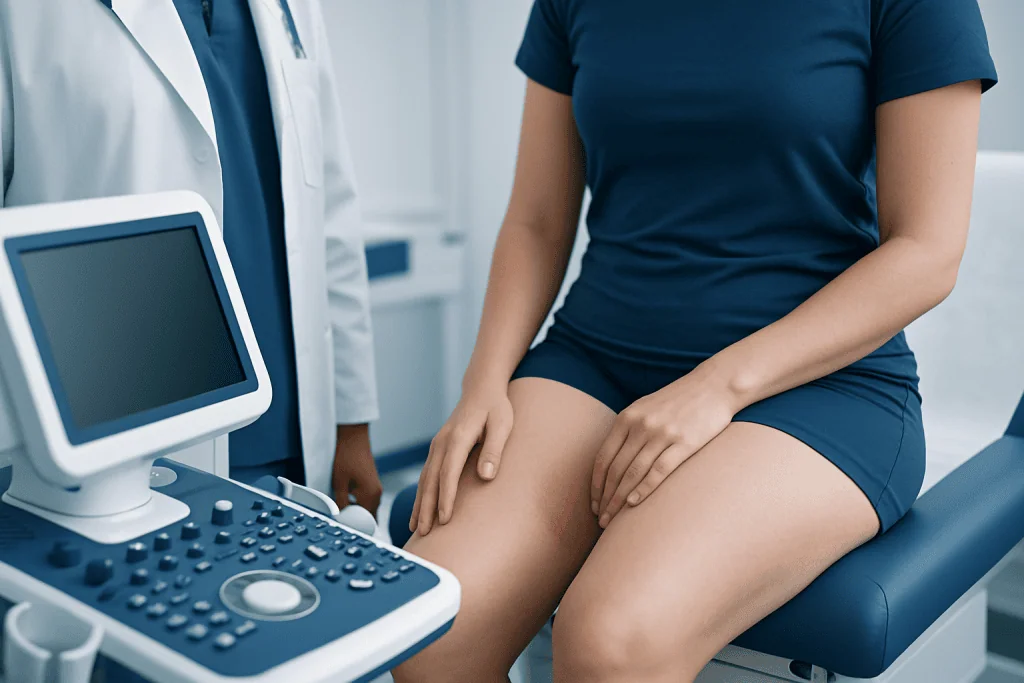
Early chafing may feel like warmth, sensitivity, itching, tingling, or a mild burning sensation between the thighs. The skin may look pink, red, darker than the surrounding skin, shiny, or mildly swollen. The appearance can vary depending on natural skin tone, so discomfort and skin texture changes can be as important as visible redness.
As friction continues, the area may become tender, dry, scaly, or cracked. More severe chafing can produce superficial skin loss, soreness when walking, and pain when sweat, urine, or fabric touches the area. A thin crust may form as the surface begins to heal.
Chafing itself does not usually cause blisters, pus, a strong odor, or a sharply expanding rash. These signs can suggest a different problem or a complication. For example, a bright red rash with small spots at its edge may be associated with yeast, while a rash that follows the outline of a new garment or product may indicate contact irritation or allergy.
Why Chafing Happens: Common Triggers and Risk Factors

The main cause of inner thigh chafing is repeated mechanical friction. This may happen when bare skin touches skin, when seams or rough fabric repeatedly rub against the thigh, or when clothing shifts during movement. Long walks, running, hiking, cycling, and sports can all increase the chance of chafing, especially when activity is longer or more intense than usual.
Moisture is an important contributor. Perspiration, wet swimwear, damp underwear, and humid conditions soften the outer skin layer and increase friction. Tight, poorly fitting, abrasive, or non-breathable clothing may trap heat and moisture. Conversely, loose garments that bunch or have prominent seams can also create rubbing in a particular spot.
People may be more prone to chafing during hot weather, after changes in body size, during pregnancy, or when they have skin folds that retain moisture. Sensitive skin, eczema, and irritation from fragranced laundry products or body products can make the skin barrier less resilient. Repeated symptoms do not mean that someone has poor hygiene; they often reflect a combination of anatomy, activity, climate, and clothing.
- Long-distance walking, running, or cycling
- Warm or humid weather and heavy sweating
- Damp clothing or delayed changing after exercise
- Ill-fitting underwear, shorts, or trousers
- Seams, tags, rough fabrics, or fabric bunching
- Skin conditions that weaken the skin barrier
Caring for Chafed Inner Thigh Skin
When chafing begins, the first step is to reduce rubbing. A person can pause the activity if possible, change out of damp clothing, and gently rinse the area with lukewarm water. Mild, fragrance-free cleanser may be used if needed, but scrubbing, exfoliating, or using strongly scented products can worsen irritation. The skin should be patted dry rather than rubbed with a towel.
A simple protective barrier may help shield intact or mildly irritated skin from further friction. Options can include plain petroleum jelly, zinc oxide-based barrier products, or an unscented anti-chafing product designed for skin. Products should be applied to clean, dry skin and stopped if they cause burning, worsening redness, or a new rash. People should avoid placing potentially irritating products, including perfumed lotions or alcohol-containing sprays, on broken skin.
Breathable, smooth, moisture-wicking underwear or fitted shorts can reduce skin-on-skin friction during healing. It may also help to choose soft fabrics without rough seams in the affected area. If the skin is open, it is sensible to avoid activities that repeatedly reopen it until soreness has improved. A non-stick dressing may be useful in some situations, but medical advice is appropriate for larger areas of skin breakdown.
Over-the-counter pain relief may be suitable for some people with discomfort, provided it is used according to the product label and is safe for their individual health needs. A pharmacist or doctor can advise those who are pregnant, take regular medicines, have kidney, liver, stomach, bleeding, or allergy concerns, or are treating a child.
Preventing Inner Thigh Chafing During Daily Life and Exercise
Prevention focuses on managing friction and moisture before they irritate the skin. Before exercise or long periods of walking, applying a suitable barrier product to areas that commonly rub can be helpful. Some people prefer petroleum-based barriers, while others use anti-chafing balms, powders, or moisture-wicking garments. The best choice is usually one that is comfortable, non-irritating, and practical for the planned activity.
Clothing selection matters. Well-fitting shorts, leggings, or underwear with smooth, flat seams may create a physical layer between the thighs. Moisture-wicking fabrics can be useful during sport, while cotton or other breathable materials may be comfortable for lower-intensity daily activities. Clothing should be washed regularly with a gentle detergent, particularly if the skin is sensitive.
Changing promptly after sweating, swimming, or exercise limits moisture exposure. During longer activities, carrying a spare pair of underwear or shorts and reapplying a barrier product may reduce risk. Building up activity gradually can also give the skin time to adapt, especially before a new training program, holiday involving extensive walking, or endurance event.
If chafing happens frequently despite these steps, it is worth discussing with a healthcare professional. They can check whether an underlying rash, infection, excessive sweating, skin-fold inflammation, or another skin concern is contributing to the problem.
When to Seek Medical Care
Most mild cases of inner thigh chafing improve within a few days once rubbing and moisture are controlled. Medical assessment is recommended if pain is severe, the skin is extensively broken, symptoms are worsening, or the rash does not start improving after several days of careful self-care. A doctor can identify whether the irritation is truly chafing and recommend treatment suited to the cause.
Prompt medical care is important if there is spreading redness, marked swelling, increasing warmth, pus or other drainage, fever, red streaks, or feeling generally unwell. These can be signs of skin infection. People with diabetes, reduced circulation, a weakened immune system, or a history of recurrent skin infections should seek advice earlier for any persistent open or inflamed area.
A clinician should also assess recurrent rashes in the groin or inner thigh, particularly when there is intense itch, scaling, an unusual border, odor, or symptoms that return after using barrier products. These features may point to a fungal infection, inflammatory skin condition, or a reaction to a product rather than friction alone. Acibadem International’s multidisciplinary specialists and JCI-accredited hospitals can assess persistent skin concerns and help guide appropriate care for international patients.
Conditions That Can Resemble Chafing
Because the inner thigh is warm and prone to moisture, several conditions can look similar to chafing. Fungal infections may cause itching, scaling, and a more defined or expanding edge. Yeast-related skin-fold irritation can be bright red, moist, and accompanied by small red spots beyond the main rash. These conditions need different treatment from simple friction and may not improve with barrier care alone.
Contact dermatitis is another possibility. It occurs when skin reacts to an irritant or allergen, such as fragranced soap, a detergent, fabric dye, adhesive, shaving product, or topical cream. The rash may be itchy and can appear in a pattern that matches the area of product or fabric contact. Stopping a suspected trigger and seeking advice can help clarify the cause.
Eczema, psoriasis, bacterial skin infections, and hidradenitis suppurativa may also affect the groin or upper thighs. Lumps, recurrent boils, draining tunnels, thick scaling, or symptoms beyond the areas of friction are not typical of straightforward chafing. Diagnosis is usually based on the skin’s appearance, symptom history, relevant exposures, and occasionally tests such as a skin swab or fungal sample.
Frequently asked questions
How long does skin chafing on the inner thigh take to heal?
Mild chafing often starts to settle within a few days when friction is avoided and the skin is kept clean, dry, and protected. More severe chafing with broken skin can take longer. If it is not improving after several days or is worsening, medical advice is recommended.
Is it safe to put petroleum jelly on inner thigh chafing?
Plain petroleum jelly can be used as a protective barrier for many people, particularly on intact or mildly irritated skin. It should be applied to clean, dry skin and stopped if it causes irritation. Open, severely painful, or infected-looking skin should be assessed by a healthcare professional.
Can inner thigh chafing become infected?
Damaged skin can allow bacteria to enter, although most cases of chafing do not become infected. Increasing pain, spreading redness, warmth, swelling, pus, fever, or feeling unwell need prompt medical attention. Keeping the area gently clean and reducing further rubbing can lower the chance of complications.
Why does inner thigh chafing keep coming back?
Recurring chafing usually means that friction, sweat, clothing fit, or activity patterns are continuing to affect the same area. It can also occur when an underlying fungal infection, skin-fold rash, eczema, or product reaction is mistaken for chafing. A clinician can help identify the cause when symptoms are frequent or persistent.
Should a person use powder for thigh chafing?
Some people find that anti-chafing powders help keep skin dry, but powders may clump when mixed with sweat and can irritate sensitive or broken skin. A barrier balm or moisture-wicking clothing may be a better option for some individuals. It is best to avoid inhaling powders and to stop use if irritation occurs.
Can shaving make inner thigh chafing worse?
Shaving can temporarily make skin more sensitive and may cause small cuts, razor burn, or ingrown hairs, which can make friction feel more uncomfortable. Using a gentle technique, avoiding fragranced products, and allowing irritated skin to recover before intensive activity may help. Persistent bumps, pus, or painful lumps should be evaluated by a doctor.
References
- American Academy of Dermatology Association
- National Health Service
- Mayo Clinic
- Centers for Disease Control and Prevention
- Merck Manual Consumer Version
This article is for general information only and is not a substitute for professional medical advice. Please consult a qualified doctor about your individual situation.
Explore treatments in Turkey — costs, top hospitals & a free quote
JCI-accredited · board-certified surgeons · reply within 24h
Add us as a Preferred Source to see more of our trusted health content across Google Search, AI Overviews and Discover.

More from the Health Library



Related Specialists

Prof. Dr. Erhan Serin
Orthopedic Surgery & Traumatology
Dr. Zeynep Göksu Saydam
Emergency Service
Prof. Dr. Kaan Erler
Orthopedic Surgery & Traumatology
Dr. Burcu Yılmaz
Gynecology & Obstetrics