Heating Pad for IBS Pain: Possible Causes and When to Seek Care

Gentle heat may temporarily reduce IBS-related cramping, bloating discomfort, and muscle tension. A heating pad does not treat IBS itself or rule out other causes of abdominal pain.
Key Takeaways
- Gentle heat may temporarily reduce IBS-related cramping, bloating discomfort, and muscle tension.
- A heating pad does not treat IBS itself or rule out other causes of abdominal pain.
- Use a low setting, place a cloth barrier between the pad and skin, and avoid sleeping with it on.
- IBS pain may be influenced by bowel changes, food triggers, stress, sleep, and gut sensitivity.
- Severe, new, persistent, or alarming abdominal symptoms need timely medical assessment.
A heating pad for IBS pain can provide short-term comfort for some people by applying gentle warmth to the abdomen or lower back. It should be used carefully on a low setting and alongside a broader plan for identifying triggers, managing symptoms, and checking new or concerning pain with a doctor.
Heating Pad for IBS Pain: Does It Help?
A heating pad for IBS pain may help some people feel more comfortable during episodes of abdominal cramping, pressure, or bloating. Gentle warmth can relax the muscles of the abdominal wall and may reduce the sensation of cramping for a short time. The effect is supportive rather than curative: heat does not treat the underlying gut sensitivity associated with irritable bowel syndrome (IBS).
IBS is a common disorder of gut-brain interaction. It can cause recurring abdominal pain linked with changes in bowel habits, such as diarrhea, constipation, or both. Symptoms can fluctuate over time, so a heat pad may be useful as one practical comfort measure within an individualized plan developed with a healthcare professional.
Not all abdominal pain is caused by IBS. A person should not assume that a new, unusually intense, or changing pattern of pain is IBS simply because heat provides some relief. A medical evaluation is important when symptoms have not been diagnosed, have changed significantly, or occur with warning signs.
How Heat May Ease Cramping and Discomfort
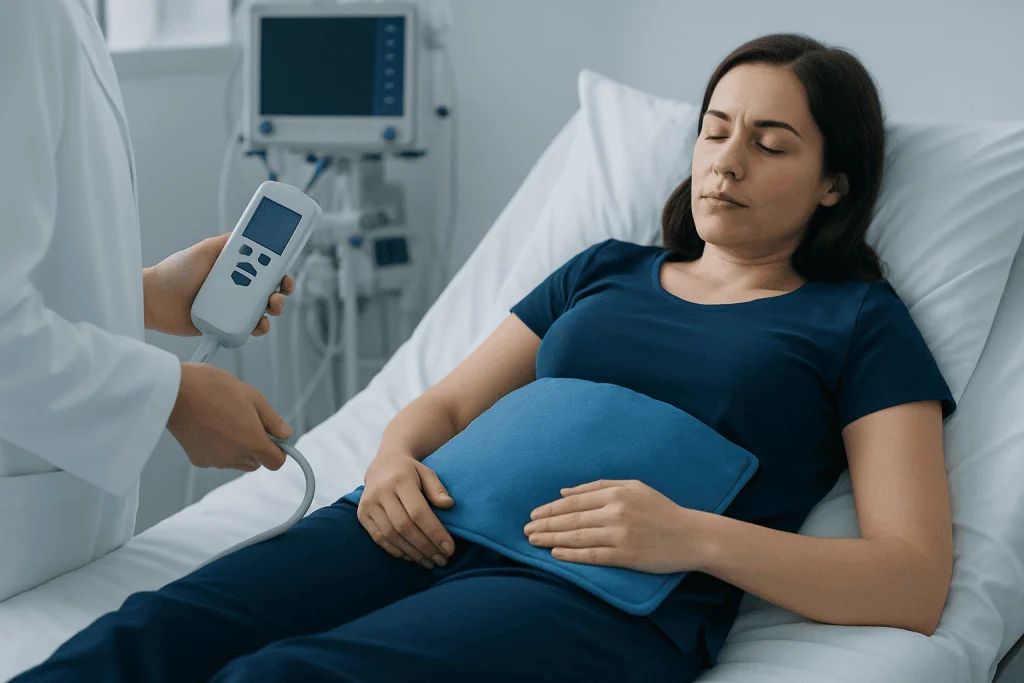
Heat can create a soothing sensation by warming the skin and nearby muscles. For IBS-related discomfort, this may ease muscle guarding in the abdomen and lower back and help a person feel more physically relaxed. Warmth may also offer a calming sensory input, which can be valuable because stress and nervous-system sensitivity can amplify the experience of gut pain.
The benefit varies from person to person. Some people find heat most helpful for cramping during constipation-predominant IBS or around bowel movements, while others prefer it for general bloating discomfort. It may be less useful for sharp, severe, or localized pain, which should be assessed rather than repeatedly managed at home.
Heat therapy is usually best viewed as a symptom-relief tool, similar to resting, gentle movement, relaxation breathing, or a warm bath. It can be combined with doctor-recommended dietary and medical approaches, but it should not delay evaluation of symptoms that may have another cause.
Using a Heating Pad Safely

To use a heating pad safely, choose a low or gentle heat setting and place it over clothing or a thin towel rather than directly on bare skin. Use it for a limited period, often around 15 to 20 minutes at a time, then check the skin for redness or irritation. Follow the manufacturer’s instructions, particularly if the device has an automatic shut-off feature.
A person should not sleep with an electric heating pad, use a damaged pad or cord, or apply heat to skin that is numb, irritated, injured, or has reduced sensation. Extra care is important for people with diabetes, circulation problems, nerve damage, or conditions that make it difficult to sense temperature accurately. A warm, not hot, water bottle wrapped in a towel may be an alternative, although it can also cause burns if too hot.
Stop using the pad if there is burning, persistent redness, rash, worsening pain, dizziness, or discomfort. Avoid placing heavy pressure over the pad and do not use heat together with topical pain-relief products unless a clinician or pharmacist has confirmed that the combination is appropriate.
Why IBS Pain Can Flare
IBS pain is thought to involve altered communication between the gut and the brain. The bowel may become more sensitive to normal stretching from food, gas, or stool, making everyday digestive activity feel painful or uncomfortable. Changes in bowel movement patterns can further contribute to cramping, urgency, incomplete evacuation, or abdominal fullness.
Common symptom triggers differ between individuals. They can include certain meals, large portions, fatty foods, alcohol, caffeine, carbonated drinks, disrupted routines, poor sleep, infection, hormonal changes, and emotional stress. Some people notice symptoms after foods containing certain fermentable carbohydrates, but broad food restriction without professional guidance can make nutrition unnecessarily difficult.
Keeping a simple record of meals, symptoms, bowel habits, sleep, and stress can help identify useful patterns. However, symptoms are not always linked to one food or event. A clinician can help distinguish IBS from other digestive conditions and suggest a plan that fits the person’s symptoms and health history.
Other Ways to Manage IBS-Related Pain
Regular routines can help many people reduce IBS symptom disruption. Eating at consistent times, chewing slowly, staying hydrated, and allowing enough time for bowel movements may be useful starting points. For constipation, gradually increasing soluble fiber may help some people, while others may need individualized advice because a rapid increase in fiber can worsen gas and bloating.
Gentle physical activity, such as walking, can support bowel function and stress management. Relaxation techniques, mindfulness, diaphragmatic breathing, and psychological therapies designed for IBS may also reduce the impact of symptoms for some people. These approaches acknowledge the gut-brain connection; they do not mean that symptoms are imagined.
A doctor may recommend treatments based on whether diarrhea, constipation, pain, bloating, or urgency is the main concern. This can include dietary guidance, fiber strategies, medicines for bowel symptoms, or therapies that target gut pain and stress-related symptom amplification. Treatment should be individualized, especially for people who are pregnant, have chronic illnesses, or take regular medications.
When to Seek Medical Care
Medical care is appropriate when abdominal pain is new, persistent, increasingly frequent, or different from a person’s usual IBS symptoms. It is also sensible to arrange an appointment when symptoms interfere with work, sleep, eating, travel, or quality of life, even if no urgent warning signs are present. IBS can often be managed more effectively when the main symptom pattern is clearly identified.
Urgent assessment is needed for severe or rapidly worsening abdominal pain, fainting, persistent vomiting, a swollen or rigid abdomen, or an inability to pass stool or gas with significant pain. A person should also seek prompt medical advice for blood in the stool, black stools, fever, unexplained weight loss, anemia, symptoms that wake them from sleep, or a family history of colorectal cancer, inflammatory bowel disease, or celiac disease.
These signs do not necessarily indicate a serious condition, but they are not typical features to manage as IBS alone. A healthcare professional may perform a physical examination, review medications and diet, and arrange blood, stool, imaging, or endoscopic tests when appropriate to exclude other causes.
Diagnosis and Ongoing Support
Doctors diagnose IBS by considering the pattern of abdominal pain and bowel changes, the duration of symptoms, medical history, and the absence of features suggesting another disorder. Testing is not always extensive, but it may be recommended based on age, symptoms, family history, and examination findings. Conditions such as celiac disease, inflammatory bowel disease, infection, food intolerance, and gynecological or urinary conditions may need consideration in some cases.
IBS is a long-term condition for many people, but symptoms can often be improved through a combination of education, lifestyle adjustments, dietary support, and targeted treatment. Reviewing symptom management periodically is useful because the pattern of IBS can change over time and because a strategy that works during one flare may not be sufficient during another.
For international patients who need assessment of persistent digestive symptoms, Acibadem International’s multidisciplinary specialists and JCI-accredited hospitals diagnose and treat digestive conditions, including IBS, with care plans based on individual clinical needs.
Frequently asked questions
Can a heating pad make IBS pain go away?
A heating pad may temporarily ease cramping or abdominal discomfort, but it does not make IBS go away or treat its underlying mechanisms. Relief can vary, and heat works best as one part of a broader symptom-management plan. Persistent or changing pain should be discussed with a doctor.
Where should a heating pad be placed for IBS cramps?
Many people place a heating pad over the lower or middle abdomen where cramping is felt. It may also be placed over the lower back if that area feels tense or achy. Use a cloth barrier and a low setting to help protect the skin.
How long can a heating pad be used for stomach cramps?
Short sessions, commonly about 15 to 20 minutes, are generally a cautious approach, with breaks to check the skin. The pad should not be used while sleeping or left on for prolonged periods. The device manufacturer’s safety instructions should always be followed.
Is heat better for IBS with constipation or diarrhea?
Heat may provide comfort for abdominal cramping in either constipation-predominant or diarrhea-predominant IBS. It does not directly correct constipation or diarrhea, however. The most useful treatment plan depends on the person’s main symptoms and triggers.
Can a heating pad cause burns?
Yes. Burns or skin irritation can occur if a heating pad is too hot, used too long, placed directly on skin, or used during sleep. People with reduced skin sensation or circulation problems should consult a healthcare professional before using heat therapy.
When is abdominal pain unlikely to be IBS?
Pain that is severe, new, steadily worsening, localized to one area, or associated with fever, vomiting, bleeding, weight loss, or black stools needs medical assessment. These symptoms can have many causes and should not be attributed to IBS without professional advice. A doctor can determine whether tests are needed.
References
- National Institute of Diabetes and Digestive and Kidney Diseases
- American College of Gastroenterology
- National Institute for Health and Care Excellence
- International Foundation for Gastrointestinal Disorders
This article is for general information only and is not a substitute for professional medical advice. Please consult a qualified doctor about your individual situation.
Persistent digestive symptoms? Get evaluated in Turkey
JCI-accredited · board-certified surgeons · reply within 24h
Add us as a Preferred Source to see more of our trusted health content across Google Search, AI Overviews and Discover.