Neurotoxicity — Explained by Medical Evidence, Not Myths

Neurotoxicity is a medical term for injury or impaired function affecting the nervous system. Symptoms vary widely and may include tingling, weakness, balance problems, confusion, tremor, seizures, or changes in vision and hearing.
Key Takeaways
- Neurotoxicity is a medical term for injury or impaired function affecting the nervous system.
- Symptoms vary widely and may include tingling, weakness, balance problems, confusion, tremor, seizures, or changes in vision and hearing.
- Medicines can be neurotoxic in some circumstances, but they should never be stopped suddenly without advice from the prescribing clinician.
- Diagnosis depends on the timing of symptoms, possible exposures, medical history, examination, and selected laboratory or imaging tests.
- Urgent care is important for sudden weakness, seizures, loss of consciousness, severe confusion, or rapidly worsening neurological symptoms.
Neurotoxicity means harmful effects on the brain, spinal cord, or peripheral nerves. It can result from certain medicines, environmental exposures, infections, or health conditions, and prompt medical assessment can often identify treatable or reversible causes.
Neurotoxicity: what it means
Neurotoxicity is damage to, or abnormal functioning of, the nervous system after exposure to a harmful substance or because of a medical condition. The nervous system includes the brain, spinal cord, and the network of nerves that carries messages between the brain and the rest of the body. Effects may be temporary, long-lasting, or progressive, depending on the cause, dose, duration of exposure, and how quickly it is recognized.
Neurotoxicity is not one single disease. It is a clinical description used when a substance, treatment, or illness may be affecting nerve cells or their supporting tissues. For example, some people develop numbness and burning pain in the hands and feet, while others experience memory changes, unsteadiness, muscle weakness, tremor, or seizures.
Importantly, the word does not mean that every exposure to a chemical or medicine has caused permanent brain damage. Many suspected cases have other explanations, and many neurotoxic effects improve when the underlying cause is addressed. A careful medical evaluation is the best way to distinguish a possible neurotoxic effect from other neurological conditions.
Symptoms and patterns of neurotoxicity
Symptoms depend on which part of the nervous system is affected. Peripheral nerves, particularly the long nerves to the feet and hands, are commonly involved in some medication- or toxin-related conditions. This pattern may cause pins and needles, numbness, burning or electric-shock sensations, sensitivity to touch, cramps, reduced reflexes, or difficulty judging temperature.
When the brain or spinal cord is involved, symptoms can include headache, dizziness, poor coordination, tremor, changes in speech, altered vision, confusion, drowsiness, mood changes, memory difficulties, or seizures. Some symptoms begin soon after an exposure, whereas others emerge gradually after repeated exposure over weeks, months, or years.
Symptoms alone cannot confirm neurotoxicity. Tingling and weakness can also occur with diabetes, vitamin deficiencies, thyroid disease, autoimmune disorders, nerve compression, stroke, and many other conditions. The pattern, timing, associated symptoms, and medication or exposure history help clinicians decide what testing may be appropriate.
- Sensory symptoms: numbness, tingling, pain, reduced sensation, or altered temperature perception.
- Movement symptoms: tremor, weakness, poor balance, clumsiness, or walking difficulty.
- Cognitive symptoms: reduced attention, confusion, slowed thinking, memory changes, or unusual sleepiness.
- Severe symptoms: seizures, fainting, loss of consciousness, sudden inability to speak, or new paralysis.
Causes and risk factors: separating evidence from myths

Many substances can affect the nervous system at sufficiently high doses or in susceptible individuals. Potential causes include certain prescription medicines, cancer treatments, anesthetic agents, illicit drugs, alcohol, heavy metals such as lead or mercury, industrial solvents, carbon monoxide, and some pesticides. Infections, liver or kidney failure, severe nutritional deficiencies, and major disturbances in blood sugar or electrolytes can also produce symptoms that resemble, or contribute to, neurotoxicity.
Medication-related neurotoxicity is an important clinical issue, especially when medicines accumulate because kidney or liver function is reduced, when several medicines interact, or when treatment is given at higher intensity. However, a medicine being listed as potentially neurotoxic does not mean it is unsafe for everyone. Clinicians weigh known risks against expected benefits and may monitor symptoms, blood tests, organ function, or nerve function during treatment.
A common myth is that ordinary contact with everyday products automatically causes neurotoxicity. Evidence of harm depends on the particular substance, route of exposure, amount, frequency, and individual circumstances. Another myth is that “detox” products can reverse neurological injury. There is no reliable evidence that unregulated detox regimens remove toxins from the nervous system, and some supplements can interact with medicines or cause harm themselves.
Risk may be higher in people with older age, pre-existing neuropathy, diabetes, kidney or liver disease, poor nutritional status, heavy alcohol use, occupational exposure, or multiple medications. These factors do not guarantee neurotoxicity; they simply make individualized assessment and prevention especially important.
How clinicians investigate suspected neurotoxicity
Assessment usually starts with a detailed timeline. A clinician may ask when symptoms began, whether they followed a new medication or dose change, the type of work or environmental exposures involved, use of alcohol or supplements, recent infections, and other health conditions. Bringing an up-to-date list of all prescription medicines, over-the-counter products, vitamins, and herbal preparations can be very helpful.
A neurological examination checks strength, sensation, reflexes, coordination, walking, eye movements, speech, and mental status. Depending on the symptoms, clinicians may order blood and urine tests to look for metabolic changes, vitamin deficiencies, organ dysfunction, inflammation, or selected toxic exposures. Testing is chosen carefully because broad, non-targeted toxin panels may be difficult to interpret and can lead to unnecessary concern.
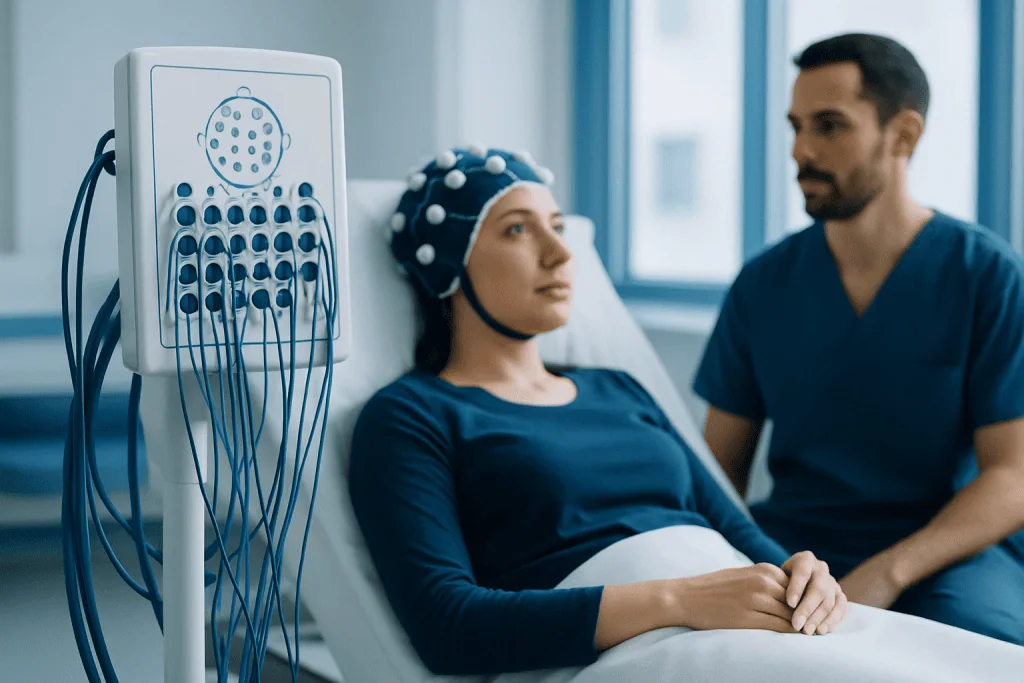
Further tests may include nerve conduction studies and electromyography to assess peripheral nerve and muscle function. Brain or spinal imaging may be used when symptoms suggest a structural neurological problem, while an electroencephalogram can help evaluate possible seizures. In some situations, specialists in neurology, toxicology, occupational medicine, oncology, or pharmacy contribute to diagnosis.
Treatment options and recovery
Treatment focuses first on identifying and safely reducing or stopping the responsible exposure, when possible. If a prescribed medicine is suspected, the patient should contact the prescribing clinician promptly rather than independently stopping treatment. The clinician may adjust the dose, change the schedule, choose an alternative medicine, or recommend monitoring while balancing the need to treat the underlying condition.
Supportive treatment is tailored to the symptoms and cause. It may include correction of vitamin, electrolyte, kidney, liver, or blood sugar problems; treatment of infection or inflammation; pain management for neuropathic pain; physical therapy for weakness or balance; occupational therapy for daily activities; and speech or cognitive rehabilitation where needed. Severe poisoning or overdose may require emergency treatment, antidotes for selected substances, or hospital monitoring.
Recovery differs from person to person. Some effects improve over days to weeks after the exposure is addressed, while peripheral nerve recovery can take months because nerves heal slowly. In some cases, symptoms may not fully resolve, making rehabilitation, fall prevention, and long-term symptom management important parts of care.
Acibadem International’s multidisciplinary specialists and JCI-accredited hospitals assess neurological symptoms and coordinate diagnostic and treatment planning for international patients when clinically appropriate.
Prevention and practical self-care
Prevention begins with using medicines exactly as prescribed and attending recommended follow-up appointments. Patients receiving treatments known to sometimes affect nerves should report new tingling, pain, weakness, balance changes, confusion, or hearing and vision changes early. Early reporting may allow the care team to investigate symptoms before they become more disruptive.
At home and at work, follow safety labels and workplace procedures for chemicals, solvents, pesticides, and metals. Use recommended protective equipment, ensure adequate ventilation, store hazardous substances safely, and avoid mixing cleaning products. Carbon monoxide alarms should be installed and maintained according to local safety guidance, especially near fuel-burning appliances.
A balanced diet, adequate hydration, management of diabetes and other chronic conditions, limited alcohol intake, and regular physical activity within a person’s abilities can support overall nerve health. Supplements should not be used as a substitute for medical assessment. A person considering vitamins or herbal products should discuss them with a clinician or pharmacist, particularly if they take regular medicines or have kidney or liver disease.
When to seek medical care
Medical advice should be sought promptly for new or persistent numbness, burning pain, tremor, weakness, falls, balance problems, marked fatigue, memory changes, or confusion, especially when symptoms begin after a medication change or possible chemical exposure. It is useful to note what occurred before symptoms began, including the names of products used, workplace tasks, and timing of doses.
Emergency care is needed for seizures, loss of consciousness, sudden severe confusion, difficulty breathing, severe headache with neurological symptoms, sudden weakness or numbness on one side, facial drooping, new trouble speaking, or sudden loss of vision. These symptoms can have causes other than neurotoxicity, including stroke, and should not be managed at home.
For a suspected poisoning or significant exposure, local emergency services or a poison control center can provide immediate guidance. If it is safe to do so, keep the product container or medication packaging available for healthcare professionals, but do not induce vomiting or take unproven remedies unless specifically instructed.
Frequently asked questions
Is neurotoxicity reversible?
Neurotoxicity can be reversible, particularly when the cause is identified early and the exposure can be safely reduced or stopped. Recovery depends on the substance involved, the duration and severity of exposure, and whether permanent injury to nerve tissue has occurred. Some people need rehabilitation or ongoing symptom treatment while nerves recover.
Can medications cause neurotoxicity?
Some medicines can affect the nervous system, particularly at high doses, with prolonged use, in combination with interacting medicines, or when kidney or liver function is reduced. This does not mean patients should stop a prescribed medicine on their own. A prescribing clinician can assess whether symptoms may be medication-related and discuss safe alternatives or adjustments.
What does neurotoxicity feel like?
It may feel like tingling, burning, numbness, unusual sensitivity, weakness, tremor, dizziness, imbalance, or slowed thinking. The experience differs according to the affected nerves or brain regions. Because these symptoms are nonspecific, a medical assessment is needed to identify the cause.
How is neurotoxicity tested?
There is no single test that confirms every form of neurotoxicity. Clinicians use the symptom timeline, physical and neurological examination, medication and exposure history, and selected blood, urine, nerve-function, imaging, or seizure tests. Testing is guided by the suspected cause and the symptoms present.
Can supplements detox the nervous system?
There is no established evidence that commercial detox products remove toxins from the nervous system or reverse neurological damage. Some supplements may interact with prescribed treatments or cause side effects, especially at high doses. The safest approach is to seek medical advice about possible exposures and evidence-based treatment.
When is suspected neurotoxicity an emergency?
Emergency assessment is important for seizures, unconsciousness, serious breathing difficulty, sudden confusion, severe weakness, or symptoms of stroke such as facial drooping, one-sided weakness, or trouble speaking. Rapidly worsening symptoms after a suspected poisoning also need urgent help. Emergency professionals can determine the cause and provide time-sensitive care.
References
- World Health Organization
- National Institute of Neurological Disorders and Stroke
- Centers for Disease Control and Prevention
- National Institute for Occupational Safety and Health
- U.S. Food and Drug Administration
This article is for general information only and is not a substitute for professional medical advice. Please consult a qualified doctor about your individual situation.
Joint and spine care in Turkey — expert assessment & treatment
JCI-accredited · board-certified surgeons · reply within 24h
Add us as a Preferred Source to see more of our trusted health content across Google Search, AI Overviews and Discover.