Sleep Bra: A Complete Medical Overview

Most people do not need to wear a bra while sleeping; comfort is the main reason to choose one. A sleep bra should feel soft, breathable, supportive and nonrestrictive, without painful wires or tight bands.
Key Takeaways
- Most people do not need to wear a bra while sleeping; comfort is the main reason to choose one.
- A sleep bra should feel soft, breathable, supportive and nonrestrictive, without painful wires or tight bands.
- There is no good evidence that sleeping in a bra prevents breast sagging, causes breast cancer or blocks lymphatic drainage.
- Nighttime breast pain, a new lump, skin changes or nipple discharge should be assessed by a qualified healthcare professional.
- People recovering from breast surgery should follow their surgeon's specific advice about postoperative support garments.
A sleep bra is a soft, nonrestrictive bra worn at night for personal comfort rather than medical necessity. It may help some people feel more supported during breast tenderness, pregnancy, breastfeeding, or recovery periods, but it does not prevent breast sagging or change breast shape permanently.
What Is a Sleep Bra?
A sleep bra is a bra designed or chosen for nighttime wear. It is usually made from soft, breathable fabric and has a gentler structure than a typical daytime bra. Many have wide straps, a smooth underband and no underwire, although the features vary between designs. Its purpose is comfort: it may reduce the sensation of breast movement, rubbing or heaviness while a person is lying down or changing positions during sleep.
For most people, a sleep bra is entirely optional. The breasts do not need external support overnight for health, and choosing to sleep without a bra is also normal. Some people sleep more comfortably with light support, while others find any bra distracting or restrictive. The best choice is the one that allows restful sleep without pressure, pain, overheating or skin irritation.
It is important to separate comfort claims from medical claims. Current evidence does not show that wearing a bra to sleep prevents breast sagging, permanently lifts the breasts, improves breast health or prevents breast disease. Breast shape changes over time are influenced by factors such as age, genetics, pregnancy, body-weight changes, skin elasticity and smoking, rather than whether someone wears a bra at night.
Who May Find a Sleep Bra Comfortable?
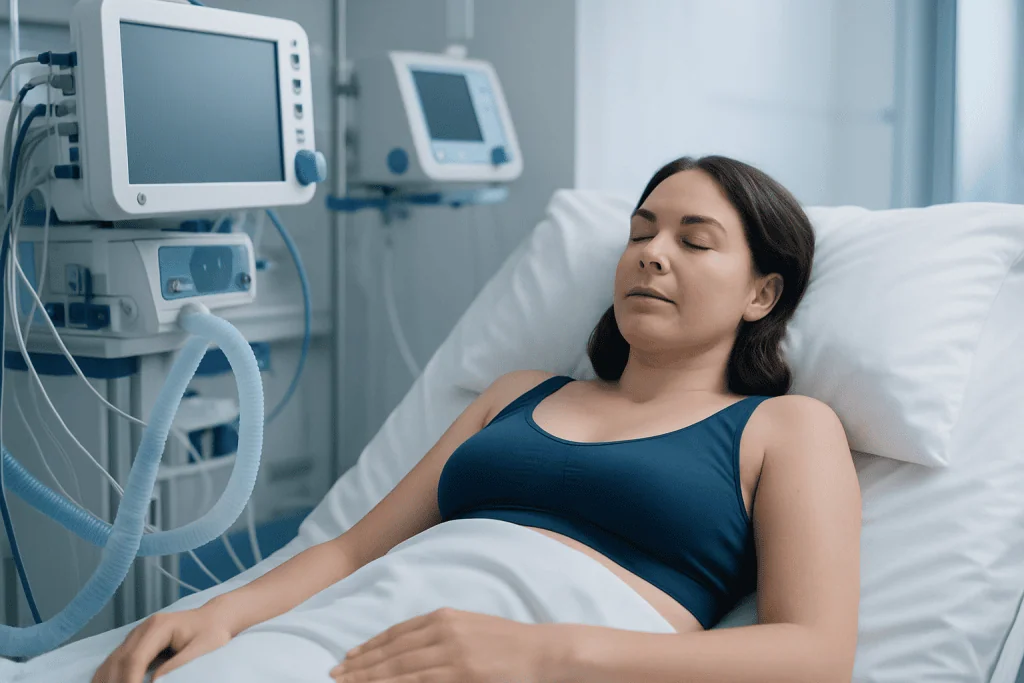
A sleep bra can be useful for people who prefer a feeling of gentle containment while sleeping. This may include people with larger or heavier breasts, those who sleep on their side or stomach, and those who notice discomfort from breast movement when turning in bed. For some, a soft bralette, camisole with a shelf bra, or light-support sports bra may provide a similar effect.
Hormonal breast tenderness can also make nighttime support feel helpful. Breast fullness or sensitivity may occur before a menstrual period, around ovulation, during perimenopause, in pregnancy, or while breastfeeding. In these situations, a noncompressive garment may lessen movement-related discomfort, but it does not treat the underlying hormonal changes. Supportive measures such as a well-fitting daytime bra, warm or cool compresses, rest and advice from a clinician may also help depending on the cause.
After breast surgery, reconstruction or certain procedures, a clinician may recommend a specific postoperative bra or compression garment for a defined period. This is different from an ordinary sleep bra. The garment type, fit and duration should be based on the operating surgeon’s instructions, because requirements vary by procedure and stage of healing.
Potential Benefits and Common Misconceptions

The main possible benefit of a sleep bra is improved comfort. It may reduce friction between the breasts and chest wall, limit movement that feels uncomfortable, and provide a sense of security for someone experiencing temporary breast sensitivity. A soft layer of fabric can also be practical during breastfeeding for holding nursing pads in place, provided it is changed when damp and does not compress the breast.
One common belief is that a bra worn at night can stop the breasts from sagging. This has not been established by medical research. Breast ptosis, the medical term for drooping, is a natural change that can happen with aging and changes in breast volume and skin elasticity. Wearing a bra may change how the breasts look and feel while it is on, but it cannot permanently alter the supporting tissues.
Another myth is that sleeping in a bra causes breast cancer or prevents normal lymphatic drainage. There is no reliable evidence that bra use, including nighttime bra use, causes breast cancer. However, a bra that is too tight may leave marks, aggravate skin, worsen discomfort or disturb sleep. These are practical fit issues, not evidence of toxin buildup or impaired lymphatic function.
How to Choose a Safe, Comfortable Sleep Bra
A suitable sleep bra should feel comfortable from the moment it is put on. It should not dig into the shoulders, leave deep grooves, pinch beneath the breasts, restrict breathing or cause numbness or tingling. A band that stays in place without feeling tight is usually preferable. Since body size and breast fullness can fluctuate with hormonal changes, pregnancy, breastfeeding or weight changes, the most comfortable size may also change over time.
Many people prefer wire-free styles for sleep, because underwires can press into breast tissue or the rib cage when lying down. Soft, moisture-wicking fabrics may be useful for people who feel warm at night, sweat during sleep or have sensitive skin. Flat seams, tag-free designs and wide straps can reduce chafing. Those with skin sensitivities may benefit from washing new garments before use with a mild, fragrance-free detergent.
- Choose gentle support rather than firm compression.
- Make sure the band and straps do not roll, dig in or cause pain.
- Look for breathable fabric and smooth seams if skin irritation is a concern.
- Remove the bra if it becomes uncomfortable, damp, itchy or restrictive overnight.
- Replace stretched or misshapen bras, as they may shift and rub the skin.
A person does not need a specially marketed product to sleep comfortably. A well-fitting, soft bra or supportive sleep top may be enough. The label matters less than fit, fabric and personal comfort.
Sleep Bras During Pregnancy, Breastfeeding and Recovery
During pregnancy, breast size and sensitivity may change quickly. A soft sleep bra may feel reassuring and can help reduce rubbing at night. It should allow room for normal changes in breast size and should not create pressure points. If breast pain is severe, one-sided, persistent or accompanied by a lump, fever or skin redness, it should not be assumed to be a normal pregnancy-related symptom.
During breastfeeding, some people use a nursing sleep bra to support the breasts and keep absorbent pads in place. The bra should not be overly tight, as pressure on breast tissue can be uncomfortable and may contribute to blocked milk ducts in some individuals. Regular feeding or pumping, comfortable positioning and seeking lactation support when needed are generally more important than the type of bra worn at night.
Following breast surgery, including cosmetic surgery, cancer surgery or reconstruction, professional advice is essential. A postoperative bra may be prescribed to support healing, reduce swelling or protect incisions. Patients should not substitute a standard sleep bra for a medical garment unless their surgeon confirms it is appropriate. Acibadem International’s multidisciplinary specialists and JCI-accredited hospitals support international patients who need evaluation and treatment for breast-related concerns.
Skin Care, Sleep Quality and Practical Self-Care
If a sleep bra causes itching, rash, heat rash or soreness, taking a break from it is sensible. Gentle cleansing, thoroughly drying skin beneath the breasts, and changing out of sweaty clothing can help protect the skin barrier. Recurrent redness, scaling or irritation may be caused by friction, contact dermatitis, yeast overgrowth or another skin condition, and may need medical assessment rather than repeated changes of bra style.
Sleep quality should remain the priority. A bra that feels supportive while standing may become uncomfortable when lying down, especially if the clasp, straps or seams press against the body. Trying it for a short rest before wearing it through the night can help identify pressure areas. People who wake with shoulder pain, breast soreness, shortness of breath, indentations or itching may benefit from a looser, softer style or from sleeping without a bra.
Breast pain is common and is often not linked to cancer, particularly when it varies with the menstrual cycle or affects both breasts. Still, persistent pain deserves attention. Keeping a brief record of when pain occurs, its location, relationship to the menstrual cycle, and any associated symptoms can help a healthcare professional identify possible causes and recommend suitable care.
When to Seek Medical Care
A sleep bra should not be used to manage unexplained breast symptoms without medical advice. A doctor should assess a new breast lump or thickening, persistent focal pain, a change in breast size or shape, skin dimpling, nipple inversion that is new, bloody or spontaneous nipple discharge, or swollen lymph nodes near the armpit or collarbone. These symptoms often have noncancerous explanations, but timely evaluation is important.
Urgent medical advice is appropriate for a painful red, warm or swollen breast with fever or flu-like symptoms, particularly during breastfeeding, as infection may be possible. Prompt care is also needed for chest pain, trouble breathing, significant injury or rapidly worsening swelling. People with breast implants should seek clinical advice if they notice sudden shape changes, persistent pain or swelling.
For nonurgent concerns, a primary care clinician, gynecologist or breast specialist can review symptoms, examine the breasts and arrange imaging if appropriate. Continuing routine screening according to local guidance and individual risk is important. A comfortable sleep bra can be part of personal self-care, but it is not a substitute for breast awareness, screening or professional medical evaluation.
Frequently asked questions
Is it healthy to wear a sleep bra every night?
For most people, wearing a soft, well-fitting sleep bra is generally safe if it is comfortable and does not irritate the skin or disturb sleep. It is not medically necessary, and there is no health advantage to forcing oneself to wear one. A person should stop using it if it causes pain, tightness, rashes or pressure marks.
Does sleeping in a bra prevent sagging?
No good evidence shows that sleeping in a bra prevents breast sagging. Changes in breast shape are mainly related to aging, genetics, skin elasticity, pregnancy, changes in breast volume and body-weight changes. A bra can provide temporary support while it is worn but does not permanently change breast tissue.
Can a sleep bra cause breast cancer?
There is no reliable evidence that wearing a bra, including at night, causes breast cancer. Tight bras can cause discomfort, chafing or skin indentation, but these effects are not known to cause cancer. Any new lump, skin change or unusual nipple discharge should be checked by a healthcare professional regardless of bra use.
Should a sleep bra have an underwire?
Most people find a wire-free bra more comfortable for sleep because it is less likely to press into the ribs or breast tissue when lying down. Underwire is not inherently harmful if it fits well, but it may be uncomfortable overnight. Following breast surgery, patients should use the garment recommended by their surgical team.
Can breastfeeding mothers wear a sleep bra?
Yes, many breastfeeding mothers choose a soft nursing sleep bra for comfort and to hold breast pads. It should not be tight or compress the breast, and damp pads should be changed promptly. Breastfeeding people with fever, breast redness, a painful wedge-shaped area or worsening symptoms should seek medical advice.
When is breast pain a reason to see a doctor?
Breast pain should be assessed when it is persistent, focused in one area, worsening or unrelated to usual hormonal changes. Medical review is also important if pain occurs with a lump, nipple discharge, skin changes, redness, fever or swelling. Most breast pain is not caused by cancer, but an examination can identify the cause and guide treatment.
References
- American Cancer Society
- Centers for Disease Control and Prevention
- National Cancer Institute
- American College of Obstetricians and Gynecologists
- NHS
This article is for general information only and is not a substitute for professional medical advice. Please consult a qualified doctor about your individual situation.
Explore treatments in Turkey — costs, top hospitals & a free quote
JCI-accredited · board-certified surgeons · reply within 24h
Add us as a Preferred Source to see more of our trusted health content across Google Search, AI Overviews and Discover.
Check your numbers in seconds
BMI, calories, due date, blood pressure and 30+ more clinical calculators — free, instant, doctor-reviewed ranges.