Evar Procedure: What Patients Need to Know

EVAR is a minimally invasive procedure used to repair selected abdominal aortic aneurysms. A stent graft reinforces the weakened area of the aorta and redirects blood flow away from the aneurysm sac.
Key Takeaways
- EVAR is a minimally invasive procedure used to repair selected abdominal aortic aneurysms.
- A stent graft reinforces the weakened area of the aorta and redirects blood flow away from the aneurysm sac.
- Not every aneurysm has the anatomy needed for EVAR; a CT scan helps the vascular team decide.
- Recovery is often faster than after open aneurysm surgery, although individual recovery varies.
- Lifelong imaging surveillance is essential after EVAR to check the stent graft and aneurysm.
An EVAR procedure, or endovascular aneurysm repair, treats certain abdominal aortic aneurysms by placing a fabric-covered metal stent inside the aorta through small groin incisions. It can offer a less invasive alternative to open surgery for suitable patients, but it requires careful imaging assessment and long-term follow-up.
Overview: What Is an EVAR Procedure?
An EVAR procedure is a minimally invasive treatment for an abdominal aortic aneurysm (AAA), which is a bulge or widening in the main artery that carries blood from the heart through the abdomen. During the procedure, a specialist places a stent graft inside the aorta to create a new pathway for blood flow. This reduces pressure on the weakened aneurysm wall and helps lower the risk of rupture.
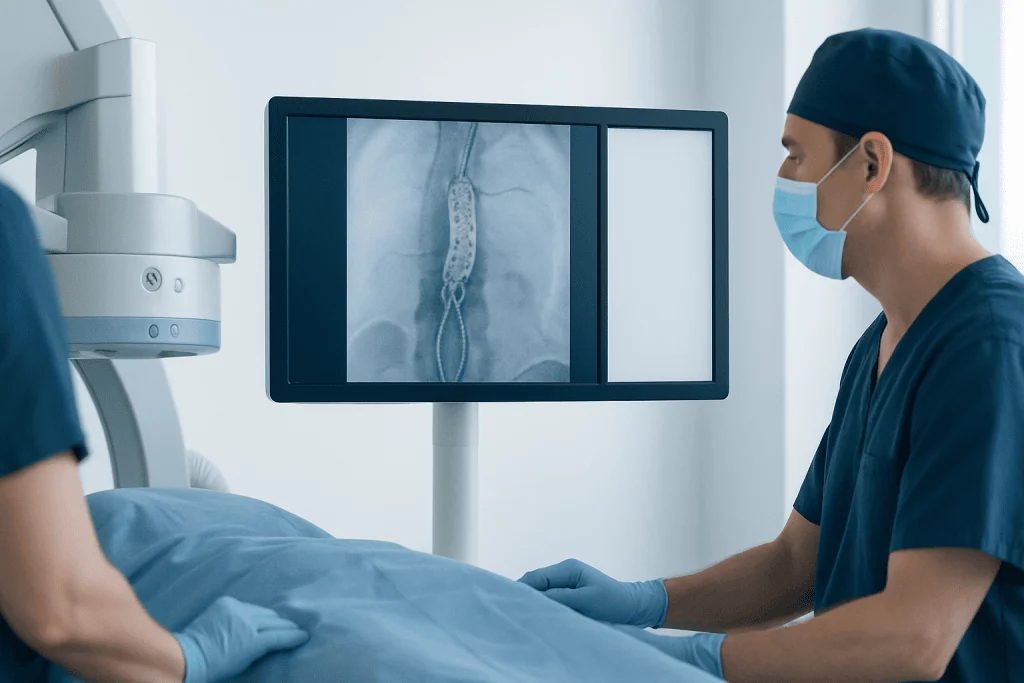
EVAR stands for endovascular aneurysm repair. “Endovascular” means that the treatment is performed from within the blood vessels rather than through a large abdominal incision. Thin tubes called catheters are usually inserted through arteries in the groin, then guided with X-ray imaging to the affected part of the aorta.
EVAR is generally planned for aneurysms that have reached a size, growth rate, or symptom pattern that makes repair advisable. It may also be used urgently when an aneurysm is leaking or ruptured, although emergency treatment decisions depend on the person’s condition and the available anatomy. A vascular surgeon and imaging team determine whether EVAR or open surgical repair is the safer, more durable choice for each individual.
Why an Abdominal Aortic Aneurysm May Need Repair
An abdominal aortic aneurysm can develop gradually and often causes no symptoms. The main concern is that an enlarging aneurysm may eventually split or rupture, causing severe internal bleeding. The chance of rupture is influenced by aneurysm size, how quickly it is growing, symptoms, overall health, and other individual factors.
Doctors commonly monitor smaller aneurysms with regular ultrasound or CT imaging rather than treating them immediately. Repair may be discussed when the aneurysm becomes larger, expands more quickly than expected, causes pain, or has features that raise concern for rupture. The threshold for intervention is individualized and may differ according to sex, body size, anatomy, and surgical risk.
Risk factors for AAA include older age, smoking history, high blood pressure, atherosclerosis, and a family history of aneurysm. Men are more commonly affected, but women with an aneurysm may face a higher rupture risk at a smaller size. Managing cardiovascular risk factors remains important whether a person is being monitored or preparing for repair.
How EVAR Is Planned and Performed
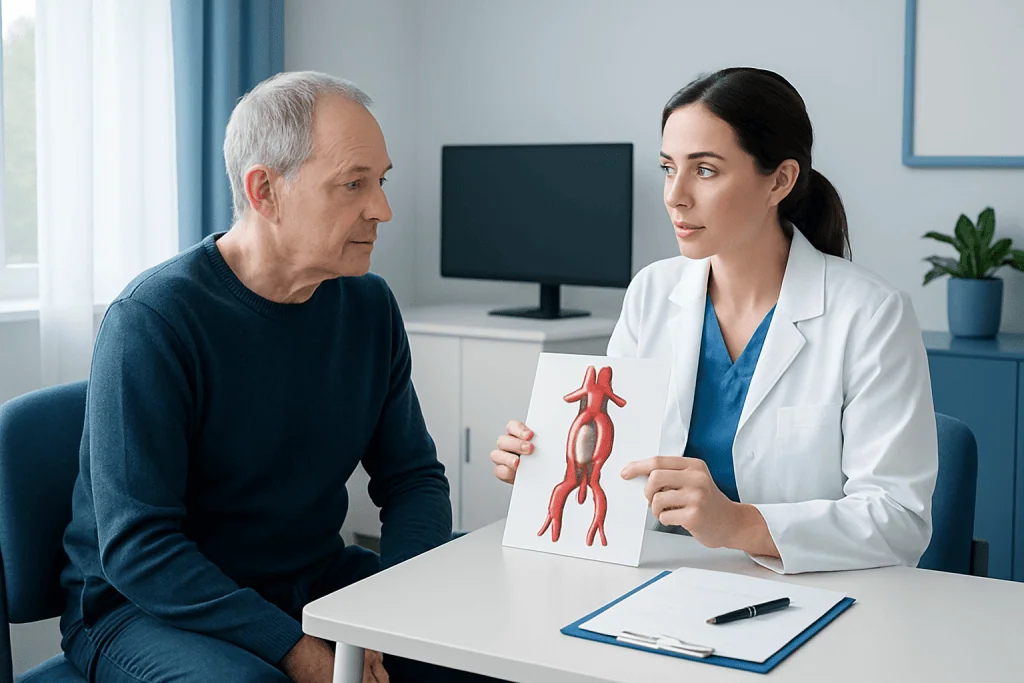
Planning is a central part of an EVAR procedure. A detailed CT angiogram is usually performed to measure the aorta and the arteries leading to the legs. The team assesses the shape and length of the healthy aorta above the aneurysm, the involvement of nearby branch arteries, and whether the access vessels are wide enough for the delivery system.
During EVAR, the patient receives anesthesia, which may be general anesthesia or, in selected cases, regional or local anesthesia with sedation. The surgeon makes small incisions or punctures near the groin arteries. Using X-ray guidance and contrast dye, the surgeon advances the compressed stent graft through the blood vessels and positions it across the aneurysm.
Once released, the graft expands and seals against healthy sections of the aorta above and below the aneurysm. Blood should then flow through the graft rather than pressing directly against the aneurysm wall. An imaging check at the end of the procedure confirms graft position and looks for leakage around it. Procedure duration and hospital stay vary based on anatomy, the device used, and the person’s health.
Some aneurysms involve arteries supplying the kidneys, bowel, or pelvis. These situations may require specially designed grafts, additional branches, or a different surgical approach. For this reason, EVAR is not a single identical procedure for every patient.
Who May Be Suitable for EVAR?
EVAR can be a good option for many people with an abdominal aortic aneurysm, particularly when their anatomy allows the graft to seal securely. Compared with open repair, it usually avoids a large abdominal incision and direct clamping of the aorta. This can be especially relevant for people who may have a higher risk from major open surgery.
However, suitability is not based on age alone. The aneurysm must have an appropriate shape and location, and the arteries in the groin and pelvis need to allow safe access. Severe narrowing, twisting, or calcification of the blood vessels can make catheter-based treatment more difficult. Kidney function, heart and lung health, previous operations, and the ability to attend follow-up scans are also considered.
Open aneurysm repair may be recommended when the anatomy is not appropriate for EVAR, when a person is expected to benefit from a more durable repair without device surveillance, or when there are complications involving a previous stent graft. The decision should be made through a discussion of the likely benefits, limitations, and long-term follow-up needs of each approach.
- EVAR may offer a shorter early recovery for appropriately selected patients.
- Open repair may be more suitable for some complex aneurysms or younger patients with favorable surgical fitness.
- Both approaches aim to prevent aneurysm rupture and require specialist assessment.
Benefits, Risks, and Possible Complications
The potential advantages of EVAR include smaller incisions, less discomfort in the early recovery period, a shorter hospital stay for many patients, and a quicker return to usual activities compared with open repair. These benefits should be balanced with the need for ongoing monitoring and the possibility of later procedures related to the graft.
Possible early complications include bleeding or bruising in the groin, injury or blockage in an access artery, infection, blood clots, kidney injury related to contrast dye, heart or lung complications, and reactions to anesthesia. Serious complications are uncommon but can occur, particularly in people with significant medical conditions or when the procedure is performed urgently.
A specific issue after EVAR is an endoleak, meaning that blood continues to enter the aneurysm sac outside the graft. Some endoleaks can be observed safely, while others may cause the aneurysm to remain enlarged or grow and may require further treatment. The graft can also shift, narrow, or develop a structural problem over time, which is why surveillance matters.
Before treatment, the vascular team explains the risks that are most relevant to the individual. Patients should share information about medicines, allergies, kidney disease, previous contrast reactions, and any history of bleeding or clotting disorders so that care can be planned safely.
Recovery and Long-Term Follow-Up After EVAR
After an uncomplicated EVAR procedure, patients are monitored in hospital while the team checks circulation in the legs, blood pressure, kidney function, pain control, and the groin access sites. Some people go home within a few days, while others need a longer stay because of their health needs or the complexity of the repair.
At home, mild tiredness, groin soreness, or bruising can occur for a short time. The care team provides individual instructions about wound care, showering, lifting, driving, activity, and returning to work. Gentle walking is commonly encouraged as recovery progresses, but strenuous activity should be restarted only when the treating clinician advises it.
Follow-up imaging is a lifelong part of EVAR care. CT scans, ultrasound examinations, or both may be used at scheduled intervals to check that the graft remains well positioned, blood flow is normal, and the aneurysm sac is stable or shrinking. Keeping these appointments is one of the most important ways to detect treatable complications early.
Long-term vascular health also matters. People are often advised to stop smoking, control blood pressure, manage cholesterol and diabetes when present, remain physically active within their abilities, and take prescribed cardiovascular medicines as directed. These measures support the health of the aorta and the arteries throughout the body.
When to Seek Medical Care
A person who has been told they have an abdominal aortic aneurysm should attend planned monitoring appointments and contact their clinician if they develop new or persistent abdominal, back, groin, or flank pain. New symptoms do not always indicate an aneurysm problem, but they should be assessed promptly, especially when an aneurysm is known.
Emergency medical care is needed for sudden severe abdominal or back pain, fainting, marked dizziness, sweating, shortness of breath, confusion, or collapse. These symptoms can have several causes, but may indicate a medical emergency, including a possible aneurysm rupture. Emergency services should be contacted rather than driving oneself to hospital.
After EVAR, patients should seek urgent medical advice for increasing groin swelling, bleeding that does not stop with firm pressure, a cold or painful leg, new leg numbness or weakness, fever with worsening wound redness, or severe abdominal or back pain. The treating team can advise whether symptoms need emergency assessment or a prompt clinic review.
Acibadem International’s multidisciplinary specialists and JCI-accredited hospitals evaluate and treat vascular conditions, including aneurysms, for international patients. A qualified vascular specialist can explain whether EVAR is appropriate and what follow-up plan best fits the individual’s needs.
Frequently asked questions
Is EVAR a major operation?
EVAR is a significant vascular procedure, but it is less invasive than traditional open abdominal aneurysm repair. It is usually performed through small groin incisions or punctures using catheters and X-ray guidance. Even so, it requires careful preparation, anesthesia, and hospital monitoring.
How long does recovery take after an EVAR procedure?
Many people recover more quickly after EVAR than after open aneurysm surgery, often returning to light daily activities within days to weeks. Recovery varies with overall health, the complexity of the repair, and whether the procedure was planned or emergency treatment. The treating team should provide personalized guidance on activity and work.
Can an aneurysm return after EVAR?
The original aneurysm is not removed during EVAR; instead, the stent graft redirects blood flow away from it. The aneurysm sac often becomes stable or shrinks, but it can sometimes enlarge because of an endoleak or another graft-related issue. Regular lifelong imaging helps identify these concerns early.
Will I need scans for the rest of my life after EVAR?
Yes, long-term surveillance is generally recommended after EVAR. Follow-up may use CT angiography, ultrasound, or both, depending on the type of repair and previous scan findings. These checks confirm that the graft is functioning properly and that the aneurysm remains protected.
What is the difference between EVAR and open aneurysm repair?
EVAR places a stent graft inside the aorta through the arteries, usually from the groin. Open repair involves an abdominal incision, removal or opening of the aneurysm segment, and placement of a surgical graft. EVAR often has an easier early recovery, while open repair may be more appropriate for certain anatomies and may require less device-focused surveillance over time.
Can I have EVAR if I have kidney disease?
Kidney disease does not automatically rule out EVAR, but it requires special planning. Contrast dye used during imaging and the procedure can affect kidney function in some people. The team may adjust imaging, hydration, medicines, and monitoring to reduce risk, while considering whether another treatment approach is more suitable.
References
- Society for Vascular Surgery
- European Society for Vascular Surgery
- National Heart, Lung, and Blood Institute
- National Institute for Health and Care Excellence
- U.S. Food and Drug Administration
This article is for general information only and is not a substitute for professional medical advice. Please consult a qualified doctor about your individual situation.
Heart care in Turkey — expert evaluation and treatment
JCI-accredited · board-certified surgeons · reply within 24h
Add us as a Preferred Source to see more of our trusted health content across Google Search, AI Overviews and Discover.
Check your numbers in seconds
BMI, calories, due date, blood pressure and 30+ more clinical calculators — free, instant, doctor-reviewed ranges.