Is Pulse Rate Same As Heart Beat? Causes, Explanations, and Next Steps

Heart rate measures how many times the heart beats each minute, while pulse rate measures the blood-flow waves felt in an artery. The heart rate and pulse rate are usually the same, especially at rest and during normal activity.
Key Takeaways
- Heart rate measures how many times the heart beats each minute, while pulse rate measures the blood-flow waves felt in an artery.
- The heart rate and pulse rate are usually the same, especially at rest and during normal activity.
- They may differ when some heartbeats are too weak to create a detectable pulse, which can occur with certain arrhythmias.
- Exercise, stress, fever, dehydration, caffeine, and some medicines can temporarily change pulse rate.
- Chest pain, fainting, severe breathlessness, or a sustained very fast or irregular pulse require prompt medical assessment.
Is pulse rate same as heart beat? In most healthy people, yes: each effective heartbeat sends blood through an artery and produces one pulse that can be felt at the wrist or neck. Temporary changes in pulse are often harmless, but a pulse that is persistently irregular, unusually fast or slow, or accompanied by concerning symptoms deserves medical review.
Overview: Heartbeat and Pulse Are Closely Connected
Is pulse rate same as heart beat? Usually, yes. A heartbeat is the heart muscle contracting to pump blood, and a pulse is the pressure wave that this pumping creates in an artery; in a normal steady rhythm, one heartbeat produces one pulse.
Heart rate is the number of heartbeats in one minute. Pulse rate is the number of pulses felt in one minute, commonly at the wrist, neck, or sometimes the ankle. For most people, the two measurements match closely and can be used as a practical way to estimate how fast the heart is beating.
It is normal for pulse rate to rise during physical activity, emotional stress, pain, fever, or excitement and to slow during sleep or deep relaxation. A single unusual reading does not necessarily indicate a heart problem. The more important questions are whether a change persists, whether the rhythm feels regular, and whether symptoms occur alongside it.
Why a Pulse May Not Match Every Heartbeat
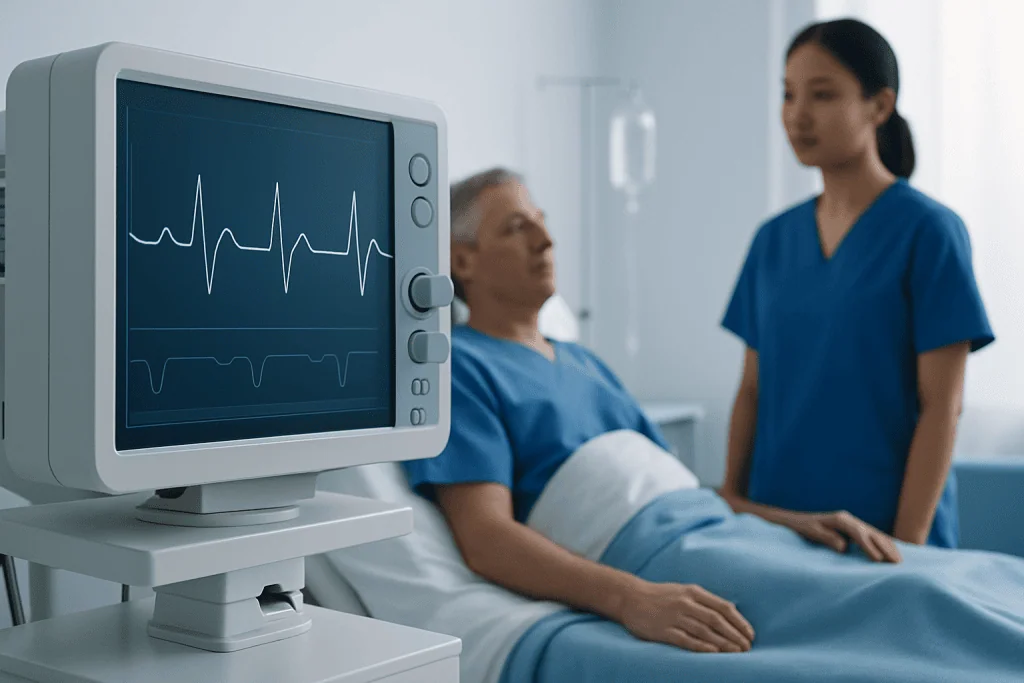
Occasionally, the heart can beat without producing a strong enough blood-flow wave to be felt at the wrist. This is called a pulse deficit. In that situation, a clinician listening to the heart may count more beats than a person can detect by feeling their pulse.
A pulse deficit can occur when beats happen very early, are weak, or happen in an irregular pattern. For example, some premature beats may not allow enough time for the heart chambers to fill with blood before the next contraction. The resulting beat may pump less blood and may not create a clearly palpable pulse.
Some heart rhythm disturbances, known as arrhythmias, can also make the pulse irregular or cause the pulse rate to differ from the heart rate. This does not mean that every skipped, fluttering, or uneven pulse is dangerous. However, new or recurrent irregularity should be discussed with a qualified healthcare professional, particularly in people with known heart disease or other symptoms.
Wearable devices and home blood-pressure monitors can be helpful for noticing trends, but they do not diagnose a rhythm condition on their own. Readings can be affected by movement, poor skin contact, cold hands, device fit, or an irregular rhythm. A medical evaluation can clarify what a device finding means.
What Is a Normal Pulse Rate?

For many adults, a resting pulse rate between 60 and 100 beats per minute is considered a typical reference range. Resting pulse can be lower in physically trained people, particularly endurance athletes, without being a sign of illness. Children naturally tend to have faster pulse rates than adults, and normal ranges also vary with age.
Rather than focusing only on one number, it is useful to consider the setting. A pulse of 95 beats per minute after climbing stairs is different from a pulse of 95 after sitting quietly for several minutes. A person’s usual baseline, overall health, medicines, fitness level, hydration, sleep, and recent activity all influence their pulse.
Pulse rhythm matters as well as speed. A regular pulse follows an even pattern. An irregular pulse may feel as though it is skipping, racing, pausing, fluttering, or changing speed unexpectedly. Brief occasional irregular beats are common, but a persistent or newly irregular pattern should be evaluated.
- Tachycardia means a faster-than-expected heart rate, often over 100 beats per minute at rest in adults.
- Bradycardia means a slower-than-expected heart rate, often under 60 beats per minute at rest in adults.
- Either may be normal in the right circumstances or may need assessment depending on symptoms and medical history.
Common Reasons for Pulse Changes and Palpitations
Many everyday factors affect the pulse without indicating a serious condition. Physical exertion, anxiety, strong emotions, inadequate sleep, fever, dehydration, alcohol, nicotine, and caffeinated drinks may all cause a temporary faster or more noticeable heartbeat. A pulse can also become easier to feel when a person is paying close attention to it.
Some medicines, including certain inhalers, decongestants, thyroid medicines, and stimulant medicines, may change heart rate or trigger palpitations in some people. It is important not to stop prescribed medicine without speaking to the clinician who prescribed it. A pharmacist or doctor can help review possible medication-related effects.
Medical conditions that can contribute to a fast, slow, or irregular pulse include anemia, thyroid disorders, infections, sleep apnea, electrolyte imbalances, and heart conditions. Atrial fibrillation is one example of an arrhythmia that can cause an irregular pulse. Other causes may be temporary and treatable once identified.
Palpitations describe an awareness of the heartbeat rather than a diagnosis. They may feel like pounding, fluttering, racing, or missed beats. Keeping note of when palpitations occur, how long they last, what the person was doing, and whether symptoms such as dizziness occur can give a clinician useful information.
How to Check Pulse Rate Correctly
A person can check their pulse after sitting quietly for about five minutes. The radial pulse at the thumb side of the wrist is often the easiest place to use. Two fingertips, usually the index and middle finger, should be placed gently over the artery. Using the thumb is less reliable because the thumb has its own pulse.
Once the pulse is found, count beats for a full 60 seconds, especially if it feels uneven. If the rhythm is clearly regular, counting for 30 seconds and doubling the result can provide an estimate. Checking after exercise may be useful for understanding recovery, but it should not replace medical advice when symptoms are present.
The neck pulse can also be felt beside the windpipe, but it should be checked gently and on one side only. Pressing firmly or checking both sides at once is not advised. People who are unsure where or how to check their pulse can ask a healthcare professional to demonstrate.
It can help to record the date, time, pulse rate, whether the rhythm felt regular, recent activity, caffeine or alcohol intake, and associated symptoms. This information may make it easier to identify patterns and support a focused medical consultation.
When to Seek Medical Care
Urgent medical care is appropriate if a fast, slow, or irregular heartbeat occurs with chest pain or pressure, fainting, near-fainting, severe shortness of breath, confusion, marked weakness, or new sweating and nausea. These symptoms can have several causes, but they should not be assessed at home alone.
A non-urgent medical appointment is sensible for palpitations that recur, a pulse that remains unusually fast or slow at rest, a newly irregular pulse, or symptoms that interfere with daily activities. This is especially important for people with heart disease, high blood pressure, diabetes, thyroid disease, a previous stroke, or a family history of significant rhythm disorders.
During an assessment, a doctor may ask about symptoms, medicines, caffeine or alcohol use, illness, exercise, and family history. They may check pulse and blood pressure, listen to the heart, and arrange an electrocardiogram (ECG). Depending on the situation, blood tests, an echocardiogram, exercise testing, or a portable rhythm monitor may also be considered.
These tests help distinguish common benign causes from rhythm disorders or other conditions that need treatment. Acibadem International’s multidisciplinary specialists and JCI-accredited hospitals assess and treat heart rhythm concerns for international patients when specialist evaluation is needed.
Supporting a Healthy Pulse
Healthy daily habits can support cardiovascular health and may reduce avoidable pulse changes. Regular physical activity suited to the individual, adequate fluids, sufficient sleep, balanced meals, and stress-management practices can all be helpful. Anyone with a diagnosed heart condition should ask their clinician which activity level is appropriate.
Limiting nicotine, avoiding recreational stimulant drugs, and moderating alcohol and caffeine may reduce palpitations for some people. The effect varies from person to person, so it can be useful to notice whether symptoms occur after specific drinks, foods, supplements, or activities.
People should take prescribed medicines as directed and attend recommended follow-up appointments. If a pulse change begins after starting a new medication or supplement, they should contact the prescribing clinician or pharmacist for advice rather than making changes independently.
Most changes in pulse rate have an understandable, temporary cause. Paying attention to persistent patterns and acting promptly when warning symptoms occur offers a calm and practical approach to heart health.
Frequently asked questions
Is a pulse rate always the same as heart rate?
In most people, pulse rate and heart rate are the same because every heartbeat produces a pulse wave in the arteries. They can differ if some heartbeats are too weak to create a pulse that can be felt at the wrist. This may happen with certain irregular heart rhythms or early beats.
Why can I feel my heartbeat but not a strong pulse?
The heartbeat may feel more noticeable during anxiety, exercise, fever, or after caffeine, even when the pulse is normal. Sometimes a weak or early heartbeat does not produce a strong pulse wave at the wrist. Repeated episodes, especially with dizziness or breathlessness, should be assessed by a doctor.
What pulse rate is too high at rest?
For many adults, a resting pulse persistently above 100 beats per minute is considered faster than expected. However, recent activity, stress, fever, dehydration, medicines, and other factors can temporarily raise it. A sustained fast resting pulse or one accompanied by concerning symptoms requires medical advice.
Can anxiety cause an irregular pulse?
Anxiety can increase pulse rate and make a person more aware of normal heartbeats. It may also be associated with occasional extra beats, which are often harmless. However, anxiety should not be assumed to be the cause of a new, persistent, or symptomatic irregular pulse without medical evaluation.
Should I worry about an occasional skipped heartbeat?
Occasional skipped or extra beats are common and are often not dangerous, particularly when they are brief and occur without other symptoms. It is advisable to seek medical advice if they become frequent, last longer, occur during exercise, or are accompanied by chest pain, fainting, or shortness of breath.
How do doctors check whether pulse and heart rate differ?
A clinician may compare the heartbeats heard with a stethoscope to the pulses felt at the wrist over the same period. An ECG records the heart’s electrical activity and can identify many rhythm problems. A portable monitor may be used when symptoms come and go.
This article is for general information only and is not a substitute for professional medical advice. Please consult a qualified doctor about your individual situation.
Explore treatments in Turkey — costs, top hospitals & a free quote
JCI-accredited · board-certified surgeons · reply within 24h
Add us as a Preferred Source to see more of our trusted health content across Google Search, AI Overviews and Discover.
Check your numbers in seconds
BMI, calories, due date, blood pressure and 30+ more clinical calculators — free, instant, doctor-reviewed ranges.

More from the Health Library

What Is Nutritional Yeast? Here Is What the Evidence Says

Does Lifting Weights Burn Fat? Here Is What the Evidence Says

Is Banana Bread Healthy? A Doctor-Reviewed Answer

Colelithiasis Symptoms: Possible Causes and When to Seek Care

Pains in Gums Explained: Common Triggers and Red Flags