Melatonin and Alcohol — Explained by Medical Evidence, Not Myths

Combining melatonin and alcohol may increase sleepiness, dizziness, confusion and the risk of falls or accidents. Alcohol may help someone fall asleep initially, but it commonly reduces sleep quality and causes more disrupted sleep later in the night.
Key Takeaways
- Combining melatonin and alcohol may increase sleepiness, dizziness, confusion and the risk of falls or accidents.
- Alcohol may help someone fall asleep initially, but it commonly reduces sleep quality and causes more disrupted sleep later in the night.
- There is no universal safe waiting period between alcohol and melatonin because alcohol intake, health conditions and other medicines vary between people.
- People who use sedating medicines, have sleep apnea, are older, or have liver disease should be especially cautious and seek individualized medical advice.
- Persistent insomnia, heavy alcohol use or symptoms of alcohol withdrawal should be assessed by a qualified healthcare professional.
Melatonin and alcohol are best kept separate. Although both may make a person feel sleepy, alcohol can disrupt normal sleep and may increase melatonin-related drowsiness, dizziness, poor coordination and impaired judgment.
Melatonin and alcohol: the evidence-based answer
Melatonin and alcohol should generally not be taken together. Both can affect alertness, balance and reaction time, so combining them may increase drowsiness, dizziness, impaired coordination and the likelihood of accidents. Alcohol can also interfere with the restorative stages of sleep, meaning it may work against the reason a person is considering melatonin.
Melatonin is a hormone naturally released by the brain in response to darkness. Supplements are commonly used for short-term sleep-timing concerns, such as jet lag or a delayed sleep schedule. Alcohol is a central nervous system depressant, but its sedating effect does not equal healthy sleep; it can fragment sleep later in the night and worsen next-day fatigue.
The safest practical approach is to avoid taking melatonin on an evening when alcohol has been consumed, particularly after more than a small amount of alcohol or when other medicines are involved. A person with ongoing sleep difficulty does not need to manage it alone: identifying the cause is usually more helpful than repeatedly combining sleep aids with alcohol.
Why alcohol can make sleep worse
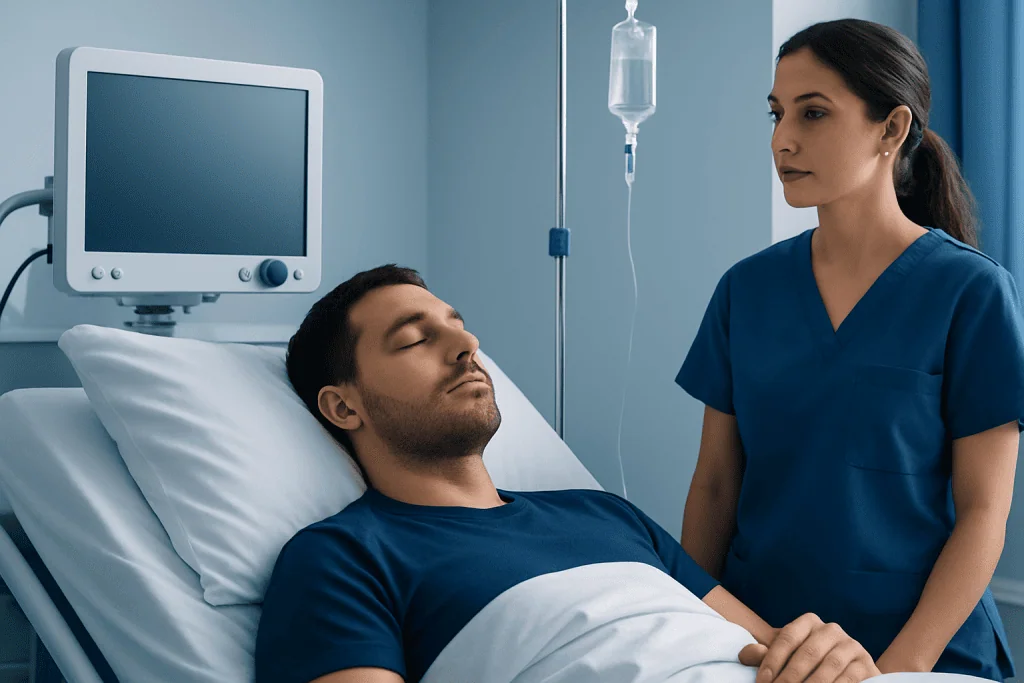
Alcohol can make a person feel relaxed or sleepy at first because it slows activity in the central nervous system. This early effect may shorten the time it takes to fall asleep. However, as the body processes alcohol during the night, sleep often becomes lighter and more interrupted. Some people wake early, wake repeatedly, sweat, feel thirsty or have vivid dreams.
Alcohol can alter normal sleep architecture, including rapid eye movement (REM) sleep, which is involved in memory processing and emotional regulation. It may also increase snoring and worsen breathing disturbances during sleep by relaxing muscles in the upper airway. This is particularly relevant for people with diagnosed or suspected sleep apnea, who may already experience pauses in breathing or poor-quality sleep.
Using alcohol as a regular way to fall asleep can create a difficult cycle. Tolerance to its sedating effects may develop, leading a person to drink more while sleep becomes less refreshing. Reducing or stopping regular alcohol intake can temporarily disturb sleep as the body adjusts, but persistent symptoms should be discussed with a clinician rather than treated with alcohol or unmonitored supplements.
What happens when melatonin and alcohol are combined

Research specifically examining every dose and timing combination of melatonin and alcohol is limited. Even so, both substances can cause sleepiness and affect the brain and nervous system. Taking them together may therefore have additive effects, including excessive drowsiness, slowed thinking, dizziness, headache, nausea, reduced concentration and impaired driving ability.
The combination may be more concerning for older adults and for anyone at risk of falls. It may also be unsafe for a person who needs to drive, use machinery, supervise children, make important decisions or travel alone. Feeling awake enough to perform an activity does not necessarily mean reaction time and judgment have returned to normal.
Melatonin supplements vary in formulation and strength, and their effects can differ between individuals. Alcohol intake also varies substantially. Because of these uncertainties, there is no evidence-based “one-size-fits-all” waiting period that reliably makes melatonin safe after drinking. Avoiding the combination is more dependable than trying to calculate a personal interval at home.
Who should take extra care
Some people may be more vulnerable to the effects of melatonin and alcohol. This includes people with sleep-disordered breathing, liver disease, depression, seizure disorders, balance problems, dementia or a history of substance-use problems. Pregnancy and breastfeeding are also times when a clinician should be consulted before using melatonin supplements or drinking alcohol.
Extra caution is important when melatonin is used alongside medicines that cause drowsiness or affect the brain, such as sleeping pills, anti-anxiety medicines, opioid pain medicines, some antihistamines, certain antidepressants or anti-seizure medicines. Alcohol can intensify sedation from many of these treatments. A pharmacist or prescribing clinician can check for relevant interactions based on the person’s full medication list.
People taking medicines that affect blood clotting, blood pressure, blood sugar or immune function should also seek advice before starting melatonin. Supplements can have clinically relevant interactions, and product quality may vary by country. Melatonin should not be viewed as automatically harmless simply because it is available without a prescription in some locations.
Safer approaches to sleep after drinking
If a person has had alcohol, the safer choice is usually to skip melatonin that night and allow time to rest without adding another sedating substance. They should avoid driving and other activities requiring coordination until fully alert. Drinking water, having a calm wind-down routine and sleeping in a safe environment may be reasonable supportive measures, but they do not speed up alcohol metabolism.
For occasional trouble sleeping, consistent sleep habits are often more useful than relying on alcohol or supplements. Helpful measures include keeping a regular wake time, limiting alcohol and caffeine later in the day, reducing bright screens before bed, keeping the bedroom cool and dark, and getting daylight exposure and regular physical activity during the day. These habits support the body’s natural melatonin rhythm.
When sleep difficulties last for weeks, affect daytime functioning or lead to frequent use of alcohol, a medical assessment can identify contributing factors such as anxiety, depression, chronic pain, medication effects, thyroid problems or sleep apnea. Cognitive behavioural therapy for insomnia is an established, non-drug treatment that can help many people improve sleep patterns over time.
When to seek medical care
Urgent medical help is needed if someone is difficult to wake, has slow or irregular breathing, faints, has a seizure, becomes severely confused, or may have taken alcohol with large amounts of melatonin or other sedating medicines. Emergency services should also be contacted for suspected alcohol poisoning, especially if vomiting, bluish skin, very low body temperature or unresponsiveness occurs.
A person should arrange a non-urgent medical appointment for insomnia that persists for three months or more, loud snoring with choking or gasping, frequent daytime sleepiness, or concern about regular alcohol use. It is especially important to seek support if cutting down alcohol causes shaking, sweating, anxiety, nausea, hallucinations or seizures, as alcohol withdrawal can be serious and should be medically managed.
Acibadem International’s multidisciplinary specialists and JCI-accredited hospitals can assess sleep concerns, medication use and alcohol-related health risks for international patients. Individual advice should be based on a person’s health history, current medicines, sleep symptoms and alcohol use rather than a general online recommendation.
A practical plan for healthier sleep
A useful first step is to keep a simple sleep and alcohol diary for one to two weeks. Recording bedtime, wake time, alcohol use, caffeine, naps, medicines and nighttime awakenings can reveal patterns. For example, someone may notice that alcohol in the evening is followed by waking at 3 or 4 a.m., even if falling asleep initially seemed easier.
If melatonin is being considered, it is sensible to discuss the reason for using it with a healthcare professional. Melatonin may be more appropriate for circadian-timing issues than for every form of insomnia. A clinician can help determine whether it is suitable, how it fits with existing medicines, and whether a sleep disorder or another health issue needs attention first.
Lasting improvement usually comes from addressing the underlying cause of poor sleep and reducing factors that disturb it. Avoiding the melatonin-and-alcohol combination is one straightforward step that supports safety while a person develops a more effective, individualized sleep plan.
Frequently asked questions
Can a person take melatonin after one drink?
It is generally best to avoid taking melatonin after drinking alcohol, even after one drink. Individual responses vary, and the combination can increase drowsiness, dizziness and impaired coordination. Alcohol may also reduce sleep quality, limiting the potential benefit of melatonin.
How long should someone wait to take melatonin after alcohol?
There is no universal waiting time that can be considered safe for everyone. The effects of alcohol depend on the amount consumed, body size, liver function, food intake, other medicines and individual sensitivity. Skipping melatonin on nights when alcohol has been used is the more cautious approach.
Does alcohol cancel out melatonin?
Alcohol does not necessarily cancel out a melatonin supplement, but it can disrupt the natural sleep processes melatonin is meant to support. It may make a person sleepy initially while increasing awakenings and reducing restorative sleep later. Combining them may also increase unwanted sedation and poor coordination.
Can melatonin help a hangover?
Melatonin is not a proven treatment for hangovers and should not be combined with alcohol to prevent one. Rest, fluids, a balanced meal when tolerated and time are commonly recommended supportive measures. Severe vomiting, confusion, breathing problems or inability to stay awake require urgent medical assessment.
Is melatonin safer than sleeping pills with alcohol?
Neither melatonin nor prescription or non-prescription sleep medicines should be casually combined with alcohol. Many sleeping pills have stronger sedating effects and may pose particularly serious risks when mixed with alcohol, including dangerous breathing suppression. A clinician or pharmacist should review any sleep medicine in the context of alcohol use.
What if alcohol is the only way a person can sleep?
Regularly relying on alcohol for sleep is a sign that a medical conversation may be helpful. Alcohol can worsen sleep over time and may lead to tolerance or dependence. A healthcare professional can assess insomnia, mental health symptoms, medication effects and alcohol use, then recommend safer treatment options.
References
- National Institute on Alcohol Abuse and Alcoholism
- National Center for Complementary and Integrative Health
- American Academy of Sleep Medicine
- National Health Service
- Mayo Clinic
This article is for general information only and is not a substitute for professional medical advice. Please consult a qualified doctor about your individual situation.
Explore treatments in Turkey — costs, top hospitals & a free quote
JCI-accredited · board-certified surgeons · reply within 24h
Add us as a Preferred Source to see more of our trusted health content across Google Search, AI Overviews and Discover.

More from the Health Library



Related Specialists

Dr. Buğra Alpan
Orthopedic Surgery & Traumatology
Prof. Dr. Çiğdem Ünal Gülmeden
Aesthetic Plastic & Reconstructive Surgery
Assoc. Prof. Dr. Zerrin Boyacı
Otorhinolaryngology
Dr. Mehmet Gürcan
Orthopedic Surgery & Traumatology