Eyebrow Twitching — Explained by Medical Evidence, Not Myths
Most eyebrow twitching is benign and settles without specific treatment. Fatigue, emotional stress, caffeine, alcohol, eye strain and dry eyes are common triggers.
Key Takeaways
- Most eyebrow twitching is benign and settles without specific treatment.
- Fatigue, emotional stress, caffeine, alcohol, eye strain and dry eyes are common triggers.
- A twitch involving one eyelid is often different from a persistent spasm affecting one entire side of the face.
- Medical assessment is important if twitching lasts for weeks, spreads, closes the eye, or occurs with weakness or other neurological symptoms.
- Rest, trigger reduction and attention to eye comfort can often help reduce temporary twitching.
Eyebrow twitching is commonly caused by brief, involuntary contractions of small muscles around the eye and forehead. It is usually temporary and harmless, especially when related to tiredness, stress, caffeine intake, dry eyes or prolonged screen use.
What Does Eyebrow Twitching Mean?
Eyebrow twitching describes a brief, repetitive, involuntary movement felt or seen near the eyebrow, upper eyelid, temple, or forehead. In many cases, the movement comes from tiny contractions in muscles around the eye rather than from the eyebrow itself. These contractions can feel like fluttering, pulsing, jumping, or a gentle pulling sensation.
For most people, eyebrow twitching is a harmless and short-lived symptom. It often appears during periods of poor sleep, stress, increased caffeine intake, eye irritation, or extended close visual work. The twitch may occur several times in a day, then disappear for days or weeks without treatment.
The medical term for a common, isolated eyelid-area twitch is myokymia. Myokymia usually affects one eyelid, particularly the lower eyelid, but people may perceive it as twitching in the eyebrow or surrounding facial area. It does not usually indicate a serious brain or nerve disorder.
Why the Area Around the Eyebrow Can Twitch
The muscles around the eye and forehead receive signals from facial nerves. A twitch happens when a small group of muscle fibers contracts involuntarily. These contractions can be especially noticeable around the eye because the muscles are small and the skin is thin.
Temporary changes in nerve and muscle excitability may make twitching more likely. Lack of sleep, emotional pressure, stimulant use, and prolonged concentration can all contribute. Some people notice a pattern during busy work periods, after travel, while studying, or when recovering from an illness that has disrupted their sleep routine.
Eye surface discomfort can also play a role. Dry eye symptoms, allergies, contact lens irritation, or long periods of screen use may increase blinking and strain the muscles around the eyes. A person may experience irritation, grittiness, watering, or a sensation of tired eyes alongside the twitch.
Common Triggers and Less Common Causes
Common triggers for eyebrow twitching include insufficient sleep, stress, anxiety, fatigue, caffeine, nicotine, alcohol, and prolonged screen exposure. These factors do not cause permanent nerve damage in most cases, but they may make short-term muscle twitching more noticeable or frequent. Some medicines may also contribute to tremor or muscle twitching; a person should not stop prescribed medicine without discussing concerns with a clinician.
Nutritional deficiencies are often blamed for facial twitching online, particularly low magnesium. While electrolyte disturbances can affect muscles and nerves, isolated eyebrow twitching alone is not a reliable sign of a deficiency. Blood tests are usually considered only when a clinician identifies additional symptoms, risk factors, or a reason to suspect an underlying medical issue.
Less commonly, persistent facial twitching may be associated with a movement disorder affecting the eyelids or face. Examples include blepharospasm, which causes repeated involuntary eyelid closure, and hemifacial spasm, which often begins around one eye and may later involve muscles of the cheek, mouth, or jaw on the same side. These conditions require clinical evaluation because their pattern, duration, and management differ from simple eyelid myokymia.
- Simple myokymia: fine, intermittent twitching around one eyelid or eyebrow area.
- Blepharospasm: forceful, repeated blinking or eyelid closure, sometimes affecting both eyes.
- Hemifacial spasm: repeated contractions affecting one side of the face, often including the eyelid and lower facial muscles.
Patterns That Help Distinguish a Simple Twitch
A simple, benign twitch is usually mild, localized, and intermittent. It may last seconds to minutes at a time and recur over a few days. The eye remains open normally, facial strength is unchanged, and there are no changes in speech, balance, sensation, or vision. The sensation can be distracting, but it is not usually painful.
The location and pattern matter more than the intensity alone. For example, a twitch that remains confined to the eyelid area is more often consistent with myokymia. In contrast, twitching that repeatedly pulls the cheek, corner of the mouth, or neck on one side should be assessed, particularly if it continues over time.
It is also useful to distinguish twitching from a facial droop or weakness. Weakness means that a person cannot move part of the face normally, such as being unable to close one eye, smile evenly, or raise an eyebrow. This is not the same as an involuntary twitch and may need urgent medical assessment, especially if it begins suddenly or occurs with other neurological symptoms.
How Eyebrow Twitching Is Evaluated
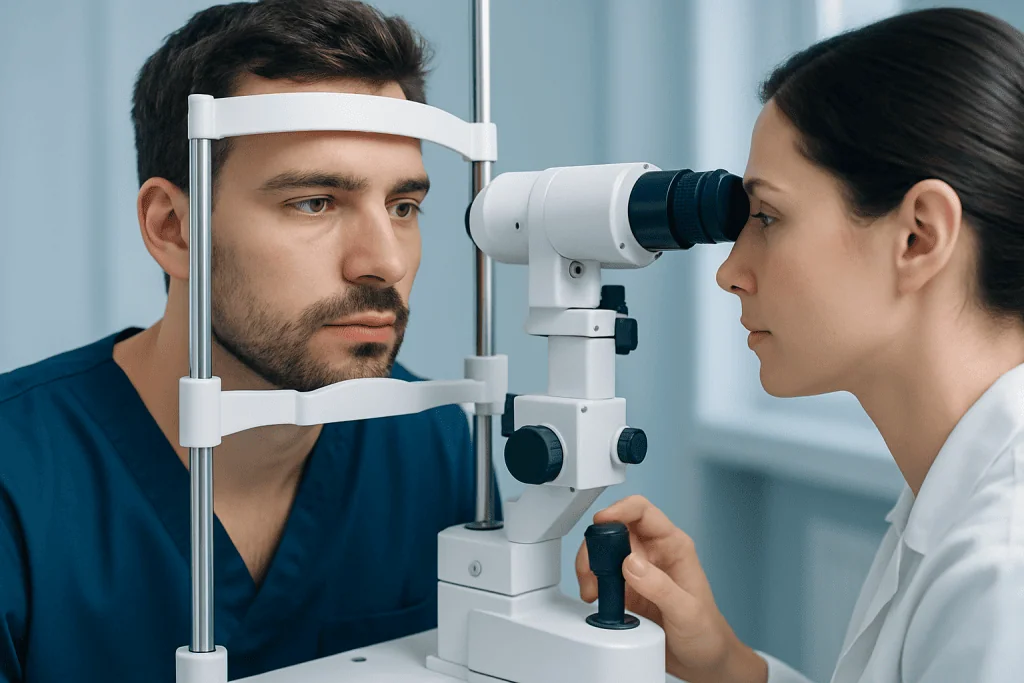
A clinician can often evaluate eyebrow twitching by discussing the symptoms and examining the eyes, eyelids, and facial muscles. Important details include when the twitch began, how long episodes last, whether one or both sides are involved, whether the eye closes involuntarily, and whether the movement spreads to other parts of the face.
The clinician may ask about sleep, stress, caffeine and alcohol intake, screen use, eye symptoms, medicines, and any recent illness. An eye examination may be recommended if there is redness, pain, light sensitivity, blurred vision, dryness, discharge, or a concern about eyelid or corneal irritation.
Most people with a typical short-term twitch do not need imaging or extensive tests. Further assessment by an ophthalmologist, neurologist, or other specialist may be appropriate when symptoms persist, are severe, involve a wider facial area, or are accompanied by abnormal findings on examination. Testing is tailored to the individual rather than routinely required.
Practical Steps for Relief and Prevention
When eyebrow twitching is mild and temporary, reducing common triggers is often the most helpful approach. Regular sleep, planned breaks from screens, adequate hydration, and lower caffeine intake may reduce the frequency of episodes. A person may find it useful to note when twitching occurs, since patterns can reveal whether stress, sleep loss, or a particular habit is contributing.
For screen-related discomfort, the eyes may benefit from frequent blinking and short visual breaks. Adjusting screen height, reducing glare, and taking time away from close work can ease eye strain. People with dry, itchy, or irritated eyes should consider speaking with an eye-care professional, particularly before using medicated eye drops.
Gentle stress-management practices can also be useful. These may include regular physical activity, paced breathing, relaxation exercises, or maintaining a consistent bedtime routine. Rubbing the eye or repeatedly pressing on the twitching area is not recommended, as this can irritate the eye and surrounding skin.
Persistent spasms caused by conditions such as blepharospasm or hemifacial spasm may be managed with specialist care. Depending on the diagnosis, treatment can include addressing eye irritation, reviewing medicines, botulinum toxin injections, or other targeted approaches. Acibadem International’s multidisciplinary specialists and JCI-accredited hospitals assess and treat neurological and eye-related conditions for international patients.
When to Seek Medical Care
Medical advice is appropriate if eyebrow twitching continues for more than a few weeks, becomes more frequent, affects daily activities, or does not improve after addressing likely triggers such as sleep loss and caffeine. An appointment is also sensible when twitching causes the eyelid to close completely, affects both eyes significantly, or spreads to the cheek, mouth, jaw, or neck.
A person should seek prompt medical care for twitching accompanied by facial weakness, a drooping face, difficulty speaking, confusion, severe headache, new trouble walking, loss of coordination, or sudden changes in vision. These symptoms are not typical of a simple eyelid twitch and need urgent assessment.
Eye symptoms also deserve attention when they include pain, marked redness, swelling, discharge, injury, persistent light sensitivity, or reduced vision. A qualified clinician can identify whether the problem is related to eye irritation, a medication effect, a facial movement disorder, or another cause.
Frequently asked questions
Is eyebrow twitching usually serious?
No. Most eyebrow-area twitching is temporary and harmless, particularly when it occurs after fatigue, stress, caffeine, or prolonged screen use. It is worth discussing with a clinician if it persists, spreads across the face, or is associated with weakness, vision changes, or involuntary eye closure.
Can stress cause eyebrow twitching?
Stress can contribute to eyebrow twitching by disrupting sleep and increasing muscle tension and nervous-system arousal. Stress is a common trigger, but it is not the only possible cause. Improving rest and using practical stress-management strategies may help.
How long can a harmless eyebrow twitch last?
A benign twitch may come and go for several days and sometimes for a few weeks. Individual episodes often last only seconds or minutes. If twitching continues beyond a few weeks or changes in pattern, a medical review is advisable.
Does caffeine make eyebrow twitching worse?
Caffeine may make twitching more noticeable in some people, especially when consumed in large amounts or combined with poor sleep and stress. Reducing coffee, tea, energy drinks, or other stimulants for a period can help determine whether caffeine is a personal trigger. A gradual reduction may be more comfortable for regular caffeine users.
Is eyebrow twitching a sign of magnesium deficiency?
Isolated eyebrow twitching is not a dependable sign of magnesium deficiency. Electrolyte problems can affect nerves and muscles, but they usually need to be considered alongside a person's overall health, diet, medicines, and other symptoms. Supplements should not be started in high doses without professional advice.
What is the difference between eyebrow twitching and hemifacial spasm?
Simple eyebrow or eyelid twitching is usually a fine, intermittent movement limited to the area around the eye. Hemifacial spasm typically causes repeated contractions on one side of the face and may involve the eyelid, cheek, mouth, or jaw. A clinician can distinguish these patterns and recommend appropriate care.
References
- American Academy of Ophthalmology
- National Institute of Neurological Disorders and Stroke
- Mayo Clinic
- Merck Manual Consumer Version
This article is for general information only and is not a substitute for professional medical advice. Please consult a qualified doctor about your individual situation.
Explore treatments in Turkey — costs, top hospitals & a free quote
JCI-accredited · board-certified surgeons · reply within 24h
Add us as a Preferred Source to see more of our trusted health content across Google Search, AI Overviews and Discover.