Sciatica Pillow — Explained by Medical Evidence, Not Myths

A sciatica pillow is a positioning aid, not a treatment that resolves the cause of sciatic nerve pain. Side sleepers may benefit from a pillow between the knees, while back sleepers may find support beneath the knees more comfortable.
Key Takeaways
- A sciatica pillow is a positioning aid, not a treatment that resolves the cause of sciatic nerve pain.
- Side sleepers may benefit from a pillow between the knees, while back sleepers may find support beneath the knees more comfortable.
- The best pillow is one that improves comfort without forcing the hips, back, or neck into an awkward position.
- Sciatica can result from several conditions, including a herniated disc, spinal narrowing, or muscle-related irritation.
- New weakness, numbness around the groin, or bladder or bowel changes require urgent medical assessment.
A sciatica pillow can be a useful comfort aid for some people, especially when it helps maintain a more neutral position of the spine, hips, and legs during sleep. It cannot cure sciatica or replace medical assessment, but the right support may reduce pressure-related discomfort and help a person rest more comfortably.
What Is a Sciatica Pillow—and Does It Work?
A sciatica pillow is not a special medical device that cures sciatica. It is usually a pillow, wedge, body pillow, or contoured cushion used to support the legs, knees, hips, or lower back while sleeping or sitting. Its main purpose is to make a position more comfortable and to reduce strain caused by prolonged awkward posture.
Medical evidence does not show that one specific pillow can treat the underlying cause of sciatic pain. However, sleep position and support can affect symptoms for some people. A pillow that helps keep the pelvis and lower back in a comfortable, relatively neutral alignment may reduce pressure-related pain, muscle tension, or nighttime waking.
Results are individual. Some people feel better with a simple regular pillow, while others prefer a firmer knee pillow or a longer body pillow. The most useful option is the one that supports a comfortable position without creating new pain in the back, hips, knees, neck, or shoulders.
Understanding Sciatica and Why Symptoms May Feel Worse at Night
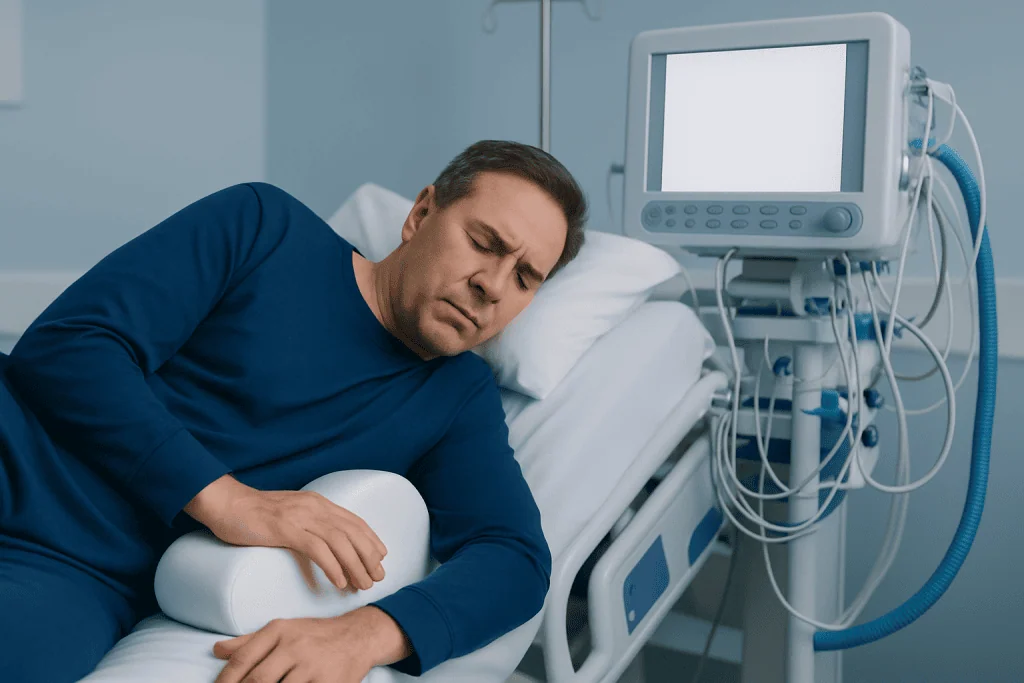
Sciatica describes pain that travels along the pathway of the sciatic nerve, usually from the lower back or buttock into one leg. Symptoms may include burning pain, electric-shock sensations, tingling, numbness, or weakness. The discomfort can be mild and intermittent or more persistent, depending on the underlying cause.
Common causes include a herniated or bulging disc, age-related narrowing around spinal nerves, joint changes in the lower spine, or less commonly, injury or another health condition affecting a nerve. Not all pain that travels down the leg is sciatica, so an accurate assessment is important when symptoms are severe, persistent, or unclear.
Symptoms can seem worse at night because a person remains in one position for a long time, has less distraction from pain, or finds that certain positions increase tension through the lower back and hips. A pillow may help with positioning, but it does not remove nerve compression or inflammation when these are present.
How to Use a Pillow for Different Sleep Positions

For side sleeping, placing a pillow between the knees can help keep the top hip from dropping forward and twisting the pelvis. The pillow should generally be thick enough to fill the space between the knees without forcing the legs too far apart. Some people prefer a longer body pillow that supports both the knees and arms, especially if turning in bed is uncomfortable.
For back sleeping, a pillow under the knees may reduce the pull on the lower back by allowing the hips and knees to bend slightly. A wedge-shaped pillow can stay in place more easily than a standard pillow, but a folded blanket or ordinary pillow may be sufficient. The head pillow should also support the neck without pushing the chin toward the chest.
Stomach sleeping may aggravate lower-back discomfort for some people because it can increase arching and require the neck to rotate. If this is the only comfortable position, a thin pillow under the lower abdomen or pelvis and a very low head pillow may reduce strain. Comfort should guide adjustments; pain should not be pushed through in the hope that the body will “get used to” a position.
- Try one change at a time for several nights.
- Choose support that feels stable rather than overly soft or excessively firm.
- Stop using a pillow arrangement if it worsens leg pain, numbness, or morning stiffness.
Choosing a Sciatica Pillow: Features That Matter More Than Marketing
There is no universally best sciatica pillow. Product labels such as “orthopedic,” “memory foam,” or “sciatic nerve relief” do not guarantee benefit. A pillow is more likely to be helpful if its shape and height suit the person’s sleep position, body shape, mattress firmness, and areas of discomfort.
For knee support, the key consideration is thickness. A very thin pillow may not meaningfully support the upper leg, while an overly thick one may tilt the pelvis and create hip or back strain. Contoured knee pillows can be convenient because they are designed to stay between the legs, but a standard pillow can work equally well if it remains in place.
Material can affect comfort and heat retention. Foam may provide steadier support, whereas fiber-filled pillows may feel softer but flatten over time. Breathable covers may be helpful for people who sleep warm. It is reasonable to select a washable cover and a pillow that can be returned or exchanged if possible, since comfort cannot be predicted from advertising alone.
Pillows Work Best Alongside Active, Evidence-Based Care
For many people with uncomplicated sciatica, gentle movement and gradual return to normal activity are more helpful than prolonged bed rest. Short walks, changing positions regularly, and avoiding long periods of sitting or lying down may prevent stiffness. A clinician or physiotherapist can recommend exercises suited to the likely cause of symptoms and the person’s current ability.
Heat or cold packs may provide temporary relief for some individuals, provided they are used with a cloth barrier to protect the skin. Over-the-counter pain medicines may be appropriate for certain people, but the choice depends on medical history, other medicines, kidney or stomach conditions, pregnancy status, and other factors. A pharmacist or doctor can help determine what is safe.
If symptoms do not settle, treatment may include structured physical therapy, medication, image-guided procedures in selected cases, or surgery when there is significant nerve compression or progressive neurological impairment. The aim is to address the cause of the symptoms, not simply to modify sleep posture. Acibadem International’s multidisciplinary specialists and JCI-accredited hospitals assess and treat spine and nerve-related conditions for international patients.
Practical Self-Care for Better Sleep With Sciatica
A consistent evening routine can make sleep more manageable when pain is present. Gentle movement during the day, a comfortable mattress setup, and avoiding prolonged sitting before bed may help some people. It can also be useful to plan how to get into and out of bed: rolling onto the side first and using the arms to push up may feel easier than sitting straight up from the back.
Keeping the bedroom cool, dim, and quiet supports sleep even when pain cannot be fully avoided. Relaxation approaches such as slow breathing, progressive muscle relaxation, or a brief guided meditation may help reduce the distress that often accompanies nighttime pain. These methods do not treat nerve compression, but they can support sleep quality.
A person should avoid relying on a pillow while ignoring symptoms that are progressing or limiting daily life. Keeping a brief record of pain location, triggers, numbness, weakness, and sleep disruption can be helpful during a medical appointment. This information can help a clinician identify patterns and decide whether further examination or testing is needed.
When to Seek Medical Care
A doctor should assess sciatica that is severe, lasts more than a few weeks, repeatedly disrupts sleep, or does not improve with reasonable self-care. Assessment is also important when pain follows an injury, occurs with unexplained weight loss or fever, or affects a person with a history of cancer, immune suppression, or significant osteoporosis.
Urgent medical care is needed for new or worsening weakness in the leg or foot, numbness in the area around the genitals or anus, or difficulty controlling bladder or bowel function. These symptoms can rarely signal serious nerve compression and should not be managed with pillows, exercise, or home remedies alone.
For most people, sciatica improves without emergency treatment, and there are several ways to manage symptoms safely. A sciatica pillow may be one useful part of a broader plan, particularly when it allows more restful sleep while the underlying problem is being evaluated and treated.
Frequently asked questions
Can a sciatica pillow cure sciatica?
No. A sciatica pillow cannot cure the underlying cause of sciatic nerve pain, such as a disc problem or spinal narrowing. It may improve comfort by supporting a less irritating sleep or sitting position.
What is the best pillow position for sciatica?
There is no single best position for everyone. Many side sleepers find a pillow between the knees helpful, while many back sleepers prefer a pillow beneath the knees. The best arrangement is one that reduces discomfort and does not cause new pain or numbness.
Should a person sleep on the painful side with sciatica?
Some people can sleep on the painful side comfortably if there is a supportive pillow between the knees. Others find that pressure on the affected hip or buttock worsens symptoms and prefer the opposite side or sleeping on their back. Trying positions gently and monitoring symptoms is reasonable.
Is memory foam better for a sciatica pillow?
Memory foam may provide stable support and retain its shape, but it is not proven to be superior for sciatica. Some people find it too firm or too warm. Pillow height, comfort, and the ability to maintain a neutral position are usually more important than the material.
Can a pillow under the lower back help sciatica?
A small lumbar support may feel comfortable for some people while sitting, but a large pillow directly under the lower back during sleep can increase arching and discomfort. For back sleeping, support under the knees is often a more comfortable starting point. Individual responses vary.
When is sciatica an emergency?
Sciatica requires urgent medical attention if there is loss of bladder or bowel control, numbness around the groin or anus, or new and worsening leg weakness. These symptoms may indicate serious nerve compression. Immediate assessment is important even if pain itself is manageable.
References
- National Institute of Neurological Disorders and Stroke
- National Institute for Health and Care Excellence
- American Academy of Orthopaedic Surgeons
- Mayo Clinic
- National Health Service
This article is for general information only and is not a substitute for professional medical advice. Please consult a qualified doctor about your individual situation.
Joint and spine care in Turkey — expert assessment & treatment
JCI-accredited · board-certified surgeons · reply within 24h
Add us as a Preferred Source to see more of our trusted health content across Google Search, AI Overviews and Discover.