Rectal Bleaching: A Complete Medical Overview

Rectal bleaching refers to lightening the external skin around the anus, not the inside of the rectum. Darker perianal skin is common and is usually a normal variation in pigmentation.
Key Takeaways
- Rectal bleaching refers to lightening the external skin around the anus, not the inside of the rectum.
- Darker perianal skin is common and is usually a normal variation in pigmentation.
- Over-the-counter creams, peels, and unregulated products can irritate delicate skin or cause chemical burns.
- A dermatologist can help assess new or changing pigmentation before cosmetic treatment is considered.
- Bleaching products should never be applied inside the anus, on broken skin, or to actively irritated areas.
Rectal bleaching, also called anal bleaching, is a cosmetic practice used to lighten the naturally darker skin around the anus. It does not treat a medical condition, and because the perianal area is sensitive, products or procedures may cause irritation, burns, allergy, or pigment changes if not used appropriately.
What Is Rectal Bleaching?
Rectal bleaching is a commonly used term for cosmetic lightening of the skin around the anus. The more medically accurate term is perianal skin lightening. It concerns the external skin only; products should not be placed inside the anus or rectum, where tissues are thinner and more vulnerable to injury.
The goal is generally to reduce the contrast between darker perianal skin and nearby skin. This is an aesthetic preference rather than a medical need. Natural skin color varies substantially between individuals and across different body areas, and darker skin around the anus is often completely normal.
Methods promoted for anal bleaching may include topical lightening creams, chemical exfoliants or peels, and treatments provided in some aesthetic settings. The safety and suitability of these options depend on the ingredients used, the person’s skin type, and whether there is an underlying skin problem that needs medical attention first.
Why the Skin Around the Anus May Be Darker
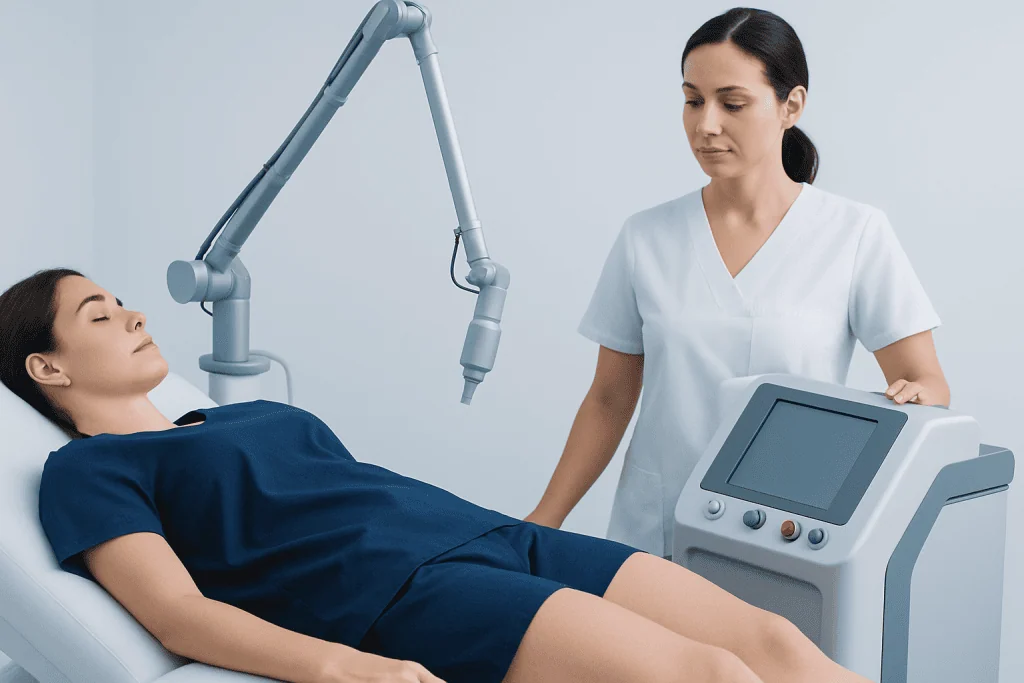
Perianal pigmentation is influenced by melanin, the natural pigment that gives skin its color. It may be darker than surrounding areas because of normal anatomy, genetics, hormonal influences, friction, moisture, and repeated minor irritation. This appearance alone does not mean that hygiene is poor or that a person has a health problem.
Friction from clothing, sweating, frequent wiping, hair removal, constipation, diarrhea, or certain sexual practices can contribute to irritation and post-inflammatory hyperpigmentation. In this process, the skin produces or retains more pigment after inflammation has settled. Skin can also darken after rashes, hemorrhoid symptoms, or previous injury to the area.
Some medical conditions can affect skin color or cause itching, pain, scaling, or sores near the anus. Examples include eczema, contact dermatitis, fungal infection, psoriasis, lichen sclerosus, and sexually transmitted infections. A new, uneven, rapidly changing, bleeding, or painful pigmented area should be assessed by a clinician rather than treated with a cosmetic lightening product.
How Rectal Bleaching Products and Procedures Work

Topical products marketed for rectal bleaching may contain ingredients intended to reduce pigment production, increase skin-cell turnover, or exfoliate the outer skin layer. Ingredients vary widely and may include mild acids, retinoid-like compounds, botanical extracts, or pigment-modifying agents. A product described as natural is not automatically gentle or safe for sensitive genital or perianal skin.
Some clinics and salons offer superficial chemical peels or laser-based cosmetic procedures for intimate-area pigmentation. These interventions should be considered carefully because the perianal area has high friction, frequent moisture exposure, and close contact with mucosal tissue. Treatments that are appropriate for thicker skin elsewhere on the body may not be appropriate in this location.
There is limited high-quality research specifically evaluating the effectiveness and long-term safety of many commercial anal-bleaching products. Results, when they occur, may be gradual and temporary. Continued friction or inflammation can lead to recurrent darkening, while overly aggressive treatment can create more inflammation and potentially worsen pigment changes.
Potential Risks and Side Effects
The most common problems associated with rectal bleaching are burning, stinging, redness, dryness, itching, swelling, peeling, and rash. These effects can occur when an active ingredient is too strong, the product is left on too long, or the skin has a sensitivity or allergy to an ingredient. Applying products after shaving, waxing, or other hair removal can increase the likelihood of irritation.
More serious reactions may include chemical burns, skin cracking, infection, scarring, or changes in pigmentation. Skin can become lighter than intended, darker after inflammation, or uneven in color. Damage to the protective skin barrier can also make bowel movements, wiping, and sitting uncomfortable.
Unregulated cosmetic products may have incomplete labeling or contain ingredients that are not appropriate for use on intimate skin. Products containing strong bleaching agents, high concentrations of acids, topical steroids without medical supervision, or mercury should be avoided. Mercury-containing skin-lightening products can be harmful to health and should not be used on any body area.
Rectal bleeding, severe pain, discharge, open sores, or persistent itching should not be assumed to be a reaction that can be treated at home. These symptoms may have other causes and deserve a medical assessment.
Safer Steps Before Considering Cosmetic Lightening
Before pursuing any cosmetic treatment, it is sensible to consider whether the darkening is longstanding and stable or new and changing. A dermatologist, primary care doctor, gynecologist, urologist, or colorectal specialist can evaluate concerning symptoms and identify conditions such as dermatitis, infection, or inflammatory skin disease. Treating the underlying irritation may improve comfort and help prevent further darkening.
If a person is considering a topical cosmetic product, they should choose one from a reputable source with a complete ingredient list and clear instructions for external use. A clinician or pharmacist can review the ingredients, especially for people with eczema, allergies, sensitive skin, inflammatory bowel disease, diabetes, pregnancy, or a history of skin reactions.
A patch test on a less sensitive area may identify some allergic reactions, although it cannot fully predict how perianal skin will respond. Products should never be applied to broken, inflamed, recently shaved, or infected skin. They should also not be combined with multiple exfoliating products, fragranced wipes, or harsh cleansing agents.
- Use lukewarm water and gentle, fragrance-free cleansing rather than vigorous scrubbing.
- Pat the area dry instead of rubbing it with towels or toilet paper.
- Wear breathable underwear and avoid prolonged moisture when possible.
- Stop any product immediately if burning, pain, blistering, or marked redness occurs.
Prevention and Everyday Perianal Skin Care
Perianal skin generally needs simple care rather than intensive cleansing. Overwashing, scented soaps, deodorizing sprays, fragranced wet wipes, and abrasive exfoliation can disturb the skin barrier and trigger irritation. For most people, gentle washing with water or a mild fragrance-free cleanser is sufficient.
Managing factors that cause repeated irritation may help reduce discomfort and post-inflammatory darkening. This can include addressing constipation or diarrhea, avoiding prolonged wiping, changing out of sweaty clothing, and choosing underwear that reduces friction. A barrier ointment recommended by a clinician may be useful when skin is irritated by frequent stools or moisture.
People should avoid home remedies such as lemon juice, baking soda, undiluted essential oils, household bleach, or strong acid products. These substances can cause significant irritation or burns and are not suitable for perianal skin. Cosmetic treatment should never take priority over treating pain, itching, bleeding, or a changing skin lesion.
When to Seek Medical Care
Medical advice is recommended if perianal discoloration is new, spreading, uneven, raised, or associated with persistent itching, pain, bleeding, discharge, ulcers, lumps, or changes in bowel habits. Prompt assessment is particularly important if a person notices a dark spot that changes in size, shape, or color, or if there is unexplained weight loss or ongoing rectal bleeding.
A person should stop using a bleaching product and seek care promptly for severe burning, blistering, swelling, open skin, pus, fever, or pain that makes bowel movements difficult. Emergency care may be appropriate for heavy rectal bleeding, severe weakness, fainting, or signs of a serious allergic reaction such as facial swelling or trouble breathing.
For people who remain interested in cosmetic lightening after medical causes have been excluded, consultation with a board-certified dermatologist is the safest starting point. Acibadem International’s multidisciplinary specialists and JCI-accredited hospitals can assess skin concerns and discuss appropriate care options for international patients.
Frequently asked questions
Is rectal bleaching safe?
Rectal bleaching can cause irritation, allergic reactions, burns, and uneven pigment changes, especially when products are strong or used incorrectly. Safety is improved by having any new or symptomatic discoloration evaluated first and avoiding unregulated or harsh products.
Is dark skin around the anus normal?
Yes. Darker perianal skin is common and may reflect normal pigmentation, genetics, hormones, friction, and prior irritation. It is not usually a sign of poor hygiene.
Can rectal bleaching be done inside the anus?
No. Bleaching products should not be inserted into the anus or rectum. Internal tissues are delicate, and exposure to cosmetic chemicals can cause pain, burns, inflammation, and other complications.
How long do rectal bleaching results last?
Results vary depending on the method, skin type, and ongoing sources of friction or inflammation. Any lightening may be temporary, and repeated treatment can increase the risk of irritation and pigment irregularity.
Can hemorrhoids cause darkening around the anus?
Hemorrhoids themselves may cause swelling, itching, bleeding, or irritation, and repeated inflammation can sometimes contribute to darker skin after healing. New symptoms such as bleeding or a lump should be assessed by a healthcare professional rather than treated as a cosmetic concern.
What should someone do if a bleaching product burns?
The product should be removed according to its instructions, and the area should be rinsed gently with lukewarm water without scrubbing. Medical care is advisable for persistent pain, blistering, swelling, open skin, discharge, or any rectal bleeding.
This article is for general information only and is not a substitute for professional medical advice. Please consult a qualified doctor about your individual situation.
Explore treatments in Turkey — costs, top hospitals & a free quote
JCI-accredited · board-certified surgeons · reply within 24h
Add us as a Preferred Source to see more of our trusted health content across Google Search, AI Overviews and Discover.

More from the Health Library
Fever with Cedar Fever — Explained by Medical Evidence, Not Myths

Face Mask Skin Care: An Evidence-Based Guide for Patients

Pumping in Stomach — Explained by Medical Evidence, Not Myths

Brown Spot on Eye: A Complete Medical Overview

Serrapeptase: An Evidence-Based Guide for Patients