Arachnoid Cyst: A Complete Medical Overview
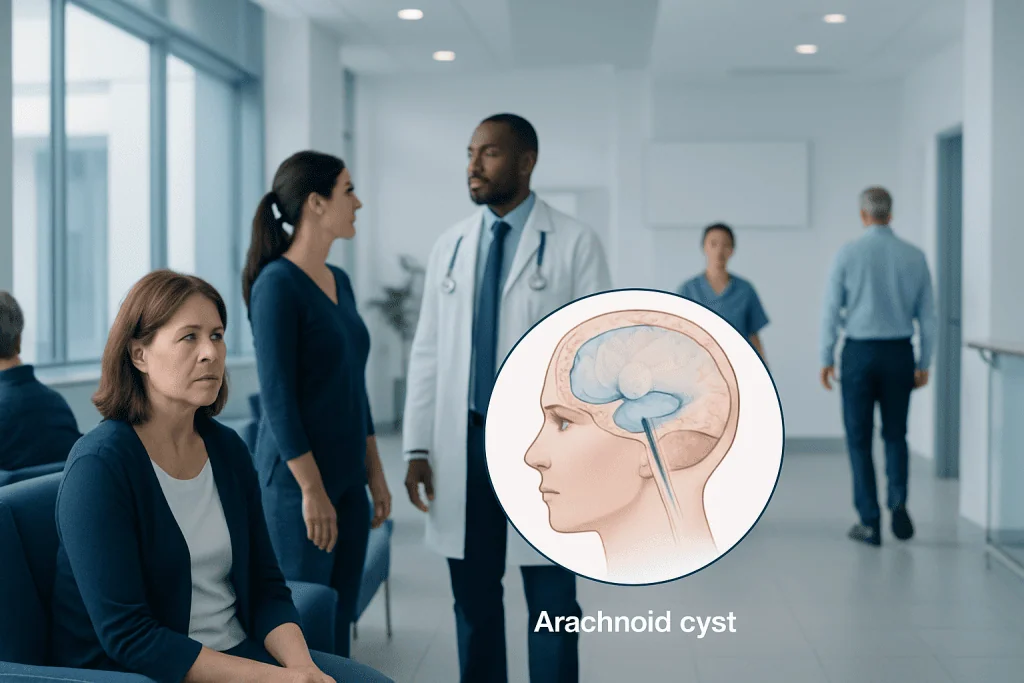
Most arachnoid cysts are benign and many never cause symptoms. Symptoms depend mainly on the cyst’s size and location, not simply its presence.
Key Takeaways
- Most arachnoid cysts are benign and many never cause symptoms.
- Symptoms depend mainly on the cyst’s size and location, not simply its presence.
- MRI is the main test used to confirm an arachnoid cyst and assess nearby structures.
- Treatment ranges from observation to surgery when symptoms, pressure, or complications are present.
- Prompt medical review is important for new neurological symptoms such as severe headache, seizures, weakness, or vision changes.
An arachnoid cyst is a fluid-filled sac that forms in the arachnoid membrane, one of the layers covering the brain and spinal cord. Many arachnoid cysts cause no symptoms and are found by chance, but larger or strategically located cysts can lead to symptoms that may require evaluation and treatment.
Overview: What Is an Arachnoid Cyst?
An arachnoid cyst is a pocket filled with fluid similar to cerebrospinal fluid. It develops within the arachnoid membrane, one of the thin protective layers surrounding the brain and spinal cord. In many people, an arachnoid cyst is discovered incidentally during imaging performed for another reason, and it may never cause any health problems.
These cysts can occur in children or adults. Some are present from birth because of the way the membranes form during early development. Others may appear later in life after head injury, infection, surgery, or bleeding around the brain, although this is less common.
Arachnoid cysts are not cancers, and most do not spread or invade surrounding tissue. What matters most is whether the cyst is putting pressure on nearby brain structures, spinal cord tissue, or normal fluid pathways. That is why the same diagnosis can mean very different things from one person to another.
Because the effects depend on size and location, management is individualized. Some people only need follow-up scans, while others benefit from specialist care through services such as neurosurgical evaluation when symptoms or pressure effects are suspected.
Symptoms and Possible Effects
Many arachnoid cysts cause no symptoms at all. When symptoms do occur, they usually develop because the cyst presses on nearby tissue or affects the normal circulation of cerebrospinal fluid. The pattern can vary widely depending on whether the cyst is in the brain or near the spinal cord.
In the brain, possible symptoms may include headaches, nausea, vomiting, dizziness, balance problems, visual disturbance, hearing changes, seizures, or difficulties with concentration and behavior. In infants and young children, signs may be less specific and can include irritability, developmental delay, feeding difficulty, or an enlarged head if pressure builds over time.
Spinal arachnoid cysts may cause back pain, numbness, tingling, weakness, gait problems, or bowel and bladder symptoms if the spinal cord or nerves are compressed. Symptoms can be mild and intermittent at first, which is one reason careful medical evaluation is important when unexplained neurological complaints persist.
- Small cysts may remain silent for years.
- Symptoms do not always correlate perfectly with cyst size.
- Sudden worsening can occur if there is bleeding, trauma, or a change in pressure.
- Children may show different symptoms than adults.
Causes, Types, and Risk Factors

Arachnoid cysts are often divided into primary and secondary types. Primary arachnoid cysts are usually congenital, meaning they formed before birth as the arachnoid membrane developed. Secondary arachnoid cysts may arise after events that alter the membranes or the fluid spaces around the brain and spinal cord.
Possible contributing factors for secondary cysts include head trauma, previous brain or spinal surgery, infection such as meningitis, inflammation, or bleeding in the area. However, many patients with an arachnoid cyst have no clear trigger, especially when the cyst has likely been present for a long time.
Cysts can occur in several locations, but they are commonly found in the middle cranial fossa, behind the brain, or along the spinal canal. Their location influences symptoms and the need for treatment. For example, a cyst that interferes with fluid drainage may be associated with hydrocephalus, while a cyst in a region controlling balance or vision may produce different complaints.
There is no routine lifestyle factor known to directly cause a primary arachnoid cyst. In most cases, people could not have prevented it. The main risk-related concern is not who develops the cyst, but whether the cyst causes compression, fluid blockage, or complications over time.
How Doctors Diagnose an Arachnoid Cyst
Diagnosis usually begins with a medical history and neurological examination. A doctor will ask about headaches, seizures, balance issues, weakness, sensory changes, developmental concerns in children, and whether symptoms are new, progressive, or triggered by injury. The examination helps determine whether the cyst may be affecting brain or spinal cord function.
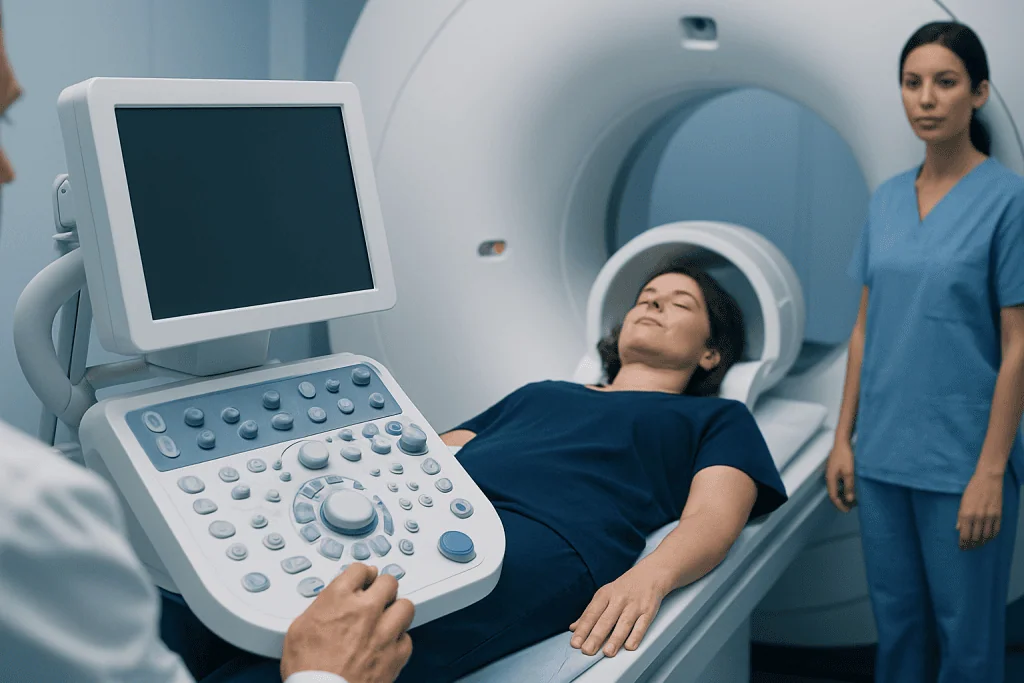
Imaging is essential. Magnetic resonance imaging, especially MRI, is often the preferred test because it shows the cyst’s size, exact location, and its relationship to nearby structures in detail. Computed tomography may also identify a cyst, especially in emergency settings or after trauma, but MRI is generally better for further assessment.
Radiologists and neurologists also consider other conditions that can resemble or coexist with an arachnoid cyst. These may include other cystic lesions, prior injury, fluid circulation problems, or symptoms from unrelated disorders. This is why the scan finding alone does not automatically explain every symptom.
Follow-up imaging may be advised if the cyst is newly discovered, if symptoms are evolving, or if there is uncertainty about whether it is stable. In children, monitoring may be more structured because growth and development can influence the way symptoms appear over time.
Treatment Options and When Treatment Is Needed
Not every arachnoid cyst needs treatment. If the cyst is small, causes no symptoms, and shows no sign of pressure on surrounding structures, doctors may recommend observation only. This usually means periodic clinical review and sometimes repeat imaging to confirm stability.
Treatment becomes more likely when there are clear symptoms linked to the cyst, evidence of pressure on the brain or spinal cord, fluid blockage, seizures related to the lesion, or progressive enlargement. The goal is not simply to remove a scan finding, but to relieve pressure and protect neurological function.
Surgical options may include fenestration, in which openings are made so the fluid can drain into normal spaces; shunt placement, which diverts fluid; or, in selected cases, microsurgical or endoscopic procedures. Planning may involve a specialist team and advanced imaging, particularly when the cyst is close to sensitive structures or associated with conditions such as other intracranial lesions that must be distinguished carefully.
Doctors weigh the expected benefits of surgery against the risks, including infection, bleeding, recurrence, or persistent symptoms despite treatment. In centers with multidisciplinary expertise, patients may be evaluated by neurologists, neurosurgeons, radiologists, and pediatric specialists when appropriate, and some may undergo brain surgery or related procedures only after careful discussion.
Monitoring, Recovery, and Self-care
For people managed without surgery, follow-up focuses on symptom changes rather than the diagnosis alone. A stable cyst that does not affect daily life may simply need periodic observation. Patients are usually advised to keep track of headache patterns, episodes of dizziness, visual changes, weakness, or seizure-like events and to report any new developments promptly.
After surgery, recovery depends on the type of procedure, the cyst’s location, and the person’s age and overall health. Follow-up visits often include neurological assessment and repeat imaging to check that pressure has improved and that fluid pathways remain open. Some symptoms may improve quickly, while others, especially those related to long-standing compression, can take longer.
There is no special diet or home remedy that can shrink an arachnoid cyst. Practical self-care centers on general neurological health: taking prescribed medicines correctly, avoiding activities that increase injury risk if seizures or balance problems are present, staying hydrated, sleeping well, and attending all planned follow-up appointments.
Families of children with arachnoid cysts may also benefit from watching for developmental milestones, school performance, coordination, and behavior changes. If concerns arise, timely reassessment helps doctors decide whether the cyst remains incidental or needs closer review.
When to Seek Medical Care
Medical review is important if a person develops symptoms that could suggest pressure on the brain or spinal cord. These include persistent or worsening headache, repeated vomiting, seizures, new weakness, trouble walking, numbness, personality or behavior change, unexplained vision problems, or loss of bladder or bowel control.
Urgent care is needed for severe or sudden symptoms, especially after head trauma. Sudden severe headache, confusion, fainting, a seizure for the first time, significant drowsiness, or rapidly worsening weakness should not be ignored. These symptoms do not always mean the arachnoid cyst is the cause, but they require prompt assessment.
Children and infants should be evaluated if they have unusual sleepiness, persistent irritability, feeding difficulties, repeated vomiting, developmental regression, or an enlarging head size. In these age groups, symptoms can be subtle, so caregiver observations are especially valuable.
For international patients who need specialist assessment, Acibadem International’s multidisciplinary teams and JCI-accredited hospitals provide diagnosis and treatment for neurological conditions, including arachnoid cysts, with access to advanced imaging and neurosurgical care when appropriate.
Frequently asked questions
Is an arachnoid cyst a brain tumor?
No. An arachnoid cyst is a fluid-filled sac in the membranes around the brain or spinal cord, not a tumor. It is usually benign, but it may still need medical attention if it causes pressure or symptoms.
Can an arachnoid cyst go away on its own?
Some arachnoid cysts remain stable for many years, but they do not commonly disappear completely on their own. Doctors often monitor cysts that are not causing problems. Treatment is considered if symptoms develop or the cyst affects nearby structures.
Does every arachnoid cyst need surgery?
No, many arachnoid cysts do not require surgery. If the cyst is incidental and there are no symptoms or pressure effects, observation may be the safest approach. Surgery is generally reserved for symptomatic, enlarging, or complicated cases.
What is the best scan for diagnosing an arachnoid cyst?
MRI is usually the most helpful imaging test because it shows the cyst’s size, location, and effect on surrounding tissue in detail. CT can also detect a cyst, especially in emergency situations. The choice depends on the clinical situation and the doctor’s judgment.
Can an arachnoid cyst cause headaches?
Yes, it can, but not every headache in a person with an arachnoid cyst is caused by the cyst. Doctors look at the cyst’s location, pressure effects, and the overall symptom pattern before deciding whether the two are related. This is why specialist evaluation is important.
Are arachnoid cysts dangerous in children?
Many children with arachnoid cysts do very well, especially when the cyst is small and stable. However, children should be monitored carefully because growth, development, and fluid dynamics can change over time. Any developmental delay, persistent vomiting, seizures, or head growth concerns should be assessed promptly.
References
- National Institute of Neurological Disorders and Stroke
- National Health Service
- Mayo Clinic
- American Association of Neurological Surgeons
- National Organization for Rare Disorders
This article is for general information only and is not a substitute for professional medical advice. Please consult a qualified doctor about your individual situation.
Joint and spine care in Turkey — expert assessment & treatment
JCI-accredited · board-certified surgeons · reply within 24h
Add us as a Preferred Source to see more of our trusted health content across Google Search, AI Overviews and Discover.

More from the Health Library

Chia Seeds in Yogurt: A Complete Medical Overview

Tachypneic: A Complete Medical Overview

Get Rid of Scabies in 24 Hours: What Patients Need to Know

How Can I Get Rid of Cellulite?

Systolic Blood Pressure: What Patients Need to Know