Person Sleeping: An Evidence-Based Guide for Patients

Sleep is an active biological process with repeating non-REM and REM stages. Sleep needs vary by age, health, daily demands, and individual biology; daytime functioning is an important sign of adequacy.
Key Takeaways
- Sleep is an active biological process with repeating non-REM and REM stages.
- Sleep needs vary by age, health, daily demands, and individual biology; daytime functioning is an important sign of adequacy.
- A regular schedule, a comfortable sleep environment, daytime activity, and limiting late caffeine can support better sleep.
- Snoring with breathing pauses, marked daytime sleepiness, unusual night behaviors, or lasting insomnia should be discussed with a clinician.
- Sleep medicines and supplements are not appropriate for everyone and should be chosen with professional guidance.
A person sleeping normally cycles through lighter, deeper, and rapid eye movement (REM) sleep several times each night. Healthy sleep supports alertness, mood, learning, immune function, and physical recovery, while persistent poor sleep may need medical assessment.
Overview: what happens when a person is sleeping?
A person sleeping is not simply unconscious or inactive. During sleep, the brain and body move through organized stages that support restoration, memory processing, emotional regulation, hormone balance, and tissue repair. Heart rate, breathing pattern, body temperature, muscle activity, and brain activity change naturally across the night.
Most adults need regular, sufficient sleep to feel alert and function well during the day, but the ideal amount is not identical for everyone. Sleep needs generally change with age, and factors such as illness, pregnancy, physical activity, work schedules, stress, and medications can also affect sleep. Rather than focusing only on a number of hours, it is helpful to consider whether sleep is refreshing and whether the person can stay awake, think clearly, and function safely during the day.
Brief awakenings are common and are often not remembered in the morning. Turning over, changing position, or waking briefly between sleep cycles can be normal. However, repeated long awakenings, difficulty falling asleep, loud habitual snoring, gasping, severe daytime fatigue, or behaviors that create a risk of injury may signal a sleep-related health concern.
Sleep stages and the normal sleep cycle
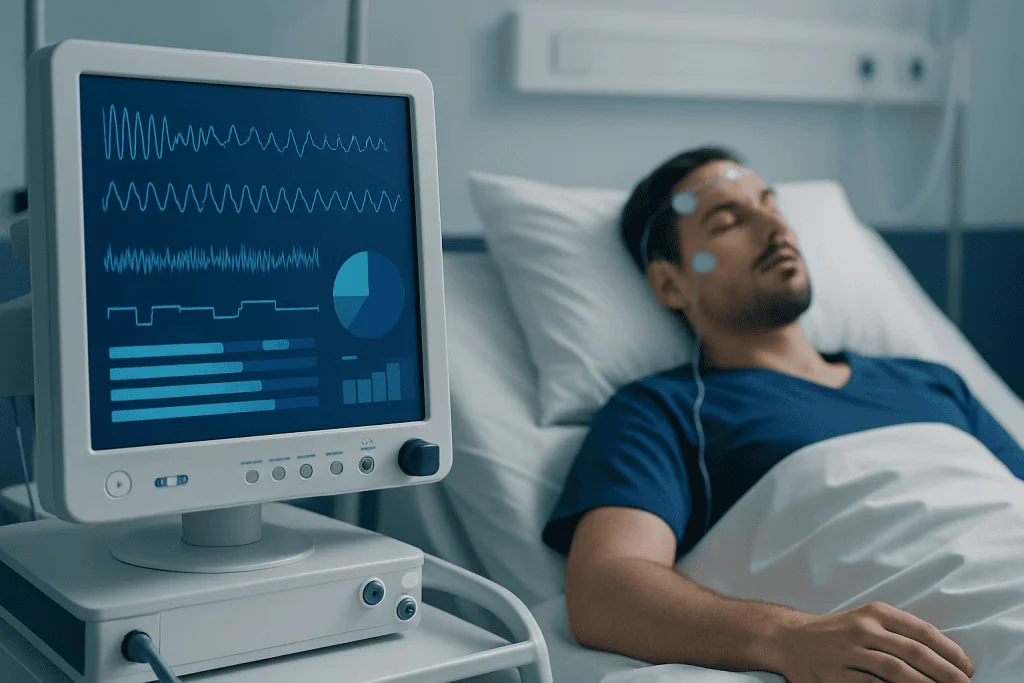
Sleep is broadly divided into non-rapid eye movement (non-REM) sleep and rapid eye movement (REM) sleep. Non-REM sleep includes lighter stages, when a person may awaken easily, and deeper sleep, when waking is more difficult. Deep sleep is particularly associated with physical restoration and may be more prominent in the earlier part of the night.
REM sleep is the stage most closely linked with vivid dreaming, although dreams can occur in other stages as well. Brain activity becomes more active during REM sleep, while most voluntary muscles are temporarily relaxed. This muscle relaxation is a normal protective feature that helps prevent a person from physically acting out most dreams.
These stages recur in cycles throughout the night. The pattern changes from one cycle to the next: deeper non-REM sleep is usually concentrated earlier, while REM periods tend to become longer toward morning. A wearable device may estimate sleep stages, but its results are not the same as a clinical sleep study. The most useful information is often how the person feels and functions, together with symptoms observed by a bed partner or family member.
What healthy sleep may look and feel like
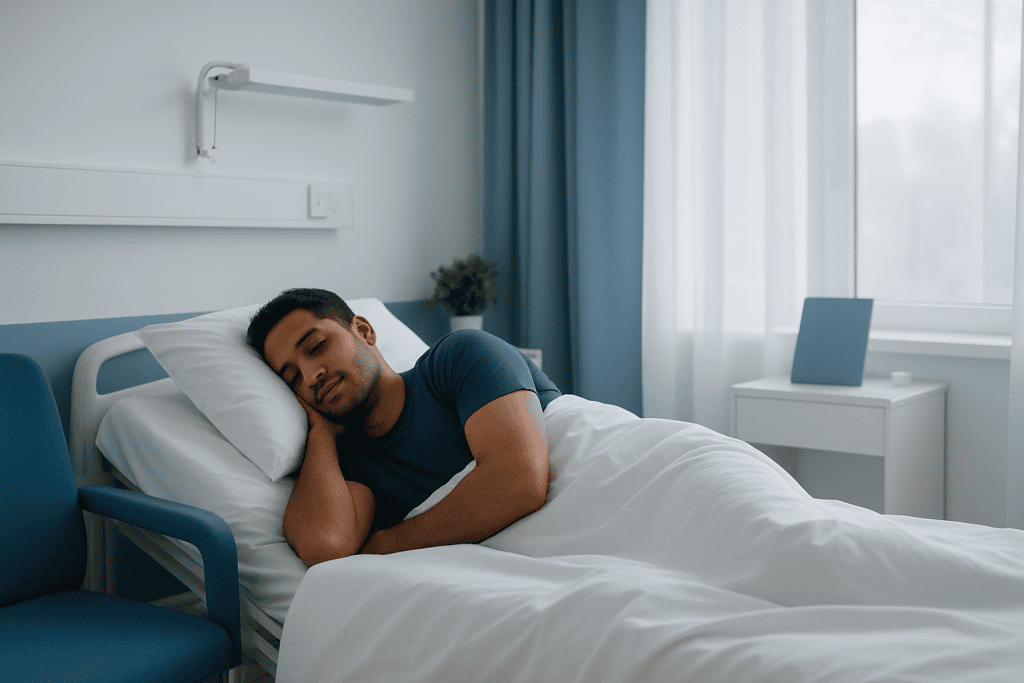
Healthy sleep often begins within a reasonable period after going to bed, continues with only brief or occasional awakenings, and ends with a person feeling reasonably restored. It does not require perfection. Many people have an occasional restless night due to travel, stress, noise, illness, family responsibilities, or a change in routine without developing a sleep disorder.
During sleep, a person may change position, make small sounds, or have brief movements. Some talking in sleep can occur and is usually harmless when occasional. A bed partner may notice snoring, but frequent loud snoring deserves attention, especially if it is accompanied by choking, gasping, pauses in breathing, morning headaches, or excessive sleepiness.
Signs that sleep may be insufficient or disrupted include regularly needing much longer sleep on days off, falling asleep unintentionally, relying heavily on caffeine to remain alert, irritability, poor concentration, reduced performance, or drowsiness while driving. Daytime sleepiness should be taken seriously because it can increase the risk of accidents. A clinician can help distinguish temporary sleep loss from conditions such as insomnia, circadian rhythm disruption, or a breathing-related sleep disorder.
Common reasons sleep becomes disrupted
Sleep can be affected by everyday habits and environmental factors. Irregular bedtimes, shift work, jet lag, late-night screen use, a noisy or overly warm bedroom, and long or late daytime naps may make it harder to sleep at the desired time. Alcohol may make a person feel sleepy initially, but it can fragment sleep later in the night. Caffeine and nicotine can also interfere with sleep, particularly when used later in the day.
Stress, anxiety, depression, grief, and major life changes commonly affect sleep. Physical symptoms can do the same, including pain, reflux, frequent urination, coughing, nasal congestion, hot flashes, and itching. Some prescribed and non-prescription medicines may contribute to insomnia or daytime sleepiness, so medication changes should be reviewed with a doctor or pharmacist rather than stopped independently.
Several medical sleep disorders can also interrupt normal rest. Obstructive sleep apnea involves repeated narrowing or blockage of the upper airway during sleep and may cause snoring, gasping, and daytime fatigue. Restless legs symptoms can create an urge to move the legs when resting, while some people experience sleepwalking, nightmares, or other unusual behaviors. These concerns are often treatable once they are correctly identified.
- Risk factors for disrupted sleep may include excess body weight, alcohol use near bedtime, smoking, chronic nasal blockage, stress, chronic pain, and an irregular work schedule.
- A family history of snoring or sleep apnea, certain facial or airway features, and aging can also influence breathing during sleep.
- Children, older adults, pregnant people, and people with neurological or mental health conditions may have sleep concerns that need individualized assessment.
How sleep problems are assessed
A healthcare professional usually begins by asking about sleep timing, how long symptoms have been present, daytime function, work schedule, mood, medical history, medicines, alcohol or caffeine use, and any symptoms reported by a bed partner. A sleep diary kept for one or two weeks can be useful. It may record bedtime, estimated time to fall asleep, awakenings, wake-up time, naps, caffeine, alcohol, and how alert the person feels during the day.
For suspected sleep apnea or other disorders that occur during sleep, a clinician may recommend a sleep study. This can sometimes be performed at home for selected adults with a high likelihood of uncomplicated obstructive sleep apnea. In other cases, an overnight sleep study in a sleep laboratory provides more detailed information about breathing, oxygen levels, heart rhythm, movement, and sleep stages.
Tests are chosen according to the symptoms rather than routinely used for every person with poor sleep. Blood tests may be appropriate when a clinician suspects an underlying issue such as anemia, thyroid disease, or another condition contributing to fatigue or leg symptoms. A careful assessment also helps identify whether treatment should focus on sleep habits, an underlying medical problem, mental health support, or a specific sleep disorder.
Practical ways to support better sleep
Consistent routines are among the most effective ways to support sleep. Going to bed and getting up at similar times each day helps align the body clock, including on weekends when possible. Exposure to daylight in the morning and regular daytime movement can also strengthen the natural sleep-wake rhythm. Exercise is generally beneficial, although some people find vigorous activity very close to bedtime stimulating.
A sleep-friendly bedroom is usually dark, quiet, comfortable, and cool. Reducing bright light and emotionally demanding activities before bed may help the mind settle. If a person cannot fall asleep after a prolonged period, a calm activity in dim light may be more helpful than remaining in bed awake and frustrated; they can return to bed when sleepy.
It may help to avoid caffeine later in the day, nicotine near bedtime, heavy meals immediately before sleep, and alcohol as a sleep aid. Keeping naps short and earlier in the day can be useful for people whose nighttime sleep is affected by napping. Prescription sleep medicines, over-the-counter products, and melatonin can have side effects or interact with other medicines, so a qualified clinician should advise on whether they are appropriate.
When to seek medical care
Medical advice is appropriate when sleep problems persist for weeks, affect daily life, or cause distress. A person should arrange an assessment if they regularly struggle to fall or stay asleep, wake unrefreshed despite enough time in bed, feel excessively sleepy during the day, or notice a sustained decline in concentration, mood, or work performance.
Prompt assessment is especially important for loud frequent snoring with witnessed breathing pauses, gasping or choking during sleep, morning headaches, or sleepiness while driving. A doctor should also evaluate sleepwalking or dream-enactment behaviors that could lead to injury, repeated nighttime panic, sudden muscle weakness triggered by emotions, or leg discomfort that repeatedly disrupts sleep.
Urgent care is needed if severe sleepiness creates an immediate safety risk, such as difficulty staying awake while driving or operating machinery. Acibadem International’s multidisciplinary specialists and JCI-accredited hospitals can assess sleep-related symptoms and underlying conditions for international patients. The appropriate next step is a consultation with a qualified healthcare professional who can recommend an individualized plan.
Frequently asked questions
How many hours should a person sleep each night?
Sleep needs differ by age and individual circumstances. Most adults generally benefit from about seven to nine hours per night, while children and teenagers typically need more. Feeling alert, functioning well, and not experiencing persistent daytime sleepiness are important indicators alongside total sleep time.
Is it normal to wake up during the night?
Brief awakenings between sleep cycles are common and may not be remembered. Waking occasionally to change position, use the bathroom, or respond to noise can also happen. Frequent or prolonged awakenings that leave a person tired or distressed are worth discussing with a clinician.
Can snoring be harmless?
Occasional mild snoring can occur without a serious health problem. However, loud habitual snoring, pauses in breathing, gasping, choking, or daytime sleepiness may be signs of obstructive sleep apnea. A medical assessment can help determine whether testing is needed.
Do phones and screens affect sleep?
Screen use may delay sleep when it replaces a calming bedtime routine or exposes the person to bright light and stimulating content. Notifications, work messages, games, and social media can also keep the mind alert. Limiting screens before bed and using a consistent wind-down routine may help.
Is melatonin safe for sleep?
Melatonin may be useful in selected situations, such as certain circadian rhythm problems, but it is not the best solution for every sleep concern. Product quality, timing, interactions, pregnancy, age, and other health conditions should be considered. A doctor or pharmacist can provide personalized advice before it is used regularly.
What is the difference between tiredness and sleepiness?
Tiredness may describe low energy, fatigue, or lack of motivation, and it can have many causes. Sleepiness is a tendency to fall asleep, such as dozing during reading, conversations, or driving. Marked sleepiness should be medically assessed, particularly when it affects safety.
This article is for general information only and is not a substitute for professional medical advice. Please consult a qualified doctor about your individual situation.
Explore treatments in Turkey — costs, top hospitals & a free quote
JCI-accredited · board-certified surgeons · reply within 24h
Add us as a Preferred Source to see more of our trusted health content across Google Search, AI Overviews and Discover.
Check your numbers in seconds
BMI, calories, due date, blood pressure and 30+ more clinical calculators — free, instant, doctor-reviewed ranges.

More from the Health Library

Paxil: An Evidence-Based Guide for Patients

Bump on Eyeball: What Patients Need to Know

Tricaprin: What Patients Need to Know

Pencil Thin Stool: An Evidence-Based Guide for Patients

Parasocial: An Evidence-Based Guide for Patients