Understanding Colon Cancer Stool: A Complete Patient Guide

Blood in stool, black tar-like stool, or a lasting change in bowel habits should not be ignored. Stool appearance alone cannot diagnose or rule out colon cancer.
Key Takeaways
- Blood in stool, black tar-like stool, or a lasting change in bowel habits should not be ignored.
- Stool appearance alone cannot diagnose or rule out colon cancer.
- Many non-cancerous conditions, including hemorrhoids and anal fissures, can cause rectal bleeding.
- Screening can find polyps or early colorectal cancer before symptoms develop.
- Urgent assessment is needed for heavy bleeding, black tarry stools, dizziness, fainting or severe abdominal pain.
Colon cancer stool changes may include visible blood, very dark stool, narrower-than-usual stools, or a persistent change in bowel habits. These changes do not confirm cancer, as hemorrhoids, infections, diet, medicines and other digestive conditions can cause similar symptoms, but they should be assessed when persistent or unexplained.
Overview: What Can Colon Cancer Stool Look Like?
Colon cancer stool can look different from a person’s usual bowel movements. Possible changes include blood mixed with stool, dark or black tar-like stool, a new ongoing pattern of diarrhea or constipation, and stools that seem narrower than usual. Colon cancer can bleed slowly or intermittently, so a person may not always see blood, and some people have no bowel symptoms at all.
Stool changes are not a reliable way to diagnose colon cancer. Bright-red blood is often caused by hemorrhoids or a small tear in the anus, while black stool may result from iron supplements, bismuth-containing medicines, or certain foods. Still, unexplained bleeding or a change that lasts more than a short time deserves medical advice rather than self-diagnosis.
Colon cancer, also called colorectal cancer when the rectum is included, usually begins as a growth called a polyp in the lining of the large bowel. Some polyps can develop into cancer over years. Screening tests can detect polyps and early cancer, often before symptoms arise, which is why screening remains important even when stools appear normal.
Stool Changes That May Need Attention
Blood is one of the most important stool changes to discuss with a clinician. It may appear as bright-red streaks on toilet paper or on the stool, darker red blood mixed into stool, or stool that is black, sticky and tar-like. Bleeding higher in the digestive tract is more likely to make stool dark, but the appearance of blood alone cannot identify its source.
A persistent change in bowel habits can also be relevant. This may mean new constipation, diarrhea, needing to pass stool more often or less often, a feeling that the bowel has not emptied fully, or an ongoing change in stool consistency. A temporary change during a stomach infection, travel, dietary change, or period of stress is common; persistence is the feature that matters most.
Some people describe thin, ribbon-like, or pencil-thin stools. Occasional narrow stools can happen normally and do not by themselves indicate cancer. However, a sustained change in stool shape, especially together with bleeding, abdominal discomfort, unintentional weight loss, fatigue, or a new bowel pattern, should be evaluated.
- Visible red or dark blood in or on stool
- Black, tarry, unusually foul-smelling stool
- A bowel habit change lasting several weeks
- New persistent abdominal cramping, bloating, or discomfort
- Fatigue, breathlessness, or pallor that may reflect iron-deficiency anemia
Why Colon Cancer Can Affect Stool

A tumor in the colon may irritate the bowel lining and bleed. Small amounts of bleeding may be invisible, known as occult blood, but over time can contribute to iron-deficiency anemia. In other cases, blood is visible. The color can vary according to where bleeding occurs, how much blood is present, and how long it has traveled through the bowel.
As a tumor grows, it may partly narrow the inside of the bowel or alter the way the bowel moves stool along. This can contribute to constipation, looser stools, abdominal discomfort, or a feeling of incomplete emptying. These symptoms are not specific to cancer and are often caused by more common conditions such as irritable bowel syndrome, diverticular disease, infection, or medication effects.
Not every colon cancer produces noticeable changes in stool. This is especially true in earlier stages, when a person may feel completely well. For this reason, screening is designed for people without symptoms, while anyone with concerning symptoms should seek diagnostic evaluation rather than relying on a screening test alone.
Other Common Causes of Blood or Changed Stool
Many causes of changed stool are benign and treatable. Hemorrhoids can cause bright-red blood on toilet paper or in the toilet bowl, particularly after straining. Anal fissures, which are small tears in the anal lining, can also bleed and may cause pain during bowel movements. Constipation can make both problems more likely.
Diet, supplements, and medicines can affect stool color. Iron can darken stools, and bismuth-containing products may make them black. Beetroot, red food coloring, and some other foods can make stool look red. Antibiotics, magnesium-containing products, and many other medicines can change bowel frequency or consistency. A clinician should know about all medicines and supplements being used.
Inflammatory bowel disease, diverticular bleeding, bowel infections, polyps, and vascular changes in the bowel can also cause bleeding. Because the same symptom can have several explanations, it is important not to assume that bleeding is “just hemorrhoids,” particularly if it is new, recurrent, unexplained, or accompanied by other symptoms.
How Doctors Evaluate Concerning Stool Changes
Assessment begins with a discussion of the symptoms: when they began, how often they occur, whether blood is visible, and whether there are associated changes such as weight loss, pain, fever, fatigue, or appetite changes. The clinician will also ask about personal and family history of colorectal cancer or polyps, inflammatory bowel disease, medications, and prior screening.
A physical examination may include an abdominal examination and, when appropriate, a digital rectal examination. Blood tests can check for anemia and other possible causes of symptoms. A stool test may detect hidden blood, but a negative test does not always exclude disease when symptoms are present.
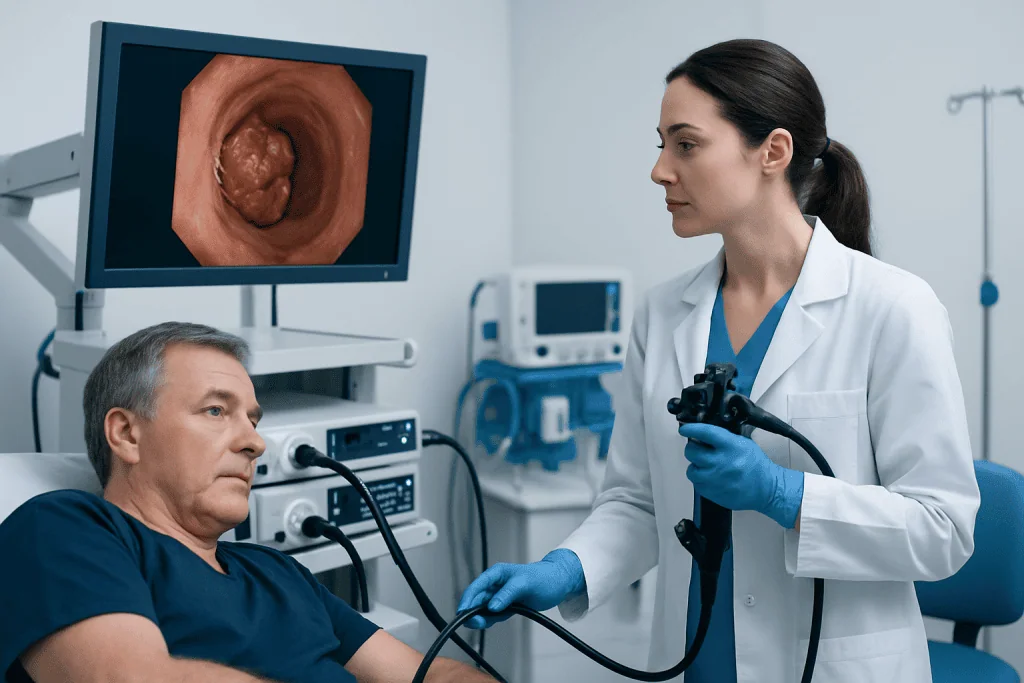
Colonoscopy is commonly used to investigate unexplained rectal bleeding, anemia, or persistent bowel changes. It allows the doctor to inspect the colon, remove certain polyps, and take tissue samples if needed. Depending on the situation, imaging tests such as CT colonography or a CT scan may also be used. If cancer is diagnosed, further tests help determine its location and extent so care can be planned appropriately.
Screening, Prevention and Everyday Bowel Awareness
Screening aims to detect colorectal cancer early or find polyps before they become cancerous. The most suitable method and timing depend on age, national guidance, family history, genetic risk, previous polyps, and medical history. People at increased risk may need screening earlier or more often than those at average risk, so individualized advice is important.
Healthy habits cannot prevent every case, but they support bowel and overall health. A varied diet rich in fiber-containing foods such as vegetables, fruit, beans, and whole grains, along with regular physical activity, may be beneficial. Avoiding tobacco, limiting alcohol, and maintaining a weight that is appropriate for the individual can also reduce colorectal cancer risk.
It can help to notice what is normal for one’s own bowel pattern without checking stools anxiously every day. A brief record of bleeding, stool color, frequency, pain, foods, and medicines can be useful before a medical appointment. Persistent symptoms should be assessed rather than managed indefinitely with over-the-counter products.
When to Seek Medical Care
A person should arrange a medical appointment for visible blood in stool, black or very dark stool not clearly explained by a medicine or supplement, or a bowel habit change that does not settle. Assessment is also advisable for unexplained fatigue, iron-deficiency anemia, abdominal pain, loss of appetite, or unintended weight loss. People with a close relative who had colorectal cancer or advanced polyps should discuss their screening plan with a doctor.
Urgent medical care is appropriate for heavy rectal bleeding, passing clots, black tarry stool with weakness or dizziness, fainting, severe or worsening abdominal pain, repeated vomiting, or an inability to pass stool or gas with marked abdominal swelling. These symptoms can have several causes, but prompt evaluation is the safest approach.
After a diagnosis, treatment may involve surgery, medicines, radiation therapy, or a combination of approaches depending on the cancer’s location and stage. Acibadem International’s multidisciplinary specialists and JCI-accredited hospitals diagnose and treat colorectal conditions for international patients, with care plans based on each person’s clinical needs.
Frequently asked questions
Does colon cancer always cause blood in stool?
No. Colon cancer may cause no visible bleeding, particularly in earlier stages. Some tumors bleed only in very small amounts that can lead to anemia without changing the stool’s appearance. Screening and medical evaluation of ongoing symptoms remain important.
Can hemorrhoids and colon cancer cause the same stool symptoms?
Yes. Both can cause rectal bleeding, and hemorrhoids are a common non-cancerous cause of bright-red blood. However, it is not possible to confirm the cause based on appearance alone, especially when bleeding is new, recurring, or accompanied by bowel habit changes or fatigue.
Are pencil-thin stools a sign of colon cancer?
Occasional narrow stools are common and are not enough to indicate colon cancer. A persistent new change in stool shape may need assessment, particularly if there is bleeding, pain, constipation, anemia, or unintentional weight loss. A clinician can determine whether testing is necessary.
What does black stool mean?
Black stool may result from iron supplements, bismuth-containing medicines, or certain foods. Black, sticky, tar-like stool can also indicate bleeding in the digestive tract and should be assessed promptly, particularly if it occurs with dizziness, weakness, abdominal pain, or vomiting.
Can a stool test diagnose colon cancer?
Some stool tests look for hidden blood or altered DNA associated with colorectal cancer and can be useful screening tools. An abnormal result requires follow-up, usually with colonoscopy. A normal stool test does not replace medical assessment when a person has concerning symptoms.
How long should a change in bowel habits last before seeing a doctor?
A short-lived change may occur with diet changes, infection, travel, or stress. If a new change persists for several weeks, returns repeatedly, or occurs with blood, pain, weight loss, or fatigue, a person should contact a qualified healthcare professional sooner.
References
- American Cancer Society
- National Cancer Institute
- Centers for Disease Control and Prevention
- National Health Service
- World Gastroenterology Organisation
This article is for general information only and is not a substitute for professional medical advice. Please consult a qualified doctor about your individual situation.
Colon Cancer in Turkey — costs, top hospitals & a free quote
JCI-accredited · board-certified surgeons · reply within 24h
Add us as a Preferred Source to see more of our trusted health content across Google Search, AI Overviews and Discover.

Medical Oncology Department
Medical treatment of cancer with chemotherapy, immunotherapy and targeted therapies under a multidisciplinary tumor board.
60 specialists in this unitMore from the Health Library



Related Specialists

Prof. Dr. Güngör Boztaş
Gastroenterology
Dr. Nurgul Naurzvaı
Pulmonary Medicine
Dr. Habibe Aslan
Inpatient Clinic Physicians
Assoc. Prof. Dr. Serkan Sürücü
Orthopedic Surgery & Traumatology