Tired Lack of Energy Weight Gain — Explained by Medical Evidence, Not Myths

Fatigue and weight gain often have more than one contributing factor, including sleep, activity, nutrition, stress, and health conditions. An underactive thyroid, anemia, diabetes, depression, sleep apnea, and some medicines may cause or worsen these symptoms.
Key Takeaways
- Fatigue and weight gain often have more than one contributing factor, including sleep, activity, nutrition, stress, and health conditions.
- An underactive thyroid, anemia, diabetes, depression, sleep apnea, and some medicines may cause or worsen these symptoms.
- Rapid weight gain, swelling, shortness of breath, chest pain, or severe weakness needs prompt medical attention.
- A clinician can use a history, examination, and selected blood tests to look for treatable causes.
- Sustainable lifestyle changes support energy and weight management, but they should not replace assessment of persistent symptoms.
Feeling tired, low in energy, and gaining weight at the same time is common and does not automatically mean a hormone disorder is present. Sleep quality, daily habits, stress, medication effects, and health conditions can all contribute, so a careful medical assessment is often more useful than assuming one cause.
Why tiredness, low energy, and weight gain can happen together
Tired lack of energy weight gain can occur together because many body systems influence both metabolism and alertness. Poor or insufficient sleep, reduced physical activity, prolonged stress, changes in eating patterns, and certain medicines may gradually lower energy expenditure or increase appetite while also leaving a person fatigued.
Medical causes are also possible, including an underactive thyroid, anemia, diabetes, depression, sleep disorders, and hormonal changes related to pregnancy or menopause. These symptoms are not specific to one diagnosis, however, and weight changes can also reflect fluid retention rather than an increase in body fat.
It is important not to blame these symptoms on a “slow metabolism” alone. Metabolism naturally varies between people, but persistent fatigue or unexpected weight gain deserves a broader, evidence-based review of symptoms, lifestyle, medications, and overall health.
How to recognize patterns that may be relevant
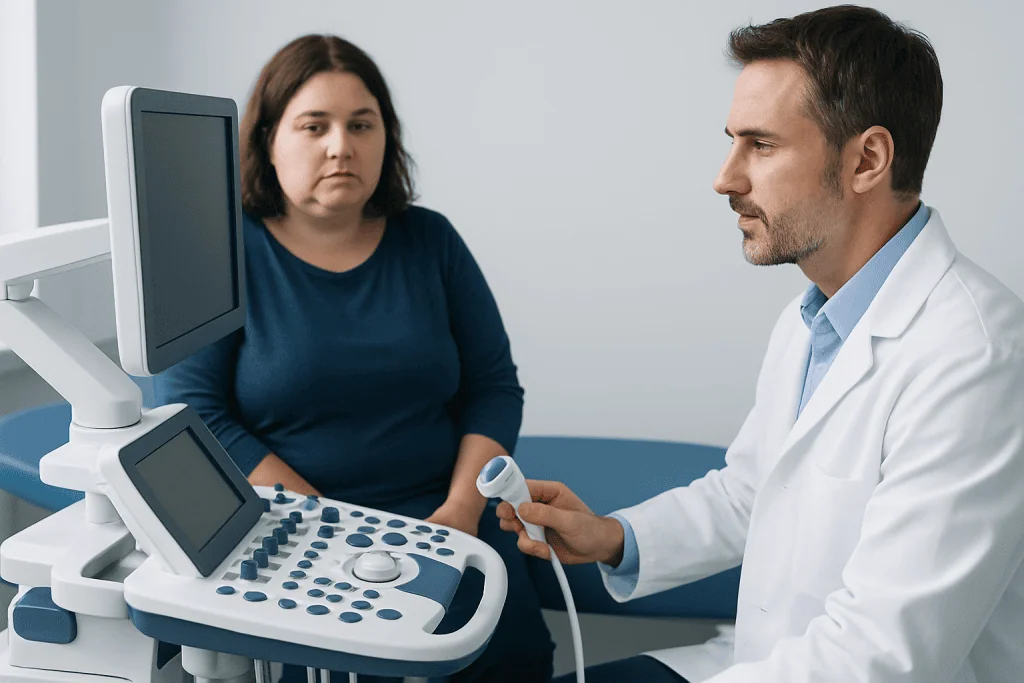
Fatigue is more than simply feeling sleepy after a busy day. It may be described as persistent tiredness, reduced stamina, difficulty concentrating, low motivation, or feeling unrefreshed after sleep. Noting when the problem began and whether it is constant or comes and goes can help identify potential causes.
Weight gain is best considered in context. A gradual change over months may relate to routines, appetite, activity, or life transitions. A sudden increase over days or weeks, especially with ankle swelling, abdominal bloating, or breathlessness, may indicate fluid retention and should be assessed promptly.
Other symptoms can offer useful clues. Feeling cold, constipation, dry skin, hair changes, and a slower heart rate may occur with hypothyroidism. Heavy menstrual bleeding, pale skin, dizziness, or breathlessness on exertion can occur with anemia. Loud snoring, breathing pauses during sleep, or morning headaches can point toward obstructive sleep apnea.
- Changes in mood, enjoyment, or concentration
- Thirst, frequent urination, or blurred vision
- Changes in menstrual cycles or hot flashes
- New pain, fever, digestive symptoms, or appetite changes
- Recent illness, surgery, pregnancy, travel, or major life stress
Common causes and contributing factors

Sleep is a central factor in both energy and weight regulation. Short sleep, disrupted sleep, shift work, and untreated sleep apnea can affect appetite hormones, food choices, mood, and daytime activity. A person may feel too tired to exercise, while also reaching for high-calorie foods for quick energy.
Stress can contribute in less obvious ways. Ongoing work, caregiving, financial, or emotional pressures can disturb sleep and encourage irregular eating, less movement, or greater alcohol intake. Stress does not mean symptoms are “all in the mind”; it can have genuine physical effects and may coexist with a medical condition.
Some medications can cause fatigue, increased appetite, fluid retention, or weight changes. Examples include certain antidepressants, antipsychotics, corticosteroids, antihistamines, diabetes medicines, and some treatments for seizures or blood pressure. A person should not stop a prescribed medicine without speaking to the clinician who prescribed it.
Medical conditions may also be involved. Hypothyroidism can reduce energy and cause modest weight gain, although it is not usually the explanation for large weight changes on its own. Iron deficiency anemia, vitamin B12 deficiency, diabetes, chronic kidney or liver disease, inflammatory conditions, and depression may also contribute. In some people, polycystic ovary syndrome or menopause-related changes can affect weight, energy, and sleep.
What a medical assessment may include
A clinician will usually begin by asking about sleep, work schedule, diet, activity, mood, menstrual history where relevant, recent changes in health, and all medicines and supplements. A record of weight change, symptoms, sleep hours, and meals for one or two weeks can be helpful, but it is not required before making an appointment.
The physical examination may include blood pressure, heart rate, weight trend, waist measurement, and checks for thyroid enlargement, skin changes, swelling, or signs of anemia. The clinician will decide whether blood tests are appropriate based on the full picture.
Possible tests may include a complete blood count for anemia, thyroid-stimulating hormone testing for thyroid function, blood glucose or HbA1c testing for diabetes, and tests of kidney or liver function. Other tests, such as iron studies, vitamin B12, pregnancy testing, or sleep assessment, are considered only when symptoms and medical history suggest they may be useful.
There is no single blood test that explains every case of low energy and weight gain. A normal result can still be valuable because it helps narrow the possibilities and supports a practical plan tailored to the individual.
Treatment depends on the underlying cause
Effective treatment focuses on the cause rather than on a quick fix. When a medical condition is identified, treating it can improve energy and help prevent further weight change. For example, thyroid hormone replacement may be appropriate for confirmed hypothyroidism, while iron deficiency requires finding and addressing the reason for low iron as well as replacing it under medical guidance.
If sleep apnea is suspected, evaluation and treatment can improve daytime alertness and support long-term health. If depression, anxiety, or prolonged stress is contributing, psychological support, structured lifestyle changes, and, when appropriate, medication may be discussed with a qualified professional.
Medication-related symptoms should be reviewed carefully. In some cases, a clinician may adjust the timing, dose, or type of medicine, but this decision depends on why the medicine is needed and what alternatives are safe. Self-treating fatigue with stimulants, unregulated “metabolism boosters,” or high-dose supplements can cause harm or delay diagnosis.
For international patients, Acibadem International’s multidisciplinary specialists and JCI-accredited hospitals can assess persistent fatigue and weight changes through coordinated evaluation and treatment planning.
Practical steps that support energy and healthy weight
Small, consistent changes are usually more sustainable than restrictive diets or intense exercise plans. Regular meals that include vegetables, fruit, whole grains, protein-rich foods, and healthy fats can help support steady energy levels. Adequate fluid intake is also important, particularly for people who are physically active or live in hot climates.
Aim for a regular sleep routine where possible, including a consistent waking time and a calm wind-down period before bed. Reducing late caffeine, limiting alcohol, and keeping screens out of the bedroom may help some people. Persistent snoring, witnessed pauses in breathing, or excessive daytime sleepiness should be discussed with a doctor rather than managed with sleep hygiene alone.
Gentle movement can be a useful starting point for someone who feels exhausted. Walking, stretching, light resistance exercise, or activities that feel enjoyable can build stamina over time. The plan should be adjusted for pain, disability, pregnancy, heart or lung conditions, and any advice from a healthcare professional.
It can also help to avoid frequent weighing or overly strict food rules if they increase stress. Looking at weekly trends in sleep, mood, energy, activity, and weight provides more useful information than judging progress day by day.
When to seek medical care
A person should arrange a routine medical appointment if tiredness lasts for several weeks, interferes with daily activities, occurs despite adequate sleep, or is accompanied by unexplained weight gain. Assessment is especially important when there is a family history of thyroid disease, diabetes, anemia, sleep apnea, or other endocrine conditions.
Urgent medical care is needed for chest pain, severe shortness of breath, fainting, confusion, new one-sided weakness, black or bloody stools, or rapidly worsening swelling. Rapid weight gain together with swelling of the legs, abdomen, or face may require prompt evaluation because it can reflect fluid retention.
People who have thoughts of self-harm, feel unable to cope, or experience severe depression should seek urgent mental health support through local emergency services, a crisis line, or a qualified healthcare professional. Early support is appropriate and can make a meaningful difference.
Frequently asked questions
Can hypothyroidism cause tiredness and weight gain?
Yes. Hypothyroidism can cause fatigue, feeling cold, constipation, dry skin, and gradual weight gain in some people. These symptoms can overlap with many other conditions, so thyroid testing is needed to confirm the diagnosis.
Why am I tired even though I sleep enough?
The quality of sleep matters as much as the number of hours slept. Sleep apnea, restless sleep, stress, depression, medicines, anemia, thyroid problems, and other health conditions can leave a person unrefreshed despite spending enough time in bed.
Can stress make someone gain weight and feel exhausted?
Yes. Ongoing stress can disrupt sleep, increase cravings, change eating patterns, and reduce motivation for physical activity. Stress can be one contributor, but persistent symptoms should still be reviewed for possible medical causes.
What blood tests may be done for fatigue and weight gain?
Testing depends on symptoms and medical history. A clinician may consider a complete blood count, thyroid function tests, glucose or HbA1c, and kidney or liver function tests, with additional tests such as iron studies when indicated.
Should I take vitamins or thyroid supplements for low energy?
Supplements should not be used as a substitute for assessment. Iron, vitamin B12, and thyroid-related products can be harmful or inappropriate when taken without confirmed need, and thyroid hormone should only be used when prescribed and monitored by a clinician.
When is weight gain with fatigue an emergency?
Seek urgent care if fatigue and weight gain are accompanied by chest pain, severe breathlessness, fainting, confusion, or rapidly developing swelling. These symptoms may indicate a condition that needs prompt medical evaluation.
References
- National Institute of Diabetes and Digestive and Kidney Diseases
- National Heart, Lung, and Blood Institute
- American Thyroid Association
- Centers for Disease Control and Prevention
- World Health Organization
This article is for general information only and is not a substitute for professional medical advice. Please consult a qualified doctor about your individual situation.
Medical weight-loss options in Turkey — costs & eligibility
JCI-accredited · board-certified surgeons · reply within 24h
Add us as a Preferred Source to see more of our trusted health content across Google Search, AI Overviews and Discover.
Check your numbers in seconds
BMI, calories, due date, blood pressure and 30+ more clinical calculators — free, instant, doctor-reviewed ranges.

More from the Health Library

Whipple Procedure: What Patients Need to Know

Stearic Acid: What Patients Need to Know

Antacid: What Patients Need to Know

Saline Solution for Nipple Piercings: An Evidence-Based Guide for Patients

Trichomoniasis: A Complete Medical Overview