

Does Everyone Have Anxiety? Here Is What the Evidence Says

Anxiety is a common human emotion, but its frequency, intensity, and impact differ greatly from person to person. Feeling anxious before an exam, medical test, important meeting, or unfamiliar event is often a normal and temporary response.
Key Takeaways
- Anxiety is a common human emotion, but its frequency, intensity, and impact differ greatly from person to person.
- Feeling anxious before an exam, medical test, important meeting, or unfamiliar event is often a normal and temporary response.
- Anxiety disorders involve ongoing or excessive fear or worry that is difficult to control and affects daily functioning.
- Physical symptoms such as a racing heart, shortness of breath, dizziness, or stomach discomfort can occur with anxiety but should not be self-diagnosed.
- Professional support is appropriate when anxiety is persistent, worsening, causing avoidance, or affecting sleep, work, relationships, or health.
Most people experience anxiety occasionally because it is a normal response to uncertainty, challenge, or perceived danger. However, not everyone has frequent, intense, or persistent anxiety, and anxiety becomes a health concern when it causes substantial distress or interferes with daily life.
Does Everyone Have Anxiety?
Most people feel anxiety from time to time, but not everyone experiences it in the same way or to the same degree. Anxiety is a natural emotional and physical response that can arise when a person faces uncertainty, pressure, possible danger, or an important life change. In many situations, it is brief, understandable, and harmless.
For example, a person may feel tense before a job interview, worried while waiting for medical results, or alert when driving in difficult weather. These reactions can help someone prepare, pay attention, and respond carefully. They usually ease once the stressful situation has passed or the person has adapted to it.
Not everyone develops an anxiety disorder. An anxiety disorder is not simply “having anxiety”; it refers to a pattern of fear, worry, or avoidance that is excessive for the situation, persists over time, is difficult to manage, and disrupts everyday functioning. Effective assessment and treatment are available when anxiety becomes burdensome.
What Normal Anxiety Can Feel Like
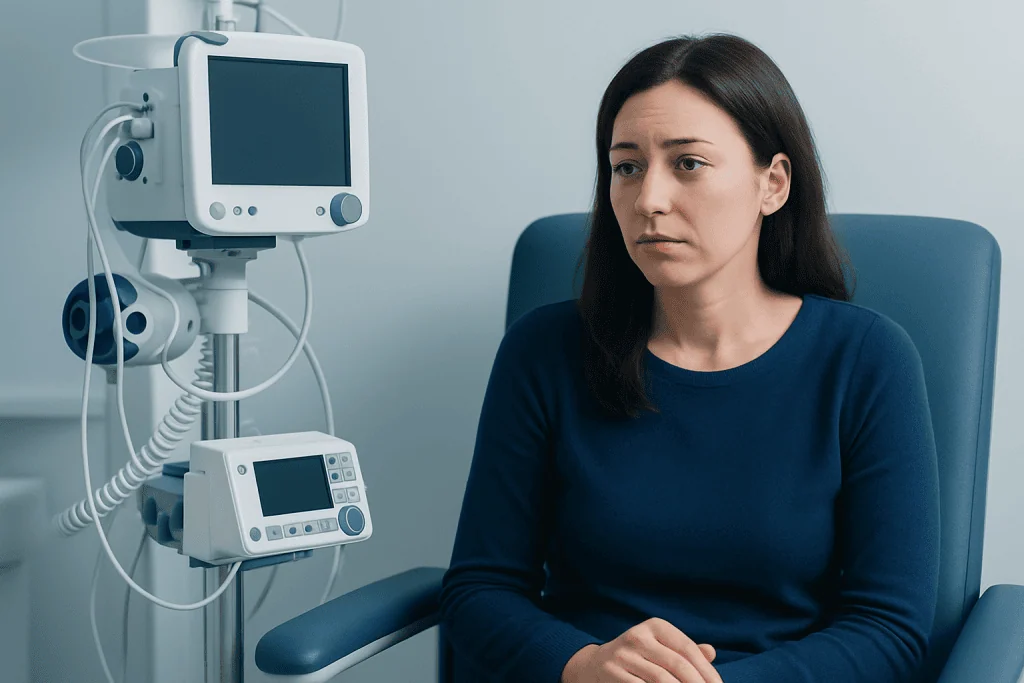
Anxiety involves both the mind and body. Emotionally, it may feel like worry, nervousness, irritability, restlessness, or a sense that something important needs attention. Thoughts may focus on a future event, a possible mistake, safety, health, finances, family, or another uncertain outcome.
Physical changes are also common because the body’s stress response prepares a person to act. Someone may notice a faster heartbeat, muscle tension, sweating, trembling, dry mouth, nausea, a “butterflies” sensation, or temporary difficulty concentrating. These sensations can be uncomfortable, but they do not automatically mean that a person has an anxiety disorder.
Normal anxiety tends to have a clear connection to a situation and gradually improves as the situation resolves. The person can usually continue with essential responsibilities despite feeling nervous. Support from trusted people, adequate rest, regular meals, movement, and time to prepare can often make this short-term anxiety easier to manage.
When Anxiety May Be More Than a Temporary Response

It may be helpful to seek an evaluation when worry or fear feels out of proportion to the situation, occurs on most days, or continues even when there is no immediate threat. Anxiety may also need attention when it leads a person to avoid school, work, travel, social contact, medical appointments, driving, or other activities that are important to them.
Anxiety disorders can take different forms. Generalized anxiety disorder often involves hard-to-control worry about several areas of life. Panic disorder includes recurrent, unexpected panic attacks and concern about further attacks. Other conditions may involve intense fear of specific situations, social settings, or separation, while obsessive-compulsive disorder and trauma-related conditions can also include significant anxiety symptoms.
The difference is not a matter of personal strength or willpower. Anxiety disorders are recognized health conditions influenced by many factors, including biology, temperament, life experiences, stress, and other medical or mental health concerns. Symptoms can range from mild to severe, and a qualified clinician can help distinguish a temporary stress reaction from a condition that may benefit from care.
Why Anxiety Varies Between People
People differ in how strongly they notice and respond to stress. Genetics, personality traits, previous experiences, sleep quality, physical health, family circumstances, work demands, and social support can all influence anxiety. A person may be more vulnerable during periods of major change, such as bereavement, illness, pregnancy, relocation, financial strain, or caring for another person.
Some people learn to recognize anxious thoughts early and use helpful coping skills, while others may not have had the opportunity to develop these strategies. Cultural beliefs and family attitudes can also affect whether a person talks about anxiety or seeks support. Being private about symptoms does not mean they are less real, and speaking openly does not mean someone is overreacting.
Alcohol, recreational drugs, nicotine, high caffeine intake, some prescribed medicines, and disrupted sleep can worsen feelings of nervousness in some people. Medical conditions may also cause symptoms that resemble anxiety, including thyroid disorders, heart rhythm problems, breathing conditions, low blood sugar, anemia, and hormonal changes. For this reason, new or unexplained symptoms deserve careful medical consideration rather than assumptions.
How Doctors Assess Anxiety Symptoms
A doctor or mental health professional usually begins by asking when symptoms started, how often they occur, what seems to trigger them, and how they affect daily activities. They may ask about sleep, mood, concentration, substance use, medicines, medical history, family history, recent stressors, and any past experiences of trauma. These questions help build a complete picture rather than relying on one symptom alone.
A physical examination and selected tests may be recommended when symptoms are new, severe, or could be related to another medical condition. Depending on the person’s symptoms, this may include checking vital signs, reviewing medications, or arranging blood tests or heart-related assessment. This approach is especially important when palpitations, chest discomfort, fainting, breathing difficulty, or unexplained weight changes are present.
Clinicians may use validated questionnaires to measure the severity of anxiety symptoms, but these tools do not replace a full assessment. A diagnosis is based on the pattern, duration, impact, and possible causes of symptoms. Identifying coexisting concerns, such as depression, sleep problems, chronic pain, or substance use, helps guide an appropriate care plan.
Helpful Ways to Respond to Everyday Anxiety
For occasional anxiety, practical routines can support the body’s ability to recover from stress. Regular sleep and wake times, balanced meals, hydration, physical activity suited to the person’s health, and limiting caffeine or nicotine may reduce physical sensations that can amplify worry. Brief relaxation practices, slow breathing, mindfulness, or grounding techniques can help some people feel more settled in the moment.
It can also be useful to name the specific concern and focus on one manageable next step. Preparing for an event, writing down worries, setting aside time for problem-solving, and talking with a trusted friend or family member may make uncertainty feel less overwhelming. Avoiding every situation that causes anxiety can bring short-term relief but may reinforce fear over time, so gradual, supported engagement is often more helpful.
If symptoms persist, evidence-based care may include psychological therapies, particularly cognitive behavioral therapy, and, for some people, medication prescribed and monitored by a qualified clinician. Treatment is individualized and may combine approaches. Acibadem International’s multidisciplinary specialists at JCI-accredited hospitals can assess and treat anxiety-related concerns for international patients when professional support is needed.
When to Seek Medical Care
A person should arrange a non-urgent medical or mental health appointment if anxiety is present most days, lasts for weeks, is getting worse, or affects sleep, appetite, work, education, relationships, or the ability to complete usual activities. An assessment is also sensible when panic-like symptoms are recurrent, when a person is avoiding necessary situations, or when they are using alcohol, drugs, or medications to cope.
Urgent medical evaluation is important for chest pain, severe shortness of breath, fainting, a new irregular heartbeat, sudden weakness, or other symptoms that could indicate a physical emergency. These symptoms should not be assumed to be anxiety, particularly if they are new, severe, or occur with exertion. Local emergency services should be contacted if immediate help is needed.
Immediate mental health support is essential if a person has thoughts of self-harm or suicide, feels unable to stay safe, or is at risk of harming someone else. They should contact local emergency services, a crisis service, or a trusted person who can stay with them and help them access urgent care. Anxiety is treatable, and seeking help early can reduce distress and restore daily functioning.
Frequently asked questions
Is it normal to feel anxious every day?
Daily anxiety can happen during a stressful period, but it is worth paying attention to if it continues for weeks or affects daily life. A healthcare professional can help determine whether it reflects ongoing stress, an anxiety disorder, a medical condition, or a combination of factors.
Can anxiety happen without an obvious reason?
Yes. Sometimes anxiety has a clear trigger, but at other times it may feel as though it appears unexpectedly. Stress can build gradually, and factors such as sleep loss, caffeine, physical illness, medications, and past experiences may contribute even when no single cause is apparent.
Does having anxiety mean someone has an anxiety disorder?
No. Anxiety is a normal emotion that most people experience at some point. An anxiety disorder is considered when symptoms are persistent, difficult to control, excessive for the situation, and interfere with important areas of life.
Can anxiety cause physical symptoms?
Yes. Anxiety can cause real physical symptoms, including a rapid heartbeat, sweating, trembling, nausea, muscle tension, dizziness, and changes in breathing. However, similar symptoms can occur with medical conditions, so new, severe, or concerning symptoms should be assessed by a clinician.
What is the difference between stress and anxiety?
Stress is often a response to an identifiable demand, such as a deadline, conflict, or illness. Anxiety may continue after the stressor has passed or occur in anticipation of a possible future problem. The two often overlap, and both can affect emotional and physical wellbeing.
Can anxiety get better without medication?
Some temporary anxiety improves as circumstances change and with supportive habits such as sleep, exercise, relaxation, and social connection. For persistent anxiety, psychological therapy can be highly effective, and medication may be helpful for some people. A clinician can discuss the options that best fit the individual’s symptoms and preferences.
References
- World Health Organization
- National Institute of Mental Health
- American Psychiatric Association
- National Health Service
- Mayo Clinic
This article is for general information only and is not a substitute for professional medical advice. Please consult a qualified doctor about your individual situation.
Explore treatments in Turkey — costs, top hospitals & a free quote
JCI-accredited · board-certified surgeons · reply within 24h
Add us as a Preferred Source to see more of our trusted health content across Google Search, AI Overviews and Discover.

More from the Health Library



Related Specialists

Dr. Jamila Ebrahimi
Emergency Service
Assoc. Prof. Dr. Remzi Çaylak
Orthopedic Surgery & Traumatology
Assoc. Prof. Dr. Müjgan Tek
Cardiology
Assoc. Prof. Dr. Nicel Taşdemir
Gynecology & Obstetrics