How Do You Know If U Got AIDS? Causes, Explanations, and Next Steps

AIDS is the most advanced stage of untreated HIV infection, not a separate virus. Common symptoms such as fatigue, fever, rash, or swollen lymph nodes do not by themselves mean a person has HIV or AIDS.
Key Takeaways
- AIDS is the most advanced stage of untreated HIV infection, not a separate virus.
- Common symptoms such as fatigue, fever, rash, or swollen lymph nodes do not by themselves mean a person has HIV or AIDS.
- An HIV test is the only reliable way to find out whether HIV is present.
- Modern HIV treatment can reduce the virus to undetectable levels and help prevent AIDS-related illness.
- Prompt medical care is important for severe illness, unexplained weight loss, persistent fever, or a possible recent HIV exposure.
Most symptoms people worry may mean AIDS, such as tiredness, fever, swollen glands, or weight changes, are far more commonly caused by ordinary infections or other treatable health conditions. AIDS cannot be diagnosed from symptoms alone: an HIV test and medical assessment are needed, and effective HIV treatment can prevent progression to AIDS.
Can Symptoms Tell Someone If They Have AIDS?
People often ask, “how do you know if u got AIDS?” after noticing symptoms such as fatigue, fever, a sore throat, swollen glands, skin changes, or unplanned weight loss. These symptoms are common and are much more often related to everyday viral infections, stress, sleep problems, medication effects, or other health conditions. They cannot confirm HIV or AIDS.
AIDS, short for acquired immunodeficiency syndrome, is the advanced stage of infection with human immunodeficiency virus (HIV). It occurs when HIV has severely weakened the immune system or when certain serious infections or cancers develop. It usually does not occur soon after exposure, particularly when HIV is diagnosed and treated early.
The only way to know whether a person has HIV is to have an HIV test. A clinician can also assess symptoms, exposure history, immune function, and any related infections. Testing can feel worrying, but it provides clear information and opens the way to effective treatment and support when needed.
HIV and AIDS: Understanding the Difference
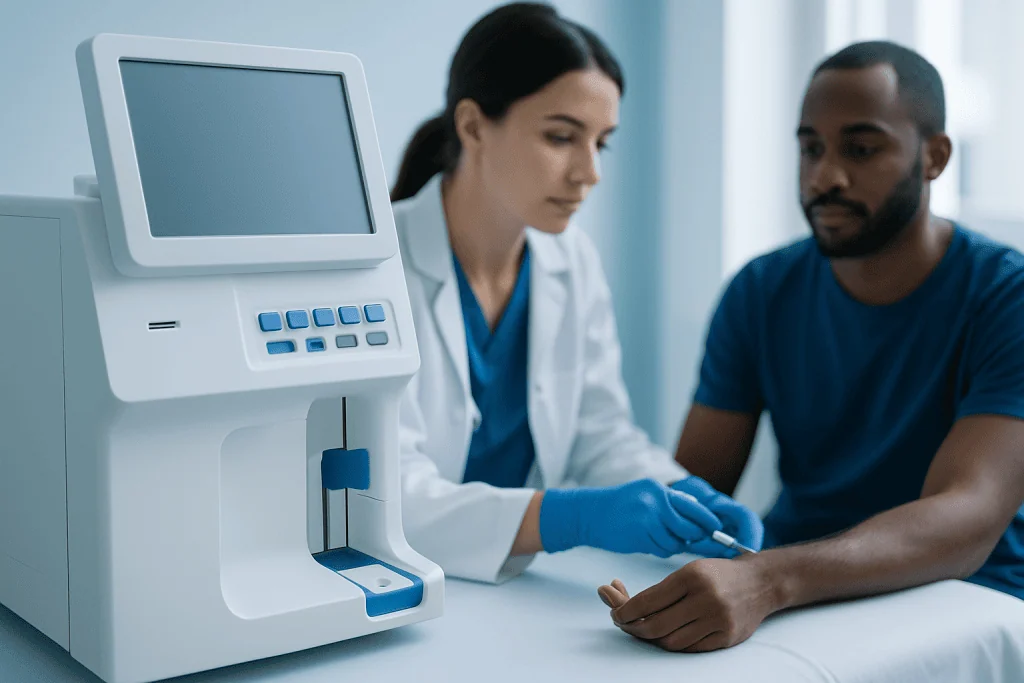
HIV is a virus that targets CD4 cells, which are important cells of the immune system. Without treatment, HIV can gradually reduce the number and function of these cells over years. However, HIV is now a manageable long-term condition for many people who receive appropriate care.
AIDS is not another name for every HIV infection. A doctor may diagnose AIDS when a person with HIV has a very low CD4 cell count or develops one or more specific illnesses known as opportunistic infections. These illnesses take advantage of a weakened immune system and can include certain types of pneumonia, tuberculosis, severe fungal infections, or particular cancers.
With consistent antiretroviral therapy, most people with HIV do not develop AIDS. Treatment lowers the amount of virus in the blood, protects immune function, and helps people remain well. A person can have HIV without looking or feeling unwell, which is why testing after a possible exposure is more dependable than waiting for symptoms.
Possible Symptoms of HIV and Advanced HIV Disease
Some people develop a short flu-like illness two to four weeks after acquiring HIV. This is called acute HIV infection. Possible features include fever, rash, sore throat, swollen lymph nodes, muscle aches, headache, mouth ulcers, tiredness, or night sweats. Many other viral illnesses cause the same symptoms, and some people have no noticeable symptoms at all.
After this early phase, HIV may cause no symptoms for a long period. If untreated HIV progresses and the immune system becomes significantly weakened, symptoms may include persistent or recurrent fever, drenching night sweats, ongoing diarrhea, marked tiredness, unexplained weight loss, repeated infections, persistent swollen lymph nodes, or oral thrush. None of these signs is specific to AIDS, but they should be medically assessed, especially if they persist.
More urgent concerns can include shortness of breath, a severe or prolonged cough, confusion, severe headache, changes in vision, seizures, or extensive skin lesions. These symptoms can have many possible causes, but they need prompt medical attention. A healthcare professional can investigate both HIV and other conditions that may require treatment.
- Symptoms alone cannot determine when HIV was acquired or whether a person has AIDS.
- Feeling well does not rule out HIV.
- A negative test may need to be repeated if it was taken during a test window period after a recent exposure.
How HIV Is Transmitted and What Raises Risk
HIV can be transmitted through certain body fluids, including blood, semen, vaginal fluids, rectal fluids, and breast milk, when they enter another person’s bloodstream or contact mucous membranes. The most common routes are sex without an effective barrier method with a partner who has transmissible HIV, sharing needles or other injecting equipment, and transmission during pregnancy, birth, or breastfeeding when HIV is not treated.
The virus is not spread through casual daily contact. HIV is not transmitted by hugging, sharing meals, using the same toilet, coughing, sneezing, swimming pools, insect bites, or closed-mouth social kissing. Understanding this distinction can reduce unnecessary worry and stigma.
Risk depends on the type of contact, whether there was exposure to relevant fluids, the HIV status and treatment status of a partner, and use of prevention methods. People taking effective HIV treatment who maintain an undetectable viral load do not sexually transmit HIV; this principle is known as undetectable equals untransmittable, or U=U. A clinician or sexual health service can discuss an individual exposure confidentially and without judgment.
How Doctors Test for HIV and Diagnose AIDS
HIV testing is straightforward and may involve a blood sample, a finger-prick test, or an oral-fluid rapid test, depending on the setting. Many modern laboratory tests look for both HIV antibodies and a viral protein called p24 antigen. If an initial screening test is reactive, a confirmatory test is performed before an HIV diagnosis is made.
Tests do not all detect HIV at exactly the same point after exposure. This delay is called the window period. A clinician can advise which test is appropriate and whether repeat testing is needed based on when a possible exposure occurred. Testing immediately after an exposure may be useful as a baseline, but it may not yet exclude a new infection.
If HIV is diagnosed, clinicians typically check the viral load, CD4 cell count, kidney and liver function, and screen for other infections such as hepatitis, tuberculosis, and sexually transmitted infections where appropriate. AIDS is diagnosed from these results and from the presence of certain AIDS-defining conditions, not from a person’s appearance or a single nonspecific symptom.
Treatment, Prevention, and Next Steps
HIV is treated with antiretroviral therapy, usually a combination of medicines that stops the virus from making copies of itself. Treatment is recommended for everyone with HIV and should begin as soon as possible after diagnosis. With regular treatment and follow-up, viral load can become undetectable, immune health can recover or be protected, and the risk of HIV-related complications falls substantially.
Someone who thinks they may have had a recent high-risk exposure should seek urgent advice. Post-exposure prophylaxis (PEP) is a short course of HIV medicine that may reduce the chance of infection when started as soon as possible, ideally within 24 hours and no later than 72 hours after exposure. It is an emergency measure, not a substitute for regular prevention.
Prevention options include condoms, not sharing injecting equipment, regular HIV and sexually transmitted infection testing, and pre-exposure prophylaxis (PrEP) for people with ongoing higher risk. People who test positive should avoid delaying care or trying to interpret symptoms alone. Acibadem International’s multidisciplinary specialists and JCI-accredited hospitals can assess HIV-related concerns and coordinate care for international patients.
When to Seek Medical Care
Medical advice should be sought promptly after a possible HIV exposure, especially if it occurred within the past 72 hours, because PEP may be an option. A sexual health clinic, primary care clinician, emergency service, or infectious disease specialist can advise on immediate steps, testing, and prevention. Confidential testing and care are available in many settings.
A person should also arrange a medical review for persistent fever, unexplained weight loss, ongoing diarrhea, recurrent infections, severe fatigue, swollen lymph nodes lasting several weeks, or symptoms of thrush. These symptoms often have causes other than HIV, but they deserve evaluation rather than self-diagnosis.
Emergency care is appropriate for severe breathing difficulty, chest pain, confusion, fainting, seizures, severe dehydration, coughing blood, or a rapidly worsening illness. For anyone who is anxious about HIV, testing is generally more reassuring and informative than monitoring the body for signs of AIDS.
Frequently asked questions
How long does it take for HIV to become AIDS?
Without treatment, HIV may progress to AIDS over several years, although the timing varies greatly between individuals. With effective antiretroviral therapy, most people with HIV can avoid developing AIDS and maintain immune health.
Can a person have HIV without symptoms?
Yes. A person may feel completely well for a long time after acquiring HIV. This is why testing is important after a possible exposure, even if there are no symptoms.
What is the first sign of AIDS?
There is no single first sign of AIDS. Advanced HIV disease may cause persistent infections, fever, weight loss, night sweats, diarrhea, or other illnesses, but these symptoms can also result from many unrelated conditions.
Can an HIV test be negative if taken too soon?
Yes. Every HIV test has a window period, which is the time after exposure before the test can reliably detect infection. A healthcare professional can explain whether repeat testing is recommended based on the test type and date of exposure.
Is HIV transmitted by kissing, sharing food, or toilet seats?
No. HIV is not spread through casual contact, sharing food or drinks, hugging, toilet seats, saliva in everyday social contact, coughing, or sneezing. It requires specific exposure to certain body fluids.
What should someone do after unprotected sex if they are worried about HIV?
They should contact a healthcare professional or sexual health service as soon as possible to discuss testing and whether PEP is appropriate. PEP must be started within 72 hours of a possible exposure, and earlier treatment is more effective.
This article is for general information only and is not a substitute for professional medical advice. Please consult a qualified doctor about your individual situation.
Explore treatments in Turkey — costs, top hospitals & a free quote
JCI-accredited · board-certified surgeons · reply within 24h
Add us as a Preferred Source to see more of our trusted health content across Google Search, AI Overviews and Discover.

More from the Health Library

How Long Does Molly Stay in System? Causes, Explanations, and Next Steps

Does White Tea Have Caffeine? A Doctor-Reviewed Answer
What Does Vaginal Cancer Look Like? Causes, Explanations, and Next Steps

Is Rice Good for Weight Loss? Causes, Explanations, and Next Steps
Why Are My Allergies So Bad Right Now? Here Is What the Evidence Says