Is Diarrhea a Sign of Labor? A Doctor-Reviewed Answer

Diarrhea may occur before labor, but it is not enough on its own to confirm that labor is beginning. Regular contractions, a change in vaginal discharge, rupture of membranes, and pelvic pressure are more meaningful signs when assessed together.
Key Takeaways
- Diarrhea may occur before labor, but it is not enough on its own to confirm that labor is beginning.
- Regular contractions, a change in vaginal discharge, rupture of membranes, and pelvic pressure are more meaningful signs when assessed together.
- Most short-lived diarrhea is not dangerous, but preventing dehydration is important during pregnancy.
- Contact a maternity care team promptly for reduced fetal movement, vaginal bleeding, suspected ruptured membranes, fever, severe pain, or signs of dehydration.
- Diarrhea before 37 weeks with contractions or pelvic pressure may be a sign of preterm labor and should be assessed urgently.
Diarrhea can happen in the days or hours before labor for some pregnant people, but it does not reliably mean that labor has started. Because loose stools are also common during pregnancy and may result from food, supplements, illness, or medication, other labor signs and warning symptoms matter most.
Is diarrhea a sign of labor?
Diarrhea can occur shortly before labor in some pregnant people, particularly near the end of pregnancy, but it is not a dependable sign that labor has started. A brief episode of loose stools is often harmless and may be related to normal hormonal changes, food choices, prenatal vitamins, medication, stress, or a mild stomach illness.
Labor is more likely when diarrhea occurs alongside a pattern of regular contractions that become stronger and closer together, persistent lower back or pelvic pressure, a bloody mucus discharge, or fluid leaking from the vagina. Diarrhea by itself cannot tell a person whether they are in labor, how close labor may be, or whether they should go to the hospital.
Some symptoms need timely medical advice rather than watchful waiting. A pregnant person should contact their maternity care team promptly for vaginal bleeding, suspected rupture of membranes, reduced fetal movement, fever, severe or constant abdominal pain, frequent vomiting, or symptoms of dehydration. Before 37 weeks, diarrhea together with contractions, cramps, backache, pelvic pressure, or a change in discharge should be assessed urgently because these can be signs of preterm labor.
If medical review is needed, a clinician will usually ask about the timing and frequency of bowel movements, contractions, fluid loss, food exposures, medications, and fetal movements. Depending on the symptoms and stage of pregnancy, assessment may include checking vital signs and hydration, monitoring the baby, examining the cervix when appropriate, testing for rupture of membranes, or evaluating stool or urine if an infection is suspected.
Why loose stools may happen near the end of pregnancy
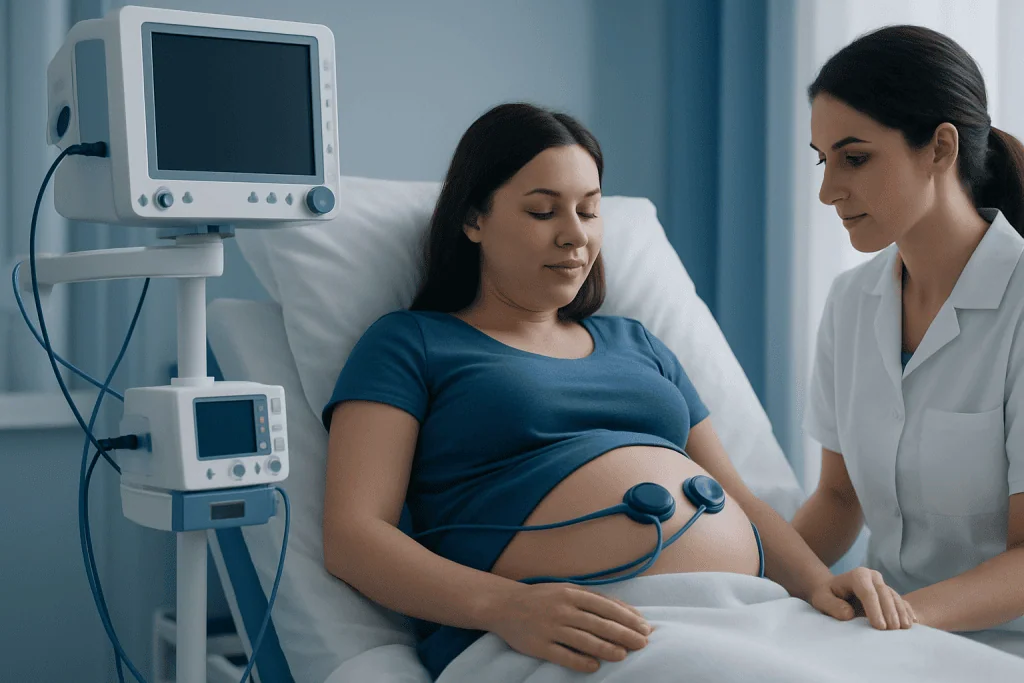
In late pregnancy, the body prepares for birth through a series of hormonal and physical changes. Prostaglandins, which are substances involved in softening the cervix and supporting uterine contractions, can also affect the digestive tract. This may lead to more frequent bowel movements or looser stools in some people.
Pressure from the growing uterus, changes in diet, anxiety about the upcoming birth, and altered daily routines can also influence bowel habits. Some people notice constipation during much of pregnancy and then have looser stools closer to their due date. Others do not experience any digestive changes before labor at all.
It is important not to use diarrhea as a countdown to delivery. It may happen the same day labor begins, several days beforehand, or for reasons unrelated to labor. Likewise, many people go into labor without diarrhea. The overall pattern of symptoms is more informative than any single bowel change.
How to tell possible labor from a stomach upset
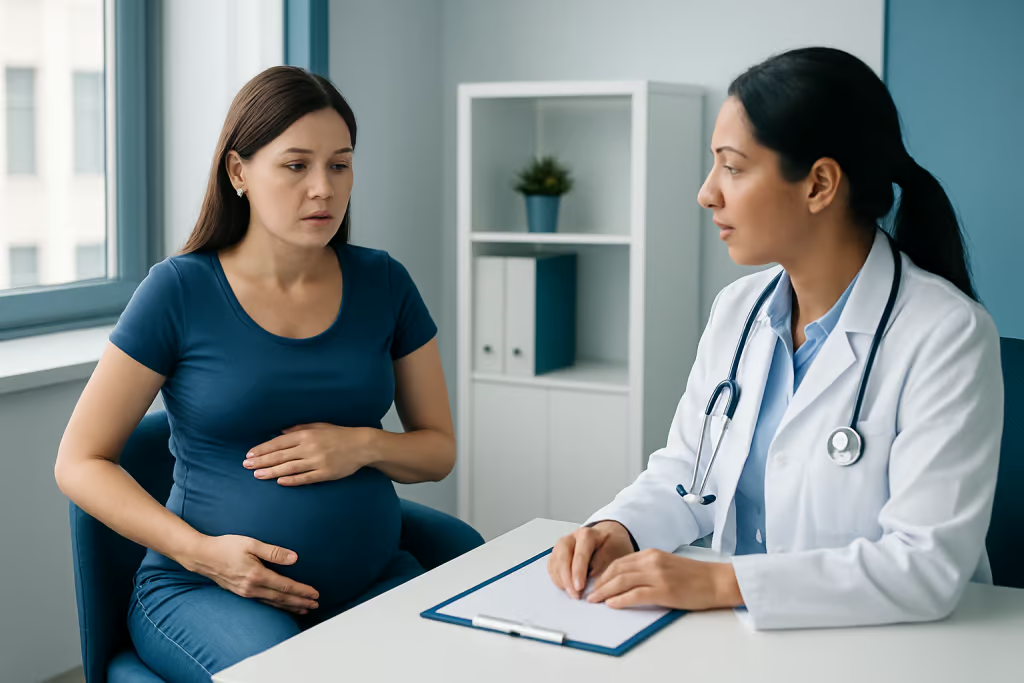
True labor usually produces contractions that become regular, longer, stronger, and closer together over time. They may begin as menstrual-like cramps, lower back pain, or tightening across the abdomen, then continue despite rest, hydration, or a change of position. The exact timing for contacting the birth team differs according to the pregnancy and the clinician’s instructions.
Other changes that may accompany approaching labor include increased pelvic pressure, passage of a thick mucus-like discharge that may be pink or blood-streaked, and a sensation that the baby has moved lower in the pelvis. Fluid leaking continuously or in a noticeable gush may indicate ruptured membranes, even when contractions have not yet begun. This should be reported to the maternity care team.
A stomach upset is more likely to cause cramping that comes and goes with bowel movements, nausea, vomiting, gas, or loose stools after a possible food exposure or contact with someone who is ill. However, digestive symptoms and early labor can overlap. When there is uncertainty, especially at term or in a higher-risk pregnancy, it is safest to call the obstetric care team for individualized guidance.
- Labor contractions tend to follow a progressively regular pattern.
- Digestive cramps may improve after using the bathroom or passing gas.
- Contractions before 37 weeks should never be assumed to be caused only by diarrhea.
Other causes of diarrhea during pregnancy
Diarrhea is common and has many possible causes during pregnancy. Dietary changes, rich or spicy foods, lactose intolerance, sugar alcohols in certain foods or drinks, and sensitivity to prenatal supplements may all contribute. Antibiotics and some other medicines can also alter bowel movements; a pregnant person should not stop prescribed medication without discussing it with their clinician.
Viral gastroenteritis, foodborne illness, and bacterial infections can cause diarrhea, often with nausea, vomiting, fever, abdominal cramps, or feeling generally unwell. Travelers may have additional exposure risks from contaminated food or water. Pregnant people with ongoing symptoms, fever, bloody stools, or significant vomiting should speak with a healthcare professional rather than trying to manage a possible infection alone.
Less commonly, persistent diarrhea may be linked to underlying digestive conditions such as inflammatory bowel disease, celiac disease, or irritable bowel syndrome. New, recurrent, or prolonged bowel changes deserve medical review, particularly if they affect hydration, nutrition, weight, or daily activities. A clinician can help distinguish a temporary illness from a condition needing further care.
What a doctor or midwife may check
The evaluation begins with a focused history. The care team may ask how far along the pregnancy is, when diarrhea began, whether there have been contractions or fluid leakage, how often the baby is moving, and whether there is fever, vomiting, blood in the stool, or exposure to unsafe food or ill contacts.
They may check temperature, pulse, blood pressure, abdominal tenderness, and signs of dehydration. If labor is possible, fetal heart monitoring and contraction monitoring can help assess the baby’s well-being and uterine activity. A cervical examination may be considered when it is clinically appropriate, particularly if there are regular contractions or concern about preterm labor.
Tests are not always necessary for mild, short-lived diarrhea. However, urine tests, blood tests, stool testing, or testing for amniotic fluid leakage may be used if symptoms suggest infection, dehydration, or rupture of membranes. The purpose is to identify problems that need treatment while avoiding unnecessary procedures.
Safe self-care while monitoring symptoms
For mild diarrhea without warning signs, the main priority is replacing fluids. Small, frequent sips of water, broth, or an oral rehydration drink may be easier to tolerate than large amounts at once. Eating simple foods as appetite returns can help, while very fatty foods, highly spiced meals, alcohol, and foods known to worsen symptoms may be best avoided temporarily.
Rest can be helpful, but a person should continue to pay attention to fetal movement according to the plan provided by their maternity team. If movement seems less than usual, they should seek advice promptly rather than waiting to see whether diarrhea settles. Keeping a note of bowel symptoms, temperature, contractions, and fluid leakage can also make a call to the care team more useful.
Over-the-counter antidiarrheal medicines, herbal products, and anti-nausea remedies are not automatically safe in pregnancy. A doctor, midwife, or pharmacist familiar with the pregnancy should be consulted before taking them. Antibiotics are not useful for most brief viral stomach illnesses and should only be used when prescribed.
Acibadem International’s multidisciplinary specialists and JCI-accredited hospitals can assess pregnancy-related digestive symptoms and possible labor concerns for international patients when in-person care is needed.
When to seek medical care
A pregnant person should contact their maternity unit, obstetrician, or midwife immediately if they think their waters have broken, have vaginal bleeding, notice reduced fetal movement, or develop regular painful contractions. Urgent assessment is particularly important if these symptoms occur before 37 weeks of pregnancy.
Medical advice is also important for diarrhea that is severe, lasts more than a day or two, prevents adequate drinking, or occurs with fever, repeated vomiting, blood or black material in the stool, severe abdominal pain, dizziness, fainting, very dark urine, or very little urine. These features can indicate dehydration or an infection requiring evaluation.
People with a high-risk pregnancy, previous preterm birth, multiple pregnancy, high blood pressure, diabetes, or other significant medical conditions may have different thresholds for assessment. Following the personalized instructions from the maternity care team is always appropriate. If symptoms feel concerning or something does not seem right, seeking medical advice is a sensible and reassuring step.
Frequently asked questions
Can diarrhea mean labor will start soon?
Diarrhea can happen in the hours or days before labor for some people, but it does not reliably predict when labor will begin. Many people have diarrhea for unrelated reasons, and many go into labor without it. Regular contractions and other pregnancy-specific changes are more useful clues.
Is diarrhea normal at 39 weeks pregnant?
A short episode of mild diarrhea at 39 weeks can be common and is often not harmful, especially if the person can drink fluids and feels otherwise well. However, it should not automatically be attributed to labor. Contact the maternity care team if there is fever, vomiting, severe pain, decreased fetal movement, fluid leakage, or signs of dehydration.
Can diarrhea cause contractions during pregnancy?
Diarrhea and intestinal cramping can create discomfort that may feel similar to contractions. Dehydration can also sometimes irritate the uterus and contribute to tightening or contractions. If contractions become regular, painful, or occur before 37 weeks, a maternity clinician should assess them.
What should a pregnant person drink when they have diarrhea?
Water, clear soups, and oral rehydration drinks can help replace fluids and electrolytes. Small, frequent sips may be easier if nausea is present. A clinician should be contacted if fluids cannot be kept down, urination becomes infrequent, or dizziness develops.
Should a pregnant person take antidiarrheal medicine?
They should check with their obstetrician, midwife, or pharmacist before taking any antidiarrheal medicine during pregnancy. The appropriate option depends on the cause of symptoms, pregnancy stage, and other health conditions. Some symptoms need assessment rather than self-treatment.
When is diarrhea in pregnancy an emergency?
Emergency or urgent assessment is needed for vaginal bleeding, suspected ruptured membranes, reduced fetal movement, severe or constant abdominal pain, fainting, high fever, or severe dehydration. Diarrhea with regular contractions or pelvic pressure before 37 weeks also needs urgent medical advice because it may be associated with preterm labor.
References
- American College of Obstetricians and Gynecologists
- National Health Service
- March of Dimes
- Mayo Clinic
- World Health Organization
This article is for general information only and is not a substitute for professional medical advice. Please consult a qualified doctor about your individual situation.
Persistent digestive symptoms? Get evaluated in Turkey
JCI-accredited · board-certified surgeons · reply within 24h
Add us as a Preferred Source to see more of our trusted health content across Google Search, AI Overviews and Discover.
Check your numbers in seconds
BMI, calories, due date, blood pressure and 30+ more clinical calculators — free, instant, doctor-reviewed ranges.