Descending Colon Pain: Possible Causes and When to Seek Care

Pain thought to come from the descending colon is usually felt in the lower left abdomen, but its exact source cannot be confirmed by location alone. Constipation, trapped gas, irritable bowel syndrome, and diverticular disease are common possible explanations.
Key Takeaways
- Pain thought to come from the descending colon is usually felt in the lower left abdomen, but its exact source cannot be confirmed by location alone.
- Constipation, trapped gas, irritable bowel syndrome, and diverticular disease are common possible explanations.
- Fever, worsening pain, vomiting, rectal bleeding, abdominal swelling, or inability to pass stool or gas require prompt medical assessment.
- Diagnosis may involve a medical history, examination, blood or stool tests, and imaging or colonoscopy when appropriate.
- Treatment depends on the underlying cause; self-treatment should not delay care for new, severe, or persistent symptoms.
Descending colon pain is discomfort felt mainly in the lower left side of the abdomen, where this section of the large intestine is located. It can result from common digestive problems such as constipation or gas, but persistent, severe, or changing pain should be assessed by a qualified clinician.
Overview: What Does Descending Colon Pain Mean?
Descending colon pain usually describes pain, pressure, cramping, or tenderness on the lower left side of the abdomen. The descending colon is part of the large intestine. It carries stool down the left side of the abdomen toward the sigmoid colon, rectum, and anus. Because several organs and tissues lie in this area, pain in this location does not always come from the colon itself.
Common causes include constipation, intestinal gas, irritable bowel syndrome (IBS), and diverticular disease. In some cases, pain may be related to inflammation, infection, reduced blood flow to the bowel, or a problem outside the digestive system, such as the urinary tract or reproductive organs. The pattern of symptoms, rather than pain location alone, helps a clinician identify the most likely cause.
Brief, mild discomfort that improves after passing stool or gas is often not an emergency. However, new pain that is severe, steadily worsening, lasts more than a few days, or occurs with fever, bleeding, vomiting, or major changes in bowel habits needs medical attention.
How Descending Colon Pain May Feel

Pain in the lower left abdomen can feel dull, aching, sharp, cramping, bloated, or like pressure. Some people notice it intermittently, especially around bowel movements, while others have more constant discomfort. The pain may worsen after eating, during constipation, or when moving if the surrounding tissues are inflamed.
Associated bowel symptoms can offer useful clues. These may include infrequent stools, hard stools, diarrhea, urgency, excess gas, bloating, mucus in the stool, or a sensation of incomplete bowel emptying. A change in symptoms should be discussed with a clinician, particularly when it is new after midlife or continues despite routine measures.
Not all lower-left abdominal pain is intestinal. Kidney stones or urinary infections may cause pain that radiates toward the back or groin and may be accompanied by urinary burning or blood in the urine. In people with female reproductive organs, ovarian, menstrual, or pelvic conditions can produce similar discomfort. A medical evaluation considers these possibilities as well as colon-related causes.
Possible Causes of Pain in the Descending Colon Area
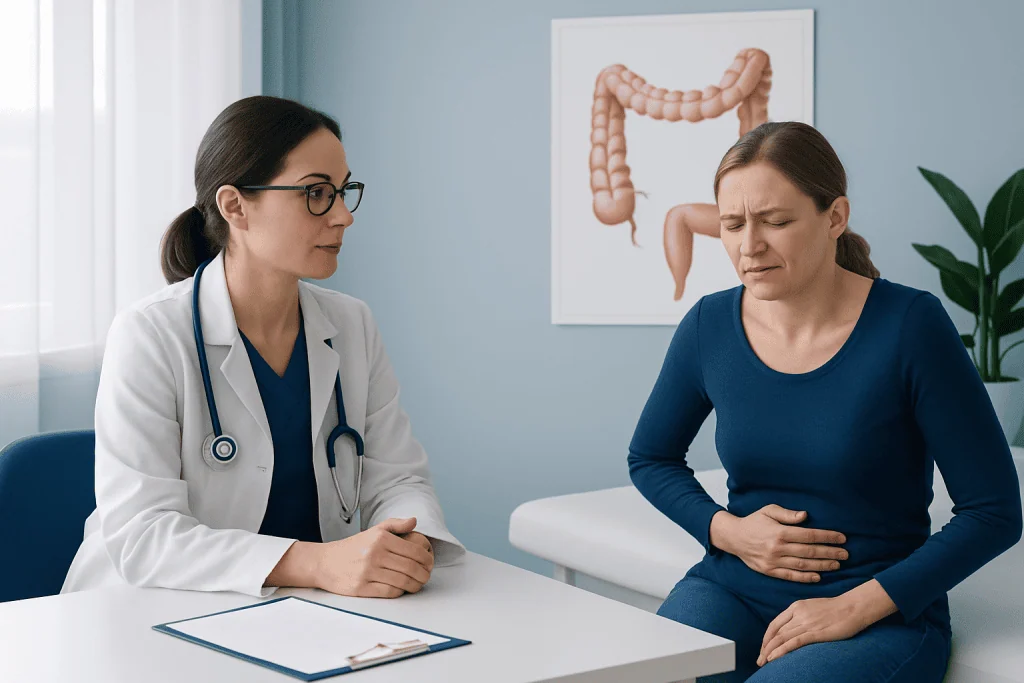
Constipation and gas are frequent causes of left-sided abdominal discomfort. When stool moves slowly through the colon, it can become dry and difficult to pass. This may lead to cramping, fullness, bloating, and relief after a bowel movement. Gas can stretch the bowel temporarily and cause shifting or sharp pains.
Diverticular disease is another common consideration. Diverticula are small pouches that can form in the wall of the colon, often with age. They may cause no symptoms, but inflammation or infection of these pouches, called diverticulitis, can cause persistent lower-left abdominal pain, tenderness, fever, and a change in bowel habits. This requires clinical assessment because treatment depends on severity and possible complications.
Irritable bowel syndrome can cause recurring abdominal pain linked with bowel movements and changes in stool frequency or appearance. IBS does not damage the bowel, but symptoms can affect daily life. Inflammatory bowel diseases, including ulcerative colitis and Crohn’s disease, may also cause pain along with diarrhea, urgency, fatigue, weight loss, or blood in the stool and require specialist evaluation.
Less commonly, lower-left abdominal pain may be caused by infectious colitis, ischemic colitis due to reduced blood flow to the bowel, narrowing or blockage of the intestine, or colorectal cancer. These conditions are not diagnosed by symptoms alone. Rectal bleeding, unexplained weight loss, anemia, persistent altered bowel habits, or pain that does not settle should be evaluated rather than assumed to be due to a minor digestive problem.
Risk Factors and Symptom Patterns That Matter
Some factors make certain causes more likely. Low fluid intake, limited dietary fiber, reduced activity, travel, changes in routine, and some medicines can contribute to constipation. A previous episode of diverticulitis or known diverticular disease may increase the likelihood that new lower-left abdominal pain needs timely review.
Age, smoking, vascular disease, dehydration, and medicines that affect circulation may be relevant when a clinician considers reduced blood flow to the bowel. A family history of colorectal cancer, inflammatory bowel disease, or inherited bowel conditions is also important to report. These factors do not mean that a serious condition is present, but they help guide appropriate testing.
Keeping a short symptom record can be useful before an appointment. It may include when pain began, its location and severity, its relationship to meals or bowel movements, stool changes, fever, medicines, recent travel, and any blood seen in the stool. This information can help distinguish a temporary digestive upset from a problem that needs further investigation.
How Doctors Evaluate Lower-Left Abdominal Pain
A clinician will usually begin by asking about the pain, bowel habits, diet, previous digestive conditions, current medicines, and family history. They may ask whether there has been fever, nausea, vomiting, urinary symptoms, vaginal bleeding or discharge, weight loss, or blood in the stool. A physical examination may include gentle pressure on the abdomen to identify tenderness, guarding, distension, or a mass.
Tests are selected according to the symptoms and suspected cause. Blood tests can look for inflammation, infection, anemia, or dehydration. Stool tests may be used when infection or intestinal inflammation is suspected. Urine testing, pregnancy testing when relevant, and pelvic assessment may also be appropriate because conditions outside the colon can cause similar pain.
For acute, significant pain, a CT scan of the abdomen and pelvis can help identify diverticulitis, obstruction, inflammation, abscesses, or other causes. Ultrasound may be useful in selected situations. Colonoscopy is generally considered after acute inflammation has settled or when there are ongoing bowel changes, bleeding, anemia, screening needs, or concern about a condition affecting the lining of the colon.
Treatment Options and Safe Self-Care
Treatment for descending colon pain depends on the diagnosis. Constipation may improve with adequate fluids, gradual dietary fiber changes, regular physical activity, and a clinician- or pharmacist-recommended bowel regimen when needed. Fiber should be increased gradually, as a sudden large increase can worsen gas and bloating in some people.
For IBS, care often combines dietary adjustments, stress-management approaches, regular meals, exercise, and symptom-directed medicines when advised by a doctor. A clinician may recommend a structured trial of dietary changes, such as reducing particular fermentable carbohydrates, ideally with professional guidance so that nutritional needs remain met.
Diverticulitis, inflammatory bowel disease, infection, obstruction, and ischemic colitis require individualized medical care. Antibiotics are not appropriate for every case of abdominal pain or uncomplicated diverticulitis, and decisions should be made by a clinician. Severe inflammation, a bowel blockage, or complications such as an abscess may require hospital-based treatment or procedures.
Until the cause is clear, it is sensible to avoid using laxatives, anti-diarrheal medicines, or pain medicines excessively to mask severe symptoms. Nonsteroidal anti-inflammatory drugs may irritate the digestive tract or increase bleeding risk for some people. A doctor or pharmacist can advise on the safest option based on the person’s health conditions and medicines.
When to Seek Medical Care
Emergency care is important for sudden severe abdominal pain, a rigid or markedly swollen abdomen, fainting, confusion, persistent vomiting, black stools, large amounts of rectal bleeding, or an inability to pass stool or gas with increasing bloating. These symptoms can occur with serious conditions that need urgent assessment.
Same-day medical advice is appropriate for lower-left abdominal pain accompanied by fever, chills, worsening tenderness, repeated vomiting, dehydration, blood or mucus in the stool, or a new substantial change in bowel habits. Pregnant people, older adults, and people with immune suppression or significant chronic illness should seek advice promptly for new abdominal pain.
A routine appointment should be arranged for pain that persists, repeatedly returns, affects eating or sleep, or is associated with unexplained weight loss, fatigue, anemia, or persistent constipation or diarrhea. Colorectal screening should also be kept up to date according to a clinician’s recommendations. Acibadem International’s multidisciplinary specialists and JCI-accredited hospitals assess digestive symptoms and provide coordinated care for international patients when evaluation or treatment is needed.
Frequently asked questions
Where is descending colon pain usually felt?
Discomfort linked to the descending colon is commonly felt in the lower left side of the abdomen. However, pain location cannot identify the cause with certainty because the urinary tract, abdominal wall, nerves, and reproductive organs can also cause pain in this area.
Can constipation cause pain in the descending colon?
Yes. Constipation can cause cramping, pressure, bloating, and discomfort as stool collects and moves slowly through the large intestine. Pain often improves after passing stool or gas, but persistent pain or constipation with vomiting, bleeding, or abdominal swelling needs medical review.
Is lower-left abdominal pain always diverticulitis?
No. Diverticulitis is one possible cause, but gas, constipation, IBS, urinary conditions, and other digestive disorders can produce similar symptoms. Fever, localized tenderness, and a sustained change in bowel habits can raise concern for diverticulitis, but a clinician may need tests to confirm it.
What are warning signs with descending colon pain?
Warning signs include severe or worsening pain, fever, repeated vomiting, a swollen abdomen, blood in the stool, black stools, fainting, and inability to pass stool or gas. Unexplained weight loss, anemia, or an ongoing change in bowel habits also warrants medical assessment.
Can gas cause sharp pain on the left side of the abdomen?
Yes. Gas can temporarily stretch parts of the large intestine and cause sharp, cramping, or shifting pain, often with bloating. If the pain is intense, persistent, or accompanied by fever, vomiting, bleeding, or marked tenderness, it should not be assumed to be gas.
How long should descending colon pain last before seeing a doctor?
New pain that is severe or has warning signs should be assessed immediately rather than monitored at home. For mild pain without red flags, arranging a medical review is sensible if it lasts more than a few days, recurs, or is accompanied by ongoing changes in bowel habits.
References
- National Institute of Diabetes and Digestive and Kidney Diseases
- American College of Gastroenterology
- National Health Service
- Mayo Clinic
- World Gastroenterology Organisation
This article is for general information only and is not a substitute for professional medical advice. Please consult a qualified doctor about your individual situation.
Persistent digestive symptoms? Get evaluated in Turkey
JCI-accredited · board-certified surgeons · reply within 24h
Add us as a Preferred Source to see more of our trusted health content across Google Search, AI Overviews and Discover.