Insomnia Self-care: An Evidence-Based Guide for Patients

A regular wake-up time is one of the strongest habits for resetting sleep patterns. Cognitive behavioral therapy for insomnia (CBT-I) is the recommended first-line treatment for persistent insomnia.
Key Takeaways
- A regular wake-up time is one of the strongest habits for resetting sleep patterns.
- Cognitive behavioral therapy for insomnia (CBT-I) is the recommended first-line treatment for persistent insomnia.
- Sleep hygiene supports sleep, but it may not be enough on its own for chronic insomnia.
- Daytime habits, including light exposure, activity, caffeine timing, and stress management, influence nighttime sleep.
- A clinician should assess persistent insomnia, severe daytime sleepiness, or symptoms of another sleep or mental health condition.
Insomnia self-care can improve sleep by strengthening the body’s sleep-wake rhythm, reducing time awake in bed, and changing habits that keep the mind alert at night. The most effective approach is usually structured and consistent rather than searching for a single quick fix.
Insomnia self-care: where to start
Insomnia self-care begins with a practical goal: to rebuild the association between bed and sleep while supporting a steady body clock. It is common to have an occasional poor night, particularly during stress, travel, illness, or a change in routine. Insomnia becomes more concerning when difficulty falling asleep, staying asleep, or waking too early happens repeatedly and affects daytime energy, concentration, mood, or functioning.
The most evidence-based self-care methods come from cognitive behavioral therapy for insomnia, often called CBT-I. These methods include keeping a consistent wake time, using the bed only for sleep and intimacy, limiting long daytime naps, and avoiding trying to “catch up” by spending excessive time in bed. Changes usually work best when practiced consistently for several weeks, rather than judged after one or two nights.
Sleep needs vary. Many adults sleep roughly seven to nine hours, but the right amount is the amount that allows a person to feel reasonably alert and function well during the day. Focusing too intensely on achieving a perfect number of hours can itself increase sleep-related worry. A more helpful aim is to create reliable routines and respond calmly to an occasional wakeful night.
Recognize the patterns that maintain insomnia
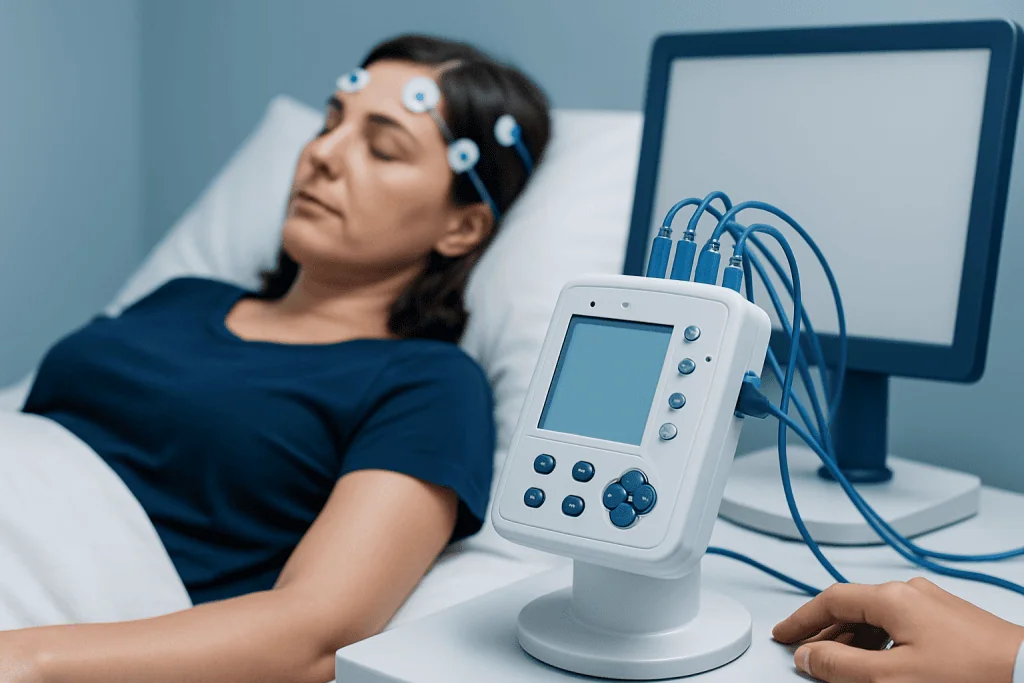
Insomnia can be short-term or persistent. Short-term insomnia may follow a stressful event, pain, infection, shift changes, jet lag, or an unfamiliar sleeping environment. Persistent insomnia is generally defined as sleep difficulty occurring at least three nights per week for three months or longer, with daytime consequences. It can continue even after the original trigger has passed because the person develops understandable but unhelpful coping habits.
For example, going to bed much earlier, sleeping late after a poor night, napping for long periods, checking the clock repeatedly, or working in bed may reduce sleep pressure or make the bedroom feel associated with frustration. Worrying about the effects of poor sleep can create a cycle of increased alertness at bedtime. This does not mean insomnia is “all in the mind”; it means learned patterns and physical sleep regulation both matter.
A simple sleep diary can reveal useful patterns. For one to two weeks, record bedtime, estimated time to fall asleep, awakenings, final wake time, time out of bed, naps, caffeine or alcohol use, exercise, and how alert the person feels during the day. The diary does not need to be perfect. Its purpose is to identify realistic changes and give a healthcare professional helpful information if further assessment is needed.
Build a sleep schedule that supports natural sleep drive

A consistent wake-up time, including on weekends, is often the foundation of insomnia self-care. Getting up at approximately the same time each day helps set the circadian rhythm, the internal timing system that regulates sleep and alertness. Morning exposure to daylight soon after waking can reinforce this signal, especially for people who spend much of the day indoors.
Bedtime should be based on sleepiness rather than an attempt to force sleep. A person who lies awake for a long time may benefit from going to bed a little later temporarily, while still maintaining the planned wake time. This helps increase the natural drive for sleep. It is important not to make major reductions in time in bed without professional guidance, particularly for people with bipolar disorder, epilepsy, pregnancy, significant medical illness, or safety-sensitive work.
If unable to sleep after roughly 20 minutes, or if frustration is building, it may help to leave the bedroom and do a quiet, low-light activity such as reading something neutral, listening to calm audio, or practicing gentle breathing. The person can return to bed when sleepy. Avoid checking the time repeatedly, as clock-watching often increases pressure and anxiety.
- Keep the wake-up time stable every day.
- Get daylight exposure in the morning when possible.
- Go to bed when genuinely sleepy, not simply because it is a set hour.
- Use the bed for sleep and intimacy rather than scrolling, working, or worrying.
- Return to a quiet activity if wakefulness becomes prolonged or distressing.
Create an evening routine without chasing perfect sleep
A wind-down routine signals that the day is ending. For the final hour before bed, many people benefit from quieter, lower-stimulation activities such as taking a warm shower, reading, gentle stretching, listening to relaxing music, or writing down tasks for the next day. The routine should feel manageable and pleasant rather than becoming another performance goal.
Bright light in the evening can delay sleepiness in some people. Dimming room lights and reducing exposure to bright screens may be helpful, particularly if devices are used close to bedtime. If a phone or computer is necessary, lowering brightness and avoiding emotionally activating content, work messages, news, or social media may matter more than any single screen setting.
The bedroom should be as comfortable as practical: dark, quiet, and comfortably cool. Earplugs, an eye mask, or steady background sound may help some people, especially in noisy environments. However, there is no need to purchase special products for sleep. The key is a setting that feels safe, comfortable, and consistently linked with rest.
Use daytime habits to improve sleep at night
What happens during the day strongly affects sleep at night. Regular physical activity can support sleep quality and general health. A walk, cycling, swimming, or another enjoyable form of movement is useful for many people. Strenuous exercise close to bedtime may disturb sleep for some, while others tolerate it well, so individual response is a reasonable guide.
Caffeine can remain active for many hours. People with insomnia may wish to avoid coffee, tea, energy drinks, cola, and other caffeinated products later in the day, often after early afternoon. Nicotine is also stimulating and may interfere with sleep. Alcohol may make a person feel sleepy initially, but it commonly fragments sleep later in the night and can worsen snoring or breathing-related sleep problems.
Long or late naps can reduce the sleep drive needed at bedtime. If a nap is necessary, keeping it brief and earlier in the day is generally preferable. Regular meals and adequate hydration can also help a person feel more comfortable at night, although large meals and excessive fluids immediately before bed may lead to discomfort or frequent bathroom visits.
Stress cannot always be removed, but it can be given a place outside the bedroom. Setting aside a short “worry time” earlier in the evening to write concerns and possible next steps can reduce mental rehearsal in bed. Relaxation practices, mindfulness, guided imagery, or slow breathing may help reduce physical tension. These tools are not designed to force sleep; they are meant to make wakefulness less activating.
Consider CBT-I and use sleep medicines carefully
For chronic insomnia, CBT-I is widely recommended as the first treatment approach. It is a structured program delivered by a trained clinician, and in some settings it may be available through validated digital programs. CBT-I addresses sleep scheduling, unhelpful beliefs about sleep, relaxation, and behaviors that unintentionally maintain insomnia. It is generally more durable than relying only on sleeping medicines.
Over-the-counter sleep aids, antihistamines, herbal products, melatonin, and prescription medicines are not equally suitable for everyone. Some can cause next-day drowsiness, falls, confusion, interactions with other medicines, or tolerance and dependence. “Natural” does not always mean safe or effective. A pharmacist or doctor can review whether a product is appropriate, particularly for older adults, pregnant people, and those with chronic health conditions.
Melatonin may be useful in selected situations involving circadian timing, such as jet lag or certain delayed sleep schedules, but it is not a universal treatment for insomnia. The best choice depends on the reason for sleep difficulty. A healthcare professional can help distinguish insomnia from problems such as sleep apnea, restless legs syndrome, depression, anxiety, medication effects, pain, thyroid disease, or other conditions that require specific care.
When to seek medical care
A person should arrange a medical review if insomnia lasts for several weeks, occurs regularly, causes significant daytime difficulty, or does not improve despite consistent self-care. An appointment is also appropriate when sleep problems begin after starting a new medicine or occur alongside ongoing pain, reflux, breathing symptoms, frequent urination, low mood, anxiety, or substance use.
Prompt assessment is important for loud habitual snoring, witnessed pauses in breathing, gasping during sleep, an uncontrollable urge to move the legs at night, unusual behaviors during sleep, or excessive daytime sleepiness. These may suggest another sleep disorder. Anyone who feels sleepy while driving or operating machinery should avoid these activities and seek advice urgently.
Emergency help is appropriate if severe sleeplessness is accompanied by thoughts of self-harm, feeling unsafe, hallucinations, extreme agitation, or symptoms of mania such as unusually high energy with little need for sleep and risky behavior. Acibadem International’s multidisciplinary specialists and JCI-accredited hospitals can assess sleep concerns and related medical conditions for international patients.
Frequently asked questions
What is the best self-care for insomnia?
The most helpful self-care plan usually combines a regular wake-up time, limiting time awake in bed, reducing late-day caffeine, and following a calming wind-down routine. These approaches are most effective when continued consistently for several weeks. For persistent insomnia, CBT-I is the recommended first-line treatment.
Should a person stay in bed when unable to sleep?
Staying in bed while increasingly awake or frustrated can strengthen the connection between bed and wakefulness. If sleep does not come and the person feels alert, getting up briefly for a quiet activity in dim light may help. They can return to bed when sleepiness returns.
Can naps make insomnia worse?
Naps can reduce the natural sleep drive needed at night, especially when they are long or taken late in the day. Some people do well with a short, early-afternoon nap, while others sleep better by avoiding naps altogether. Tracking naps in a sleep diary can help identify an individual pattern.
Does exercise help with insomnia?
Regular physical activity often improves sleep quality and supports mental and physical health. The preferred type and timing vary between individuals. If intense late-evening exercise seems to delay sleep, moving it earlier in the day may be useful.
Are sleeping pills safe for insomnia?
Some sleep medicines can be appropriate for selected people and short periods, but they should be chosen with medical guidance. They may cause side effects, next-day impairment, or interactions with other medicines. Medication does not replace assessment of the underlying cause of persistent insomnia.
How long should self-care be tried before seeing a doctor?
Medical advice is sensible if sleep difficulties are regular for several weeks, cause daytime impairment, or continue despite consistent changes in routine. A person should seek care sooner if they have breathing pauses during sleep, severe sleepiness, troubling leg sensations, major mood changes, or safety concerns. A clinician can identify conditions that may be contributing to insomnia.
This article is for general information only and is not a substitute for professional medical advice. Please consult a qualified doctor about your individual situation.
Insomnia in Turkey — costs, top hospitals & a free quote
JCI-accredited · board-certified surgeons · reply within 24h
Add us as a Preferred Source to see more of our trusted health content across Google Search, AI Overviews and Discover.

Neurology
Diagnosis and treatment of disorders of the brain, spinal cord, nerves and muscles.
51 specialists in this unitMore from the Health Library

Prostaglandins — Explained by Medical Evidence, Not Myths

Probiotic Drinks — Explained by Medical Evidence, Not Myths

Unisom: A Complete Medical Overview

List of Superfoods: An Evidence-Based Guide for Patients

Love Bombing: A Complete Medical Overview