Truvada Side Effects: What It Treats, How It Works, and What to Watch For

Truvada combines emtricitabine and tenofovir disoproxil fumarate, two antiviral medicines. It is used with other HIV medicines to treat HIV-1 and may be used as PrEP to help prevent HIV in people who are HIV-negative.
Key Takeaways
- Truvada combines emtricitabine and tenofovir disoproxil fumarate, two antiviral medicines.
- It is used with other HIV medicines to treat HIV-1 and may be used as PrEP to help prevent HIV in people who are HIV-negative.
- Common side effects include nausea, diarrhea, headache, dizziness, tiredness, and rash.
- Kidney problems, reduced bone mineral density, liver complications, and lactic acidosis are uncommon but potentially serious risks.
- Before and during PrEP, an HIV test is essential because Truvada alone is not a complete treatment for HIV infection.
- People should not stop Truvada without speaking with their prescribing clinician, especially if they have hepatitis B.
Truvada side effects are commonly mild and may include nausea, diarrhea, headache, tiredness, or dizziness. However, Truvada can also affect kidney function, bone health, and liver health in some people, so regular clinical follow-up and laboratory testing are important.
Overview: What Is Truvada?
Truvada is a prescription antiviral medicine that contains two active ingredients: emtricitabine and tenofovir disoproxil fumarate. Both medicines belong to a group called nucleoside or nucleotide reverse transcriptase inhibitors. They work by interfering with an enzyme HIV needs to make copies of itself.
Truvada has two important approved roles. It is used in combination with other antiretroviral medicines to treat HIV-1 infection. It can also be used for pre-exposure prophylaxis, usually called PrEP, to reduce the risk of acquiring HIV through sexual exposure in people who are confirmed to be HIV-negative and may be at ongoing risk.
For PrEP, Truvada is part of a wider prevention plan that includes regular HIV testing, assessment for other sexually transmitted infections, and discussion of prevention choices. It does not prevent every sexually transmitted infection and does not protect against pregnancy. For HIV treatment, it is not used alone because a complete combination antiretroviral regimen is needed.
Truvada Side Effects: Common and Less Common Effects
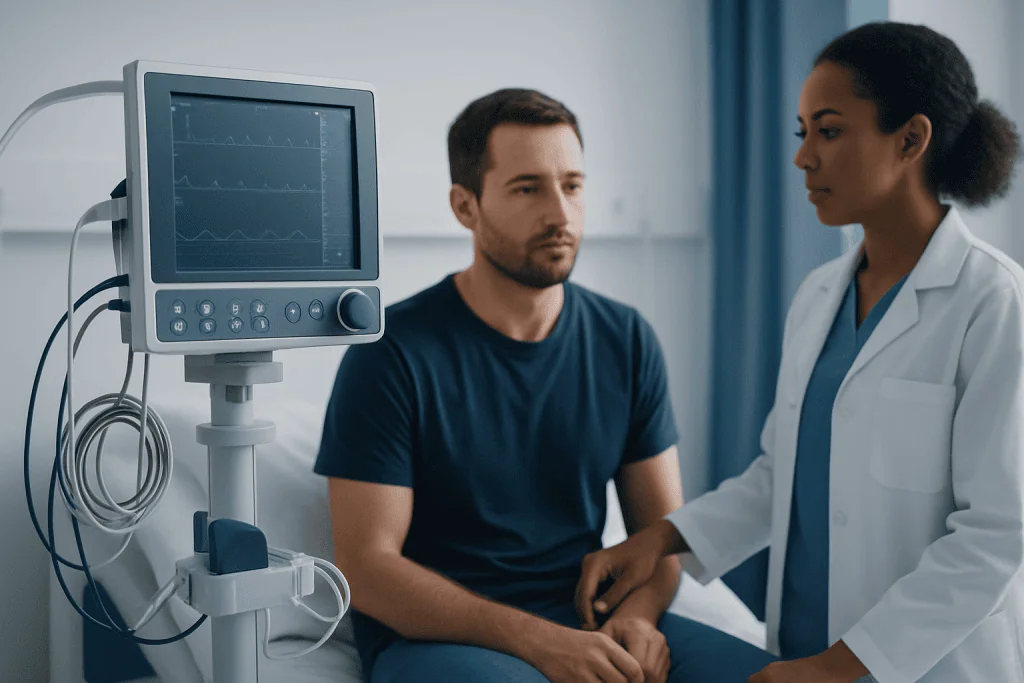
Many people tolerate Truvada well. The side effects that may occur are often mild and can lessen as the body adjusts to treatment. Commonly reported effects include nausea, diarrhea, stomach discomfort, headache, dizziness, tiredness, trouble sleeping, unusual dreams, and rash. People taking Truvada for HIV treatment may experience side effects from Truvada, their other HIV medicines, or the combination.
Changes in skin color, particularly darkening of the palms or soles, can occur in some people. Blood tests may also show changes in liver enzymes or other laboratory values without causing noticeable symptoms. A clinician can explain whether a test result is clinically important in the context of the person’s overall health and medicines.
A person should tell their clinician about persistent, troublesome, or new symptoms rather than stopping the medicine independently. Nausea, loose stools, and headache can have many causes, including infections, diet changes, stress, or other medicines. A careful review helps determine whether symptoms are likely to be medication-related and whether a treatment plan needs adjustment.
- Common effects: nausea, diarrhea, headache, dizziness, fatigue, rash, and sleep-related symptoms.
- Potential laboratory changes: changes in kidney measures, liver enzymes, or phosphate levels.
- Less common but important effects: kidney injury, bone mineral density loss, liver problems, and rare lactic acidosis.
Important Safety Risks and Warning Signs

Tenofovir disoproxil fumarate, one component of Truvada, can affect the kidneys. This may include reduced kidney function or, rarely, a kidney tubule problem that leads to loss of minerals such as phosphate. Kidney risk can be higher in people with existing kidney disease, older adults, or those taking medicines that can also affect the kidneys. Kidney function is assessed before treatment and monitored as clinically appropriate.
Truvada may reduce bone mineral density in some people. This does not mean that everyone will develop fractures or osteoporosis, but it is relevant for people with a history of fractures, osteoporosis, long-term corticosteroid use, low body weight, nutritional concerns, or other bone-health risks. A clinician may consider additional assessment when appropriate.
Rarely, medicines in this drug class can be associated with lactic acidosis and severe liver enlargement with fat accumulation. Seek urgent medical assessment for unusual or severe weakness, shortness of breath, persistent nausea or vomiting, abdominal pain, feeling cold, dizziness, or a fast or irregular heartbeat. These symptoms are not specific to Truvada, but they should not be ignored.
People with hepatitis B virus infection need particular care. Both active ingredients have activity against hepatitis B, and stopping Truvada can be followed by a serious worsening of hepatitis B. Hepatitis B testing and follow-up are therefore important, and a prescribing clinician should guide any change or discontinuation of treatment.
How Truvada Is Used for HIV Treatment and PrEP
For HIV-1 treatment, Truvada is used together with other antiretroviral medicines. Combination treatment suppresses HIV replication, supports immune health, and lowers the risk of HIV-related complications when taken as prescribed. It does not cure HIV, and treatment decisions should be individualized by an experienced clinician.
For PrEP, Truvada is only prescribed after an HIV test confirms that the person does not have HIV. It is important to identify possible recent HIV exposure or symptoms that could suggest early HIV infection, because taking Truvada alone when HIV is already present can contribute to drug-resistant HIV. Follow-up HIV testing remains necessary throughout PrEP use.
Truvada should be taken exactly as directed on its official prescribing information and by the clinician providing care. A person should ask their clinician or pharmacist if they miss a dose, are considering stopping treatment, or have questions about timing. Individual recommendations may differ depending on whether Truvada is being used for HIV treatment or PrEP, kidney function, age, body weight, and other medical factors.
Interactions, Precautions, and Who Needs Extra Monitoring
Before starting Truvada, a person should provide a complete list of prescription medicines, non-prescription medicines, vitamins, supplements, and recreational substances. This includes medicines taken only occasionally. Some medicines can increase the chance of kidney problems, while others may change blood levels of tenofovir or related medicines.
Particular caution may be needed with medicines that can affect kidney function, including certain anti-inflammatory pain medicines when used frequently or at high doses, some antiviral medicines, and some antibiotics. Specific HIV medicines, including didanosine and atazanavir, may require careful management if used with Truvada. A pharmacist or HIV clinician can check the current medication list for meaningful interactions.
Truvada may not be suitable for every person with reduced kidney function. The clinician may need to assess kidney measures before prescribing and at intervals during treatment. People with liver disease, hepatitis B, osteoporosis, a history of fragility fractures, or prior kidney disease should discuss these conditions before treatment begins.
Pregnancy, breastfeeding or chestfeeding, and plans to become pregnant should also be discussed with an HIV specialist or obstetric clinician. The benefits and possible risks of HIV treatment or prevention are assessed individually. People should not assume that a medicine is unsafe or safe in pregnancy without receiving professional advice tailored to their circumstances.
Monitoring and Everyday Self-Care
Regular monitoring is a core part of safe Truvada use. Depending on the reason for treatment and the individual’s health history, this may include HIV testing, kidney function tests, hepatitis B testing, tests for sexually transmitted infections, and monitoring of liver health. For people living with HIV, viral load and immune health are also reviewed as part of routine care.
For people using PrEP, regular HIV testing is especially important. Testing helps confirm that Truvada remains appropriate for prevention and allows any new HIV infection to be identified promptly. Safer-sex discussions, condom use when appropriate, vaccination, and screening for other sexually transmitted infections may all be part of a personalized prevention plan.
Good hydration, balanced nutrition, regular physical activity, avoiding smoking, and adequate calcium and vitamin D intake can support general kidney and bone health. These measures do not replace medical monitoring or treat medication-related problems. A clinician should be consulted before starting supplements, especially when kidney disease or other chronic conditions are present.
Acibadem International’s multidisciplinary specialists and JCI-accredited hospitals support international patients who need assessment, monitoring, and treatment planning for HIV and related health concerns.
When to Seek Medical Care
Contact the prescribing clinician promptly for persistent vomiting or diarrhea, a new or worsening rash, ongoing fatigue, reduced urination, swelling in the legs or ankles, bone pain, muscle weakness, or unexplained changes in general health. These symptoms may be caused by many conditions, but they warrant review when a person is taking Truvada.
Urgent medical care is appropriate for signs of a serious allergic reaction, such as trouble breathing, swelling of the face or throat, widespread blistering rash, or fainting. Urgent assessment is also needed for severe abdominal pain, yellowing of the skin or eyes, very dark urine, marked confusion, severe weakness, or symptoms suggestive of lactic acidosis.
Anyone with hepatitis B should not stop Truvada without medical guidance, even if they feel well. Likewise, a person using Truvada for PrEP who believes they may have been exposed to HIV, develops flu-like symptoms after a possible exposure, or has difficulty taking the medicine should contact their clinician promptly. Timely testing and advice can help guide the safest next steps.
Frequently asked questions
What are the most common Truvada side effects?
Common Truvada side effects include nausea, diarrhea, headache, dizziness, fatigue, stomach discomfort, rash, and sleep-related symptoms. These effects are often mild, but a person should tell their clinician if they are persistent, severe, or interfere with daily life.
Can Truvada cause kidney damage?
Truvada can affect kidney function in some people, mainly because of its tenofovir disoproxil fumarate component. Clinicians generally check kidney function before treatment and monitor it during use when indicated. People with existing kidney disease or medicines that affect the kidneys may need closer review.
Does Truvada weaken bones?
Truvada may lower bone mineral density in some people. The clinical significance varies, and not everyone develops bone complications. A person with osteoporosis, previous fractures, or other bone-health concerns should discuss these risks with their clinician.
Can a person take Truvada if they have hepatitis B?
A person with hepatitis B may be prescribed Truvada, but they require careful medical supervision. Truvada has activity against hepatitis B, and hepatitis B can worsen after the medicine is stopped. Hepatitis B testing and follow-up are important before and after treatment changes.
Is Truvada alone enough to treat HIV?
No. Truvada is used with other antiretroviral medicines for HIV treatment because it is not a complete HIV regimen on its own. For PrEP, it is used to help prevent HIV in people confirmed to be HIV-negative, alongside regular testing and prevention care.
Should Truvada be stopped if side effects occur?
A person should contact the prescribing clinician before stopping Truvada unless urgent medical professionals advise otherwise. Stopping suddenly can be particularly important for people with hepatitis B because their liver condition may worsen. A clinician can assess symptoms, laboratory results, and alternative options safely.
References
- U.S. Food and Drug Administration
- Centers for Disease Control and Prevention
- National Institutes of Health
- World Health Organization
- European Medicines Agency
This article is for general information only and is not a substitute for professional medical advice. Please consult a qualified doctor about your individual situation.
Persistent digestive symptoms? Get evaluated in Turkey
JCI-accredited · board-certified surgeons · reply within 24h
Add us as a Preferred Source to see more of our trusted health content across Google Search, AI Overviews and Discover.