Rolfing Massage: What Patients Need to Know
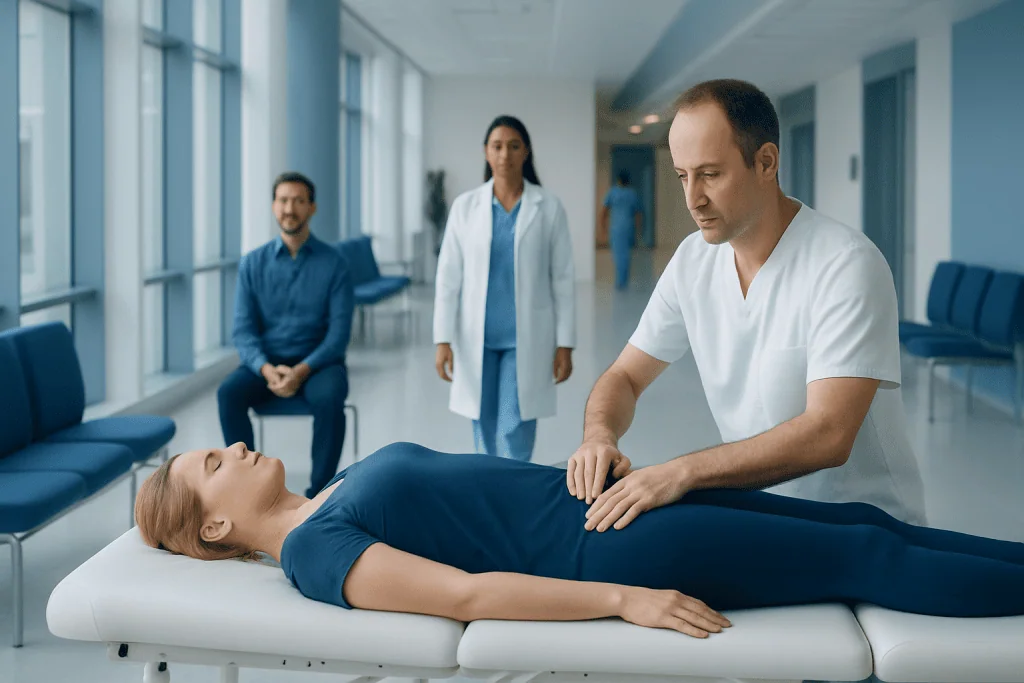
Rolfing massage is a type of structural integration that uses sustained pressure and movement education. It is different from conventional relaxation massage and may feel more intense in some areas.
Key Takeaways
- Rolfing massage is a type of structural integration that uses sustained pressure and movement education.
- It is different from conventional relaxation massage and may feel more intense in some areas.
- Research on its effectiveness is limited, especially for specific medical diagnoses.
- A qualified clinician should assess persistent, severe, or unexplained pain before bodywork is used.
- People with certain health conditions, recent injuries, blood-clotting concerns, or fragile skin should seek medical advice first.
Rolfing massage, also called Rolfing Structural Integration, is a hands-on bodywork approach intended to address patterns of tension, posture, and movement. Some people report feeling looser or moving more comfortably after sessions, but it should not replace medical assessment or evidence-based treatment for pain, injury, or disease.
What Is Rolfing Massage?
Rolfing massage is a commonly used name for Rolfing Structural Integration, a form of manual bodywork developed in the mid-20th century. Practitioners use sustained pressure, touch, guided movement, and attention to body alignment. The approach is based on the idea that working with connective tissue, often called fascia, may help a person feel less restricted and develop more efficient movement patterns.
Despite the word “massage,” a Rolfing session is not always designed primarily for relaxation. It may include discussion of posture, walking, breathing, everyday movement habits, and areas where the person feels stiffness or discomfort. Pressure can range from gentle to firm, and the practitioner may ask the person to move a limb or change position during treatment.
Rolfing is usually delivered as a planned series of sessions, although the number and structure may vary by practitioner and country. It is considered a complementary therapy, meaning it may be used alongside conventional health care but should not be presented as a replacement for medical diagnosis, rehabilitation, or prescribed treatment.
How It Differs From Other Types of Massage
Many massage therapies involve hands-on work with muscles and soft tissues, but their goals and methods differ. Swedish massage commonly emphasizes relaxation and lighter rhythmic strokes. Sports massage may focus on activity-related muscle soreness and recovery. Deep-tissue massage often targets deeper muscle layers in a localized area.
Rolfing Structural Integration generally takes a broader, whole-body approach. Rather than concentrating only on the site of discomfort, a practitioner may work on areas that appear connected to the person’s posture or movement pattern. For example, treatment for a feeling of tightness around the hips may also involve the legs, back, chest, or feet.
It is important to remember that posture varies naturally between individuals, and no single posture is proven to prevent all pain or injury. While improving body awareness and comfortable movement can be useful goals, claims that Rolfing can “realign” the body permanently or correct complex medical problems should be viewed cautiously.
Possible Benefits and What Research Shows
People may seek Rolfing massage for muscle tightness, reduced flexibility, discomfort related to prolonged sitting, stress, or a desire to improve awareness of how they move. Some individuals report short-term benefits such as relaxation, a sense of reduced stiffness, improved body awareness, or easier movement after a session.
However, scientific research on Rolfing specifically is limited. Small studies and personal reports cannot establish that it effectively treats chronic pain, spinal conditions, sports injuries, neurological disorders, or other medical diagnoses. More high-quality research is needed to clarify whether any benefits are consistent, how long they last, and which people are most likely to benefit.
For musculoskeletal pain, the strongest care plans are usually individualized and may include medical assessment, appropriate physical activity, physiotherapy, sleep support, and pain-management strategies when needed. Manual therapies can sometimes be a supportive part of care, but they work best when expectations are realistic and they do not delay evaluation of the underlying cause.
A person who notices that gentle bodywork helps them feel more comfortable may choose to include it as part of a wider self-care routine. They should monitor how they feel afterward and discuss persistent symptoms with a qualified health professional.
What Happens During a Session?
A session commonly begins with a conversation about health history, current symptoms, activity level, goals, and previous injuries. The practitioner may observe standing posture, walking, range of motion, or breathing patterns. These observations are not a medical diagnosis and should not be treated as a substitute for an examination by a doctor or physiotherapist.
During hands-on work, the person may lie on a treatment table, sit, stand, or move slowly while the practitioner applies pressure to selected tissues. Sensations can include stretching, pressure, tenderness, warmth, or temporary discomfort. Pain is not required for treatment to be effective, and a person should tell the practitioner immediately if pressure feels sharp, intense, numb, burning, or otherwise unsafe.
Afterward, some people feel relaxed, while others notice temporary soreness similar to that experienced after unfamiliar exercise. Hydration, normal gentle activity, and rest when needed may be reasonable. Significant bruising, worsening pain, weakness, dizziness, or symptoms that do not settle should be discussed with a health professional.
Risks, Side Effects and Who Should Be Careful
When provided gently by an appropriately trained practitioner, Rolfing massage is generally associated with minor, short-term effects such as tenderness, soreness, tiredness, or mild bruising. Firm pressure can aggravate sensitive tissues, especially when treatment is too intense or when an injury has not been assessed.
People should speak with a doctor before receiving deep or sustained bodywork if they have a bleeding disorder, take anticoagulant medication, have osteoporosis or fragile bones, have an active skin infection, have had recent surgery, or have a known vascular condition. Extra caution is also appropriate during pregnancy, after a recent accident, and for people with cancer or a history of cancer, depending on their health status and treatment plan.
Bodywork should be avoided directly over open wounds, acute inflammation, suspected fractures, active blood clots, or areas of unexplained swelling. It should never be used to manipulate an injured area aggressively. A responsible practitioner will ask about relevant health concerns, adapt the session when appropriate, and recommend medical evaluation rather than treating beyond their scope.
Choosing a practitioner with recognized training in structural integration and clear professional boundaries is important. The person should feel comfortable asking about qualifications, intended techniques, likely sensations, privacy practices, and how the practitioner responds if symptoms worsen.
Using Rolfing Alongside Medical Care
Rolfing massage may be considered as a complementary option for general comfort or body awareness when a person’s clinician agrees it is appropriate. It should not replace treatment recommended for conditions such as arthritis, disc problems, inflammatory disease, nerve compression, fractures, or chronic pain syndromes. These conditions can have different causes and may require tailored medical or rehabilitation care.
For ongoing back, neck, shoulder, or joint symptoms, a clinician may assess strength, mobility, nerves, joints, work demands, sleep, and stress factors. A physiotherapist can then provide an exercise and activity plan designed around the person’s diagnosis, function, and goals. This approach is often particularly important when pain affects work, mobility, sleep, or confidence in movement.
People can support musculoskeletal health with gradual regular activity, strength and mobility exercises suited to their ability, varied movement during long periods of sitting, adequate sleep, and attention to recovery after demanding activity. No massage technique can fully compensate for an untreated injury, sudden increase in training load, or a medical condition causing pain.
Acibadem International’s multidisciplinary specialists and JCI-accredited hospitals can assess musculoskeletal symptoms and help international patients access appropriate diagnostic, rehabilitation, and medical care when needed.
When to Seek Medical Care
Medical assessment is important before pursuing bodywork for severe, persistent, or unexplained symptoms. A doctor should evaluate pain that begins after a fall, collision, or other injury; pain that steadily worsens; or pain that does not improve with reasonable self-care. New symptoms deserve particular attention when they interfere with daily activities or sleep.
Urgent medical care is needed for symptoms such as chest pain, difficulty breathing, sudden weakness, fainting, new loss of bladder or bowel control, numbness around the groin area, or sudden severe headache. These symptoms are not expected effects of muscle tension and should not be managed with massage.
A person should also arrange prompt assessment for fever with back or joint pain, unexplained weight loss, redness and warmth around a swollen joint, one-sided leg swelling, or persistent tingling and weakness. Once serious causes have been excluded, a clinician can advise whether massage or structural integration is a reasonable addition to a broader care plan.
Frequently asked questions
Is Rolfing massage painful?
Rolfing massage can involve firm, sustained pressure and may feel more intense than a relaxation massage. It should not involve sharp, burning, or unbearable pain. The person should tell the practitioner if the pressure is uncomfortable so it can be adjusted.
Does Rolfing massage fix posture?
Rolfing may help some people become more aware of their movement habits and feel less restricted temporarily. However, there is no reliable evidence that it permanently corrects posture or prevents all pain and injuries. Healthy movement is usually more important than trying to achieve one ideal body position.
Can Rolfing help with back pain?
Some people with nonspecific muscle-related back discomfort may find manual bodywork relaxing or temporarily helpful. Evidence specifically supporting Rolfing for back pain remains limited. Persistent, severe, or radiating back pain should be assessed by a qualified clinician before treatment.
How many Rolfing sessions are needed?
Some practitioners offer Rolfing as a series of sessions, while others provide individual appointments. There is no universally established medical number of sessions because treatment goals, symptoms, and responses differ. A person should avoid committing to extensive treatment before discussing ongoing symptoms with a health professional.
Who should avoid Rolfing massage?
People with suspected fractures, active blood clots, open wounds, acute infections, or significant unexplained pain should not receive deep bodywork over the affected area. Those who take blood thinners, have osteoporosis, have recently had surgery, are pregnant, or are receiving cancer treatment should seek advice from their doctor first.
Is Rolfing massage medically proven?
Research on Rolfing is limited and does not establish it as a proven treatment for specific diseases or injuries. Some people may experience short-term improvements in comfort, relaxation, or movement awareness. It is best viewed as a complementary therapy rather than a substitute for evidence-based medical care.
This article is for general information only and is not a substitute for professional medical advice. Please consult a qualified doctor about your individual situation.
Joint and spine care in Turkey — expert assessment & treatment
JCI-accredited · board-certified surgeons · reply within 24h
Add us as a Preferred Source to see more of our trusted health content across Google Search, AI Overviews and Discover.

More from the Health Library

Frigidity: A Complete Medical Overview

Pediophobia: An Evidence-Based Guide for Patients

Health News: An Evidence-Based Guide for Patients

Gout in Wrist: A Complete Medical Overview

Top Paid Doctors: An Evidence-Based Guide for Patients