Dry Skin Under Eyes: What Patients Need to Know

The skin around the eyes is thin and can become dry or irritated more easily than other facial skin. Common triggers include harsh skin-care products, frequent rubbing, cold or dry weather, allergies, and contact dermatitis.
Key Takeaways
- The skin around the eyes is thin and can become dry or irritated more easily than other facial skin.
- Common triggers include harsh skin-care products, frequent rubbing, cold or dry weather, allergies, and contact dermatitis.
- Use simple, fragrance-free moisturizers and avoid applying potentially irritating products close to the lash line.
- Do not use steroid creams, medicated eye drops, or strong active ingredients around the eyes unless a clinician recommends them.
- Dryness that is persistent, recurrent, swollen, painful, or associated with vision changes needs medical evaluation.
Dry skin under eyes is often related to a weakened skin barrier, environmental dryness, irritation from products, allergies, or a skin condition such as eczema. Gentle care and avoiding triggers can help, but persistent, painful, swollen, or eye-related symptoms should be assessed by a qualified clinician.
Overview: Why the Under-Eye Area Becomes Dry
Dry skin under eyes usually means that the delicate skin beneath or around the eyes has lost moisture or has become irritated. This area has a relatively thin protective barrier and fewer oil glands than many other parts of the face. As a result, it may react to weather changes, cosmetics, cleansing products, rubbing, and allergic triggers more readily than thicker skin.
Many cases are mild and improve after simplifying the skin-care routine, reducing irritation, and using a bland moisturizer. However, under-eye dryness can sometimes be part of a broader problem, including eczema, contact dermatitis, blepharitis, or an allergy. Looking at the pattern of symptoms and possible exposures can help guide appropriate care.
Dryness under the eyes is not necessarily a sign of poor hygiene or a serious illness. It is often a temporary skin-barrier issue. Still, because products placed near the eyes can enter the eyes or cause further irritation, treatment should be cautious and should focus on gentle measures first.
What Dry Skin Under Eyes Can Look and Feel Like
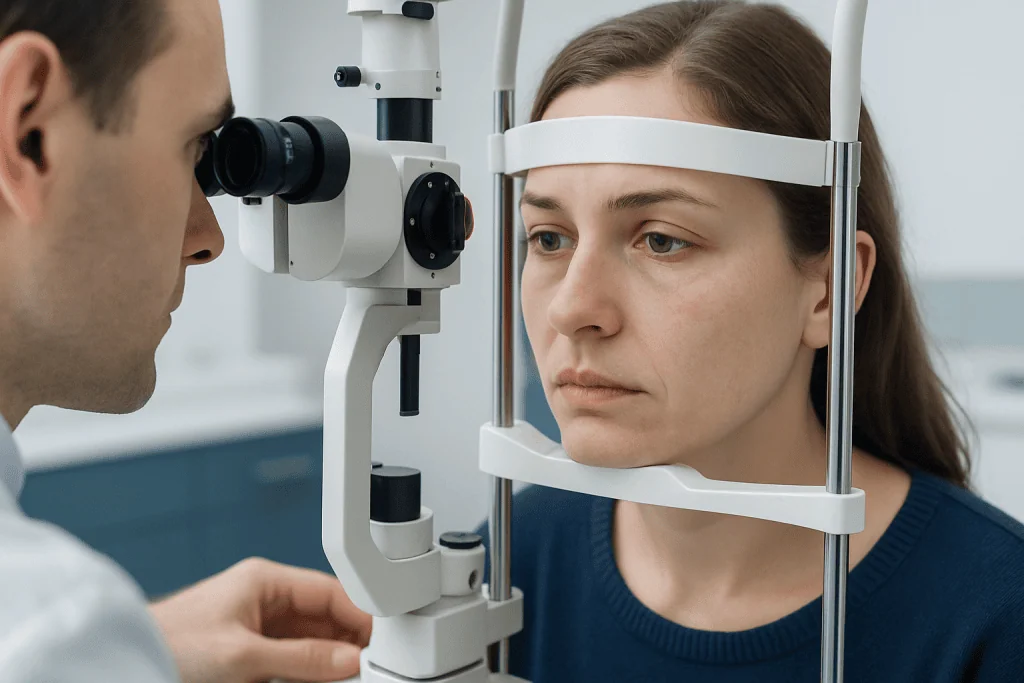
The appearance of under-eye dryness varies. The skin may look rough, flaky, dull, fine-lined, or mildly red. Some people notice a tight or stinging sensation after washing their face, applying makeup, spending time outdoors, or using a new skin-care product. The area may also itch, especially when dryness is related to eczema or allergies.
Symptoms can affect the lower eyelids, upper eyelids, outer corners of the eyes, or surrounding facial skin. Rubbing can worsen inflammation and may lead to more visible redness, puffiness, or darkening over time. In people with darker skin tones, irritation may sometimes cause areas of increased or decreased pigmentation after the rash settles.
Dry skin should be distinguished from eye symptoms themselves. Burning inside the eye, persistent tearing, a gritty sensation, light sensitivity, discharge, marked eyelid swelling, or changes in vision may indicate an eye-surface or eyelid problem rather than simple dry facial skin. These symptoms deserve timely assessment by an eye-care professional.
Common Causes and Contributing Factors

Environmental factors are common contributors. Cold temperatures, low humidity, indoor heating, air conditioning, wind, and sun exposure can all increase water loss from the skin. Long hot showers, frequent washing, and vigorous towel drying may have a similar effect by removing protective oils from the skin surface.
Products used near the eyes are another frequent cause. Cleansers, makeup removers, waterproof mascara, eye creams, sunscreen, retinoids, exfoliating acids, fragrances, essential oils, preservatives, nail products transferred by touching the face, and hair-care products can trigger irritation or allergic contact dermatitis. A reaction may occur even with a product that has been used before, particularly after repeated exposure.
Some medical conditions make dry or inflamed eyelid skin more likely. Atopic dermatitis, often called eczema, can cause itching, scaling, and recurrent dry patches. Seborrheic dermatitis may produce flaking around the eyebrows, lashes, nose, and scalp. Blepharitis, an inflammation at the eyelid margins, may cause crusting near the eyelashes and discomfort. Seasonal allergies can lead to itchiness and rubbing, which then damages the skin barrier further.
Age, naturally dry skin, and certain medications may also contribute. People who use prescription acne treatments or other products that increase skin turnover can develop irritation if these reach the eyelid area. A clinician can help identify whether a recurring rash represents simple dryness or a specific dermatologic condition.
A Gentle Approach to Daily Care
The first step is usually to reduce potential irritation for one to two weeks. This may mean pausing new eye products, exfoliants, retinoids, fragranced creams, makeup removers, and products that sting on application. The face can be cleansed with lukewarm rather than hot water and a mild, fragrance-free cleanser. Patting the skin dry, rather than rubbing, helps protect the fragile under-eye area.
After cleansing, a small amount of a simple fragrance-free moisturizer can be applied to the skin around the orbital bone, avoiding the lash line and the eye itself. Ingredients such as ceramides, glycerin, hyaluronic acid, and petrolatum-based occlusives can support the skin barrier. A plain ointment may be useful at night for very dry skin, but it should be used sparingly to avoid migration into the eyes.
During the day, broad-spectrum sunscreen formulated for sensitive skin can help reduce sun-related irritation and pigmentation changes. Sunglasses can offer additional protection from wind and sunlight. People who wear eye makeup may benefit from choosing hypoallergenic or fragrance-free products and replacing products that are old, contaminated, or suspected of causing a reaction.
It is sensible to introduce products one at a time after symptoms improve. Testing a small amount on another area of skin, such as the inner arm, may identify obvious irritation, although it does not guarantee that the eyelid area will tolerate the product. If a product repeatedly causes burning, itching, or redness, it should be stopped.
Medicines and Treatments: Important Safety Considerations
Over-the-counter moisturizers are often enough for mild dryness, but medicated products near the eyes require extra care. Steroid creams can reduce inflammation in some types of eczema or dermatitis, yet inappropriate use around the eyelids may thin the skin and, in some circumstances, contribute to eye complications. They should only be used near the eyes under the direction of a doctor.
Similarly, anti-fungal creams, antibiotic ointments, allergy eye drops, and prescription immunomodulating creams may be appropriate for particular diagnoses, but they are not interchangeable. For example, blepharitis may need eyelid hygiene and targeted treatment, while allergic contact dermatitis depends primarily on identifying and avoiding the trigger. A clinician may ask about cosmetics, medications, occupation, hobbies, and recent changes in personal-care products.
If symptoms are persistent or recurrent, a dermatologist, ophthalmologist, or primary care clinician may examine the skin and eyelid margins. Patch testing may be considered when allergic contact dermatitis is suspected. The goal is to identify the cause, restore the skin barrier, and avoid unnecessary use of treatments that could irritate the eyes.
Prevention and Self-Care Habits
Consistent, simple skin care is often the most effective prevention strategy. Use gentle cleansing, moisturize regularly, and choose products designed for sensitive skin when possible. Avoid rubbing the eyes, even when they itch. A cool, clean compress may be soothing for mild itchiness or puffiness, but it should not replace medical advice when symptoms are substantial or ongoing.
People with known allergies may find it helpful to limit exposure to personal triggers, such as pollen, dust, pet dander, or particular cosmetics. Keeping fingernails short and washing hands before touching the face can reduce further irritation. If contact lenses are used, following lens hygiene guidance and discussing persistent eye discomfort with an eye-care professional are important.
Indoor humidity may be useful during very dry seasons, particularly where heating is used frequently. Adequate sleep, hydration, and a balanced diet support general skin health, although drinking extra water alone does not reliably correct a damaged skin barrier. The most direct approach remains protecting the area from irritants and applying a suitable moisturizer consistently.
When to Seek Medical Care
Medical evaluation is recommended if dry skin under eyes does not improve after a short period of gentle self-care, returns frequently, spreads, or significantly affects comfort and daily activities. A clinician should also assess pronounced itching, scaling, cracked skin, recurrent swelling, or a rash that appears after using a product. Bringing or photographing the products used around the eyes can help identify possible triggers.
Prompt care is important if there is eye pain, worsening redness of the eye itself, pus-like discharge, fever, marked eyelid swelling, trouble opening the eye, sensitivity to light, injury, or any change in vision. These symptoms may indicate an eye or eyelid condition that needs specific treatment rather than routine skin care.
Acibadem International’s multidisciplinary specialists and JCI-accredited hospitals can assess persistent eyelid and facial skin symptoms for international patients, coordinating dermatology or ophthalmology care when needed. A proper diagnosis can help patients use the safest and most effective approach for the skin around their eyes.
Frequently asked questions
What is the fastest way to relieve dry skin under eyes?
The safest first measures are to stop potentially irritating products, wash gently with lukewarm water, and apply a small amount of fragrance-free moisturizer to the surrounding skin. Avoid placing creams directly along the lash line or inside the eye. Improvement may take several days, especially if the skin barrier has been irritated.
Can retinol cause dry skin under the eyes?
Yes. Retinoids, including retinol products, can cause dryness, peeling, burning, and irritation, particularly when they are applied too close to the eyelids or transfer there during sleep. It is best to pause the product if irritation develops and discuss future use with a dermatologist.
Is dry skin under eyes a sign of eczema?
It can be. Eyelid eczema often causes dryness, itchiness, redness, and recurring flaking, but similar symptoms can also result from irritation or an allergy to a product. A clinician can help distinguish between these causes if symptoms continue or recur.
Can a regular face moisturizer be used under the eyes?
A simple, fragrance-free face moisturizer may be suitable if it does not sting or cause redness. Products containing strong active ingredients, fragrance, exfoliating acids, or retinoids are more likely to irritate this sensitive area. Use only a small amount and keep it away from the eye and lash line.
Why is the skin under only one eye dry?
One-sided dryness may happen when a product, hand contact, sleeping position, rubbing habit, or environmental exposure affects one side more than the other. It can also occur with a localized eyelid or skin condition. Persistent one-sided swelling, pain, crusting, or redness should be examined by a clinician.
Should steroid cream be used on dry eyelids?
Steroid cream should not be used on the eyelids unless a doctor specifically recommends it. The eyelid skin is very thin, and steroid products can have important risks when used incorrectly or for too long near the eyes. A clinician can determine whether inflammation is present and advise on the safest treatment.
References
- American Academy of Dermatology Association
- American Academy of Ophthalmology
- National Eczema Association
- Mayo Clinic
- National Health Service
This article is for general information only and is not a substitute for professional medical advice. Please consult a qualified doctor about your individual situation.
Explore treatments in Turkey — costs, top hospitals & a free quote
JCI-accredited · board-certified surgeons · reply within 24h
Add us as a Preferred Source to see more of our trusted health content across Google Search, AI Overviews and Discover.

More from the Health Library



Related Specialists

Prof. Dr. Faruk Suat Dede
Gynecology & Obstetrics
Prof. Dr. Gülfer Mehtap Yazıcıoğlu
Pediatric Allergy
Dyt. Menekşe Feyzanur Koral
Nutrition & Diet
Dr. Mustafa Uğur Özel
Anesthesiology