Understanding Treatment of Ventricular Arrhythmia: A Complete Patient Guide

Ventricular arrhythmias begin in the heart’s lower pumping chambers, called the ventricles. Premature ventricular contractions may be harmless in many people, but persistent or complex rhythms should be assessed.
Key Takeaways
- Ventricular arrhythmias begin in the heart’s lower pumping chambers, called the ventricles.
- Premature ventricular contractions may be harmless in many people, but persistent or complex rhythms should be assessed.
- Treatment can include addressing triggers, medicines, catheter ablation, implanted devices and care for underlying heart disease.
- Sustained ventricular tachycardia and ventricular fibrillation can be medical emergencies.
- Fainting, chest pain, severe breathlessness or persistent palpitations need prompt medical evaluation.
Treatment of ventricular arrhythmia is tailored to the specific rhythm disturbance, its cause, the person’s symptoms and the health of the heart. Some ventricular extra beats need only observation and lifestyle guidance, while ventricular tachycardia or ventricular fibrillation may require urgent care and long-term protection from dangerous recurrences.
Overview: what treatment of ventricular arrhythmia involves
Treatment of ventricular arrhythmia aims to identify the rhythm, understand why it is occurring and reduce symptoms or the risk of serious events. The right approach varies widely. A person with occasional premature ventricular contractions (PVCs) and a normal heart may need reassurance and follow-up, while someone with sustained ventricular tachycardia (VT) may need emergency stabilization and longer-term treatment.
Ventricular arrhythmias start in the ventricles, the lower chambers that pump blood to the lungs and the rest of the body. They include PVCs, which are early extra beats; ventricular tachycardia, a fast rhythm that may last briefly or persist; and ventricular fibrillation (VF), a chaotic rhythm that prevents effective pumping. VF causes cardiac arrest and requires immediate defibrillation.
Doctors consider more than the rhythm name when recommending treatment. Important factors include whether symptoms occur, how long the arrhythmia lasts, whether there is heart muscle disease or previous heart attack, heart pumping strength, family history and any reversible trigger. This individualized assessment helps avoid unnecessary treatment while providing appropriate protection to people at higher risk.
How ventricular arrhythmias may feel
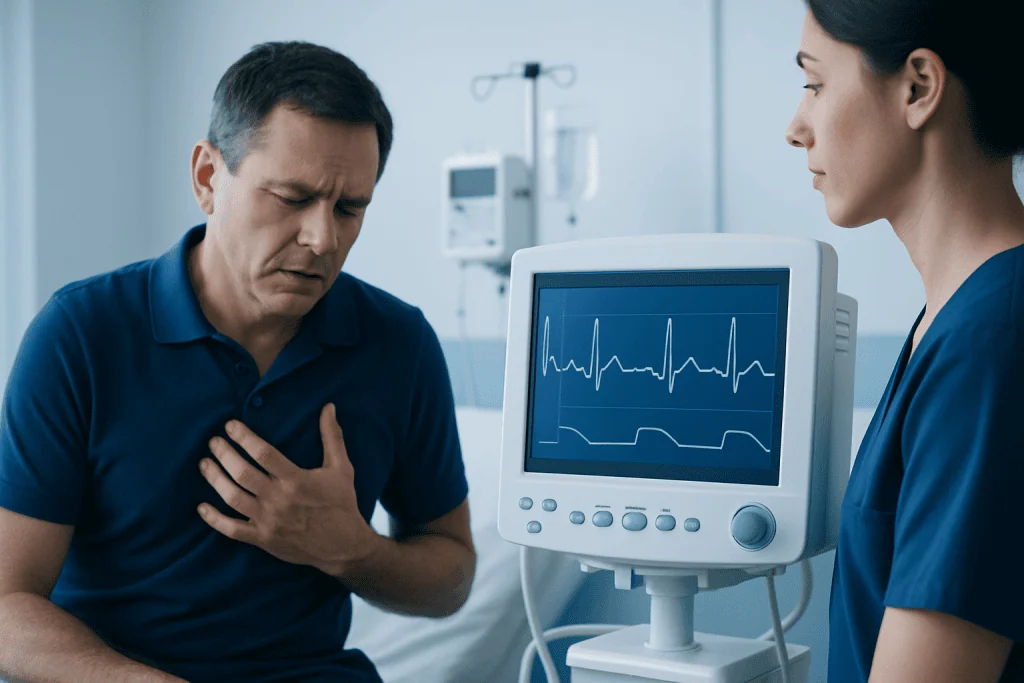
Some ventricular arrhythmias cause no noticeable symptoms and are found during a routine examination, wearable-device reading or heart test. Others can feel like skipped beats, fluttering, pounding in the chest or brief pauses followed by a stronger heartbeat. PVCs are common and can occur in people with or without heart disease.
Faster or longer-lasting rhythms may reduce the heart’s ability to pump blood effectively. This can lead to dizziness, light-headedness, unusual fatigue, shortness of breath, chest discomfort or fainting. Symptoms alone cannot determine whether a rhythm is harmless or serious, so recurrent, new or troubling episodes should be discussed with a qualified clinician.
Symptoms can also be influenced by anxiety, dehydration, fever, stimulant use and poor sleep. However, it is important not to assume palpitations are caused by stress without appropriate medical assessment, particularly when they happen during exercise, are associated with fainting, or occur in a person with known heart disease.
Causes, triggers and risk factors
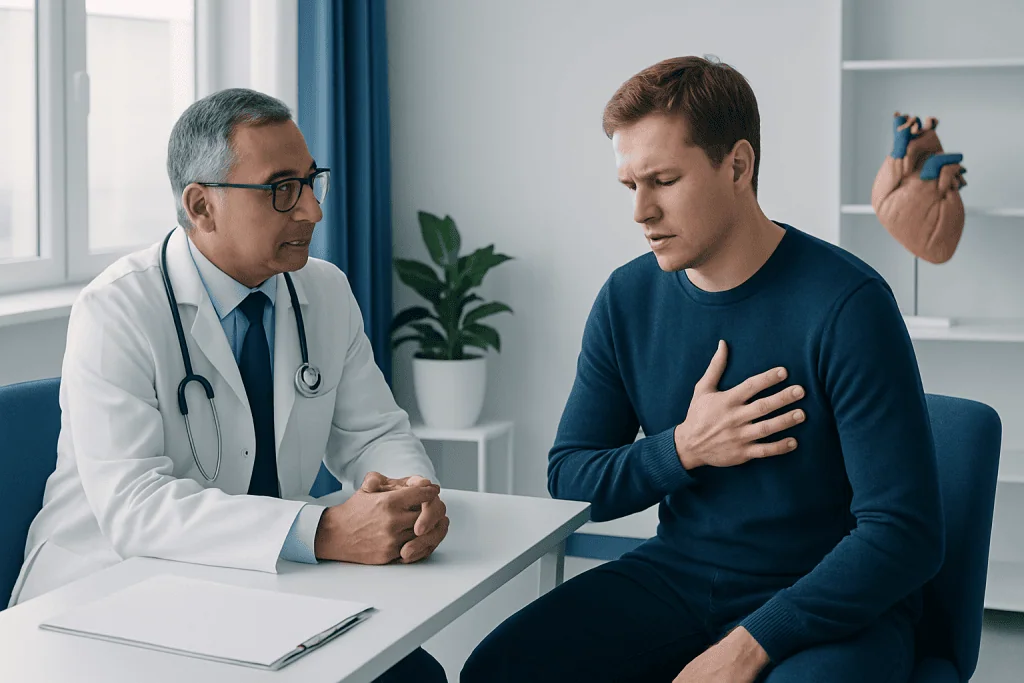
Ventricular arrhythmias can arise from changes in the heart muscle or its electrical pathways. Coronary artery disease, a previous heart attack, heart failure, cardiomyopathy, valve disease and inflammation of the heart muscle can all increase the likelihood of clinically important ventricular rhythms. Some inherited conditions affecting heart muscle or electrical signaling may also raise risk.
Potentially reversible contributors include low or high levels of certain electrolytes, thyroid disorders, anemia, infection, low oxygen levels and side effects or interactions from medicines. Alcohol, nicotine, cocaine, amphetamines, high intake of caffeine or energy drinks, and some over-the-counter decongestants may trigger palpitations in susceptible people. A clinician should review all prescription medicines, supplements and recreational substances rather than advising a person to stop prescribed treatment independently.
Not every PVC has an identifiable cause. In people with a structurally normal heart, isolated PVCs are often benign. Still, a high burden of PVCs over time can occasionally affect heart function, and frequent symptoms deserve evaluation. Risk is assessed in the context of the whole person, not by a single palpitation or test result.
Diagnosis guides the safest treatment
Diagnosis begins with a detailed history, including the timing and character of symptoms, medical conditions, family history of unexplained sudden death and medication or substance use. A physical examination and a 12-lead electrocardiogram (ECG) may identify an arrhythmia or clues to an underlying heart condition. Because many rhythms come and go, a normal ECG does not always exclude an intermittent problem.
Ambulatory monitoring, such as a Holter monitor, patch monitor or event recorder, can capture the rhythm during daily life and show how often it occurs. An echocardiogram assesses heart structure and pumping function. Depending on the clinical situation, doctors may also use blood tests, exercise testing, cardiac magnetic resonance imaging (MRI), coronary assessment or an electrophysiology study.
An electrophysiology study is a specialized procedure in which thin catheters are guided into the heart to map its electrical activity. It may help determine where an arrhythmia begins and whether catheter ablation could be useful. The diagnostic plan is selected according to symptoms and risk; not everyone needs every test.
Treatment options: from trigger management to devices
For occasional PVCs without heart disease or concerning symptoms, treatment may focus on education, observation and addressing triggers. A clinician may recommend improving sleep, staying hydrated, limiting substances that clearly provoke symptoms and treating contributing conditions such as thyroid disease or electrolyte imbalance. Follow-up may include repeat monitoring if symptoms change or PVCs are frequent.
Medicines may be used to reduce symptoms or prevent recurrent ventricular tachycardia. Beta blockers are commonly considered in appropriate patients, especially when there is coronary disease or heart failure. Other antiarrhythmic medicines can be helpful for selected people but require careful specialist supervision because they may cause side effects or, in certain circumstances, worsen arrhythmias. Treatment of underlying heart disease, including guideline-based heart failure care or treatment for reduced blood flow to the heart, is often an essential part of arrhythmia management.
Catheter ablation may be recommended when a specific rhythm focus or circuit can be targeted, particularly for recurrent symptomatic PVCs or VT that does not respond adequately to medicines or when medicines are unsuitable. During this procedure, a specialist uses catheter-based energy to create small controlled areas of scar that interrupt abnormal electrical signals. The expected benefits and potential risks depend on the arrhythmia location and the person’s heart condition.
An implantable cardioverter-defibrillator (ICD) may be advised for people who have survived cardiac arrest, experienced certain sustained ventricular arrhythmias, or have a heart condition associated with a substantial risk of dangerous rhythms. An ICD continuously monitors the heartbeat and can deliver pacing or a shock if needed to restore a safer rhythm. It does not cure the underlying cause, so it may be combined with medicines, ablation and management of heart disease.
Living well after diagnosis or treatment
Self-care supports, but does not replace, medical treatment. People can help their care team by keeping a record of symptoms, including what they felt, how long they lasted, what they were doing and any possible triggers. This information can be especially useful if an episode is not captured during an office ECG.
Heart-healthy habits are generally beneficial: avoiding tobacco, limiting alcohol when advised, choosing regular physical activity that has been cleared by a clinician, eating a balanced diet and managing blood pressure, diabetes and cholesterol. Exercise recommendations should be individualized. A person with unexplained fainting, recent sustained VT, an ICD shock or newly diagnosed heart disease should ask their heart specialist about safe activity before returning to strenuous exercise.
After ablation or ICD implantation, follow-up visits are important to review symptoms, device function, medicine needs and recovery. People with an ICD should receive clear instructions about device checks, what to do after a shock, travel considerations and activities that may involve strong electromagnetic fields. Acibadem International’s multidisciplinary specialists and JCI-accredited hospitals diagnose and treat ventricular arrhythmias for international patients, with care plans based on individual clinical needs.
When to seek medical care
Emergency care is needed if a person collapses, becomes unresponsive, has severe chest pain, severe shortness of breath, or has palpitations accompanied by fainting or near-fainting. If someone is unresponsive and not breathing normally, bystanders should call local emergency services immediately and begin CPR if trained; an automated external defibrillator should be used if available. Ventricular fibrillation cannot be safely treated at home.
Prompt medical assessment is also appropriate for a new pattern of palpitations, episodes that are prolonged or becoming more frequent, symptoms during exertion, or palpitations in someone with known heart disease. Anyone with an ICD who receives a shock should follow their device team’s instructions. Multiple shocks, a shock with ongoing symptoms, or feeling unwell afterward warrants emergency evaluation.
For non-urgent but recurring symptoms, arranging an appointment with a cardiologist can help clarify the cause and determine whether monitoring or treatment is needed. Seeking assessment is a practical step toward reassurance when the rhythm is benign and timely care when it is not.
Frequently asked questions
Can ventricular arrhythmia be cured?
Some ventricular arrhythmias can be resolved by treating a reversible cause, such as an electrolyte problem, medication effect or thyroid disorder. Catheter ablation can significantly reduce or eliminate certain rhythm patterns. When arrhythmia is linked to ongoing heart disease or an inherited condition, long-term management may be needed.
Are premature ventricular contractions dangerous?
Occasional PVCs are common and are often not dangerous in people with a normal heart. Their significance depends on frequency, symptoms and whether structural heart disease is present. A clinician can use an ECG, heart monitor and sometimes imaging to assess them properly.
What is the difference between ventricular tachycardia and ventricular fibrillation?
Ventricular tachycardia is a fast rhythm arising from the ventricles; it may be brief, sustained or unstable. Ventricular fibrillation is a disorganized ventricular rhythm that prevents the heart from pumping effectively and causes cardiac arrest. Both require medical assessment, while ventricular fibrillation always requires immediate emergency treatment.
Will an ICD prevent all ventricular arrhythmias?
An ICD does not necessarily stop an arrhythmia from starting, but it can detect dangerous fast rhythms and deliver treatment to restore a safer rhythm. Some people also need medicines or catheter ablation to reduce recurrent episodes and ICD therapies. Regular device follow-up remains important.
Can caffeine cause ventricular arrhythmias?
Caffeine may increase palpitations in some people, particularly at higher intakes or when combined with poor sleep, stress or stimulant products. It does not cause every ventricular arrhythmia, and individual sensitivity varies. A clinician can help determine whether reducing caffeine is appropriate based on symptoms and heart history.
Can a person exercise with ventricular arrhythmia?
Many people can remain physically active, but the appropriate level depends on the type of arrhythmia, symptoms and underlying heart health. Exercise-related palpitations, dizziness, chest discomfort or fainting should be assessed before continuing strenuous activity. A cardiologist can provide individualized guidance after evaluation.
References
- American Heart Association
- Heart Rhythm Society
- European Society of Cardiology
- National Heart, Lung, and Blood Institute
- Mayo Clinic
This article is for general information only and is not a substitute for professional medical advice. Please consult a qualified doctor about your individual situation.
Heart care in Turkey — expert evaluation and treatment
JCI-accredited · board-certified surgeons · reply within 24h
Add us as a Preferred Source to see more of our trusted health content across Google Search, AI Overviews and Discover.