

Visceral Hypersensitivity: What Patients Need to Know

Visceral hypersensitivity is an altered pain-processing pattern, not an imagined symptom. It commonly contributes to abdominal pain, bloating, discomfort, and changes in bowel habits.
Key Takeaways
- Visceral hypersensitivity is an altered pain-processing pattern, not an imagined symptom.
- It commonly contributes to abdominal pain, bloating, discomfort, and changes in bowel habits.
- It is often associated with disorders of gut-brain interaction, including irritable bowel syndrome.
- Diagnosis involves reviewing symptoms and checking for other conditions that may need specific treatment.
- Care may combine dietary changes, symptom-directed medicines, stress management, and gut-directed psychological therapies.
Visceral hypersensitivity means the nerves that sense activity in internal organs, most often the digestive tract, respond more strongly than expected to normal stretching, movement, or pressure. It can contribute to genuine and sometimes persistent abdominal symptoms, even when routine tests do not show inflammation, infection, or structural disease.
What visceral hypersensitivity means
Visceral hypersensitivity is increased sensitivity to sensations arising from internal organs. In the digestive system, this may mean that normal events such as gas moving through the bowel, food stretching the stomach, or stool passing through the colon are felt as uncomfortable, painful, or urgent. The experience is real: it reflects changes in how signals travel between the organs, the spinal cord, and the brain.
It is not usually a disease with one visible abnormality on a scan or blood test. Instead, it is a mechanism that can help explain symptoms in disorders of gut-brain interaction, formerly often called functional gastrointestinal disorders. These conditions involve changes in gut function and nervous-system signaling rather than damage that can always be seen during an examination.
The digestive tract has its own extensive nerve network, sometimes called the enteric nervous system. This network constantly communicates with the brain. When the system becomes sensitized, ordinary digestive sensations may be amplified, and the brain may interpret them as more intense or threatening than they would otherwise be.
How it can feel in daily life
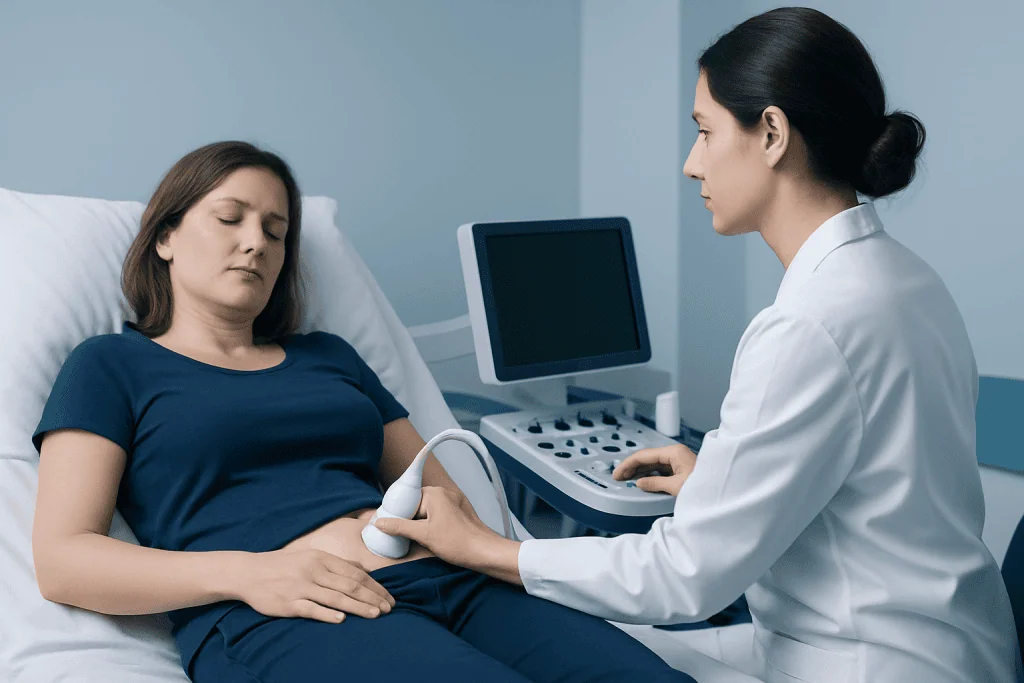
Symptoms vary from person to person and can change over time. Many people describe cramping, aching, pressure, fullness, or burning discomfort in the abdomen. Pain may occur after meals, with bowel movements, during periods of constipation or diarrhea, or when the abdomen feels bloated. Some people are especially sensitive to even small amounts of gas or fullness.
Visceral hypersensitivity may also make the bowel feel more urgent or unpredictable. A person may feel a sudden need to use the toilet, discomfort that improves after passing stool, or a sense that bowel movements are incomplete. Symptoms are often linked with irritable bowel syndrome (IBS), including irritable bowel syndrome, but they can occur in other digestive conditions as well.
Symptoms can be disruptive, but their severity does not necessarily indicate serious disease. However, new, persistent, or changing digestive symptoms should still be assessed by a clinician. A careful evaluation helps distinguish a sensitivity-related pattern from conditions such as inflammation, infection, ulcers, coeliac disease, or other causes of abdominal pain.
- Abdominal pain or discomfort that may come and go
- Bloating or visible abdominal distension
- Early fullness after eating or nausea
- Constipation, diarrhea, or alternating bowel habits
- Urgency or pain associated with bowel movements
Why the gut may become more sensitive

There is rarely one single cause of visceral hypersensitivity. It is thought to develop through a combination of biological, psychological, and environmental influences. A prior intestinal infection, inflammation, surgery, or repeated episodes of pain may make local nerve endings more responsive. This can continue after the original illness or injury has resolved.
Changes in bowel motility can also play a role. If the stomach or intestines contract too quickly, too slowly, or irregularly, normal digestive contents may create more stretching and discomfort. Alterations in the gut microbiome, immune activity in the gut lining, and hormone-related changes are also being studied as possible contributors in some individuals.
Stress does not mean symptoms are “all in the mind.” The brain and digestive tract communicate in both directions through the gut-brain axis. Ongoing stress, anxiety, poor sleep, or past difficult experiences can increase the body’s sensitivity to pain signals and affect bowel function. At the same time, persistent digestive symptoms can understandably cause worry and interfere with sleep, work, eating, and social life.
Risk may be higher in people with a history of gastroenteritis, IBS, functional dyspepsia, chronic pelvic pain, or other long-lasting pain conditions. Not everyone with these factors develops visceral hypersensitivity, and having symptoms does not mean a person has done anything wrong.
How doctors evaluate visceral hypersensitivity
There is no single routine test that confirms visceral hypersensitivity. A clinician usually begins with a detailed discussion about the symptoms: when they began, where they are felt, their relationship to meals and bowel movements, and what makes them better or worse. Medical history, medicines, diet, recent infections, stress, sleep, and family history can all provide useful context.
A physical examination and selected tests may be used to look for other explanations. Depending on the individual situation, these may include blood tests, stool tests, testing for coeliac disease, or imaging. Endoscopy or colonoscopy is not needed for every person, but may be recommended when symptoms, age, family history, or warning signs suggest it would be helpful.
Specialized research tests can measure responses to controlled stretching in the gut, but these are not usually necessary in routine care. In practice, a diagnosis is often based on a typical symptom pattern after appropriate evaluation has excluded conditions requiring different treatment. This approach is intended to avoid unnecessary testing while taking symptoms seriously.
Keeping a short symptom diary before an appointment can be useful. Recording meals, bowel habits, pain timing, sleep, stress, menstrual-cycle timing when relevant, and medicines may help identify patterns without encouraging overly restrictive eating.
Treatment: reducing symptoms and restoring confidence
Treatment is individualized and usually focuses on reducing symptoms, improving daily function, and helping the nervous system become less reactive over time. A clinician may first address constipation, diarrhea, reflux, nausea, or cramping, because better control of these symptoms can lessen gut discomfort. The best plan depends on the person’s diagnosis, medical history, and main concerns.
Dietary adjustments may help some people. Regular meals, adequate fluids, and gradually increasing or adjusting fiber can be useful in selected cases. Some individuals with IBS benefit from a short, structured low-FODMAP dietary trial supervised by a dietitian, followed by careful food reintroduction. Broad, long-term food avoidance is generally not recommended unless a specific trigger or medical reason has been identified.
Doctors may recommend medicines targeted to bowel function or pain signaling. These can include treatments for constipation or diarrhea, antispasmodic medicines for cramping, or, in certain situations, low-dose neuromodulating medicines that influence pain processing. Such medicines are prescribed for their effects on nerve signaling and do not imply that symptoms are psychological. A qualified clinician should review possible benefits, side effects, and interactions.
Gut-directed cognitive behavioral therapy, gut-directed hypnotherapy, and other evidence-based psychological therapies can help reduce symptom burden for some people. These approaches teach practical ways to calm the stress response and change the cycle in which pain, worry, and bowel symptoms reinforce one another. They are used alongside medical care, not as a dismissal of physical symptoms.
Self-care that can support medical treatment
Small, sustainable routines can support symptom management. Eating at regular times, chewing slowly, avoiding very large meals when these trigger discomfort, and allowing time for unhurried bowel movements may be helpful. Gentle physical activity, such as walking, can support bowel movement regularity and overall wellbeing.
Sleep and stress management deserve attention because both can affect pain sensitivity and gut function. Relaxed breathing, mindfulness practices, stretching, regular exercise, and consistent sleep schedules may help some people feel more in control of symptoms. These tools do not replace medical assessment, but they can be meaningful parts of a broader care plan.
It is important to avoid self-treating persistent pain with frequent use of over-the-counter medicines without medical advice. Similarly, cutting out multiple food groups can lead to inadequate nutrition and may increase anxiety around eating. A doctor or registered dietitian can help create an approach that is realistic, nutritionally appropriate, and tailored to symptom patterns.
Improvement is often gradual rather than immediate. Tracking progress by comfort, confidence with eating, sleep quality, and ability to take part in daily activities can be more useful than expecting every symptom to disappear at once.
When to seek medical care
Anyone with ongoing or recurring abdominal pain, bloating, bowel changes, or early fullness should discuss these symptoms with a healthcare professional, particularly if they affect eating, sleep, work, or quality of life. Assessment is especially important when symptoms are new, begin later in adulthood, or are noticeably different from a person’s usual pattern.
Prompt medical care is advisable for warning signs such as blood in the stool or black stools, unexplained weight loss, persistent vomiting, fever, anemia, difficulty swallowing, jaundice, a new abdominal mass, or severe and worsening pain. A family history of colorectal cancer, inflammatory bowel disease, or coeliac disease may also influence the type of evaluation recommended.
For severe abdominal pain with fainting, chest pain, vomiting blood, a rigid abdomen, or inability to pass stool or gas with marked swelling, urgent assessment is needed. These symptoms may have causes other than visceral hypersensitivity and should not be managed at home.
Acibadem International’s multidisciplinary specialists and JCI-accredited hospitals assess digestive symptoms and provide individualized care for international patients. A gastroenterologist can help determine whether visceral hypersensitivity is likely and develop a plan that addresses both symptoms and underlying contributors.
Frequently asked questions
Is visceral hypersensitivity a real medical condition?
Yes. Visceral hypersensitivity describes a recognized change in how the nervous system detects and processes sensations from internal organs. The pain or discomfort is real, even when standard tests do not find inflammation or structural damage.
Is visceral hypersensitivity the same as IBS?
No. Visceral hypersensitivity is one mechanism that can contribute to IBS symptoms, especially abdominal pain and bloating. IBS is a clinical disorder defined by a pattern of abdominal pain and altered bowel habits, while increased gut sensitivity may also occur in other conditions.
Can stress cause visceral hypersensitivity?
Stress can influence gut-brain communication and make digestive sensations feel more intense, but it is usually not the only factor. Prior infections, bowel motility changes, immune activity, and individual pain-processing differences may also contribute.
Can visceral hypersensitivity be cured?
Symptoms can often be improved with an individualized plan, although the course differs between people. Treatment commonly focuses on reducing pain sensitivity, managing bowel symptoms, identifying manageable triggers, and improving quality of life.
What foods should be avoided with visceral hypersensitivity?
There is no single list of foods that everyone needs to avoid. Some people notice symptoms after large meals, fatty foods, alcohol, caffeine, carbonated drinks, or certain fermentable carbohydrates, but triggers are individual. A dietitian-guided approach is preferable to unnecessary long-term restriction.
When is abdominal pain unlikely to be due to visceral hypersensitivity alone?
New severe pain, pain with fever, bleeding, weight loss, persistent vomiting, anemia, or jaundice needs medical evaluation. These features can indicate another condition that requires specific assessment and treatment.
References
- National Institute of Diabetes and Digestive and Kidney Diseases
- American College of Gastroenterology
- Rome Foundation
- International Foundation for Gastrointestinal Disorders
- National Institute for Health and Care Excellence
This article is for general information only and is not a substitute for professional medical advice. Please consult a qualified doctor about your individual situation.
Persistent digestive symptoms? Get evaluated in Turkey
JCI-accredited · board-certified surgeons · reply within 24h
Add us as a Preferred Source to see more of our trusted health content across Google Search, AI Overviews and Discover.

More from the Health Library



Related Specialists

Asst. Prof. Dr. Yiğit Umur Cırdı
Orthopedic Surgery & Traumatology
Dr. Nezihi Ün
Ophthalmology
Dr. Berhan Bayram
Orthopedic Surgery & Traumatology
Dr. Barış Yazar
Pediatrics