Electrocautery: An Evidence-Based Guide for Patients

Electrocautery applies heat directly from a heated tip; it differs technically from electrosurgery, which sends electrical energy through tissue. Clinicians may use electrocautery to control bleeding, remove certain superficial lesions, or treat selected nasal and surgical bleeding sites.
Key Takeaways
- Electrocautery applies heat directly from a heated tip; it differs technically from electrosurgery, which sends electrical energy through tissue.
- Clinicians may use electrocautery to control bleeding, remove certain superficial lesions, or treat selected nasal and surgical bleeding sites.
- Local anesthesia is often used for small outpatient procedures, although anesthesia needs depend on the treatment area and procedure.
- Temporary soreness, redness, swelling, and a small scab can be expected during healing; the treated area should not be picked or rubbed.
- Increasing pain, spreading redness, pus, persistent bleeding, fever, or poor wound healing should be assessed by a healthcare professional.
Electrocautery is a medical technique that uses heat from a handheld instrument to seal bleeding blood vessels or destroy a small, targeted area of tissue. It is commonly used in minor skin procedures and surgery, often with local anesthesia, and recovery is usually straightforward when aftercare instructions are followed.
Overview: What Is Electrocautery?
Electrocautery is a procedure in which a clinician uses a metal tip that has been heated by an electrical current to apply controlled heat to tissue. The heat can seal small blood vessels, helping stop bleeding, or destroy a small area of unwanted or abnormal tissue. It is a long-established technique used across several medical specialties, particularly dermatology, ear, nose and throat care, gynecology, and surgery.
Although the names sound similar, electrocautery and electrosurgery are not exactly the same. In true electrocautery, electricity heats the device, while the heat itself is applied to the tissue; electrical current does not normally pass through the patient. Electrosurgery uses high-frequency electrical energy delivered through tissue to cut, coagulate, or remove it. In everyday conversation, the terms may be used interchangeably, but the treating clinician can explain which method is planned.
The procedure is precise and designed to affect only the intended area. Whether it is appropriate depends on the reason for treatment, the location and size of the affected tissue, a person’s health history, and available alternatives. Electrocautery is not suitable for every skin lesion, wound, or bleeding problem, so evaluation by a qualified clinician remains important.
Why Electrocautery May Be Recommended
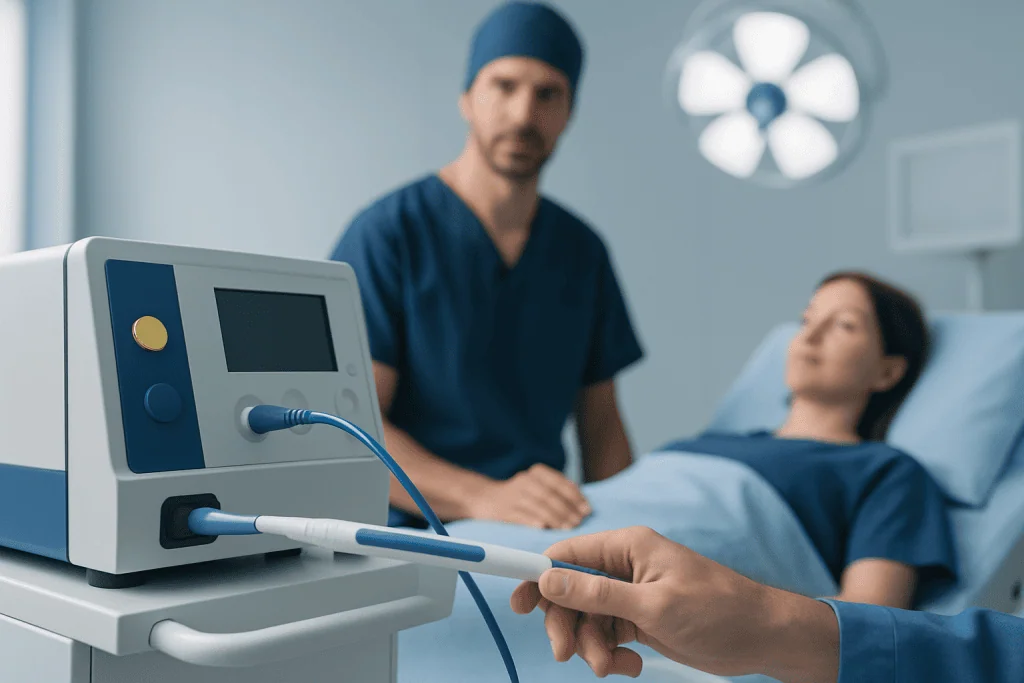
A common purpose of electrocautery is hemostasis, meaning control of bleeding. During an operation or a minor office procedure, it may seal small blood vessels that continue to ooze after tissue has been removed or injured. Controlling bleeding can improve visibility for the clinician and may reduce the need for additional stitches or dressings in some situations.
In dermatology, it can be used as part of treatment for carefully selected superficial growths or lesions, such as some benign skin tags, seborrheic keratoses, or small vascular lesions. It may also be combined with curettage, in which tissue is gently scraped before the base is treated with heat. However, a lesion that is changing, bleeding without explanation, irregularly pigmented, or otherwise suspicious may need examination and sometimes a biopsy before destructive treatment is considered.
In ear, nose and throat practice, cautery may help manage a visible source of recurrent nosebleeds. In other surgical settings, it may support bleeding control during a wider procedure. The underlying condition—not the instrument alone—determines the expected benefit, alternatives, and follow-up plan.
What Happens Before, During, and After the Procedure

Before electrocautery, the clinician reviews the reason for treatment, medical history, allergies, and medicines. It is particularly important to mention blood-thinning medicines, antiplatelet medicines, herbal products that may affect bleeding, implanted cardiac devices, previous problems with anesthesia, and a history of poor wound healing. Patients should not stop prescribed medicines on their own; the clinician who is performing the procedure or prescribing the medicine should provide individualized instructions.
For many small surface procedures, the skin is cleaned and numbed with a local anesthetic. A person may feel a brief sting from the anesthetic injection, followed by pressure or warmth rather than sharp pain. The clinician then touches the heated tip to the targeted area for short periods. A faint odor or small amount of smoke can occur when tissue is treated; clinics use appropriate ventilation and protective measures.
Afterward, the area may be covered with petroleum jelly, a simple dressing, or another product recommended by the clinician. The appointment is often brief for minor procedures, but the total time varies according to the location, size, number of areas treated, and whether another procedure is being done at the same time. Before leaving, patients should receive clear instructions about cleaning, dressings, activity, pain relief, and follow-up.
Benefits, Limitations, and Possible Risks
Electrocautery can offer rapid, targeted control of minor bleeding and may allow some small procedures to be completed in an outpatient setting. It can be especially useful when a clinician needs to coagulate a small vessel or treat a superficial, well-defined area. The technique is selected when its expected benefits outweigh the possible effects on nearby tissue.
Like all procedures, it has limitations and risks. Temporary tenderness, redness, swelling, crusting, or a small blister can occur. Depending on the site and depth of treatment, healing may leave a lighter or darker area of skin, a visible scar, or a change in skin texture. These changes are more likely with deeper treatment, infection, repeated trauma to the healing area, or individual tendencies toward raised scars.
Less common complications include infection, delayed healing, persistent bleeding, excessive tissue damage, or recurrence of the treated lesion. Cautery can also interfere with the assessment of tissue if a diagnosis has not been established beforehand. For this reason, clinicians may recommend a biopsy or removal with laboratory examination rather than electrocautery when skin cancer or another significant condition is a concern.
Special precautions may be required for people with pacemakers, implantable cardioverter-defibrillators, or other electronic devices, especially if an electrosurgical technique is considered. The medical team can coordinate with relevant specialists and choose the safest approach when needed.
Healing and Practical Aftercare
Healing after electrocautery depends on the treated body area and the depth of treatment. A small treated spot often forms a dry crust or scab and may be mildly sore for several days. It is generally best to leave the crust in place and allow it to come away naturally. Picking, scratching, shaving over the area, or rubbing it can cause bleeding, infection, or more noticeable scarring.
Patients should follow the procedure-specific instructions they receive. Common advice may include gently cleaning the area with mild soap and water, patting it dry, applying a thin layer of petroleum jelly if advised, and using a clean dressing when friction or drainage is likely. Unless a clinician advises otherwise, harsh antiseptics, perfumed products, exfoliants, and unprescribed topical remedies should be avoided on a fresh treatment site.
Sun protection is helpful once the skin has closed, especially for treated areas on the face or other exposed skin. Sun exposure can make temporary pigment changes more noticeable or longer lasting. If discomfort occurs, a clinician or pharmacist can advise on appropriate pain relief based on the individual’s health conditions and current medicines.
It is also important to attend any recommended review appointment. Follow-up allows the clinician to confirm that healing is progressing normally, check whether the intended treatment response has been achieved, and discuss any pathology results if tissue was sampled.
When to Seek Medical Care
Prompt medical advice is appropriate if bleeding does not stop with steady, gentle pressure for the period advised by the treating team, or if a dressing becomes rapidly soaked with blood. Patients should also contact a clinician for worsening rather than improving pain, expanding redness, increasing warmth, significant swelling, foul-smelling drainage, pus, fever, or red streaks extending from the wound. These symptoms can indicate infection or another complication that may need treatment.
Urgent assessment is needed for severe bleeding, difficulty breathing, facial or throat swelling, fainting, or symptoms of a serious allergic reaction after a procedure. For a nosebleed treated with cautery, medical care is needed if bleeding is heavy, recurrent despite first-aid measures, follows a significant injury, or is accompanied by weakness or dizziness.
Patients should arrange a medical assessment for any skin growth that changes in size, shape, color, or sensation; bleeds repeatedly; does not heal; or returns after treatment. Electrocautery should not be used as a substitute for diagnosis. A clinician can determine whether examination, dermoscopy, biopsy, or another treatment approach is needed.
Making an Informed Decision
Before consenting to electrocautery, patients may find it helpful to ask what is being treated, why cautery is recommended, whether tissue testing is needed, and what alternatives are available. Alternatives can include observation, medication, cryotherapy, surgical excision, laser treatment, chemical cautery, or other methods, depending on the condition. No single technique is best for every concern.
People should also ask about expected healing time, the likelihood of scarring or pigment change at that particular body site, activity restrictions, and when results will be reviewed. Sharing a complete medication list and medical history supports safer planning. In particular, pregnancy, diabetes, immune suppression, bleeding disorders, allergies, and implanted medical devices may affect preparation or aftercare.
For patients traveling for care, Acibadem International’s multidisciplinary specialists and JCI-accredited hospitals can assess conditions that may require electrocautery and coordinate appropriate treatment and follow-up planning. The most suitable approach should always be based on an in-person clinical evaluation and a shared discussion of benefits, limitations, and personal preferences.
Frequently asked questions
Is electrocautery painful?
Many minor electrocautery procedures are performed with local anesthesia, so the treatment area is numbed first. A person may notice pressure, warmth, or a brief sensation during treatment, followed by mild soreness as the anesthetic wears off. The experience varies with the body area and the extent of treatment.
How long does electrocautery take to heal?
Small superficial areas often heal over days to a few weeks, but the timeline depends on the location, depth of treatment, and individual healing factors. A crust may form and should generally be allowed to fall off naturally. Color changes in the skin can take longer to fade.
Will electrocautery leave a scar?
Any procedure that intentionally affects the skin can leave some degree of marking or scarring. The likelihood depends on the depth and location of treatment, skin type, wound care, infection risk, and a person’s tendency to form raised scars. The treating clinician can discuss the expected cosmetic outcome for the specific area.
Can electrocautery remove a mole?
Electrocautery may be used for selected benign superficial lesions, but it is not appropriate for every mole. A mole that is new, changing, irregular, itchy, painful, or bleeding should be assessed before it is removed or destroyed. In some cases, excision and laboratory examination are preferred to establish an accurate diagnosis.
What is the difference between electrocautery and electrosurgery?
Electrocautery heats a device tip, and the heat is applied to tissue without electrical current typically passing through the patient. Electrosurgery uses high-frequency electrical energy that passes through tissue to cut or coagulate it. The terms are sometimes used loosely, so patients can ask their clinician which technique is planned.
Can a person shower after electrocautery?
Instructions vary by treatment site and procedure, so the clinician’s advice should take priority. Many small skin sites can be gently washed after the period specified by the treating team, but soaking, vigorous scrubbing, swimming, and hot tubs may need to be avoided until healing is further along. The area should be patted dry rather than rubbed.
References
- American Academy of Dermatology Association
- American Academy of Otolaryngology–Head and Neck Surgery
- National Institute of Diabetes and Digestive and Kidney Diseases
- MedlinePlus, U.S. National Library of Medicine
- World Health Organization
This article is for general information only and is not a substitute for professional medical advice. Please consult a qualified doctor about your individual situation.
Explore treatments in Turkey — costs, top hospitals & a free quote
JCI-accredited · board-certified surgeons · reply within 24h
Add us as a Preferred Source to see more of our trusted health content across Google Search, AI Overviews and Discover.

More from the Health Library



Related Specialists

Dr. Hakkı Süha Özçelik
Otorhinolaryngology
Dr. İlkar Aydın
Radiology
Dr. Özlem Özkalaycı
Anesthesiology
Fzt. Ezgi Nur Çiçek
Physical Medicine & Rehabilitation