Massage Painful Muscles: Common Causes, Related Conditions, and When to See a Doctor

Gentle massage can temporarily relieve muscle tightness and soreness, especially after mild overuse or prolonged inactivity. Pain that is sharp, severe, worsening, or associated with swelling, weakness, fever, or dark urine should not be treated with vigorous massage.
Key Takeaways
- Gentle massage can temporarily relieve muscle tightness and soreness, especially after mild overuse or prolonged inactivity.
- Pain that is sharp, severe, worsening, or associated with swelling, weakness, fever, or dark urine should not be treated with vigorous massage.
- Muscle pain may arise from exercise, posture, injury, stress, medicines, infections, nerve problems, or inflammatory conditions.
- Rest, gradual movement, hydration, and heat or cold may be useful depending on the cause and timing of symptoms.
- A clinician can identify whether muscle pain is local and self-limited or linked to an underlying condition.
Massage may help painful muscles caused by temporary overuse, tension, or stiffness when it is gentle and does not worsen symptoms. However, persistent, severe, or unusual muscle pain can have many causes and should be assessed when warning signs are present.
Overview: Can Massage Help Painful Muscles?
Massage painful muscles can be helpful when discomfort is related to mild exercise soreness, muscle tension, prolonged sitting, or temporary stiffness. Gentle pressure may promote relaxation, improve a person’s sense of mobility, and reduce the feeling of tightness. It should feel comfortable or mildly tender, not intensely painful.
Massage is not appropriate for every type of muscle pain. A painful area may be injured, inflamed, infected, bruised, or affected by a circulation, nerve, or medical condition. Deep pressure over a fresh injury or a swollen, warm, red, or severely painful muscle can aggravate symptoms and delay appropriate care.
How pain behaves offers useful clues. Muscle discomfort that begins after an unfamiliar activity and improves over several days is often benign. Pain that starts suddenly without a clear reason, persists beyond expected recovery, repeatedly returns, or affects daily movement deserves a medical review.
What Muscle Pain Can Feel Like
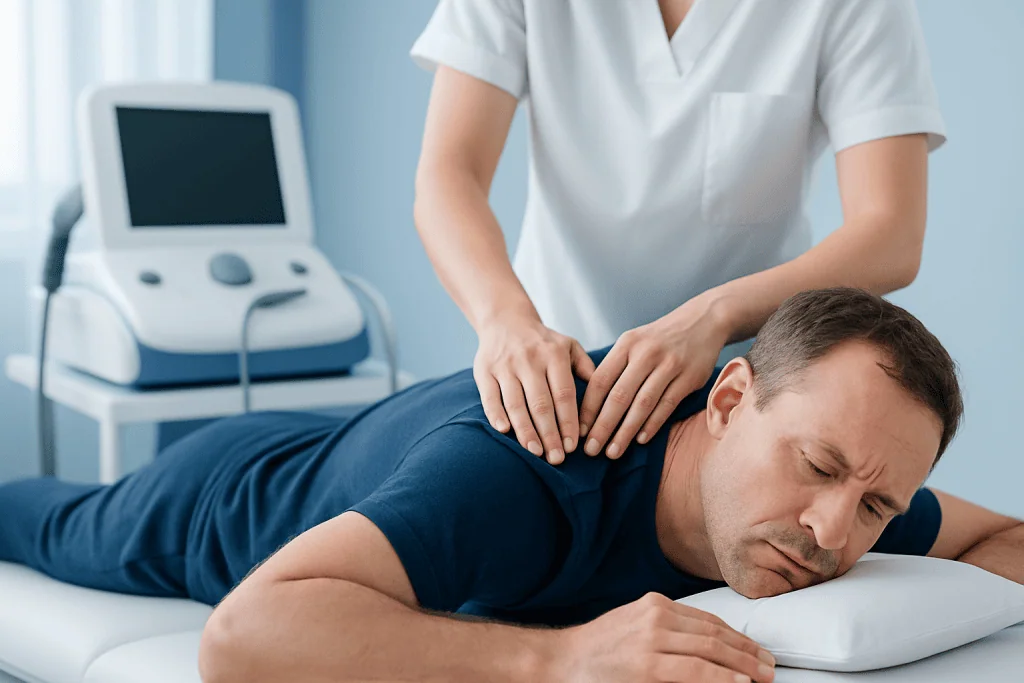
Muscle pain, also called myalgia, may feel aching, cramping, stiffness, tenderness, heaviness, burning, or tightness. It can affect one small area, such as the neck or calf, or involve several muscle groups. Some people mainly notice pain when moving; others experience discomfort at rest or during the night.
Delayed-onset muscle soreness commonly develops several hours to a day after unusual or strenuous exercise and may peak within one to three days. The muscles can feel tender and stiff, particularly when first moving after rest. This type of soreness generally settles gradually as the body recovers.
Not all pain felt around a muscle comes from the muscle itself. Tendons, joints, ligaments, nerves, and the spine can refer pain into nearby areas. For example, pain traveling from the lower back into a leg, especially with tingling or numbness, may point to nerve irritation rather than simple muscle tightness.
- Diffuse aches with fever or fatigue may occur during a viral illness.
- Sudden cramping may be associated with exertion, dehydration, or certain medicines.
- Focal pain after a twist, fall, or impact may indicate a strain, tear, or bruise.
- Burning, electric, or radiating pain may suggest a nerve-related cause.
Common Causes and Related Conditions
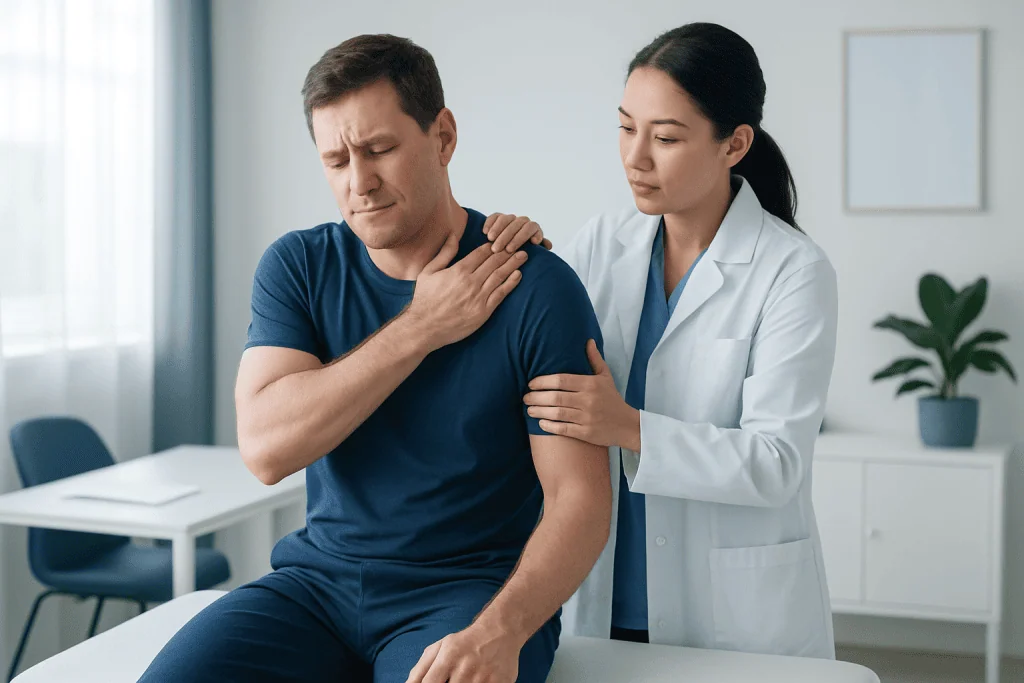
Everyday muscle pain is often linked to overuse, repetitive work, strenuous exercise, poor ergonomics, prolonged immobility, or carrying tension during stress. A muscle can become sore when it is asked to work harder than usual or held in one position for a long time. In these situations, gentle massage, stretching within comfort, and a gradual return to normal movement may help.
Muscle strains are another common cause. They happen when muscle fibers are overstretched or torn, often during sport, lifting, or a sudden movement. A strain may cause localized pain, weakness, swelling, bruising, or pain when the muscle is used. Deep massage should be avoided early after a suspected strain because it can increase bleeding or irritation in damaged tissue.
Widespread pain may also be related to infections, sleep disruption, anxiety, thyroid disorders, vitamin or mineral deficiencies, autoimmune or inflammatory diseases, and medication effects. Some cholesterol-lowering medicines and other treatments can cause muscle symptoms in some people; medication should not be stopped without speaking to the prescriber.
Persistent widespread pain accompanied by fatigue, unrefreshing sleep, and sensitivity to touch may occur in conditions such as fibromyalgia. Painful muscle symptoms can also overlap with joint and spine problems, including osteoarthritis or disc-related nerve compression. A clinical examination helps distinguish these possibilities.
How to Massage Sore Muscles Safely
For mild soreness without warning signs, massage should begin gently. Light to moderate pressure, slow strokes, and brief sessions are usually more suitable than forceful kneading. The goal is comfort and relaxation rather than “working through” severe pain. If pain becomes sharper, spreads, or lingers more intensely afterward, the pressure should be reduced or stopped.
It can be helpful to warm up with a short walk, easy range-of-motion movements, or a warm shower before massage when stiffness is the main problem. After recent exercise, a brief, gentle self-massage may be combined with hydration, adequate sleep, and light activity. Intense exercise of the same sore muscles may need to be postponed until function is returning.
Avoid direct massage over open wounds, skin infections, unexplained lumps, recent surgical areas unless cleared by the surgical team, suspected fractures, or areas with marked swelling, heat, redness, or bruising. People who take blood-thinning medication, have bleeding disorders, reduced sensation from neuropathy, osteoporosis, cancer involving bone, or a history of blood clots should ask a clinician before deep-tissue massage.
Massage devices can also cause bruising or aggravate injured tissue if used too intensely. They should be kept away from the front and sides of the neck, bony areas, varicose veins, and regions of reduced sensation. A qualified physiotherapist or massage professional can advise on appropriate techniques for recurrent symptoms.
Diagnosis: When Muscle Pain Needs Investigation
A doctor will usually ask when the pain began, what makes it better or worse, recent activities or injuries, other symptoms, and current medicines or supplements. They may examine posture, joints, strength, reflexes, range of motion, tenderness, swelling, and the skin. This assessment can often identify a simple strain or overuse pattern.
Tests are not needed for every sore muscle. When symptoms are persistent, widespread, severe, or unexplained, a clinician may recommend blood tests to look for inflammation, infection, thyroid changes, electrolyte problems, or muscle injury. Imaging such as ultrasound, X-ray, or MRI may be considered after trauma or when a tendon, joint, bone, or nerve problem is suspected.
One rare but important cause of severe muscle symptoms is rhabdomyolysis, in which significant muscle breakdown releases substances into the bloodstream. It may occur after extreme exertion, crush injury, overheating, some medicines, or other illnesses. Severe muscle pain with marked weakness, swelling, or tea-colored urine requires urgent medical assessment.
Self-Care and Prevention
For ordinary muscle soreness, relative rest is usually better than complete inactivity. Gentle walking and comfortable mobility exercises can reduce stiffness while allowing recovery. Cold packs may be useful in the first day or two after a minor acute injury when swelling is present, while warmth may help longer-lasting tightness or stiffness. A cloth should be placed between the skin and any hot or cold pack.
Regular movement, gradual increases in exercise intensity, warm-ups, good workstation positioning, and recovery days can reduce repeated muscle strain. Adequate sleep and balanced nutrition support recovery. Drinking fluids is sensible during activity, particularly in hot conditions, but excessive water intake is not necessary for routine soreness.
Over-the-counter pain medicines may be appropriate for some people, but they are not suitable for everyone. A pharmacist or doctor can advise people with kidney disease, stomach ulcers, liver disease, heart conditions, pregnancy, or those taking anticoagulants or other regular medication. Pain relief should not be used to push through an injury or ignore worsening symptoms.
If symptoms recur, a physiotherapist can assess movement patterns, strength, flexibility, and training load. Acibadem International’s multidisciplinary specialists and JCI-accredited hospitals can assess persistent muscle pain and coordinate care for international patients when needed.
When to Seek Medical Care
Medical advice is recommended when muscle pain lasts longer than about one to two weeks, keeps returning, interferes with sleep or usual activities, or does not improve with rest and gentle self-care. Assessment is also appropriate for unexplained widespread aching, progressive weakness, frequent cramps, or pain that began after starting or changing a medicine.
Urgent medical care is needed for severe pain after a significant injury, inability to use a limb, a visibly deformed joint or limb, rapidly increasing swelling, or numbness and weakness. A painful, swollen, warm, or red calf should be assessed promptly because a blood clot is one possible cause and should not be massaged.
Emergency assessment is important if muscle pain occurs with dark or cola-colored urine, very little urine, severe weakness, confusion, chest pain, shortness of breath, high fever, or signs of a serious allergic reaction. These symptoms are uncommon, but prompt care can identify and treat potentially serious causes.
Frequently asked questions
Is it good to massage painful muscles?
Gentle massage can be useful for mild muscle tightness, everyday tension, and soreness after unaccustomed activity. It should not cause sharp pain or worsen symptoms. Avoid deep massage when there is a recent injury, major swelling, warmth, redness, bruising, or unexplained severe pain.
Why do muscles hurt after a massage?
Some temporary tenderness can occur after a firm massage, particularly if the muscles were already tense or sensitive. This should be mild and improve within a day or two. Severe pain, extensive bruising, swelling, or symptoms that continue to worsen are reasons to stop massage and seek medical advice.
Should sore muscles be massaged after exercise?
Light massage after exercise may help some people feel less tight and more relaxed. It is best combined with rest, sleep, fluids, and gentle movement rather than used to continue strenuous exercise. If there is a suspected strain or swelling, avoid deep pressure early on.
When should muscle pain be a concern?
Muscle pain needs medical assessment if it is severe, persistent, unexplained, or associated with weakness, fever, swelling, numbness, or loss of function. Dark urine, severe weakness, chest symptoms, or a hot, swollen painful leg require urgent assessment. These features may indicate something more than routine muscle soreness.
Can stress cause painful muscles?
Yes. Stress can lead people to tense muscles repeatedly, especially in the neck, shoulders, jaw, and back. Relaxation techniques, regular movement, sleep support, and gentle massage may help, but ongoing pain should still be assessed if it affects daily life.
Can dehydration cause muscle cramps and pain?
Dehydration can contribute to cramps during or after exercise, especially in heat or after heavy sweating. However, cramps and muscle pain also have other causes, including overuse, medication effects, and medical conditions. Recurrent or severe cramps should be discussed with a healthcare professional.
References
- Mayo Clinic
- National Institute of Arthritis and Musculoskeletal and Skin Diseases
- National Health Service
- American Academy of Orthopaedic Surgeons
- MedlinePlus
This article is for general information only and is not a substitute for professional medical advice. Please consult a qualified doctor about your individual situation.
Explore treatments in Turkey — costs, top hospitals & a free quote
JCI-accredited · board-certified surgeons · reply within 24h
Add us as a Preferred Source to see more of our trusted health content across Google Search, AI Overviews and Discover.
Check your numbers in seconds
BMI, calories, due date, blood pressure and 30+ more clinical calculators — free, instant, doctor-reviewed ranges.