Chadwick’s Sign — Explained by Medical Evidence, Not Myths

Chadwick's sign refers to a blue-violet discoloration of genital tissues that may be seen during pregnancy. It results mainly from increased blood flow, blood volume, and venous congestion in the pelvic area.
Key Takeaways
- Chadwick's sign refers to a blue-violet discoloration of genital tissues that may be seen during pregnancy.
- It results mainly from increased blood flow, blood volume, and venous congestion in the pelvic area.
- The sign can support a clinician's assessment but cannot diagnose pregnancy on its own.
- A home pregnancy test, blood test, and sometimes ultrasound are more reliable ways to confirm pregnancy.
- Unexpected bleeding, pain, fainting, or severe pelvic symptoms need timely medical evaluation.
Chadwick's sign is a bluish or purplish color change in the cervix, vagina, or vulva caused by increased blood flow and vascular changes, often associated with early pregnancy. It is a possible clinical sign rather than proof of pregnancy, so pregnancy testing and appropriate medical assessment remain important.
What Is Chadwick's Sign?
Chadwick’s sign is a blue, violet, or dusky-purple coloration of the cervix, vaginal walls, or vulva. It may be observed during a pelvic examination in early pregnancy. The color change happens because pregnancy increases blood flow and causes the veins in pelvic tissues to become more prominent.
The finding is named after James Read Chadwick, a physician who described it in the nineteenth century. It is sometimes discussed alongside other historical physical findings of pregnancy, such as Goodell’s sign, which is softening of the cervix, and Hegar’s sign, which is softening of the lower uterus.
Despite its long-standing place in medical teaching, Chadwick’s sign is not a definitive pregnancy test. It is considered a presumptive or possible sign of pregnancy: it may raise clinical suspicion, but it can also occur in other situations that increase pelvic blood flow or cause congestion.
What Causes the Bluish Color Change?
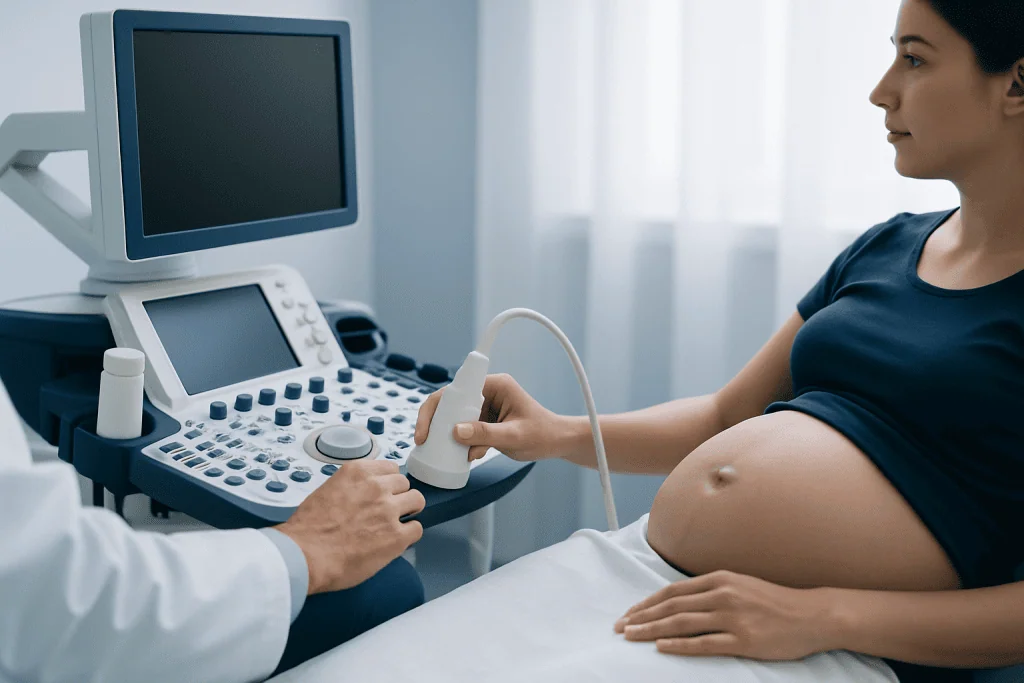
During pregnancy, hormonal changes help the body support the developing pregnancy. Estrogen and progesterone contribute to increased circulation in the uterus, cervix, vagina, and surrounding tissues. Blood volume also rises over the course of pregnancy, while veins in the pelvic region may become fuller.
Veins carry blood that contains less oxygen than arterial blood, which can give tissues a blue or purple appearance when the vessels are close to the surface. In the genital area, this increased vascularity may be visible to a clinician as Chadwick’s sign.
The degree of color change varies widely. Some pregnant people have a noticeable bluish hue during an examination, while others do not. Skin tone, natural tissue pigmentation, the examination environment, individual circulation, and the stage of pregnancy can all affect whether the sign is visible.
This is a normal physiologic change when it occurs in pregnancy and is not, by itself, harmful. However, color changes should always be interpreted in their full clinical context rather than viewed as a stand-alone finding.
When Does Chadwick's Sign Appear?

Chadwick’s sign may develop in the early weeks of pregnancy and is often described as becoming noticeable around the sixth to eighth week of gestation. Timing is not exact, however. It may be subtle, may appear later, or may not be apparent during an examination at all.
For this reason, its absence does not mean a person is not pregnant. Likewise, seeing a bluish color change does not establish that pregnancy is present. Modern pregnancy testing is far more accurate for confirming pregnancy, especially when performed at the appropriate time after a missed menstrual period.
A person cannot usually assess Chadwick’s sign reliably at home. The cervix and upper vaginal tissues are not easy to view safely without an examination, and trying to inspect them can lead to misunderstanding or irritation. A pelvic examination is only performed when it is clinically appropriate and with the person’s informed consent.
Is Chadwick's Sign Reliable for Diagnosing Pregnancy?
Chadwick’s sign alone is not reliable enough to diagnose pregnancy. It is a clinical clue rather than a confirmation. In current medical practice, clinicians combine a person’s menstrual history, symptoms, urine or blood testing for human chorionic gonadotropin (hCG), and ultrasound when needed.
Home urine pregnancy tests detect hCG, a hormone produced after implantation. A test is generally most dependable when used after a missed period and according to the product instructions. If the result is negative but pregnancy is still possible, repeating the test after several days or discussing the situation with a healthcare professional can be helpful.
A blood hCG test may detect pregnancy earlier than some urine tests and can be useful in selected circumstances. Ultrasound does not usually confirm a very early pregnancy immediately after conception, but it can help establish the location and development of a pregnancy once it is far enough along.
- Possible signs include missed periods, nausea, breast tenderness, fatigue, frequent urination, and findings such as Chadwick’s sign.
- Probable signs include a positive hCG test, though rare non-pregnancy causes of hCG can occur.
- Confirmatory evidence includes ultrasound visualization of an intrauterine pregnancy or detection of fetal cardiac activity at the appropriate stage.
Can Chadwick's Sign Occur Without Pregnancy?
Yes. A blue or purple appearance in genital tissues is not unique to pregnancy. Any situation that increases pelvic blood flow, enlarges veins, or causes venous congestion may contribute to a similar appearance. This is why clinicians do not use the sign as proof of pregnancy.
For example, hormonal changes during the menstrual cycle, use of hormonal medications, pelvic congestion, inflammation, or varicose veins around the vulva can alter the appearance of tissues. The meaning depends on the person’s symptoms, medical history, examination findings, and test results.
It is also important not to confuse a mild diffuse bluish color seen on examination with a new dark spot, lump, ulcer, rash, or area that is painful or bleeding. These findings need individual assessment because they can have different causes. A clinician may recommend examination, testing, or referral depending on what is found.
Online images and descriptions cannot determine the cause of a color change. Anyone who notices a new or concerning genital change should avoid self-diagnosis and seek advice from a qualified healthcare professional.
How Clinicians Assess Possible Early Pregnancy
When pregnancy is possible, the first step is usually to discuss the timing of the last menstrual period, sexual activity, contraception, symptoms, medications, and relevant health conditions. This conversation helps guide the most appropriate testing and next steps.
A urine pregnancy test is often sufficient initially. If symptoms are unusual, pregnancy timing is uncertain, or there is concern about an early pregnancy complication, a clinician may request a quantitative blood hCG test. This measures the amount of hCG and may be repeated to assess how levels change over time.
Pelvic examination is not required simply because someone has a positive home test. It may be useful when there is pelvic pain, bleeding, discharge, concern about infection, or another specific clinical reason. If an examination is performed, signs such as changes in cervical softness or color are interpreted alongside laboratory results and imaging.
Ultrasound may be recommended to confirm that a pregnancy is located in the uterus, estimate gestational age, or investigate symptoms. It is particularly important when a positive pregnancy test is accompanied by pain or bleeding, as these symptoms require assessment for conditions including ectopic pregnancy or miscarriage.
When to Seek Medical Care
Anyone with a missed period, a positive home pregnancy test, or possible pregnancy symptoms can arrange routine prenatal or primary care. Early care supports discussion of medical history, supplements such as folic acid where appropriate, medications, lifestyle factors, and the timing of any needed tests.
Urgent medical assessment is important for pregnancy-related bleeding, one-sided or severe lower abdominal pain, shoulder-tip pain, fainting, marked dizziness, fever, or feeling very unwell. These symptoms do not always indicate a serious problem, but they can require prompt evaluation, particularly if pregnancy is known or possible.
A person should also seek clinical advice for a new genital lump, persistent discoloration, sores, unusual discharge, itching, pain during sex, or symptoms that do not settle. A clinician can determine whether the change is hormonal, vascular, infectious, dermatologic, or related to another condition.
Acibadem International’s multidisciplinary specialists and JCI-accredited hospitals can assess pregnancy-related concerns and gynecologic symptoms for international patients when appropriate.
Frequently asked questions
What does Chadwick's sign look like?
Chadwick's sign is a blue, violet, or purplish tint of the cervix, vagina, or vulva. It is generally noticed by a healthcare professional during a pelvic examination rather than by a person at home.
Does Chadwick's sign mean someone is definitely pregnant?
No. It can occur during pregnancy, but it is not specific enough to confirm pregnancy. A urine or blood hCG test, and sometimes ultrasound, provide more reliable information.
How early can Chadwick's sign appear?
It may be noticeable in early pregnancy, often around six to eight weeks of gestation. The timing differs between individuals, and some pregnant people will not have a visible sign.
Can Chadwick's sign be checked at home?
It is not a practical or reliable sign to check at home because the cervix and upper vaginal tissues are difficult to see safely. A home pregnancy test is a more appropriate first step if pregnancy is suspected.
Is a bluish vaginal color always normal?
A mild diffuse color change can reflect increased blood flow, including during pregnancy, but it should not be assumed to be normal in every situation. New, painful, persistent, bleeding, or localized changes should be assessed by a healthcare professional.
What should someone do after a positive pregnancy test?
They should arrange prenatal care and discuss any current medications, chronic health conditions, or symptoms with a qualified clinician. Urgent care is needed for heavy bleeding, severe abdominal pain, fainting, shoulder pain, or severe dizziness.
References
- American College of Obstetricians and Gynecologists
- Merck Manual Professional Edition
- Mayo Clinic
- National Health Service
- World Health Organization
This article is for general information only and is not a substitute for professional medical advice. Please consult a qualified doctor about your individual situation.
Explore treatments in Turkey — costs, top hospitals & a free quote
JCI-accredited · board-certified surgeons · reply within 24h
Add us as a Preferred Source to see more of our trusted health content across Google Search, AI Overviews and Discover.