Friable Cervix: A Complete Medical Overview

A friable cervix describes easily irritated cervical tissue, not a specific disease. Cervical ectropion, hormonal changes, pregnancy, and infection are common causes.
Key Takeaways
- A friable cervix describes easily irritated cervical tissue, not a specific disease.
- Cervical ectropion, hormonal changes, pregnancy, and infection are common causes.
- Bleeding after sex, unusual discharge, pelvic discomfort, or bleeding between periods should be discussed with a clinician.
- Evaluation may include a pelvic examination, pregnancy test, cervical screening, and tests for sexually transmitted infections.
- Treatment depends on the cause; many people need reassurance, monitoring, or treatment for an underlying infection rather than a procedure.
A friable cervix means the surface of the cervix is delicate and bleeds more easily than expected when touched, such as during sex, a pelvic examination, or cervical screening. It is a clinical finding rather than a diagnosis; common causes are benign hormonal changes and inflammation, but assessment is important to identify infections, precancerous changes, or other conditions that may need treatment.
Overview: What Does a Friable Cervix Mean?
A friable cervix is a cervix that appears tender, inflamed, or prone to bleeding when it is gently touched during a pelvic examination, cervical screening test, or intercourse. The cervix is the lower, narrow part of the uterus that opens into the vagina. Its surface normally has a protective layer of cells, but this tissue can become more delicate under certain hormonal or inflammatory conditions.
Importantly, cervical friability is a physical finding, not a diagnosis on its own. It may explain spotting after sex or light bleeding following an examination, but some people have no symptoms and learn about it only during a routine check-up. In many cases, the cause is not serious. However, because several conditions can produce similar symptoms, a clinician should assess persistent or unexplained bleeding.
The purpose of evaluation is to identify the underlying reason for the tissue change. This may range from a normal hormonal effect to cervicitis, which is inflammation of the cervix, or less commonly abnormal cervical cells. A timely examination can usually clarify the cause and guide appropriate care.
Symptoms and Changes a Person May Notice
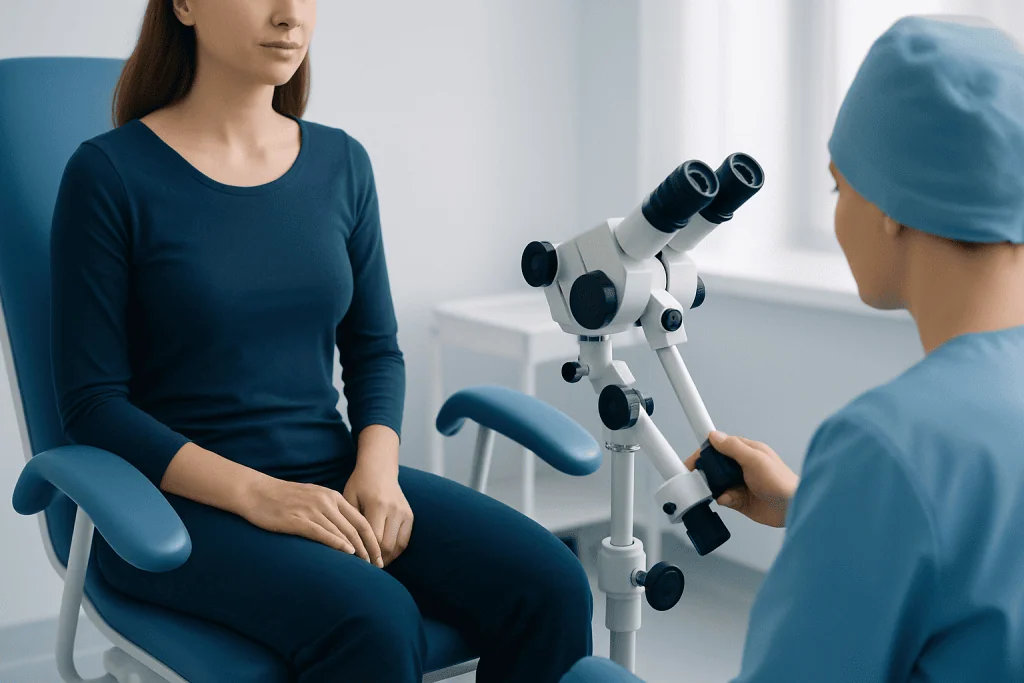
Some people with a friable cervix do not notice any changes. When symptoms are present, the most common is light vaginal bleeding or spotting after vaginal sex. Bleeding can also occur after a pelvic examination, use of a tampon, or cervical screening. It is often small in amount, but any new pattern of bleeding deserves attention.
Other symptoms depend on the underlying cause. Cervical inflammation or an infection may cause vaginal discharge that is new, increased, yellow or green, or has an unusual odor. Some people may also experience discomfort during sex, pelvic pressure, burning with urination, itching, or lower abdominal pain. These symptoms are not specific to a friable cervix and can occur with several gynecological conditions.
Hormonal changes, including those associated with pregnancy or hormonal contraception, may make the cervix more prone to bleeding without causing pain or abnormal discharge. Menstrual bleeding is different from bleeding from the cervix, although the two can be difficult to distinguish. Keeping track of timing, amount, triggers, and accompanying symptoms can help the clinician evaluate the concern.
- Spotting after sex or a pelvic examination
- Bleeding between periods
- New or unusual vaginal discharge
- Pelvic pain, pain during sex, or urinary discomfort
- Symptoms of a possible sexually transmitted infection, such as discharge or burning
Common Causes and Risk Factors
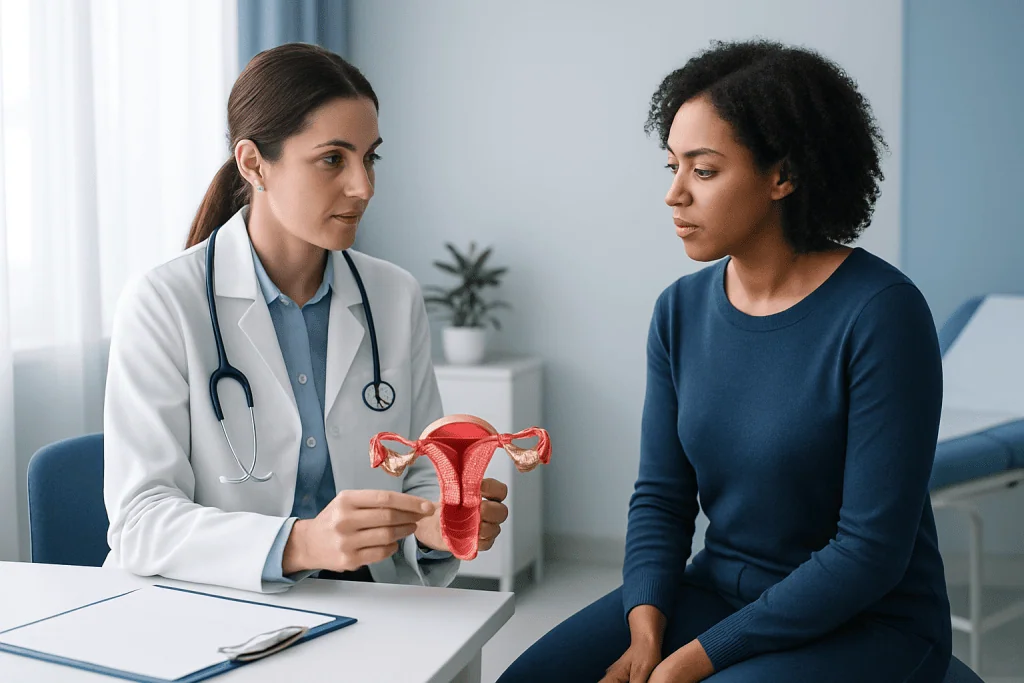
One frequent benign cause is cervical ectropion, sometimes called cervical erosion. In ectropion, soft glandular cells that usually line the cervical canal are present on the outer surface of the cervix. These cells are naturally more delicate and can bleed on contact. Ectropion is common during reproductive years, pregnancy, and use of estrogen-containing hormonal contraception; it is not cancer and is not caused by poor hygiene.
Another important cause is cervicitis, or inflammation of the cervix. Cervicitis can result from sexually transmitted infections such as chlamydia, gonorrhea, or trichomoniasis. It may also occur with bacterial imbalance, irritation from vaginal products, a retained tampon or other foreign body, or less commonly an allergy or chemical sensitivity. Not all cervical inflammation is caused by a sexually transmitted infection, and testing helps distinguish the possible causes.
Hormonal shifts around pregnancy, puberty, perimenopause, or changes in contraception can alter the cervix and increase contact bleeding. Cervical polyps, which are usually noncancerous growths, may also bleed easily. Less commonly, friability can be associated with abnormal cervical cell changes or cervical cancer. This is why regular cervical screening and assessment of unusual bleeding remain important, even though most cases have a noncancerous explanation.
How a Friable Cervix Is Evaluated
A clinician will begin by asking about bleeding, menstrual patterns, pregnancy possibility, contraception, sexual health, discharge, pain, medications, and prior cervical screening results. A pelvic examination allows the clinician to look at the vagina and cervix and to assess whether there is irritation, discharge, a polyp, a visible lesion, or bleeding from another source.
Tests are selected according to the person’s symptoms, age, medical history, and examination findings. These may include a pregnancy test, swabs for sexually transmitted infections, and testing for vaginal infections. A cervical screening test, such as a Pap test and/or human papillomavirus (HPV) test depending on local guidelines, may be recommended if it is due or if there are concerns about cervical cell changes.
If the cervix looks unusual, bleeding persists, screening results are abnormal, or the cause remains uncertain, referral for colposcopy may be advised. Colposcopy is a closer examination of the cervix using magnification. A small biopsy may be taken if an area needs further assessment. These steps are used to investigate the cause carefully; they do not mean that cancer is expected.
Treatment Options Depend on the Cause
There is no single treatment for a friable cervix because treatment is directed at the underlying cause. If examination and testing suggest cervical ectropion and symptoms are mild, no treatment may be needed. The tissue often changes naturally over time, particularly when hormonal influences change. A clinician may discuss whether a different contraceptive method could be appropriate if bleeding is troublesome and appears related to hormonal contraception.
If testing identifies an infection, the clinician will prescribe the appropriate medicine and may recommend treatment or testing for sexual partners, depending on the infection. It is important to complete treatment as directed and follow advice about avoiding sex or using barrier protection until treatment is complete. Follow-up testing may be needed for some sexually transmitted infections.
When ectropion causes persistent, bothersome contact bleeding after other causes have been excluded, a gynecologist may discuss treatments that seal or remove the delicate surface cells, such as cautery or cryotherapy. These procedures are not routinely required. Polyps can often be removed and examined in a laboratory. Abnormal cervical cells are managed according to biopsy findings and established cervical care guidelines.
People should avoid self-treating unexplained bleeding with vaginal antiseptics, douches, or unverified products. These can irritate tissues and disrupt the normal vaginal environment. A qualified clinician can provide care that is appropriate for the individual cause and reproductive plans.
Self-Care, Prevention, and Follow-Up
Not every cause of cervical friability can be prevented, particularly normal hormonal changes and pregnancy-related changes. However, regular cervical screening according to national recommendations is an effective way to detect cervical cell changes before they become more serious. HPV vaccination, when appropriate, also helps protect against HPV types linked with many cervical cancers and genital warts.
Using condoms or other barrier methods can reduce the risk of sexually transmitted infections, although they do not eliminate risk completely. Limiting exposure to irritants may also help: avoid douching, fragranced vaginal sprays, and harsh intimate products. The vagina is self-cleaning, and washing the external genital area gently with water or a mild, unscented product is generally sufficient.
After an examination, cervical screening test, or treatment, light spotting may occur briefly. A clinician should explain what to expect and when normal activities, tampons, or intercourse can be resumed. Follow-up is particularly important after treatment for an infection, an abnormal screening result, a polyp, or a cervical procedure.
Acibadem International’s multidisciplinary specialists and JCI-accredited hospitals can assess cervical symptoms and coordinate gynecological, screening, laboratory, and follow-up care for international patients.
When to Seek Medical Care
It is sensible to arrange a non-urgent medical appointment for bleeding after sex that happens more than once, bleeding between periods, a change in vaginal discharge, or pelvic pain. An appointment is also appropriate if a clinician has told someone that the cervix is friable and the cause has not yet been explained. People should not assume that recurrent spotting is simply a normal effect of contraception without discussing it with a healthcare professional.
Prompt medical advice is especially important during pregnancy if there is any vaginal bleeding, even though cervical changes in pregnancy are often benign. Pregnant people should contact their maternity team or obstetric clinician so the source of bleeding can be assessed safely.
Urgent care is needed for heavy bleeding that soaks pads rapidly, severe or worsening abdominal or pelvic pain, fainting, dizziness, fever, or feeling very unwell. These symptoms may have causes beyond the cervix and should be evaluated without delay. Anyone concerned about possible exposure to a sexually transmitted infection should seek testing and advice promptly.
Frequently asked questions
Is a friable cervix cancer?
No. A friable cervix is not cancer; it is a description of cervical tissue that bleeds easily when touched. Benign hormonal changes, cervical ectropion, and inflammation are common explanations. However, persistent contact bleeding should be assessed so that abnormal cervical cells and other less common causes can be ruled out.
Can a friable cervix cause bleeding after sex?
Yes. Delicate cervical tissue may bleed after friction or contact during vaginal sex, producing light pink, red, or brown spotting. Other causes of bleeding after sex are also possible, so repeated episodes should be discussed with a clinician.
Can a friable cervix be caused by an STI?
Yes. Some sexually transmitted infections, including chlamydia and gonorrhea, can cause cervicitis, which may make the cervix inflamed and prone to bleeding. Testing is the only reliable way to identify an infection, because many STIs cause few or no symptoms.
Is a friable cervix common in pregnancy?
Cervical tissue often becomes softer and has a greater blood supply during pregnancy, so light contact bleeding can occur more easily. Even so, any bleeding in pregnancy should be reported to a maternity care provider, who can determine whether further assessment is needed.
Does cervical ectropion need treatment?
Cervical ectropion usually does not need treatment if it is not causing troublesome symptoms. If it causes persistent bleeding or discharge after infections and other concerns have been excluded, a gynecologist may discuss options such as changing contraception or treating the affected surface tissue.
Can a Pap test show why the cervix is friable?
A Pap test helps identify abnormal cervical cells, while an HPV test looks for types of HPV associated with cervical cell changes. These tests may be part of the assessment, but they do not diagnose every cause of friability. Examination and infection testing may also be needed.
References
- American College of Obstetricians and Gynecologists
- Centers for Disease Control and Prevention
- World Health Organization
- National Cancer Institute
- National Health Service
This article is for general information only and is not a substitute for professional medical advice. Please consult a qualified doctor about your individual situation.
Explore treatments in Turkey — costs, top hospitals & a free quote
JCI-accredited · board-certified surgeons · reply within 24h
Add us as a Preferred Source to see more of our trusted health content across Google Search, AI Overviews and Discover.

More from the Health Library

Clear Eyeballs: What Patients Need to Know

Cucumber: A Complete Medical Overview

Quercetin: An Evidence-Based Guide for Patients

Paroxysmal Atrial Fibrillation — Explained by Medical Evidence, Not Myths

Vacterl and Vater: A Complete Medical Overview