Sticky Excrement: A Complete Medical Overview

Sticky excrement is a description of stool texture, not a diagnosis. Diet changes, constipation, dehydration, infections, and some medicines can temporarily change stool consistency.
Key Takeaways
- Sticky excrement is a description of stool texture, not a diagnosis.
- Diet changes, constipation, dehydration, infections, and some medicines can temporarily change stool consistency.
- Greasy, floating, pale, difficult-to-flush stool may suggest excess fat in the stool and should be discussed with a clinician if it continues.
- Blood, black tar-like stool, severe abdominal pain, jaundice, fever, or unexplained weight loss require prompt medical advice.
- A stool diary can help a doctor identify patterns involving food, symptoms, medicines, and bowel habits.
Sticky excrement, also called sticky stool, can occur when stool contains more fat or mucus than usual, moves slowly through the bowel, or is affected by diet and hydration. A short-lived change is often not serious, but persistent sticky, greasy, pale, bloody, or unusually foul-smelling stool deserves medical assessment.
What does sticky excrement mean?
Sticky excrement describes stool that is unusually adhesive, difficult to wipe, hard to flush, or leaves residue in the toilet bowl. It is a common observation and does not, by itself, identify a medical condition. Stool texture naturally varies with what a person eats, how much fluid they drink, the speed at which waste moves through the intestine, and temporary changes in gut bacteria.
In many cases, sticky stool is brief and follows a change in meals, alcohol intake, travel, stress, constipation, or a mild stomach infection. However, the appearance matters. Stool that looks oily or greasy, floats repeatedly, is very pale, or has a particularly strong smell may contain excess fat. This pattern is different from ordinary sticky stool and can indicate that the body is not digesting or absorbing fats normally.
Mucus can also make stool seem sticky or gelatinous. A small amount of clear mucus may be normal because the bowel produces mucus to help stool pass. Larger amounts, mucus accompanied by diarrhea or pain, or mucus mixed with blood should be evaluated. The most useful approach is to consider the whole pattern: how long the change has lasted, whether there are other symptoms, and whether bowel habits have changed significantly.
How normal digestion affects stool texture
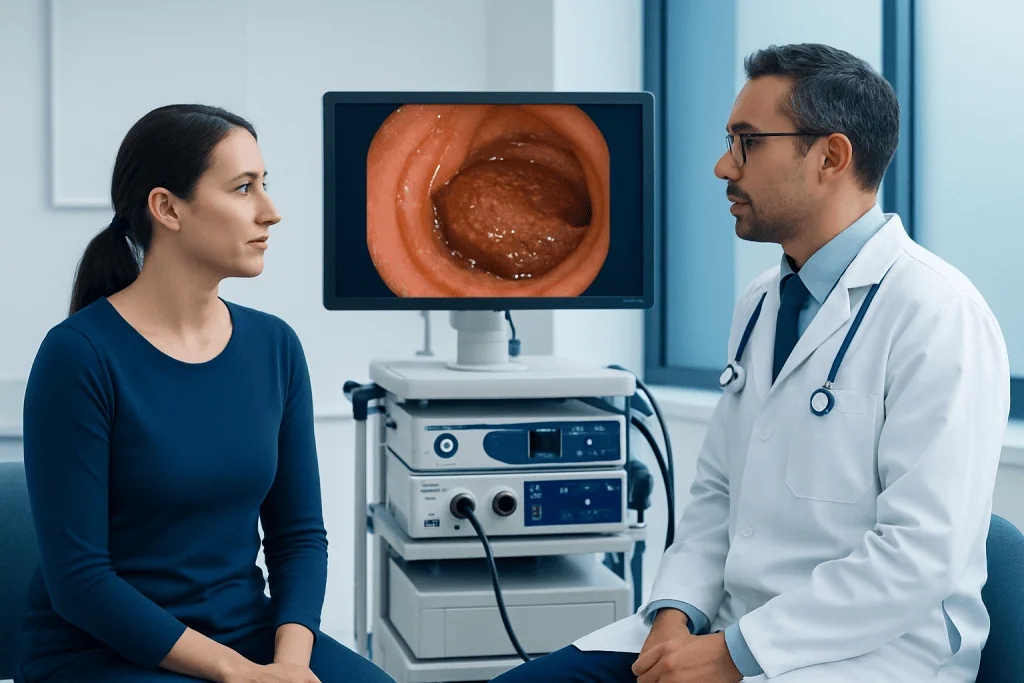
Stool is made mostly of water, undigested food material, bacteria, fiber, and cells shed from the intestinal lining. The small intestine absorbs most nutrients, including fats, while the large intestine reabsorbs water and forms stool. When these processes are working normally, stool is generally soft, formed, and easy to pass.
Stool can become sticky when it contains more moisture-retaining material, mucus, or fat. Constipation may contribute because stool remains in the colon longer, allowing more water to be absorbed. The resulting stool can be firm, bulky, and difficult to clean. Conversely, loose stool may leave residue because it is less well formed, especially after high-fat meals, spicy foods, or temporary intestinal irritation.
Dietary fat does not automatically cause a problem. After a richer-than-usual meal, some people notice a temporary change in stool texture. Persistent greasy stool is different: it may be bulky, light-colored, oily, floating, and difficult to flush. Clinicians may refer to fat in the stool as steatorrhea. This finding can point to disorders affecting the pancreas, liver, bile ducts, or small intestine, but testing is needed to determine the cause.
Common reasons for sticky stool

Everyday factors are frequent explanations for sticky excrement. A diet high in fried foods, oils, rich sauces, processed foods, or low in fiber can change stool appearance. Not drinking enough fluids may contribute to constipation and make bowel movements more difficult. Sudden changes in fiber intake can also alter stool for a few days while the digestive system adjusts.
Short-term digestive illnesses can cause mucus, urgency, loose stool, and residue. Viral gastroenteritis, foodborne illness, and some bacterial infections may temporarily inflame the bowel. Antibiotics and other medicines can affect the normal gut microbiome or bowel movement patterns. Iron supplements may darken stool, while some antacids, anti-diarrheal medicines, and pain medicines can contribute to constipation.
Some ongoing digestive conditions may also lead to altered stool. Irritable bowel syndrome can cause constipation, diarrhea, bloating, and visible mucus, although it does not usually cause greasy stool or bleeding. Food intolerances, including lactose intolerance in susceptible people, can lead to loose, gassy stools after certain foods. Inflammatory bowel disease, such as Crohn’s disease or ulcerative colitis, may cause diarrhea, mucus, urgency, abdominal pain, and sometimes blood; these symptoms need medical review rather than self-diagnosis.
Conditions that reduce fat digestion or absorption are less common but important to identify. Examples include celiac disease, pancreatic disorders, blockage or reduced flow of bile, and certain intestinal diseases. These conditions may cause persistent greasy stool alongside weight loss, fatigue, bloating, nutrient deficiencies, or abdominal discomfort.
Signs that can help distinguish the cause
The color, frequency, and accompanying symptoms of sticky stool provide useful clues. Brown stool is generally expected because bile pigments are processed in the intestine. Green stool may occur when food moves quickly through the bowel or after eating green foods. Yellow, pale, clay-colored, or gray stool can have dietary causes, but persistent pale stool may signal reduced bile reaching the intestine and should be assessed.
Greasy stool often appears shiny or oily, may float, may be difficult to flush, and can have a stronger odor than usual. These features are more suggestive of fat malabsorption than simple constipation. Symptoms such as recurrent upper abdominal pain, nausea after fatty food, loss of appetite, jaundice, dark urine, or unintended weight loss add important clinical context.
Visible mucus may look clear, white, yellowish, or jelly-like. Small occasional amounts can occur without disease, particularly with constipation. Recurrent mucus with persistent diarrhea, rectal bleeding, fever, night-time bowel symptoms, or weight loss is not something to ignore. Bright red blood may come from hemorrhoids or small tears near the anus, but it still warrants advice if it is new, recurrent, substantial, or associated with other symptoms.
Black, tar-like stool is different from stool merely darkened by foods or iron. It can indicate bleeding higher in the digestive tract, especially if it is sticky, foul-smelling, and accompanied by weakness, dizziness, or abdominal pain. Urgent medical assessment is appropriate in this situation.
How doctors evaluate persistent sticky excrement
A doctor will usually begin with a detailed history. They may ask when the stool change began, how often it happens, whether it floats or appears oily, and whether there is pain, diarrhea, constipation, fever, vomiting, weight change, or blood. Diet, recent travel, alcohol intake, supplements, prescription medicines, family history, and prior digestive conditions can all be relevant.
A physical examination may include checking the abdomen for tenderness or swelling and looking for signs of dehydration, anemia, or jaundice. Depending on the symptoms, the clinician may recommend blood tests to assess inflammation, liver function, pancreatic function, anemia, nutritional status, or celiac disease. Stool testing can check for infection, inflammation, blood, or excess fat.
Further tests are not needed for every temporary stool change. When symptoms persist or warning signs are present, imaging studies or endoscopic procedures may be considered to examine the digestive tract, pancreas, liver, gallbladder, or bile ducts. The choice of test depends on the individual pattern and is best guided by a qualified clinician.
Keeping a simple record before an appointment can be helpful. This may include photographs only if the person is comfortable sharing them with their clinician, a note of stool color and consistency, bowel frequency, foods eaten, medicines taken, and associated symptoms. Such information can make patterns easier to recognize and may prevent unnecessary testing.
Practical self-care while monitoring symptoms
For a mild, short-lived change in stool without warning signs, supportive measures may help. Drinking adequate water, eating regular meals, and including fiber-containing foods such as vegetables, fruit, legumes, and whole grains can support regular bowel movements. Fiber should be increased gradually, since a sudden increase may worsen gas or bloating in some people.
It may be useful to limit very high-fat or heavily processed meals for several days and observe whether the stool returns to normal. People should not eliminate major food groups long term without medical guidance, particularly if they are losing weight or suspect an intolerance. If a specific food repeatedly triggers symptoms, a clinician or registered dietitian can help evaluate it safely.
Regular movement, responding to the urge to have a bowel movement, and allowing enough time in the bathroom may reduce constipation. Over-the-counter laxatives, anti-diarrheal medicines, digestive enzymes, or supplements are not appropriate for everyone. A pharmacist or doctor can advise whether a product is suitable, especially for people who are pregnant, older, have chronic illnesses, or take regular medicines.
Self-care should not delay assessment when sticky stool is persistent, greasy, or accompanied by concerning symptoms. The goal is not to judge stool appearance alone, but to notice whether it represents a meaningful and sustained change from the person’s usual bowel pattern.
When to seek medical care
Medical advice is recommended if sticky excrement lasts longer than one to two weeks, recurs frequently, or is accompanied by ongoing diarrhea, constipation, bloating, abdominal pain, nausea, or fatigue. An appointment is also sensible for stool that repeatedly appears oily, floats, is unusually pale, or is difficult to flush, particularly when there is unexplained weight loss or reduced appetite.
Prompt medical care is important for black tar-like stool, a large amount of blood in stool, vomiting blood, severe or worsening abdominal pain, high fever, fainting, marked weakness, confusion, or signs of dehydration such as very little urine and dizziness. Yellowing of the skin or eyes, dark urine, and pale stool should also be assessed promptly because they can be signs of a bile-flow or liver-related problem.
Children, older adults, pregnant people, and individuals with immune system conditions may need earlier advice when diarrhea, dehydration, or persistent bowel changes occur. Anyone with a personal or family history of inflammatory bowel disease, celiac disease, colorectal cancer, pancreatic disease, or liver disease should mention this to their doctor.
Acibadem International’s multidisciplinary specialists and JCI-accredited hospitals can assess digestive symptoms and coordinate appropriate testing and treatment for international patients. A medical evaluation can provide reassurance when the cause is minor and help identify conditions that benefit from timely care.
Frequently asked questions
Is sticky excrement normal?
An occasional sticky bowel movement can be normal, particularly after dietary changes, constipation, or a rich meal. It becomes more important to discuss with a doctor if it persists, recurs often, or comes with pain, weight loss, diarrhea, blood, or pale or greasy stool.
Why is my stool sticky and hard to wipe?
Sticky stool may result from food choices, low fluid intake, constipation, mucus, or loose stool that leaves residue. If the stool also looks oily, floats often, or is particularly foul-smelling, a clinician may consider whether fat digestion or absorption is affected.
Does sticky stool mean there is fat in the stool?
Not always. Sticky stool can occur for several ordinary reasons, but greasy, shiny, floating, bulky, and difficult-to-flush stool is more suggestive of excess fat. Testing may be needed to confirm whether fat malabsorption is present and to find its cause.
Can constipation cause sticky stool?
Yes. When stool moves slowly through the colon, it may become harder, more compact, and more difficult to clean. Improving hydration, physical activity, and gradual fiber intake can help many people, although persistent constipation should be reviewed by a healthcare professional.
When is sticky stool an emergency?
Urgent care is needed for black tar-like stool, significant rectal bleeding, vomiting blood, severe abdominal pain, fainting, confusion, or severe dehydration. Pale stool with yellow skin or eyes and dark urine also needs prompt assessment.
Should a person change their diet for sticky excrement?
A person can try regular meals, adequate fluids, and a gradual increase in fiber while temporarily reducing very rich or high-fat foods. Long-term restrictive diets should not be started without professional advice, especially if symptoms are persistent or there is unintended weight loss.
References
- National Institute of Diabetes and Digestive and Kidney Diseases
- Mayo Clinic
- American College of Gastroenterology
- National Health Service
- Cleveland Clinic
This article is for general information only and is not a substitute for professional medical advice. Please consult a qualified doctor about your individual situation.
Persistent digestive symptoms? Get evaluated in Turkey
JCI-accredited · board-certified surgeons · reply within 24h
Add us as a Preferred Source to see more of our trusted health content across Google Search, AI Overviews and Discover.