

How to Stop Liver Pain Immediately and When to Seek Care

There is no safe instant treatment for unexplained liver-area pain; the best immediate step is to avoid triggers and assess for warning signs. Many episodes of discomfort under the right ribs are not caused by the liver itself and may relate to muscles, digestion, or the gallbladder.
Key Takeaways
- There is no safe instant treatment for unexplained liver-area pain; the best immediate step is to avoid triggers and assess for warning signs.
- Many episodes of discomfort under the right ribs are not caused by the liver itself and may relate to muscles, digestion, or the gallbladder.
- Jaundice, fever, repeated vomiting, confusion, severe pain, chest symptoms, or a swollen abdomen need urgent medical assessment.
- Avoid alcohol and do not take extra pain medicines, herbal remedies, or supplements without medical guidance when liver disease is possible.
- A clinician may use an examination, blood tests, ultrasound, and sometimes other imaging to identify the source of pain.
Pain felt near the liver often improves with rest, avoiding alcohol and rich foods, and arranging medical advice if it persists. However, severe or worsening upper-right abdominal pain can come from the gallbladder, liver, pancreas, lungs, muscles, or other nearby structures, so the cause matters more than trying to mask the symptom.
How to Stop Liver Pain Immediately
For mild discomfort felt in the upper-right abdomen, the safest immediate measures are to stop strenuous activity, rest in a comfortable position, sip water if tolerated, and avoid alcohol, heavy meals, and non-essential supplements. Many short-lived aches in this area are not caused by the liver itself and can be related to indigestion, muscle strain, or nearby organs. If the discomfort is mild and settles quickly, it may not be serious.
There is no reliable home treatment that can safely “stop” true liver pain immediately, because the correct treatment depends on the cause. It is best not to take additional pain medication simply to cover up new abdominal pain, particularly for people with known liver disease, heavy alcohol use, kidney disease, stomach ulcers, or regular medicines. A pharmacist or doctor can advise which options are appropriate for the individual.
Urgent assessment is needed if pain is severe, sudden, persistent, or worsening, or if it occurs with fever, yellowing of the eyes or skin, vomiting, fainting, confusion, breathing difficulty, chest pain, or a rigid or swollen abdomen. These symptoms do not always indicate a liver condition, but they should not be managed at home.
What People Mean by “Liver Pain”
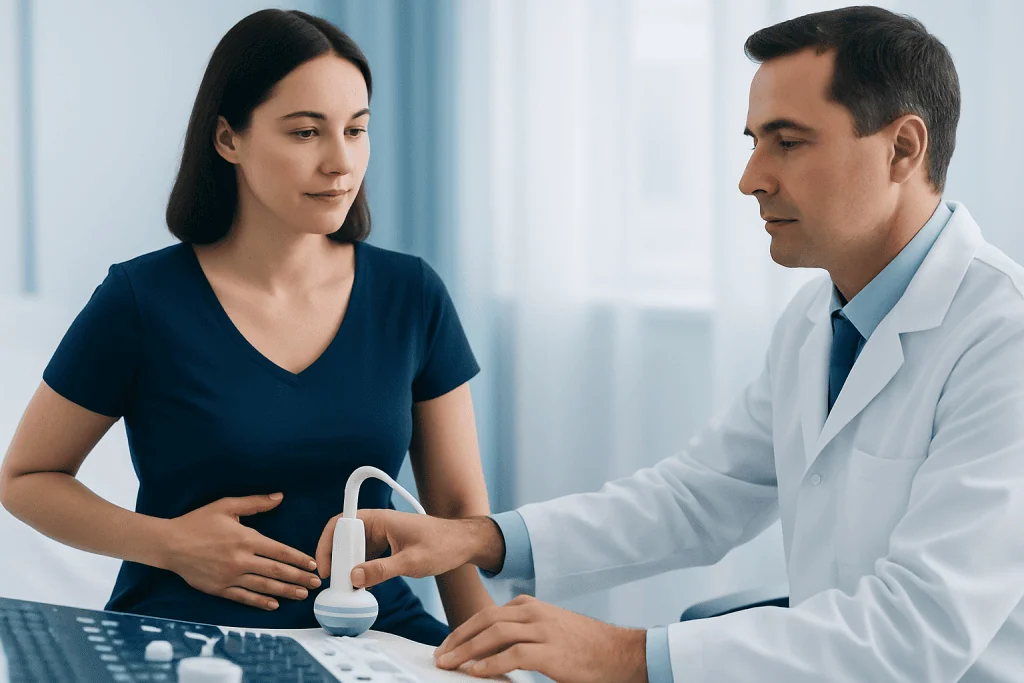
The liver sits mainly in the upper-right part of the abdomen, beneath the rib cage. Discomfort described as liver pain is often felt below the right ribs or in the upper middle abdomen. It may feel like pressure, fullness, a dull ache, tenderness, or occasionally sharper pain. The liver itself has few pain-sensitive nerves; pain can occur when its outer covering is stretched because of inflammation or enlargement.
Importantly, the same location contains the gallbladder, bile ducts, part of the intestine, the right kidney, abdominal muscles, and the lower edge of the right lung. Gallbladder problems are a common reason for pain after a fatty meal, while a pulled muscle may hurt more with movement, coughing, or pressing on the area. Gas, reflux, constipation, and stomach conditions can also cause upper abdominal discomfort.
Symptoms alone cannot confirm whether the liver is involved. The timing, severity, food triggers, recent illness, medicines, alcohol intake, travel, pregnancy status, and associated symptoms all help a clinician distinguish between possible causes.
When to Seek Medical Care
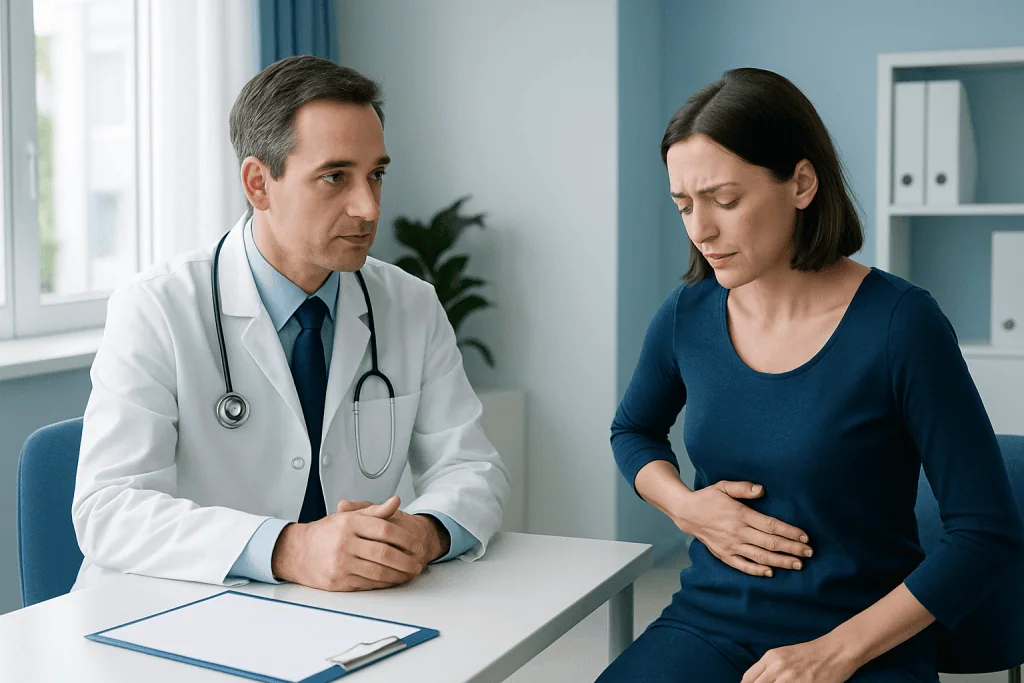
Emergency medical care is appropriate for intense or rapidly worsening abdominal pain, especially if a person cannot get comfortable, has a high fever, repeated vomiting, faints, becomes confused, or has trouble breathing. Immediate help is also important for pain following a significant injury, pain with chest pressure or sweating, or vomiting blood or passing black stools.
Same-day medical assessment is advisable for yellow eyes or skin, dark urine, pale stools, new swelling of the abdomen or legs, persistent itching with jaundice, or pain that lasts more than several hours. These signs can be associated with a problem affecting bile flow, the liver, or another abdominal organ and should be evaluated promptly.
A non-urgent appointment is still worthwhile when discomfort keeps returning, follows meals repeatedly, lasts for more than a few days, or occurs alongside unexplained fatigue, reduced appetite, nausea, weight loss, or changes in bowel habits. Early assessment can often identify manageable causes before symptoms become more disruptive.
Possible Causes of Pain Near the Liver
Common causes of right-upper abdominal discomfort include gallstones, gallbladder inflammation, acid reflux, stomach or intestinal conditions, constipation, trapped gas, and strains of the abdominal or chest-wall muscles. Gallbladder pain may start after eating, particularly after a rich meal, and can spread toward the right shoulder or back. A clinician can determine whether these patterns fit the individual situation.
Liver-related causes can include inflammation from viral hepatitis, alcohol-related liver disease, metabolic dysfunction-associated steatotic liver disease, formerly called fatty liver disease, medication or supplement-related liver injury, and less commonly a blockage of the bile ducts or a liver mass. These conditions do not always cause pain. In fact, many chronic liver conditions remain silent until blood tests or imaging reveal changes.
Risk factors worth discussing with a doctor include heavy alcohol use, obesity or diabetes, high cholesterol or triglycerides, previous hepatitis infection, recent travel or exposure risks, a family history of liver conditions, and use of new prescription medicines, over-the-counter medicines, bodybuilding products, or herbal preparations. Having a risk factor does not mean a person has liver disease, but it can guide appropriate testing.
How a Doctor Finds the Cause
A doctor usually begins by asking where the pain is located, when it started, what makes it better or worse, and whether it is linked to eating, movement, alcohol, illness, or medication use. They will also ask about nausea, fever, bowel changes, urinary symptoms, jaundice, and previous health conditions. A physical examination can help identify tenderness, abdominal swelling, muscle pain, or signs of dehydration or infection.
Blood tests may check liver enzymes, bilirubin, blood count, inflammation markers, kidney function, pancreatic enzymes, and markers of viral hepatitis when clinically appropriate. Abnormal liver blood tests do not diagnose one specific condition by themselves; doctors interpret them alongside symptoms, examination findings, and medical history.
An abdominal ultrasound is often a useful first imaging test because it can assess the liver, gallbladder, bile ducts, and kidneys without radiation. Depending on the findings, further tests may include CT, MRI, specialized bile-duct imaging, or tests that assess liver stiffness. This stepwise approach helps avoid unnecessary testing while ensuring important conditions are not overlooked.
Treatment Depends on the Diagnosis
Once the cause is known, treatment is directed at that cause rather than at the pain alone. For example, a muscle strain may improve with activity modification and clinician-approved pain relief, while reflux or indigestion may be managed with dietary adjustments and appropriate medicines. Gallbladder disease, infection, bile-duct blockage, and inflammatory conditions may require more specific treatment.
If a liver condition is identified, treatment may involve stopping alcohol, reviewing medicines and supplements, managing metabolic health, treating a viral infection when present, or addressing a bile-flow problem. People should not stop prescribed medicines without advice, but they should tell their clinician about everything they take, including vitamins, teas, powders, and non-prescription products.
For people travelling for care, Acibadem International’s multidisciplinary specialists and JCI-accredited hospitals can assess abdominal symptoms and coordinate diagnostic and treatment planning for international patients. The appropriate care plan should always follow an individual medical evaluation.
Prevention and Safe Self-Care While Waiting for Advice
Until medical advice is available, it is sensible to avoid alcohol, recreational drugs, and unnecessary supplements. Choosing smaller, lighter meals may reduce discomfort that follows eating, particularly while gallbladder or digestive causes are being considered. Drinking fluids regularly is reasonable unless a clinician has advised fluid restriction for another health condition.
Keeping a brief symptom record can be helpful. A person can note the time pain begins, its location and intensity, meals eaten beforehand, whether movement changes it, associated symptoms, and all medicines or supplements used. This information can make a medical consultation more efficient and may reveal patterns such as pain after fatty foods or after physical exertion.
Longer-term liver health is supported by limiting or avoiding alcohol, maintaining a weight that is appropriate for the individual, staying physically active, managing diabetes and cholesterol when relevant, and receiving recommended vaccinations. These habits support overall health but should not replace assessment of ongoing or recurrent pain.
Frequently asked questions
Can liver pain go away on its own?
Mild discomfort in the upper-right abdomen can sometimes settle on its own, especially when it is caused by gas, indigestion, or a minor muscle strain. However, recurring, persistent, severe, or worsening pain should be assessed because the area contains several organs and symptoms alone cannot identify the cause.
What does liver pain feel like?
People may describe it as a dull ache, pressure, fullness, or tenderness under the right rib cage or in the upper abdomen. The sensation may also come from the gallbladder, stomach, bowel, muscles, kidney, or lung, so its location does not prove that the liver is the source.
Should a person take pain medicine for suspected liver pain?
It is best to seek advice from a doctor or pharmacist before taking additional pain medicine for new abdominal pain, especially when liver disease is suspected or alcohol has been used heavily. Some medicines, combinations of medicines, and supplements can be unsafe in certain liver, kidney, stomach, or bleeding conditions.
Can fatty liver cause pain on the right side?
Metabolic dysfunction-associated steatotic liver disease often causes no symptoms. Some people may experience fatigue or vague upper-right abdominal discomfort, but stronger pain should not automatically be attributed to fatty liver because gallbladder and digestive causes may also need evaluation.
When is right-side abdominal pain an emergency?
Emergency care is needed for severe or rapidly worsening pain, especially with fever, repeated vomiting, fainting, confusion, chest pain, breathing difficulty, abdominal rigidity, or signs of bleeding. Yellow skin or eyes, dark urine, pale stools, and significant abdominal swelling also require prompt medical attention.
Can alcohol cause liver-area pain?
Alcohol can contribute to inflammation and liver injury over time, and it can also irritate the stomach or pancreas, which may cause abdominal pain. Anyone with liver-area discomfort should avoid alcohol until they have been assessed, particularly if symptoms are persistent or accompanied by nausea, jaundice, or fatigue.
References
- American College of Gastroenterology
- American Liver Foundation
- National Institute of Diabetes and Digestive and Kidney Diseases
- U.S. Centers for Disease Control and Prevention
- World Health Organization
This article is for general information only and is not a substitute for professional medical advice. Please consult a qualified doctor about your individual situation.
Persistent digestive symptoms? Get evaluated in Turkey
JCI-accredited · board-certified surgeons · reply within 24h
Add us as a Preferred Source to see more of our trusted health content across Google Search, AI Overviews and Discover.

More from the Health Library



Related Specialists

Prof. Dr. Hatem Hakan Selçuk
Radiology
Dr. Shahad Abdulhadı Abdulrahman Al Amoudı
Inpatient Clinic Physicians
Prof. Dr. Sinan Zeren
Urology
Prof. Dr. Ergün Seyfeli
Cardiology