What Is Rh Factor in Blood and Pregnancy Care?

Rh factor is part of a person’s blood type and is inherited from their parents. People are described as Rh-positive when the D antigen is present and Rh-negative when it is absent.
Key Takeaways
- Rh factor is part of a person’s blood type and is inherited from their parents.
- People are described as Rh-positive when the D antigen is present and Rh-negative when it is absent.
- Rh status does not cause symptoms or indicate illness.
- Rh incompatibility can matter during pregnancy if an Rh-negative pregnant person carries an Rh-positive fetus.
- Blood tests identify Rh status and screen for antibodies that could affect a pregnancy or transfusion.
- Rh immunoglobulin can usually prevent Rh sensitization in eligible Rh-negative pregnancies.
Rh factor is an inherited marker on red blood cells. It is usually harmless in everyday life, but knowing whether someone is Rh-positive or Rh-negative helps clinicians provide compatible blood transfusions and protect certain pregnancies.
Overview: What Is Rh Factor?
Rh factor, also called the Rhesus factor, is a protein marker that may be present on the surface of red blood cells. A person who has the most clinically important Rh marker, called the D antigen, is Rh-positive. A person without it is Rh-negative. Rh status is a normal inherited trait, not a disease, and it does not usually affect day-to-day health or cause any symptoms.
Rh factor is considered alongside the ABO blood group, such as A, B, AB, or O. This creates familiar blood types including O-positive, A-negative, and AB-positive. Healthcare teams check both ABO and Rh type to help make blood transfusions as safe as possible and to guide care during pregnancy.
For most people, finding out they are Rh-negative is simply useful medical information. It needs particular attention if they may receive blood or are pregnant, because the immune system can sometimes form antibodies after exposure to Rh-positive red blood cells. With routine testing and preventive care, clinicians can identify and manage this situation effectively.
Why Rh Status Matters in Pregnancy and Transfusions
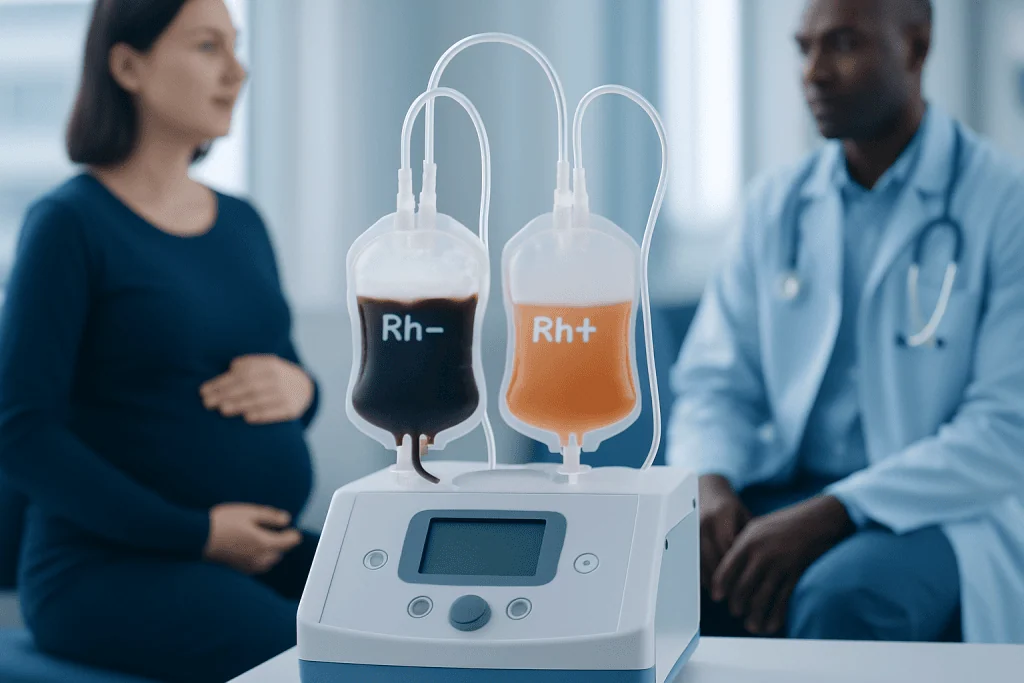
Rh status matters because the immune system may recognize Rh-positive red blood cells as unfamiliar when they enter the bloodstream of an Rh-negative person. This is called sensitization or alloimmunization. It does not happen merely from being near someone with a different blood type; it requires exposure to red blood cells, most commonly through pregnancy-related bleeding or a blood transfusion.
During pregnancy, concern arises when a pregnant person is Rh-negative and the fetus may be Rh-positive, often because the other biological parent is Rh-positive. Small amounts of fetal blood can occasionally enter the pregnant person’s circulation, especially at delivery, miscarriage, ectopic pregnancy, abdominal injury, invasive prenatal procedures, or bleeding during pregnancy. The pregnant person may then develop anti-D antibodies.
These antibodies generally do not affect the pregnant person’s health. However, in a later pregnancy with an Rh-positive fetus, antibodies can cross the placenta and break down fetal red blood cells. This condition is known as hemolytic disease of the fetus and newborn. Regular prenatal antibody screening and preventive treatment have greatly reduced this risk.
For transfusions, receiving ABO- and Rh-compatible blood helps prevent an immune reaction. Hospitals carefully type and screen blood before transfusion, and urgent situations follow established safety protocols. A person should tell their healthcare team about any known antibodies, previous transfusions, or pregnancy-related blood type concerns.
Rh-Positive and Rh-Negative: How a Person Gets Their Type

Rh factor is inherited through genes passed down by biological parents. The genetics are more complex than a simple positive-or-negative pattern in every family, but Rh-positive status is more common in many populations. A person’s Rh type remains the same throughout life.
The term “Rh factor” can refer to several red-cell antigens within the Rh blood group system. In routine pregnancy and transfusion discussions, it usually means the D antigen. A laboratory report may state “Rh(D) positive” or “Rh(D) negative.” Some people have variants of the D antigen, such as weak D or partial D, which can require more detailed laboratory interpretation.
There is no lifestyle cause of Rh-negative status, and it cannot be changed through food, supplements, medication, or exercise. It is also unrelated to personality, immunity strength, fertility, or the ability to have a healthy pregnancy. If a result is unclear or differs from a previous result, a clinician may request repeat or specialized blood-bank testing.
Symptoms and Red Flags to Know
Rh-positive and Rh-negative status itself causes no symptoms. A person does not need to watch for physical signs after learning their blood type, and no treatment is needed solely because they are Rh-negative. Most Rh-negative pregnant people also have uncomplicated pregnancies when routine prenatal care is followed.
In pregnancy, urgent assessment is appropriate for vaginal bleeding, significant abdominal trauma, severe abdominal pain, fluid leakage, contractions before term, or reduced fetal movement later in pregnancy. These signs do not necessarily mean an Rh-related problem, but they may indicate bleeding or another condition that needs timely review. The maternity team can determine whether additional testing or Rh immunoglobulin is appropriate.
After a transfusion, symptoms such as fever, chills, rash, breathing difficulty, chest or back pain, dark urine, or feeling suddenly unwell should be reported immediately to the medical team. Such symptoms can have several causes and require prompt assessment. Transfusion reactions are uncommon because blood is tested carefully, but rapid reporting supports safe care.
Newborns who are affected by maternal red-cell antibodies may develop jaundice or anemia. Newborn teams routinely assess babies for jaundice and other concerns after birth, particularly when there is a known antibody issue. Early evaluation and treatment, when needed, can prevent complications.
How Doctors Test for Rh Factor and Antibodies
Rh status is identified with a simple blood test called blood typing. The laboratory tests red blood cells for ABO and Rh antigens. This test may be done before surgery, before a transfusion, during blood donation, or early in pregnancy.
Pregnant patients also have an antibody screen, often called an indirect antiglobulin test or indirect Coombs test. Rather than checking whether someone is Rh-negative, this test looks for antibodies in the blood that could react with red blood cells. It is commonly performed at the first prenatal visit and may be repeated later in pregnancy according to local practice and individual risk.
If an Rh-negative pregnant person has no anti-D antibodies, they are described as unsensitized. If antibodies are found, the laboratory identifies the antibody and measures or monitors it as appropriate. Not all antibodies carry the same level of fetal risk, so care is individualized and may involve an obstetrician with maternal-fetal medicine expertise and a transfusion medicine laboratory.
When clinically useful, fetal Rh status may be estimated from testing of the other biological parent or from a blood test that analyzes fetal DNA circulating in the pregnant person’s blood. Ultrasound and specialized Doppler measurements may be used to monitor a fetus when significant maternal antibodies are present.
Treatment and Prevention During Pregnancy
For an Rh-negative pregnant person who has not formed anti-D antibodies, clinicians commonly recommend Rh immunoglobulin, also called anti-D immunoglobulin. This blood-product medication helps prevent the immune system from becoming sensitized to Rh-positive red blood cells. It is preventive; it does not remove antibodies that are already present.
Timing depends on national guidance and the clinical situation. Rh immunoglobulin is often offered during the later part of pregnancy and again after birth if the newborn is Rh-positive. It may also be recommended after events that could allow fetal blood cells to enter maternal circulation, including pregnancy loss, ectopic pregnancy, certain procedures, bleeding, or abdominal trauma. The treating team will advise whether it is needed.
If anti-D or another clinically important red-cell antibody is already present, Rh immunoglobulin will not be effective for that antibody. Care instead focuses on monitoring the pregnancy carefully, assessing the fetus for anemia when indicated, and planning treatment in a specialist setting if concerns arise. Many antibody-positive pregnancies still have good outcomes with appropriate surveillance.
Prevention also includes keeping an accurate record of blood type, antibodies, pregnancies, and transfusions. People should not assume that a partner’s blood type eliminates the need for prenatal testing. Standard testing remains important because blood type information can be incomplete and Rh inheritance cannot always be predicted with certainty.
When to Seek Medical Care
A person should discuss Rh factor with a qualified clinician when planning pregnancy, as soon as pregnancy is confirmed, before a planned transfusion or surgery, or after being told they have a red-cell antibody. Early prenatal care is especially important for anyone who knows they are Rh-negative or had an antibody-related concern in a previous pregnancy.
Pregnant people should contact their maternity provider promptly after vaginal bleeding, a fall or blow to the abdomen, a suspected miscarriage, or an invasive prenatal procedure. The provider can assess the pregnancy and decide whether blood testing or Rh immunoglobulin should be given. Emergency care is appropriate for heavy bleeding, severe pain, fainting, breathing problems, or other severe symptoms.
Someone who has received a transfusion should alert staff immediately if they feel unwell during or soon after it. They should also carry or retain documentation of any identified blood-group antibodies, as this information can be important in future care. Rh status alone is not a reason to avoid medical procedures or to worry about routine activities.
Acibadem International’s multidisciplinary specialists and JCI-accredited hospitals support international patients who need blood typing, prenatal assessment, and coordinated care for pregnancy or transfusion-related blood-group concerns.
Frequently asked questions
What is Rh factor in simple terms?
Rh factor is an inherited marker on the surface of red blood cells. If the marker is present, the person is Rh-positive; if it is absent, they are Rh-negative. It is one part of blood type, alongside the ABO group.
Is being Rh-negative dangerous?
No. Being Rh-negative is a normal blood-type variation and does not cause symptoms or illness. It mainly matters when choosing compatible blood for transfusion and during some pregnancies.
Can an Rh-negative person have a healthy baby?
Yes. Most Rh-negative people have healthy pregnancies and babies. Prenatal blood tests identify Rh status and antibodies, and Rh immunoglobulin can prevent sensitization for many eligible patients.
What happens if an Rh-negative mother is carrying an Rh-positive baby?
The pregnancy may need preventive care because fetal blood cells can occasionally enter the maternal bloodstream. If the pregnant person has not developed anti-D antibodies, Rh immunoglobulin can reduce the chance of sensitization. The maternity team will recommend testing and timing based on the individual situation.
Can Rh factor change over time?
A person’s inherited Rh type does not change. However, a person can develop red-cell antibodies after exposure to incompatible blood cells through pregnancy or transfusion. Rare blood-group variants and technical testing issues may also need specialist laboratory interpretation.
Do both parents need to be Rh-negative to avoid Rh incompatibility?
An Rh-negative pregnant person has no Rh-D incompatibility concern if the fetus is confirmed Rh-negative. However, fetal Rh status cannot always be known from family history alone, and standard prenatal testing is still recommended. A clinician can explain testing options when relevant.
This article is for general information only and is not a substitute for professional medical advice. Please consult a qualified doctor about your individual situation.
Explore treatments in Turkey — costs, top hospitals & a free quote
JCI-accredited · board-certified surgeons · reply within 24h
Add us as a Preferred Source to see more of our trusted health content across Google Search, AI Overviews and Discover.

Gynecology & Obstetrics Specialists at Acibadem

Dr. Albert Kazado
Gynecology & Obstetrics
Dr. Alihan Özcan
Gynecology & Obstetrics
Assoc. Prof. Dr. Alpay Yılmaz
Gynecologic Oncology
Dr. Alper Koçak
Gynecology & Obstetrics
Assoc. Prof. Dr. Arzu Yurci
Gynecology & ObstetricsMore from the Health Library

Does Chocolate Have Caffeine? Here Is What the Evidence Says

How to Fix Chapped Lips? Here Is What the Evidence Says

Can Having Sex Delay Your Period? Causes, Explanations, and Next Steps

Mold Rash: Possible Causes and When to Seek Care

Is OCD a Disability? A Doctor-Reviewed Answer