Healthy Teeth and Gums Through Daily Oral Care

Brush twice daily with fluoride toothpaste and clean between the teeth every day. Gums that bleed regularly, look swollen, or pull away from teeth should be assessed by a dental professional.
Key Takeaways
- Brush twice daily with fluoride toothpaste and clean between the teeth every day.
- Gums that bleed regularly, look swollen, or pull away from teeth should be assessed by a dental professional.
- Frequent sugary foods and drinks increase the risk of tooth decay because oral bacteria produce acids.
- Regular dental examinations and professional cleanings help detect tooth and gum problems early.
- Tobacco use, diabetes, dry mouth, some medicines, and pregnancy can affect gum and oral health.
Healthy teeth and gums depend on consistent daily cleaning, fluoride exposure, a balanced diet, and professional dental care. Paying attention to early changes such as bleeding gums, sensitivity, or persistent bad breath can help prevent minor problems from becoming more complex.
Teeth and gums: the foundations of oral health
Teeth and gums work together to support chewing, speech, comfort, and appearance. Teeth break down food, while the gums and jawbone hold them securely in place. Healthy gums are usually firm, fit closely around the teeth, and may appear pale pink, brown, or darker depending on a person’s natural pigmentation.
The mouth naturally contains bacteria. Most are harmless when oral hygiene is effective, but bacteria can form a sticky film called plaque on teeth and along the gumline. If plaque is not removed regularly, it can contribute to tooth decay and gum inflammation. Over time, hardened plaque, called tartar or calculus, cannot be removed with brushing alone and requires professional cleaning.
Oral health is closely connected with everyday wellbeing. Painful teeth, bleeding gums, loose teeth, or poorly fitting restorations can make eating difficult and may affect confidence or sleep. Good care is not about achieving perfectly white teeth; it is about keeping teeth, gums, and supporting tissues healthy and comfortable throughout life.
How to recognize healthy and unhealthy changes
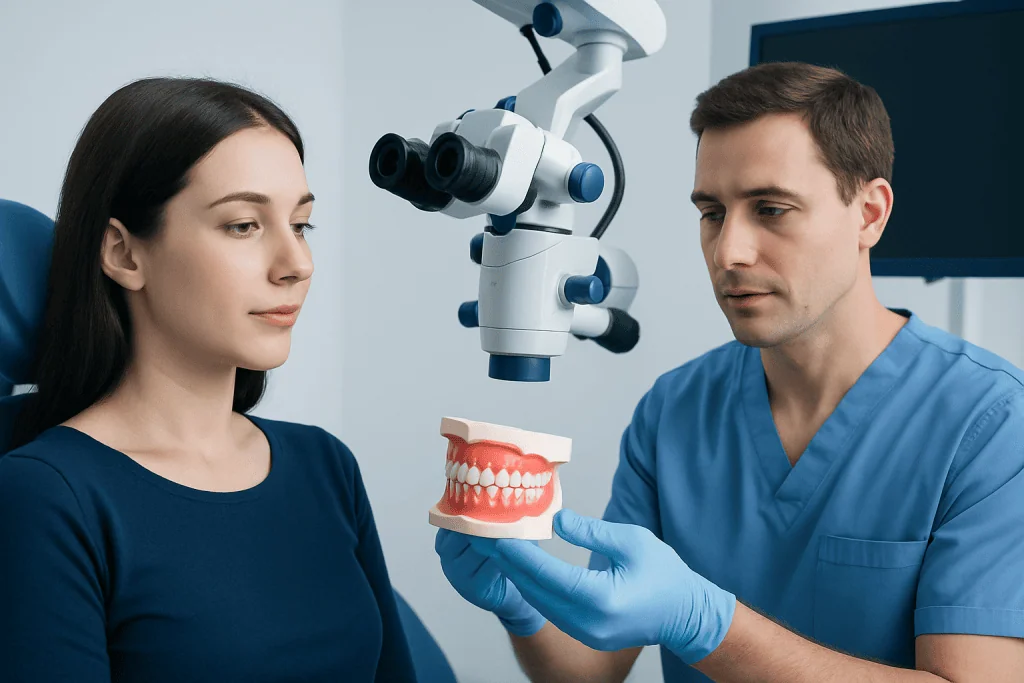
Early dental and gum problems are not always painful. Tooth decay may begin as a white or brown area on a tooth and later cause sensitivity to sweet, hot, or cold foods. As decay progresses, it can create a cavity, lead to stronger pain, or infect the inner part of the tooth.
Gingivitis is an early and common form of gum inflammation. Typical signs include redness, puffiness, tenderness, bleeding during brushing or flossing, and persistent bad breath. Gingivitis can often improve with effective plaque removal and professional advice. However, untreated inflammation may progress to periodontitis, a more serious gum disease that can damage the tissues and bone supporting the teeth.
Other changes worth noting include gums that appear to be receding, teeth that feel loose or have shifted position, pain when biting, a cracked tooth, mouth sores that do not heal, and changes in the way dentures or bite feel. These symptoms do not always indicate a serious condition, but they should be discussed with a dentist rather than ignored.
Daily care that protects teeth and gums

For most people, brushing twice a day for about two minutes with fluoride toothpaste is the cornerstone of oral care. A soft-bristled toothbrush is generally recommended because aggressive brushing or hard bristles can irritate the gums and contribute to wear near the gumline. The brush should be angled gently toward the gums and moved across all tooth surfaces, including the chewing surfaces and the inner sides of the teeth.
Cleaning between teeth once daily is also important because a toothbrush cannot fully reach these contact areas. Dental floss, interdental brushes, water flossers, or other tools may be suitable depending on the spaces between teeth, dental work, and individual needs. A dentist or dental hygienist can recommend the most appropriate method and demonstrate how to use it without injuring the gums.
Brushing the tongue gently may reduce coating and help with breath freshness. Mouthwash can be useful in selected circumstances, but it does not replace brushing and interdental cleaning. Therapeutic mouth rinses, including those for dry mouth or gum inflammation, should be chosen with guidance from a dental professional, particularly when they are intended for regular use.
- Replace a manual toothbrush or electric brush head when bristles become worn, usually every few months.
- Spit out excess toothpaste after brushing rather than rinsing immediately with water, so fluoride can remain on the teeth longer.
- Remove removable dentures at night unless advised otherwise, and clean them as directed.
Food, drinks, and habits that affect the mouth
Dental decay develops when bacteria in plaque use sugars and starches from food and drinks to produce acids. These acids can soften tooth enamel. The frequency of exposure often matters as much as the total amount consumed: regular sipping of sweetened drinks, frequent snacking, and slowly eating sticky sweets can keep the mouth acidic for longer periods.
Water is usually the best everyday drink for oral health, especially where it contains fluoride. Choosing balanced meals and limiting sugary foods and drinks between meals can lower the risk of decay. Acidic beverages, including some soft drinks, sports drinks, fruit drinks, and flavored waters, may also contribute to enamel erosion. After consuming acidic foods or drinks, it may be helpful to rinse with water and wait a short time before brushing rather than brushing immediately.
Tobacco products can stain teeth and substantially increase the risk of gum disease, delayed healing, and oral cancer. Limiting alcohol, avoiding tobacco, and using protective equipment during contact sports can support long-term oral health. Teeth grinding or clenching may also cause tooth wear, jaw discomfort, or fractured restorations; a dentist can assess whether a custom protective appliance may be helpful.
Why gum disease and tooth decay develop
Plaque is the main cause of both tooth decay and gum disease, but individual risk varies. Tooth shape, crowded teeth, existing fillings, braces, and difficulty cleaning around crowns, bridges, or implants can create areas where plaque accumulates more easily. Regular dental care is particularly valuable when these factors are present.
Some health conditions and life stages can affect the gums. Diabetes that is not well controlled is associated with a higher risk of gum disease and slower healing. Hormonal changes during pregnancy, puberty, or menopause may make gums more sensitive to plaque. Certain medicines can cause dry mouth, and reduced saliva can increase the likelihood of decay because saliva helps wash away food particles and neutralize acids.
A family tendency toward gum problems, limited manual dexterity, stress-related teeth grinding, and a diet high in frequent sugars may also increase risk. These factors do not mean dental problems are inevitable. They help explain why an individualized prevention plan, based on a dental examination and a person’s medical history, can be more effective than a one-size-fits-all routine.
Dental checkups, diagnosis, and treatment options
Dental checkups allow clinicians to look for early signs of decay, gum disease, oral cancer, tooth wear, and problems with existing fillings or restorations. The visit may include an examination of the teeth, gums, tongue, cheeks, bite, and jaw. Dental X-rays may be recommended when needed to identify concerns that cannot be seen directly, such as decay between teeth, changes around tooth roots, or bone loss.
Treatment depends on the diagnosis and severity. Early decay may sometimes be managed with fluoride measures and improved prevention, while a cavity may need a filling. More extensive damage can require root canal treatment, a crown, or tooth removal. Gingivitis is commonly treated with improved home cleaning and professional removal of plaque and tartar. Periodontitis may require more frequent periodontal care, cleaning below the gumline, and treatment by a gum specialist in some cases.
Tooth replacement options, including bridges, dentures, and dental implants, may be considered after a missing tooth is assessed. The best choice depends on oral health, bone support, general health, and personal needs. A dentist can explain expected benefits, limitations, maintenance requirements, and alternatives before treatment begins.
When to seek medical care
A dental appointment should be arranged promptly for toothache that lasts more than a day or two, a broken tooth, a lost filling or crown, recurring gum bleeding, swelling, persistent bad breath, sensitivity that is worsening, or a sore in the mouth that has not healed within two weeks. Early assessment can often make treatment simpler and help preserve the natural tooth.
Urgent dental or medical care is needed for facial or jaw swelling, fever with dental pain, pus or a bad taste associated with swelling, difficulty swallowing, difficulty breathing, uncontrolled bleeding after an injury or extraction, or swelling spreading toward the eye or neck. These symptoms may indicate an infection or injury requiring timely treatment.
People with diabetes, immune system conditions, a history of head and neck radiation, or medicines that affect bone healing should inform their dentist about their medical history. Acibadem International’s multidisciplinary specialists and JCI-accredited hospitals diagnose and treat dental and oral health concerns for international patients, coordinating care when medical conditions may affect treatment.
Frequently asked questions
Should gums bleed when brushing or flossing?
Healthy gums generally should not bleed regularly. Occasional bleeding may happen when someone starts flossing after a long break, but persistent bleeding often suggests plaque-related gum inflammation and should be checked by a dentist.
How often should teeth and gums be checked by a dentist?
The right interval varies from person to person. Many people benefit from regular checkups, while those with gum disease, frequent decay, dry mouth, diabetes, or extensive dental work may need visits more often.
Can gum disease be reversed?
Early gum inflammation, called gingivitis, can often be reversed with thorough daily cleaning and professional plaque removal. More advanced gum disease, or periodontitis, cannot usually be fully reversed, but it can often be managed to slow or stop further damage.
Is flossing necessary if a person brushes well?
Yes, brushing alone does not effectively clean the tight spaces between most teeth. Floss or another interdental cleaning tool helps remove plaque and food debris from areas that a toothbrush may miss.
What causes sensitive teeth?
Sensitivity can occur when enamel wears down, gums recede, tooth roots become exposed, or decay and cracks develop. It can also follow dental treatment temporarily, but ongoing or severe sensitivity should be evaluated to identify the cause.
Can a person prevent cavities completely?
No method can guarantee that cavities will never occur, but risk can be reduced substantially. Fluoride toothpaste, daily cleaning between teeth, fewer frequent sugary exposures, water, and regular dental care are the main preventive measures.
This article is for general information only and is not a substitute for professional medical advice. Please consult a qualified doctor about your individual situation.
Explore treatments in Turkey — costs, top hospitals & a free quote
JCI-accredited · board-certified surgeons · reply within 24h
Add us as a Preferred Source to see more of our trusted health content across Google Search, AI Overviews and Discover.

More from the Health Library

Sore Back Under Ribs Right Side — Explained by Medical Evidence, Not Myths

Scarring Alopecia: What Patients Need to Know

Mental Breakdown: An Evidence-Based Guide for Patients

Stomach Vacuum: An Evidence-Based Guide for Patients

Durum Wheat: An Evidence-Based Guide for Patients