Nausea Bloated Explained: Common Triggers and Red Flags

Nausea and bloating are symptoms rather than a diagnosis, and they can have many digestive and non-digestive causes. Common triggers include eating quickly, gas-producing foods, constipation, reflux, viral illness, and food intolerance.
Key Takeaways
- Nausea and bloating are symptoms rather than a diagnosis, and they can have many digestive and non-digestive causes.
- Common triggers include eating quickly, gas-producing foods, constipation, reflux, viral illness, and food intolerance.
- Keeping a brief record of meals, symptoms, bowel habits, and medicines can help identify patterns.
- Urgent medical care is needed for severe abdominal pain, vomiting blood, black stools, chest pain, fainting, or signs of dehydration.
- Persistent symptoms, unexplained weight loss, or new symptoms after age 50 should be discussed with a doctor.
Nausea and bloating commonly occur together when digestion is temporarily disrupted, such as after a large meal, a food intolerance, constipation, or a stomach infection. Most episodes settle with simple measures, but symptoms that are severe, persistent, or accompanied by warning signs should be assessed by a healthcare professional.
Overview: Why Nausea and Bloating Can Happen Together
Nausea bloated sensations often happen when the stomach or intestines are stretched by gas, food, fluid, or slowed bowel movement. Bloating may feel like fullness, pressure, tightness, or a visibly enlarged abdomen, while nausea is the unpleasant feeling that vomiting might occur. Either symptom can make the other feel more noticeable.
For many people, the cause is temporary and relates to eating habits, a rich meal, stress, constipation, or a mild infection. However, repeated episodes may point to a digestive condition, a medicine side effect, hormonal changes, or another health issue. The pattern of symptoms, including when they occur and what accompanies them, is often more informative than a single episode.
This article explains common causes and practical next steps, but it cannot diagnose the reason for an individual’s symptoms. A qualified clinician can evaluate ongoing, worsening, or concerning nausea and bloating.
How the Symptoms May Feel
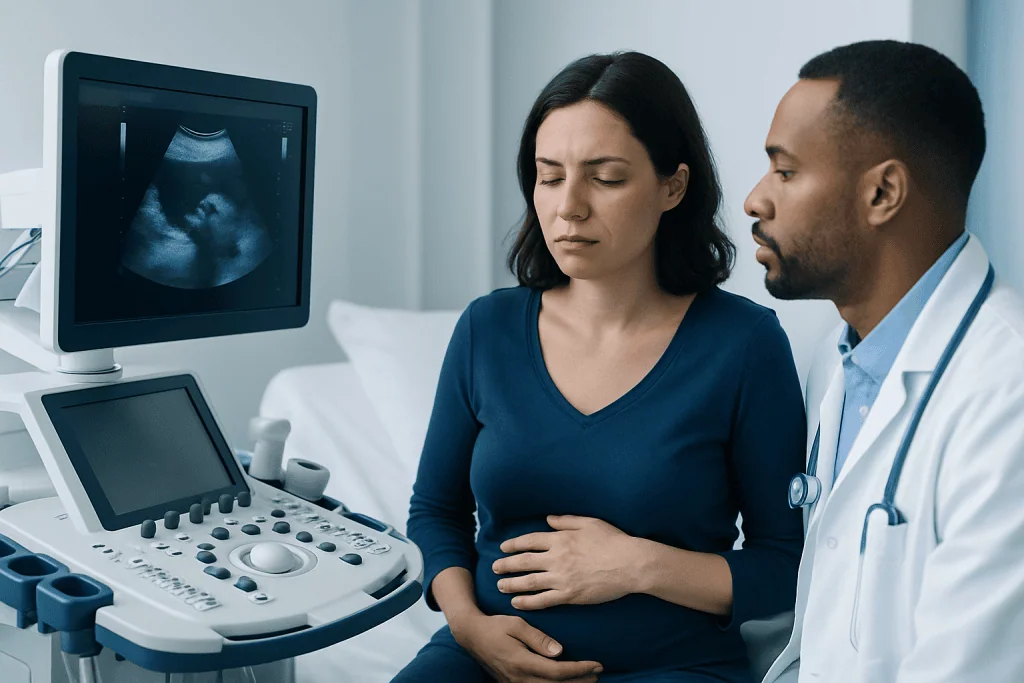
Bloating does not always mean there is a large amount of gas. The digestive tract can become more sensitive to normal amounts of gas or movement, causing uncomfortable pressure and distension. Some people burp more often, pass more wind, or notice symptoms increase later in the day or after meals.
Nausea may be mild and intermittent or may reduce appetite and make eating difficult. It can occur with upper-abdominal discomfort, heartburn, cramping, changes in bowel movements, or vomiting. A short-lived episode after an unusual meal is usually different from nausea that recurs for weeks or interferes with daily life.
- Symptoms after meals may suggest indigestion, reflux, food intolerance, or delayed stomach emptying.
- Bloating with constipation may reflect slowed movement through the bowel.
- Sudden nausea, diarrhea, and cramps may occur with gastroenteritis or foodborne illness.
- Symptoms that vary with the menstrual cycle can be related to hormonal changes or pelvic conditions.
Common Triggers and Possible Causes

Everyday eating patterns are frequent contributors. Eating rapidly, swallowing air while chewing gum or drinking carbonated beverages, and having a very large or high-fat meal can increase fullness, belching, and nausea. Foods that produce more gas for some people include beans, lentils, onions, certain vegetables, dairy products in people with lactose intolerance, and foods containing particular sweeteners.
Constipation can cause abdominal pressure, reduced appetite, and nausea because stool and gas move through the bowel more slowly. Indigestion, also called dyspepsia, and acid reflux can produce upper-abdominal discomfort, early fullness, burping, and nausea. Recurrent symptoms may warrant evaluation for conditions such as irritable bowel syndrome, especially when abdominal discomfort occurs alongside changes in stool frequency or form.
Other possible causes include viral gastroenteritis, food poisoning, anxiety, pregnancy, migraine, motion sickness, and side effects from medicines or supplements. Anti-inflammatory pain medicines, some antibiotics, iron supplements, diabetes medicines, and opioid pain medicines are among those that can affect the stomach or bowel. A person should not stop prescribed medication without first speaking with the prescribing clinician or pharmacist.
Less commonly, nausea and bloating can be associated with ulcers, gallbladder disease, inflammation of the pancreas, bowel obstruction, ovarian conditions, or problems affecting stomach emptying. These causes are more likely to need medical assessment, particularly if symptoms are intense, new, progressive, or associated with red flags.
Clues That Help Identify the Cause
Timing can provide useful clues. Symptoms beginning within hours of a meal may be related to meal size, food intolerance, indigestion, or a stomach infection. Symptoms after dairy foods may suggest lactose intolerance, while symptoms that consistently follow wheat-containing foods should be discussed with a clinician rather than self-diagnosed.
The location and type of discomfort also matter. Burning behind the breastbone or sour fluid in the mouth can suggest reflux. Cramping that improves after passing stool or gas may occur with a functional bowel disorder. Pain in the upper right abdomen after fatty foods can occur with gallbladder problems, while severe pain that is constant or worsening needs prompt assessment.
A symptom diary can be helpful for one to two weeks. It may include meals and drinks, timing of symptoms, stress or sleep changes, menstrual timing where relevant, bowel habits, vomiting, and medicines or supplements. This information can help a doctor decide whether tests, dietary adjustments, or referral to a digestive health specialist may be appropriate.
Diagnosis and Medical Assessment
A doctor will usually begin by asking about the onset, frequency, severity, food triggers, bowel changes, medical history, pregnancy possibility, and medications. They may examine the abdomen and look for signs of dehydration, tenderness, abdominal swelling, or other features that guide further care.
Many people do not need extensive testing after a brief, uncomplicated episode. If symptoms persist or there are concerning features, a clinician may recommend blood tests, stool tests, a pregnancy test when relevant, testing for certain infections, or imaging. Depending on the symptoms, an upper endoscopy or other investigation may be considered to assess the esophagus, stomach, or intestines.
Testing is individualized. It is important to share any family history of digestive cancers, inflammatory bowel disease, celiac disease, or ovarian cancer, as well as recent travel, antibiotic use, surgery, or significant changes in weight or appetite.
Relief and Self-care for Mild Symptoms
For mild, short-term nausea and bloating, smaller meals eaten slowly may be easier to tolerate than large meals. Avoiding carbonated drinks, excess alcohol, and foods that repeatedly trigger symptoms can reduce swallowed air and gas. Remaining upright after eating and taking a gentle walk may also help digestion for some people.
Fluids are especially important if nausea includes vomiting or diarrhea. Small, frequent sips of water or an oral rehydration drink may be better tolerated than large amounts at once. When appetite returns, bland, easy-to-digest foods can be introduced gradually. A pharmacist or doctor can advise on appropriate over-the-counter options when needed, particularly for people who are pregnant, older, or taking regular medication.
Constipation-related bloating may improve with adequate fluid intake, regular movement, and gradual increases in dietary fiber. Increasing fiber too quickly can worsen gas and bloating, so changes should be made slowly. Individuals with ongoing constipation, pain, rectal bleeding, or a change in bowel habits should seek medical advice rather than relying on laxatives long term.
For recurrent reflux-like symptoms, a clinician may discuss lifestyle strategies and, when appropriate, gastroenterology assessment to identify the underlying cause and select suitable treatment.
When to Seek Medical Care
Urgent medical care is recommended for nausea and bloating with severe or worsening abdominal pain, a hard or markedly swollen abdomen, repeated vomiting, inability to keep fluids down, fainting, confusion, chest pain, or trouble breathing. Emergency assessment is also important for vomiting blood, material that resembles coffee grounds, black tar-like stools, or blood in the stool.
A person should arrange a timely medical review if symptoms last more than a few days without improvement, return frequently, wake them from sleep, or affect eating and normal activities. Other reasons to seek advice include unexplained weight loss, persistent fever, new jaundice, difficulty swallowing, ongoing diarrhea, constipation that is new or severe, or symptoms beginning after a new medicine.
Pregnant people with persistent vomiting, signs of dehydration, or difficulty eating and drinking should contact a maternity care professional promptly. Acibadem International’s multidisciplinary specialists and JCI-accredited hospitals can assess digestive symptoms and coordinate care for international patients when evaluation is needed.
Frequently asked questions
Why do I feel nausea and bloating after eating?
Common reasons include eating too quickly, having a large or fatty meal, swallowing air, reflux, indigestion, constipation, or sensitivity to a food ingredient. A one-off episode is often temporary. Repeated symptoms after the same foods or meals should be discussed with a healthcare professional.
Can stress cause nausea and bloating?
Yes. Stress can affect communication between the brain and digestive tract, changing gut movement and increasing sensitivity to normal digestive sensations. Stress management may help, but persistent symptoms should not automatically be attributed to stress without medical evaluation.
What should I eat when I am nauseous and bloated?
Small, simple meals may be easier to manage than large meals. Many people tolerate bland foods and frequent sips of fluid better during a short-lived episode. It is sensible to avoid foods and drinks that clearly worsen symptoms, such as carbonated beverages, alcohol, or very rich meals.
Can constipation cause nausea and bloating?
Yes. When stool moves slowly through the bowel, it can lead to trapped gas, abdominal pressure, reduced appetite, and nausea. Hydration, gradual fiber increases, and physical activity may help mild constipation, but new or persistent constipation needs medical advice.
Are nausea and bloating early signs of pregnancy?
They can occur in early pregnancy, along with missed periods, breast tenderness, fatigue, or increased urination. A home pregnancy test may be appropriate if pregnancy is possible. Medical advice is important if vomiting is persistent or fluids cannot be kept down.
When are nausea and bloating serious?
They may be serious when accompanied by severe pain, a swollen or rigid abdomen, ongoing vomiting, dehydration, fever, blood in vomit or stool, black stools, chest pain, or unexplained weight loss. These symptoms require prompt medical assessment, with emergency care for severe or sudden warning signs.
References
- National Institute of Diabetes and Digestive and Kidney Diseases
- American College of Gastroenterology
- National Health Service
- Mayo Clinic
- World Gastroenterology Organisation
This article is for general information only and is not a substitute for professional medical advice. Please consult a qualified doctor about your individual situation.
Persistent digestive symptoms? Get evaluated in Turkey
JCI-accredited · board-certified surgeons · reply within 24h
Add us as a Preferred Source to see more of our trusted health content across Google Search, AI Overviews and Discover.