False Negative Strep Test: An Evidence-Based Guide for Patients

Rapid strep tests can miss some cases of group A streptococcal throat infection. In children and teenagers, a negative rapid test is often followed by a throat culture or molecular test.
Key Takeaways
- Rapid strep tests can miss some cases of group A streptococcal throat infection.
- In children and teenagers, a negative rapid test is often followed by a throat culture or molecular test.
- Adults usually do not need routine backup culture after a negative rapid test unless clinical circumstances suggest otherwise.
- Most sore throats are caused by viruses, which do not improve with antibiotics.
- A negative test does not rule out urgent causes of severe throat symptoms, such as breathing difficulty or a deep neck infection.
A false negative strep test happens when a person has group A streptococcal infection but the test result is negative. It is uncommon but possible, so clinicians consider the type of test, the quality and timing of the throat swab, symptoms, age, and whether confirmatory testing is needed.
Overview: what a false negative strep test means
A false negative strep test means the test reports that group A Streptococcus is not present even though the person has strep throat. This can occur with a rapid antigen detection test, and less commonly with other testing methods. A negative result should be interpreted alongside the person’s symptoms, examination findings, age, and local clinical guidance.
Strep throat is a bacterial infection of the throat and tonsils caused by group A Streptococcus. It is most common in school-age children, although it can occur at any age. Testing helps clinicians identify people who may benefit from antibiotics while avoiding unnecessary antibiotics for the many sore throats caused by viruses.
A negative test does not automatically mean that symptoms are unimportant. It means that the clinician may consider whether a repeat swab, a throat culture, a molecular test, or assessment for another cause of sore throat is appropriate.
How strep tests work and why results can differ
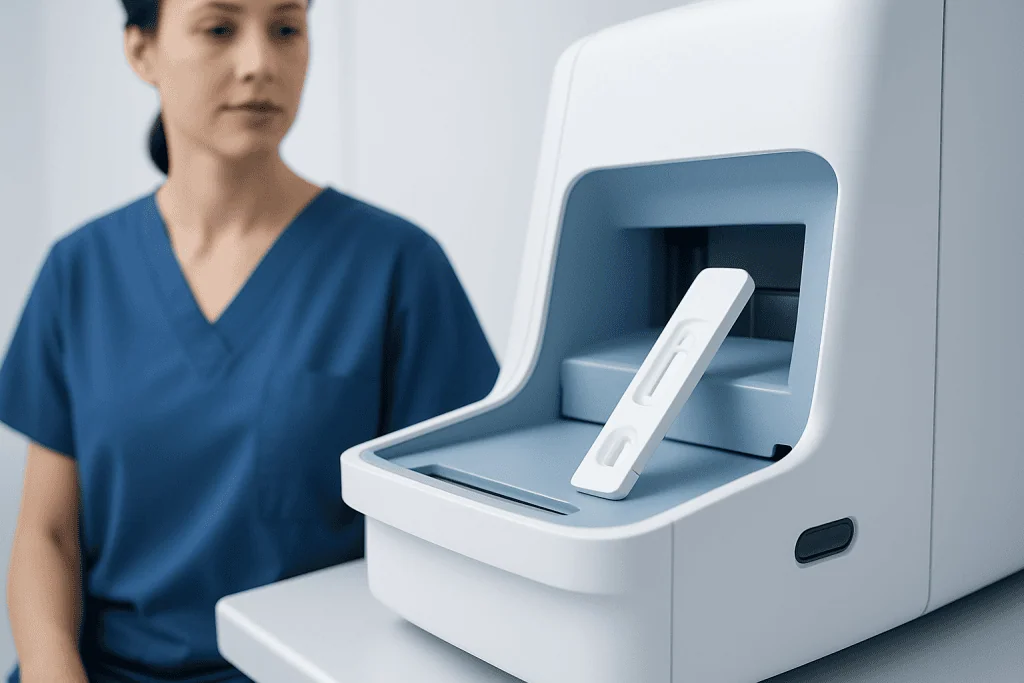
The most widely used office test is the rapid antigen detection test, often called a rapid strep test. It looks for proteins from group A Streptococcus in a throat swab and can provide results during the visit. These tests are generally very specific: when positive, they are usually reliable. Their sensitivity is lower than perfect, however, so some true infections can be missed.
A throat culture is performed in a laboratory by attempting to grow bacteria from the swab. It usually takes longer than a rapid test but is often used as a confirmatory test, particularly for children and adolescents with a negative rapid test. Molecular tests, such as nucleic acid amplification tests, detect genetic material from the bacteria and may offer high sensitivity with faster turnaround than culture, depending on the laboratory.
Each test answers a focused question: whether group A Streptococcus is detected in the sample. It does not identify every potential cause of throat pain. For example, viral infections, mononucleosis, allergies, reflux, irritation, and less common bacterial infections can all produce throat symptoms.
Why a rapid strep test may be falsely negative

Swab collection is an important reason for an inaccurate negative result. The swab needs to contact the tonsils and the back of the throat, where bacteria are most likely to be present. If the sample contains too little material, or if the swab mainly touches the tongue, cheeks, or saliva, the test may not detect the infection.
Timing can also matter. The amount of bacteria in the throat may vary during illness, and testing after antibiotics have already been started can reduce the likelihood of detection. In addition, rapid tests do not all have identical performance. A clinician may choose a more sensitive follow-up method when the initial result does not fit the clinical picture.
Not every negative result in a person with throat pain is a false negative. Viral infections are the leading cause of sore throats and often come with cough, runny nose, hoarseness, mouth ulcers, or red, watery eyes. These features make group A strep less likely, even if fever or throat discomfort is present.
- Possible reasons for a false negative include an insufficient swab sample, low bacterial levels, recent antibiotic exposure, or limits of the test method.
- Symptoms that suggest a viral illness can make a true negative result more likely.
- A healthcare professional can decide whether repeat or confirmatory testing is useful.
Symptoms and clues clinicians consider
Strep throat commonly causes a sudden sore throat, pain when swallowing, fever, swollen and tender lymph nodes in the front of the neck, and red or enlarged tonsils. White patches or streaks on the tonsils may occur, but these findings alone do not prove strep infection. Some people, especially children, may also have headache, nausea, vomiting, or a fine red rash known as scarlet fever.
Cough, nasal congestion, hoarseness, and conjunctivitis are more typical of viral illnesses than strep throat. Still, symptoms overlap, and visual examination alone cannot reliably distinguish all cases. For this reason, testing is usually preferred before prescribing antibiotics when group A strep is suspected.
Children can also carry group A Streptococcus in the throat without it causing their current symptoms. This is called carriage. A positive result in a carrier with a viral sore throat may not necessarily mean strep is the cause of illness; clinicians interpret results in the overall clinical context. Related throat and tonsil concerns may be evaluated within tonsillitis care pathways when appropriate.
What happens after a negative test
For children and adolescents, many guidelines recommend confirming a negative rapid antigen test with a throat culture, unless the practice uses a molecular test with sufficient sensitivity. This approach helps avoid missed group A strep infections, which can occasionally lead to complications if untreated. Families are usually advised on how and when they will receive the follow-up result.
For most adults, routine backup culture after a negative rapid test is not generally recommended because group A strep is less common and the risk of acute rheumatic fever is very low. However, a clinician may order additional testing if symptoms are especially suggestive, exposure risk is high, symptoms worsen, or another diagnosis needs to be considered.
Antibiotics should not be started solely because a sore throat feels severe or because a person has been exposed to someone with strep. When testing confirms group A strep, prescribed antibiotic treatment can shorten contagiousness, reduce complications, and modestly reduce symptom duration. If tests are negative, antibiotics are usually not helpful and can cause side effects or contribute to antibiotic resistance.
Comfort measures and preventing spread
While awaiting results or recovering from a non-strep sore throat, rest, adequate fluids, warm drinks, cool foods, and salt-water gargles may ease discomfort for many people. Age-appropriate over-the-counter pain and fever medicines may also help when used according to the product label and a clinician’s advice. Aspirin should not be given to children or teenagers with viral symptoms because of the risk of Reye syndrome.
Handwashing, covering coughs and sneezes, and avoiding shared cups, utensils, and toothbrushes can reduce the spread of respiratory infections. People with confirmed strep throat should follow their clinician’s advice about returning to school, work, or close-contact activities. They should complete any prescribed antibiotic course unless a clinician advises otherwise.
There is no reliable home method to determine whether a negative test is false. Watching the overall pattern of symptoms and contacting a healthcare professional if symptoms persist or change is safer than self-treating with leftover antibiotics.
When to seek medical care
Medical assessment is appropriate for a severe sore throat, fever, swollen neck glands, a new rash, symptoms lasting more than several days, or recurring episodes. It is particularly important for children with symptoms suggestive of strep throat, since follow-up testing may be needed after a negative rapid test. A clinician can also check for other causes, including viral illnesses and complications affecting the tonsils or tissues around the throat.
Urgent medical care is needed for trouble breathing, inability to swallow saliva, drooling, dehydration, severe neck swelling or stiffness, a muffled voice, difficulty opening the mouth, confusion, or rapidly worsening illness. These symptoms are not typical of uncomplicated strep throat and require prompt evaluation.
For international patients, Acibadem International’s multidisciplinary specialists and JCI-accredited hospitals can assess persistent or complicated throat symptoms and coordinate appropriate testing and treatment. Care should always be tailored to the individual’s symptoms, examination, test results, and medical history.
Frequently asked questions
Can a rapid strep test be negative when a person has strep throat?
Yes. A rapid antigen test can occasionally miss group A Streptococcus, producing a false negative result. This is why clinicians often obtain a backup throat culture or another sensitive test for children and adolescents when the rapid result is negative.
Should an adult have a throat culture after a negative rapid strep test?
Most adults do not need a routine follow-up culture after a negative rapid test. A clinician may still recommend additional testing when symptoms, examination findings, exposure history, or the course of illness raise concern for strep or another condition.
How long does a throat culture take after a negative rapid test?
A throat culture commonly takes one to two days for a final result, although timing varies by laboratory. The healthcare team can explain how results will be communicated and whether any action is needed while waiting.
Can antibiotics cause a false negative strep test?
Starting antibiotics before the throat swab may reduce the amount of bacteria that can be detected. People should tell the clinician about any recent or current antibiotics, including medicines started elsewhere or leftover medication taken at home.
What symptoms are less typical of strep throat?
Cough, runny nose, hoarseness, mouth sores, and red or watery eyes are more often associated with viral infections. They do not completely exclude strep, but they help clinicians decide whether strep testing is likely to be useful.
Can a person spread strep throat if the rapid test is negative?
If the result is truly negative and symptoms are due to a virus, the person may still spread that virus. If a false negative is suspected and later testing confirms strep, group A Streptococcus can spread through respiratory droplets and close contact until appropriate treatment has been started as advised by a clinician.
This article is for general information only and is not a substitute for professional medical advice. Please consult a qualified doctor about your individual situation.
Explore treatments in Turkey — costs, top hospitals & a free quote
JCI-accredited · board-certified surgeons · reply within 24h
Add us as a Preferred Source to see more of our trusted health content across Google Search, AI Overviews and Discover.

More from the Health Library

Jackfruit: What Patients Need to Know

Drinking a Shot of Apple Cider Vinegar: What Patients Need to Know
Penis Pump: What Patients Need to Know

Huber Needle: An Evidence-Based Guide for Patients
Blood during cough: A Complete Medical Guide for Patients