Alcohol and Exercise: What Patients Need to Know

Alcohol can worsen dehydration and reduce exercise performance, particularly in heat or during long workouts. Exercising while intoxicated increases the risk of falls, poor judgment, injury and dangerous heat-related illness.
Key Takeaways
- Alcohol can worsen dehydration and reduce exercise performance, particularly in heat or during long workouts.
- Exercising while intoxicated increases the risk of falls, poor judgment, injury and dangerous heat-related illness.
- Alcohol after exercise may interfere with sleep, muscle repair, refueling and consistent training habits.
- Eating balanced meals, drinking fluids and allowing recovery time can reduce some effects, but they do not make intoxication safe.
- People with medical conditions, those taking certain medicines and those with concerns about alcohol use should seek individualized advice from a clinician.
Alcohol and exercise are not always dangerous together, but alcohol can reduce coordination, disrupt hydration and sleep, and slow the body’s recovery from training. The safest approach is to avoid exercising while intoxicated, keep alcohol intake low if choosing to drink, and prioritize fluids, food, rest and recovery.
Alcohol and Exercise: The Main Message
Alcohol and exercise can affect each other in ways that matter for safety, performance and recovery. A small amount of alcohol may not cause major problems for every healthy adult, but alcohol can impair balance, reaction time, judgment, hydration and sleep. These effects can make a workout less effective and, in some circumstances, less safe.
It is best not to exercise when intoxicated, hungover with significant symptoms, dehydrated or unable to eat and drink normally. The risks are greater during endurance events, high-intensity training, swimming, cycling, climbing, contact sports and exercise in hot weather. Alcohol should never be viewed as a recovery drink or a substitute for water, meals or rest.
The impact depends on how much alcohol was consumed, when it was consumed, the person’s body size and health, the type of activity, environmental conditions and whether food and fluids were taken. For people who do not drink alcohol, there is no health reason to start drinking for exercise or recovery.
How Alcohol Affects Workout Safety and Performance
Alcohol acts on the brain and nervous system. Even before someone feels obviously intoxicated, it may reduce coordination, concentration, decision-making and reaction speed. In exercise settings, this can affect technique, pace and awareness of hazards. A misstep during a run, an unsafe lift in the gym or poor judgment in water can lead to injury.
Alcohol can also affect the cardiovascular system. It may raise heart rate, alter blood pressure and make it more difficult to judge how hard the body is working. During strenuous activity, particularly in heat, these changes may add to physical stress. Alcohol-related poor judgment can also lead a person to train beyond their current ability or ignore symptoms that should prompt rest.
For these reasons, exercising after drinking is not recommended. Driving to or from a gym, trail or sports venue after drinking is also unsafe. If alcohol has been consumed, choosing rest, hydration, food and sleep is generally safer than attempting a workout.
- Activities requiring balance, speed or precise technique carry additional risk.
- Swimming, boating and other water activities should be avoided after alcohol use because drowning risk increases when judgment and coordination are impaired.
- Heat, humidity, high altitude and long-duration exercise can magnify alcohol-related strain.
Hydration, Fuel and Heat: Why Timing Matters
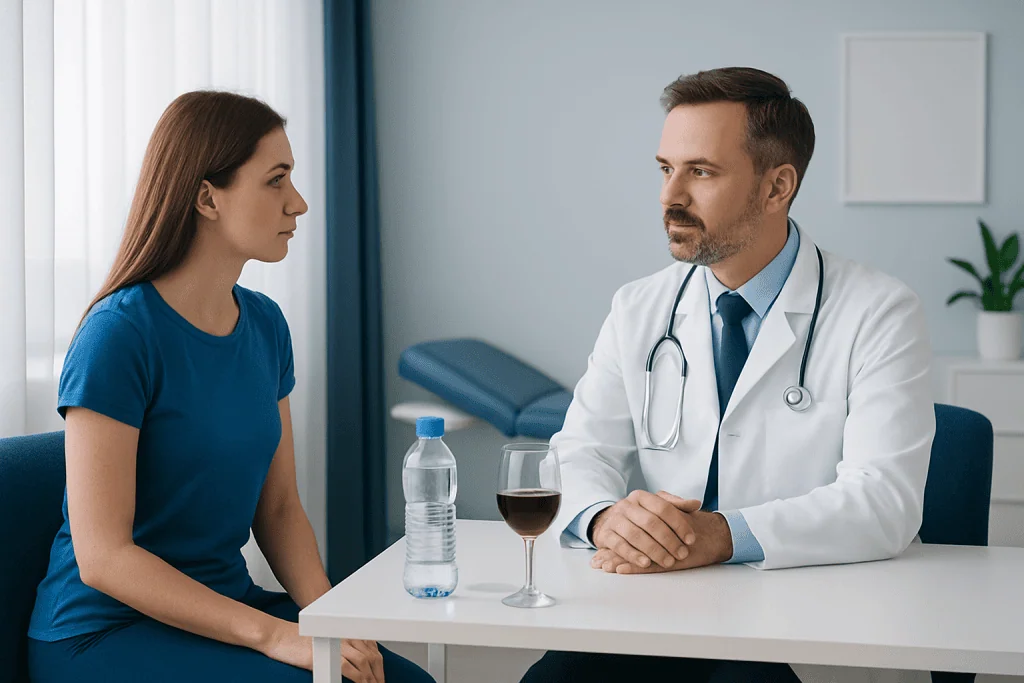
Alcohol can increase urine production, although its effect on hydration varies with the amount consumed and the surrounding circumstances. The more important concern is that alcohol may replace fluids a person would otherwise drink, especially after sweating. It may also contribute to nausea, diarrhea or vomiting, which can further increase fluid and electrolyte losses.
After exercise, the body needs enough fluid, energy and nutrients to restore what was used. Alcoholic drinks do not provide the same rehydration support as water, oral rehydration solutions when appropriate, or balanced meals and snacks. A person who drinks alcohol after a workout should first rehydrate, eat a nourishing meal and avoid using alcohol as the main source of calories or fluids.
Exercise in hot conditions deserves particular caution. Signs of heat illness can overlap with alcohol effects, including dizziness, headache, nausea and fatigue. Someone who has been drinking may be less likely to notice worsening symptoms or act promptly. Stopping activity, moving to a cool place and drinking fluids are important first steps when heat-related symptoms occur.
Alcohol and Recovery After Training
Recovery is more than the time immediately after a workout. It includes replacing fluids, restoring energy stores, supporting muscle repair and getting good-quality sleep. Alcohol may interfere with several of these processes, particularly after heavier drinking or when it occurs soon after demanding exercise.
Alcohol can make it harder to follow helpful recovery habits. It may reduce appetite for balanced food, disrupt sleep later in the night and make the next day’s training feel more difficult. Poor sleep is especially relevant because sleep supports physical recovery, learning of movement skills, mood and regular exercise habits.
Muscle adaptation depends on repeated training, adequate nutrition and recovery over time. Alcohol intake after intense resistance or endurance exercise may blunt some of the body’s normal repair and adaptation responses, especially when alcohol intake is substantial and food intake is inadequate. This does not mean one occasion permanently erases progress, but regular heavy drinking can work against fitness goals.
For a more supportive recovery routine, people can drink water according to thirst and sweat loss, include carbohydrate and protein-containing foods in meals, and aim for sufficient sleep. Those following a structured training plan may also benefit from discussing nutrition and recovery with a sports medicine clinician or registered dietitian.
Can Someone Exercise the Day After Drinking?
Whether it is sensible to exercise the day after drinking depends on symptoms and the planned activity. A gentle walk, light mobility routine or easy stretching may be reasonable for a person who is well hydrated, has eaten, feels alert and has no concerning symptoms. However, a hard workout, long endurance session, heavy lifting session or activity in heat may be best postponed.
A hangover can include headache, thirst, fatigue, nausea, dizziness, poor concentration and disturbed sleep. These symptoms can reduce exercise quality and increase injury risk. If the person feels unsteady, nauseated, unusually short of breath, confused, unable to keep fluids down or generally unwell, they should rest rather than train.
It is important not to use exercise to “sweat out” alcohol. The liver clears alcohol over time, and sweating does not speed this process in a meaningful way. Exercise may make dehydration and fatigue worse if the person is not fully recovered.
Returning to normal training is usually appropriate once the person feels well, is drinking and eating normally, and can exercise safely with normal coordination and judgment. Gradually resuming activity is often more helpful than trying to compensate for a missed session.
Practical Ways to Reduce Risk
The lowest-risk option for fitness and recovery is to avoid alcohol around important training, competition, hot-weather exercise and activities requiring concentration or balance. People who choose to drink can plan ahead by separating alcohol from exercise, eating beforehand and arranging safe transportation. They should not rely on coffee, cold showers or exercise to reverse alcohol impairment.
On a day involving exercise, practical steps include drinking water regularly, having meals that contain a variety of nutrients, and stopping activity if dizziness, nausea, unusual weakness or overheating develops. Avoid combining alcohol with dehydration, fasting, stimulant substances or medicines that cause drowsiness or impair coordination unless a clinician has advised otherwise.
Some people should take particular care or avoid alcohol entirely, including those who are pregnant, under the legal drinking age, recovering from alcohol use disorder, living with liver disease, taking medicines that interact with alcohol, or managing certain heart, neurological or mental health conditions. Individual guidance is important when a person has a medical condition or follows a specialized exercise program.
Regular exercise can be a useful part of wellbeing, but it is not a treatment for harmful alcohol use. If drinking is affecting relationships, work, sleep, health or the ability to maintain daily routines, speaking with a healthcare professional can be an important and confidential next step.
When to Seek Medical Care
Urgent medical assessment is needed for severe confusion, fainting, seizures, chest pain, severe shortness of breath, blue or gray lips, repeated vomiting, inability to stay awake, or signs of serious heat illness such as altered behavior, collapse or very high body temperature. These symptoms may be related to alcohol, exercise, another medical problem or a combination of factors, and should not be managed by continuing activity.
A doctor should also be consulted for repeated dizziness with exercise, persistent palpitations, recurrent vomiting after drinking, symptoms of dehydration that do not improve with fluids, or injuries sustained while exercising after alcohol use. People who experience withdrawal symptoms when they cut down or stop drinking, such as shaking, sweating, anxiety, hallucinations or seizures, should seek medical advice promptly because withdrawal can require supervised care.
Acibadem International’s multidisciplinary specialists and JCI-accredited hospitals support international patients with assessment and treatment for alcohol-related health concerns, sports injuries and other conditions that may affect safe activity. A clinician can help create an appropriate plan based on overall health, medications, drinking patterns and exercise goals.
Frequently asked questions
Is it safe to work out after drinking alcohol?
Working out while intoxicated is not safe. Alcohol can impair coordination, judgment, balance and reaction time, increasing the risk of falls, accidents and poor decisions. It is generally better to wait until alcohol has cleared and the person feels well hydrated, rested and alert.
Does alcohol ruin a workout?
One episode of drinking does not necessarily erase the benefits of a workout. However, alcohol can reduce the quality of recovery by disrupting hydration, nutrition and sleep. Frequent heavy drinking can make it harder to improve performance, strength and consistency over time.
Can alcohol cause dehydration after exercise?
Alcohol may contribute to dehydration, especially if it replaces water after sweating or causes nausea, vomiting or diarrhea. People should rehydrate with non-alcoholic fluids and eat normally after exercise. Hot weather and long-duration activity increase the importance of replacing fluids.
Can a person run or lift weights with a hangover?
Light activity may be tolerable for some people if they feel well, have eaten and hydrated, and have no dizziness or nausea. Intense running, heavy lifting and exercise in heat should be avoided when hangover symptoms are significant. Rest is the safer choice if concentration, coordination or hydration is affected.
Does sweating remove alcohol from the body?
No. The liver processes most alcohol, and this takes time. Sweating during exercise does not meaningfully speed alcohol clearance and may worsen dehydration.
How long should someone wait to exercise after drinking?
There is no single safe time frame because alcohol effects vary with the amount consumed, food intake, body size, sleep and health. A person should wait until they are no longer impaired and feel physically well, hydrated and able to exercise safely. After heavy drinking or a poor night’s sleep, postponing strenuous exercise until the next day or longer may be appropriate.
References
- World Health Organization
- Centers for Disease Control and Prevention
- National Institute on Alcohol Abuse and Alcoholism
- American College of Sports Medicine
- National Health Service
This article is for general information only and is not a substitute for professional medical advice. Please consult a qualified doctor about your individual situation.
Explore treatments in Turkey — costs, top hospitals & a free quote
JCI-accredited · board-certified surgeons · reply within 24h
Add us as a Preferred Source to see more of our trusted health content across Google Search, AI Overviews and Discover.
Check your numbers in seconds
BMI, calories, due date, blood pressure and 30+ more clinical calculators — free, instant, doctor-reviewed ranges.

More from the Health Library

Yin Tang: A Complete Medical Overview

Small Intestine — Explained by Medical Evidence, Not Myths

Cyanocobalamin: A Complete Medical Overview

Mint Advantages: An Evidence-Based Guide for Patients

Saddle Joint — Explained by Medical Evidence, Not Myths