

Yin Tang: A Complete Medical Overview

Yin tang is an acupuncture point positioned between the eyebrows, often called the “third eye” point in non-medical discussions. In clinical practice, yin tang may be used to support relaxation and symptom relief for stress, headache, and sleep complaints.
Key Takeaways
- Yin tang is an acupuncture point positioned between the eyebrows, often called the “third eye” point in non-medical discussions.
- In clinical practice, yin tang may be used to support relaxation and symptom relief for stress, headache, and sleep complaints.
- Evidence suggests acupuncture can help some people with certain symptoms, but responses vary and more research is still needed for specific uses of yin tang alone.
- Yin tang stimulation is generally low risk when performed gently or by a qualified professional, though it is not appropriate as a substitute for urgent medical care.
- Persistent headaches, severe anxiety, sleep problems, or facial pain should be medically evaluated to look for underlying causes.
Yin tang is a traditional acupuncture point located between the eyebrows. It is commonly used in acupuncture and acupressure to support relaxation, ease stress, and help with symptoms such as tension headache or sleep difficulty, but it should be understood as a supportive therapy rather than a cure-all.
Overview
Yin tang is a well-known acupuncture point located in the midline between the eyebrows. In traditional East Asian medicine, it is used as a calming point and is often included in treatment plans for stress, tension, sleep disturbance, and certain types of head or facial discomfort. In acupressure, the same area may be pressed gently with a fingertip for brief periods.
From a medical perspective, yin tang is best understood as a complementary therapy concept rather than a standalone diagnosis or treatment. Some people use it as part of acupuncture sessions to help reduce symptoms, especially those related to stress or tension. It is not a replacement for standard evaluation when symptoms are new, severe, or persistent.
Interest in yin tang has grown because the point is easy to locate and often feels accessible for self-care. Even so, symptom relief can depend on the underlying condition, the skill of the practitioner, and whether the person is also addressing contributing factors such as sleep habits, hydration, posture, or mental health needs.
Where Yin Tang Is Located and How It Is Used
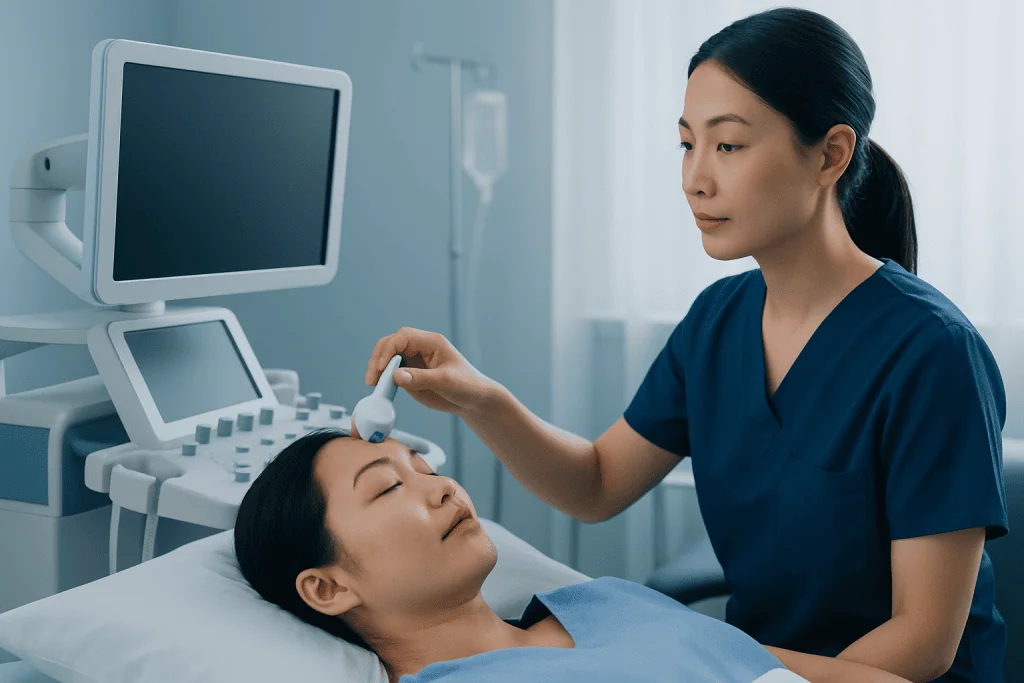
Yin tang lies at the center of the forehead, in the area just above the bridge of the nose and between the eyebrows. In acupuncture, a practitioner may stimulate this point with a very fine sterile needle. In acupressure, gentle pressure or circular massage may be applied for a short time.
This point is commonly selected as part of a broader treatment approach rather than used alone. A clinician trained in acupuncture usually combines yin tang with other points depending on the person’s symptoms, general health, and treatment goals. For example, a session for tension-related discomfort may involve points on the scalp, hands, or legs in addition to yin tang.
Outside clinical settings, some people use light pressure on this area during breathing exercises or relaxation practice. The goal is usually to promote a sense of calm, not to treat serious disease. Pressure should be gentle, and the skin should not be irritated, broken, or painful.
Potential Benefits and Common Reasons People Ask About Yin Tang

Yin tang is most often discussed in relation to relaxation and stress reduction. Some patients report that stimulation of this point helps them feel calmer during periods of emotional strain. In acupuncture practice, it may also be used to support people with tension headaches, mild sleep difficulty, or a feeling of restlessness.
There is also interest in yin tang for facial tension and discomfort around the forehead. In some treatment plans, clinicians may include it when symptoms overlap with sinus pressure, jaw clenching, or stress-related muscle tightness. However, improvement is not guaranteed, and symptoms such as facial pain or pressure can have many causes that need proper assessment, including sinusitis.
Scientific evidence on acupuncture overall is stronger for some symptoms than for others. Studies suggest acupuncture may help certain people with pain, nausea, or chronic tension-related symptoms, but it is difficult to isolate the effect of one point alone, including yin tang. For that reason, health professionals generally describe its role as supportive and individualized.
- Stress and relaxation support
- Tension-type headache symptoms
- Difficulty winding down before sleep
- Forehead or facial tension
- Adjunctive symptom management in a broader care plan
Safety, Risks, and Who Should Use Caution
When used as gentle acupressure, yin tang is generally considered low risk for most healthy adults. Light pressure should not cause significant pain. If pressing the area causes marked tenderness, dizziness, worsening headache, or skin irritation, it is sensible to stop and seek medical advice if symptoms continue.
When acupuncture is performed by a properly trained professional using sterile single-use needles, the risks are usually small but can include minor bruising, brief soreness, light bleeding, or temporary dizziness. People with bleeding disorders, those taking blood-thinning medicines, or anyone with a skin infection or rash at the site should tell the practitioner before treatment.
Extra caution is also appropriate during pregnancy, in people who faint easily with needles, and in anyone with significant psychiatric or neurological symptoms. Most importantly, yin tang should not delay emergency care for severe headache, chest pain, shortness of breath, confusion, high fever, or sudden weakness.
What the Evidence Says
Research on acupuncture is broad, but studies rarely focus on yin tang as a single intervention. Instead, this point is usually one part of a treatment protocol. That means it is difficult to say with certainty that benefits come from yin tang alone rather than from the overall acupuncture session, the therapeutic setting, or natural symptom fluctuation over time.
Current evidence supports acupuncture as a possible adjunct for selected conditions, particularly some chronic pain disorders, treatment-related nausea, and tension-related symptoms. For stress, anxiety, and sleep complaints, some people report meaningful improvement, but study quality varies and results are mixed. In conventional medicine, these findings are generally interpreted as promising but not definitive.
A balanced view is helpful. Yin tang may be reasonable as part of a wider symptom-management plan when used safely and alongside standard medical care. It should not be presented as a cure for migraine, insomnia, anxiety disorders, or structural sinus disease, all of which may need formal diagnosis and targeted treatment.
How Yin Tang Fits Into Medical Care
For many patients, the most sensible role for yin tang is as a complementary tool. If a person has stress-related tension, poor sleep hygiene, or recurring headaches already evaluated by a clinician, acupuncture or acupressure may sometimes be added to a plan that also includes lifestyle changes, physical therapy, counseling, or medication when appropriate.
For example, someone with recurrent headaches may need an assessment to determine whether the pattern is more consistent with migraine, tension-type headache, sinus disease, eye strain, or another cause. In that setting, acupuncture may be considered as part of non-drug symptom support, but it works best when guided by an accurate diagnosis.
People with significant anxiety, chronic insomnia, or pain that affects daily function should not rely only on self-pressure at yin tang. They may benefit from structured care such as behavioral therapy, sleep evaluation, or specialist treatment. Depending on the underlying problem, supportive options can sometimes be discussed alongside services such as acupuncture or broader pain-focused care including pain management.
Self-care and When to Seek Medical Care
For simple self-care, a person may sit comfortably, relax the face and shoulders, and place a clean fingertip lightly on the area between the eyebrows for several slow breaths. Gentle circular pressure for 30 to 60 seconds may feel soothing. This should remain comfortable and should never involve aggressive rubbing or pressure that worsens symptoms.
Yin tang is best paired with general healthy habits that support the same goals. These include regular sleep, hydration, limiting excess caffeine late in the day, stress-management techniques, ergonomic attention during screen work, and treatment of underlying nasal, headache, or mental health conditions when present.
Medical care should be sought if symptoms are severe, frequent, or changing. A doctor should assess new or intense headaches, fever with facial pain, disturbed vision, fainting, persistent insomnia, panic symptoms, or any neurological warning sign such as weakness, confusion, or trouble speaking. At Acibadem International, multidisciplinary specialists in JCI-accredited hospitals evaluate and treat underlying causes of these symptoms for international patients, including related services in neurology when appropriate.
Frequently asked questions
What is yin tang?
Yin tang is an acupuncture point located between the eyebrows. It is commonly used in traditional acupuncture and acupressure to support relaxation and to help with symptoms such as stress, tension headache, or trouble settling before sleep.
Does pressing yin tang really work?
Some people find gentle pressure on yin tang soothing, especially during stress or facial tension. However, responses vary, and self-acupressure is best seen as a comfort measure rather than a proven treatment for a specific disease.
Is yin tang the same as the “third eye” point?
In popular wellness language, yin tang is often called the “third eye” point because of its location between the eyebrows. In medical and acupuncture contexts, the preferred term is yin tang, and its use is discussed in relation to symptom support rather than mystical effects.
Can yin tang help with headaches?
It may help some people with tension-related forehead discomfort as part of a broader approach. But not all headaches are the same, and recurrent, severe, or unusual headaches should be evaluated by a doctor to identify the cause.
Is yin tang acupuncture safe?
When performed by a qualified professional using sterile techniques, acupuncture at yin tang is generally considered safe. Minor bruising, tenderness, or brief lightheadedness can occur, so people should share their medical history and medications before treatment.
Can yin tang treat anxiety or insomnia?
Yin tang may be used as a supportive measure for relaxation, and some people feel calmer after treatment. Still, anxiety disorders and chronic insomnia often need a full medical or psychological assessment, and they should not be managed with acupressure alone.
References
- World Health Organization
- National Center for Complementary and Integrative Health
- National Institutes of Health
- U.S. National Library of Medicine
- Cochrane
This article is for general information only and is not a substitute for professional medical advice. Please consult a qualified doctor about your individual situation.
Explore treatments in Turkey — costs, top hospitals & a free quote
JCI-accredited · board-certified surgeons · reply within 24h
Add us as a Preferred Source to see more of our trusted health content across Google Search, AI Overviews and Discover.

More from the Health Library



Related Specialists

Dr. Oya Yeşim Hacımustafaoğlu Utkan
Dermatology
Dt. Nadin Gemrekoğlu
Oral & Dental Health
Prof. Dr. Alper Celal Akcan
General Surgery
Dt. Aslı Yetğın Yazar
Oral & Dental Health