Understanding Venereal Disease Laboratory Test: A Complete Patient Guide

A venereal disease laboratory test may use urine, blood, swab, or lesion samples depending on the infection being assessed. Many STIs are asymptomatic, so testing can be important even when a person feels well.
Key Takeaways
- A venereal disease laboratory test may use urine, blood, swab, or lesion samples depending on the infection being assessed.
- Many STIs are asymptomatic, so testing can be important even when a person feels well.
- Timing matters: some infections may not be detectable immediately after exposure and repeat testing may be recommended.
- A positive result is usually treatable or manageable, and partners may also need testing and care.
- Home tests can be useful in some situations, but clinical assessment is important for symptoms, exposure concerns, or unclear results.
A venereal disease laboratory test is a group of tests used to identify sexually transmitted infections (STIs), including infections that may cause no symptoms. The right test depends on a person’s sexual history, symptoms, possible exposure, and the body sites involved.
Overview: What Is a Venereal Disease Laboratory Test?
A venereal disease laboratory test is a commonly used term for laboratory testing for sexually transmitted infections (STIs). It helps detect infections passed through vaginal, anal, or oral sexual contact, and in some cases through blood exposure or from a pregnant person to a baby. Many clinicians now use the term STI rather than “venereal disease,” because an infection can be present without causing disease or symptoms.
Testing may identify bacterial infections such as chlamydia, gonorrhea, and syphilis; viral infections such as HIV, hepatitis B, hepatitis C, genital herpes, and human papillomavirus (HPV); and some parasitic infections, including trichomoniasis. No single test checks for every STI. A clinician selects tests based on symptoms, recent exposure, sexual practices, pregnancy status, previous results, and local screening guidance.
Screening is a practical part of preventive healthcare. It can find infections early, support timely treatment, reduce the chance of complications, and help prevent transmission to sexual partners. Testing is confidential within the limits of local healthcare and public-health requirements.
Which Samples Are Used for STI Testing?
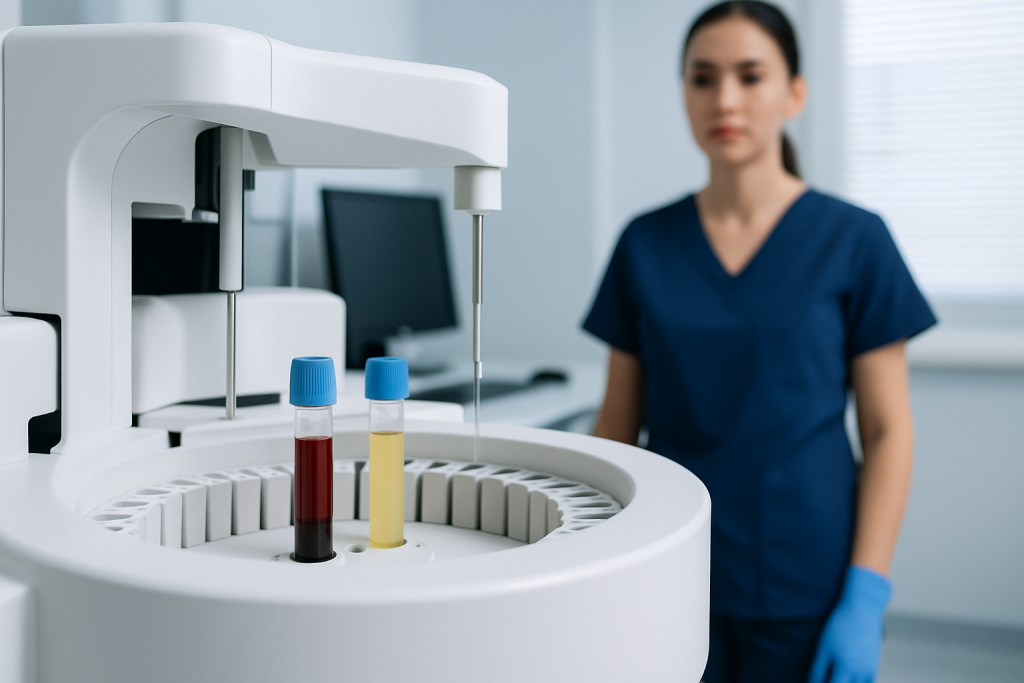
The sample needed for a venereal disease laboratory test depends on what is being tested. Urine testing is commonly used for chlamydia and gonorrhea, particularly when infection of the urethra is possible. A first-catch urine sample, meaning the first part of the urine stream, may be requested because it can contain cells from the urethra.
Swabs may be collected from the vagina, cervix, urethra, throat, rectum, or a visible sore. A vaginal swab can often be self-collected after clear instructions, while other sites may be sampled by a healthcare professional. Testing all relevant exposure sites matters because throat or rectal infections may not be found with a urine test alone.
Blood tests are used for infections such as HIV, syphilis, hepatitis B, and hepatitis C. If there are blisters, ulcers, or other sores, a clinician may take a swab directly from the lesion to look for herpes virus or other causes. In some situations, an examination is as important as the laboratory sample, especially when symptoms are visible.
- Urine: often used for chlamydia and gonorrhea.
- Swabs: may assess genital, throat, rectal, or sore-related infections.
- Blood: commonly used for HIV, syphilis, and viral hepatitis tests.
- Lesion samples: can help diagnose genital herpes when sores are present.
Common Tests and What They Can Detect
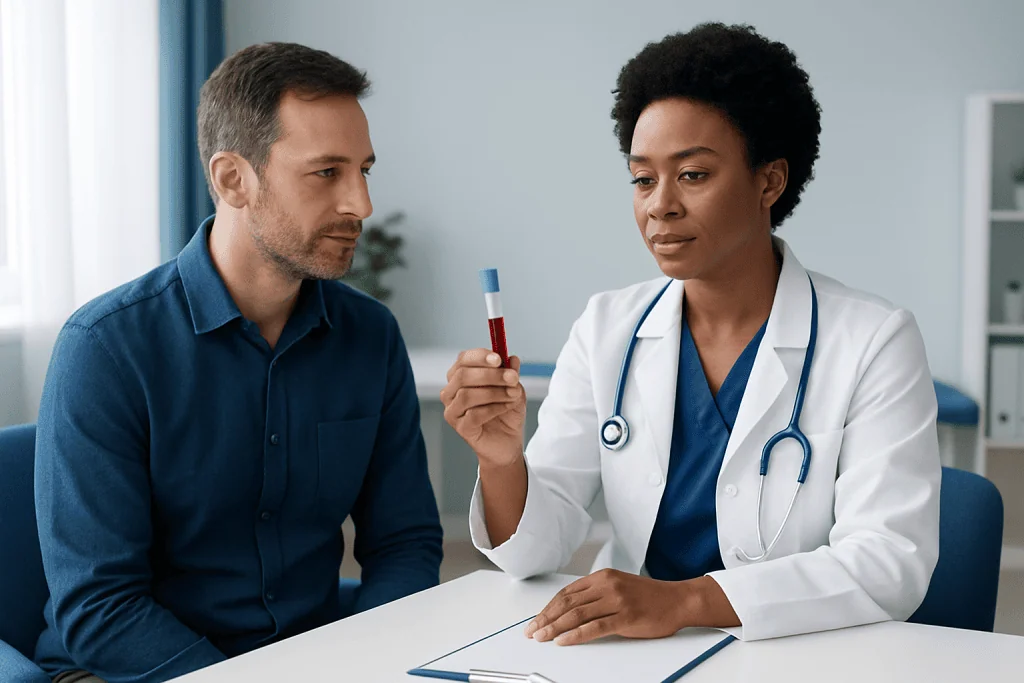
Nucleic acid amplification tests, often called NAATs, detect genetic material from germs. They are widely used for chlamydia and gonorrhea because they are accurate and can be performed on urine or swab samples. NAATs may also be used for trichomoniasis and, in certain settings, herpes testing from a lesion sample.
Syphilis testing usually involves blood tests that work together. One test may identify antibodies that suggest infection, while another helps confirm the result and assess whether treatment is working. HIV testing may detect antibodies, viral proteins called antigens, or the virus’s genetic material, depending on the test and the timing after exposure.
Tests for hepatitis B and hepatitis C can help identify current infection, past exposure, or immunity in the case of hepatitis B. HPV testing is not a general STI screening test for everyone. It is generally used as part of cervical cancer screening in eligible people, alongside or following cervical cell testing according to local recommendations.
Symptoms such as genital sores, discharge, pelvic pain, burning with urination, testicular discomfort, or a new rash can have different causes. Laboratory results are interpreted alongside an individual’s history and examination. For more information about related infections, patients may wish to review sexually transmitted diseases.
When to Test and Why Timing Matters
Testing may be appropriate after unprotected sexual contact, a condom break, a new sexual partner, a partner’s positive test result, sexual assault, or the development of symptoms. Routine screening may also be advised for people with new or multiple partners, people whose partners have other partners, and those in groups for whom guidelines recommend regular testing. Pregnancy screening is important because some infections can affect pregnancy or newborn health and can often be managed effectively when identified early.
Testing immediately after a possible exposure can be useful in some circumstances, but a negative result may not always rule out infection. Each STI has a “window period,” the time between exposure and when a test is likely to detect an infection. The appropriate timing differs by infection and by test type. A clinician can advise whether testing now, repeat testing later, or both are appropriate.
People should tell the clinician about the type of sexual contact involved, including oral and anal sex. This information is private and helps ensure the correct body sites are tested. It is also helpful to mention prior STIs, vaccination history, medications, and whether a partner has received a diagnosis.
Understanding Positive, Negative, and Unclear Results
A positive result means the test found evidence of a particular infection or immune response. Depending on the test, the result may need confirmation before a diagnosis is made. A healthcare professional can explain what the result means, whether treatment is needed, and whether follow-up testing is recommended.
A negative result means the infection was not detected in that sample at that time. It does not always exclude infection if testing occurred during a window period, if the wrong body site was sampled, or if there has been a new exposure since testing. Persistent symptoms should be assessed even after negative test results.
Some results are indeterminate, equivocal, or inconclusive. This does not necessarily mean an infection is present. It may reflect early testing, a technical issue, or a result that requires a different or repeat test. Patients should avoid self-diagnosis and discuss all unexpected or unclear results with a qualified clinician.
If an STI is diagnosed, notifying recent sexual partners is an important step so they can seek testing and treatment. Clinics may provide confidential partner-notification support where available. Avoiding sexual contact until a clinician confirms it is safe to resume can reduce the risk of passing an infection on.
Preparation, Privacy, and the Testing Appointment
Preparation depends on the test. For a urine NAAT, patients may be asked not to urinate for a period before giving the sample; the testing service will provide specific instructions. For genital swabs, recent use of creams, lubricants, vaginal medicines, or douching may affect sample collection, so patients should ask in advance if any preparation is needed.
During an appointment, a clinician may ask about symptoms, dates of possible exposure, sexual practices, contraception, pregnancy possibility, prior tests, and allergies. These questions are asked to select appropriate tests, not to judge a person’s choices. People can ask questions, request clarification, and discuss any concerns about privacy or the examination.
Some testing services offer self-collected samples or home collection kits for selected infections. These options may improve access, but they do not replace urgent assessment for severe symptoms, sexual assault, suspected HIV exposure requiring urgent prevention, or signs of pelvic or testicular infection. A clinician can also help interpret results and arrange treatment safely.
Prevention and Follow-Up Care
Consistent and correct use of external or internal condoms and other barrier methods can lower the risk of many STIs, although they do not fully prevent infections spread by skin-to-skin contact outside the covered area. Limiting exposure through shared decision-making with partners, regular screening when appropriate, and prompt treatment after a diagnosis are additional protective steps.
Vaccination can prevent some infections. Hepatitis B vaccination is widely recommended in many settings, and HPV vaccination can protect against HPV types associated with cancers and genital warts. Eligibility depends on age, health history, and national recommendations, so a clinician can advise on the most suitable schedule.
When treatment is prescribed for a bacterial or parasitic STI, it is important to take it exactly as directed and attend follow-up if advised. Some infections require repeat testing after treatment because reinfection can occur. Viral STIs may not always be curable, but medical care can often reduce symptoms, lower transmission risk, and support long-term health.
Acibadem International’s multidisciplinary specialists and JCI-accredited hospitals can assess STI concerns, arrange appropriate laboratory testing, and provide treatment planning for international patients.
When to Seek Medical Care
Medical care should be sought promptly for genital sores, blisters, unusual discharge, bleeding after sex, pain or burning during urination, pelvic or lower abdominal pain, testicular pain or swelling, a widespread rash, fever with genital symptoms, or symptoms following a possible exposure. These symptoms do not always indicate an STI, but early evaluation helps identify the cause and guide care.
Urgent assessment is particularly important after sexual assault, after a possible HIV exposure within the last few days, or when severe pelvic pain, severe testicular pain, high fever, confusion, or signs of serious illness occur. Emergency services should be used for severe or rapidly worsening symptoms.
Even without symptoms, people should arrange testing after a partner reports an STI or when they are concerned about an exposure. Testing is a responsible and routine healthcare step. A clinician can recommend the right venereal disease laboratory test and explain the best timing for reliable results.
Frequently asked questions
Is a venereal disease laboratory test painful?
Most STI tests are quick and cause little discomfort. A blood draw may feel like a brief pinch, and swab collection may feel mildly uncomfortable depending on the site. A clinician can explain each step and help make the process as comfortable as possible.
Can one test check for all sexually transmitted infections?
No single laboratory test detects every STI. Different infections require different sample types and testing methods, such as urine, blood, genital swabs, throat or rectal swabs, or a sample from a sore. The most appropriate panel is based on individual risk and symptoms.
How soon after sex can an STI test be accurate?
The timing depends on the infection and the test used. Testing too soon can produce a negative result even when an infection is present, because the infection may not yet be detectable. A healthcare professional can advise on immediate testing and whether repeat testing is needed.
Should a person get tested for STIs if they have no symptoms?
Yes, many STIs cause no noticeable symptoms. Screening can identify an infection early and help prevent complications and transmission to partners. The frequency of testing depends on sexual history, partner status, pregnancy, and individual risk factors.
What happens after a positive STI test result?
A clinician will explain the result, discuss whether confirmatory testing is needed, and recommend treatment or monitoring. Recent sexual partners may need notification, testing, and sometimes treatment. Many bacterial and parasitic STIs can be cured, while viral infections can often be effectively managed.
Can a negative STI test result be wrong?
A negative result is reassuring, but it may not rule out infection if the test was done too soon after exposure or if infection is present at a body site that was not sampled. Repeat testing may be advised after a window period. Ongoing or new symptoms should always be assessed by a clinician.
References
- Centers for Disease Control and Prevention
- World Health Organization
- U.S. Preventive Services Task Force
- National Institutes of Health
- American Sexual Health Association
This article is for general information only and is not a substitute for professional medical advice. Please consult a qualified doctor about your individual situation.
Explore treatments in Turkey — costs, top hospitals & a free quote
JCI-accredited · board-certified surgeons · reply within 24h
Add us as a Preferred Source to see more of our trusted health content across Google Search, AI Overviews and Discover.